Quick Summary
A tube laser cuts tube and structural profiles, while a sheet laser cuts flat sheet and plate. If your part starts as a length of tube, it belongs on a tube laser. If it starts as a flat blank, it belongs on a sheet laser. Blueline Industries runs both kinds of machines at its Chino, CA shop, so the choice follows the part, not the equipment on hand.
This post gives you a plain way to decide which process fits, what each one does best, and how to send a job that uses both.

What is the difference between a tube laser and a sheet laser?
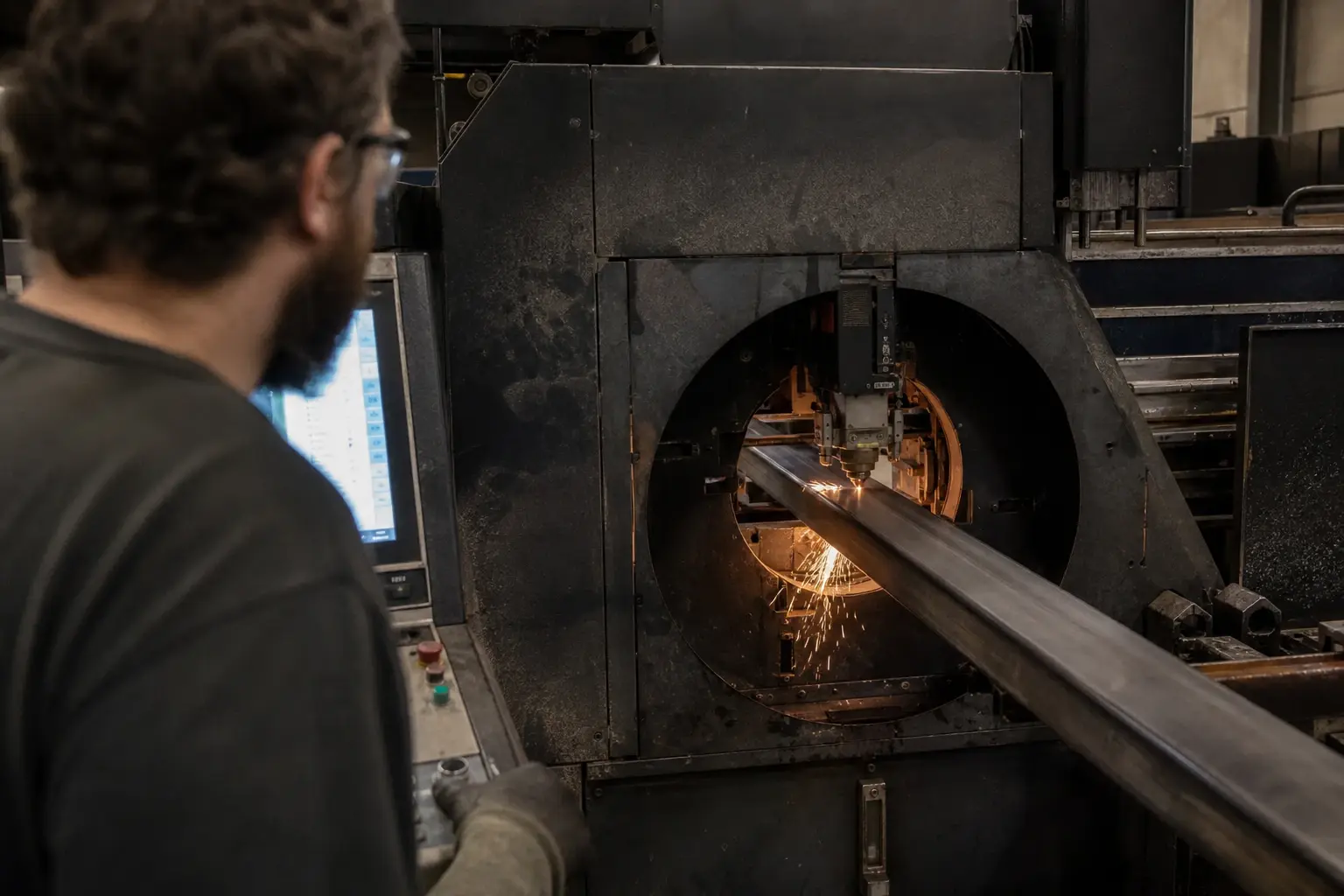
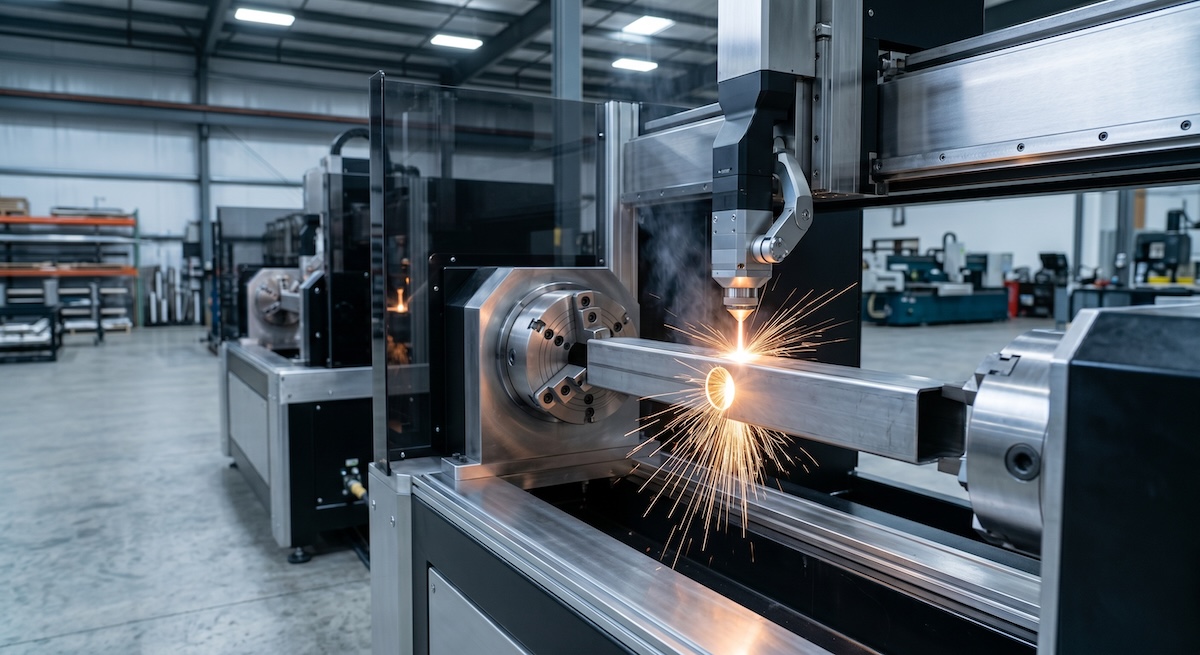
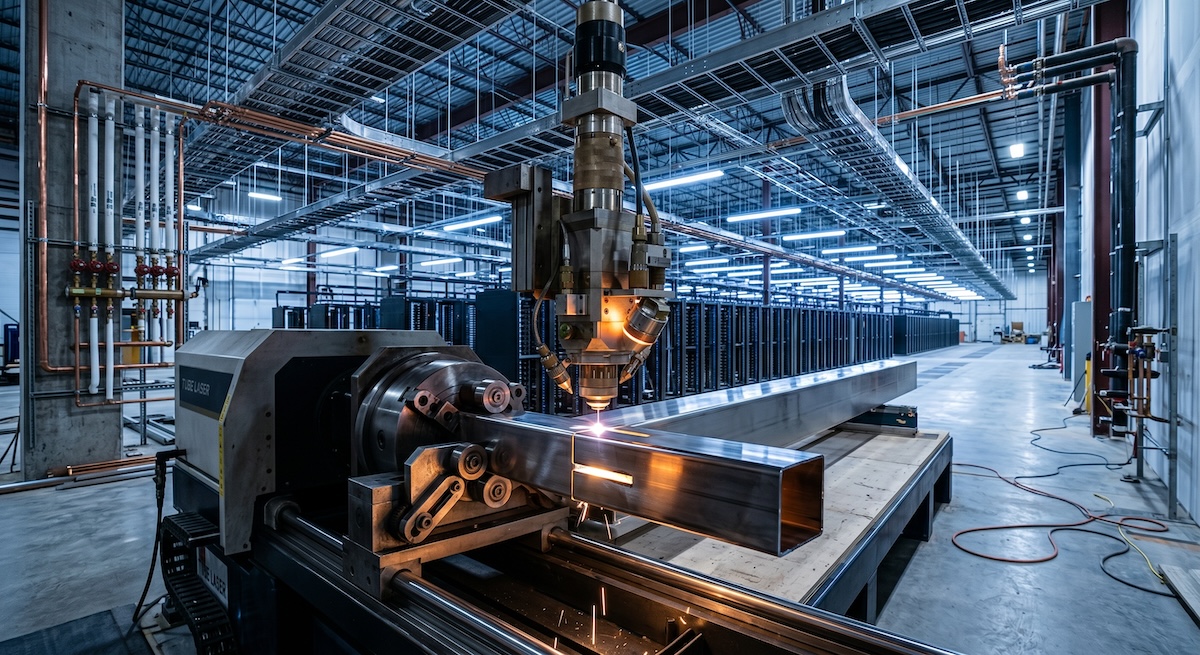
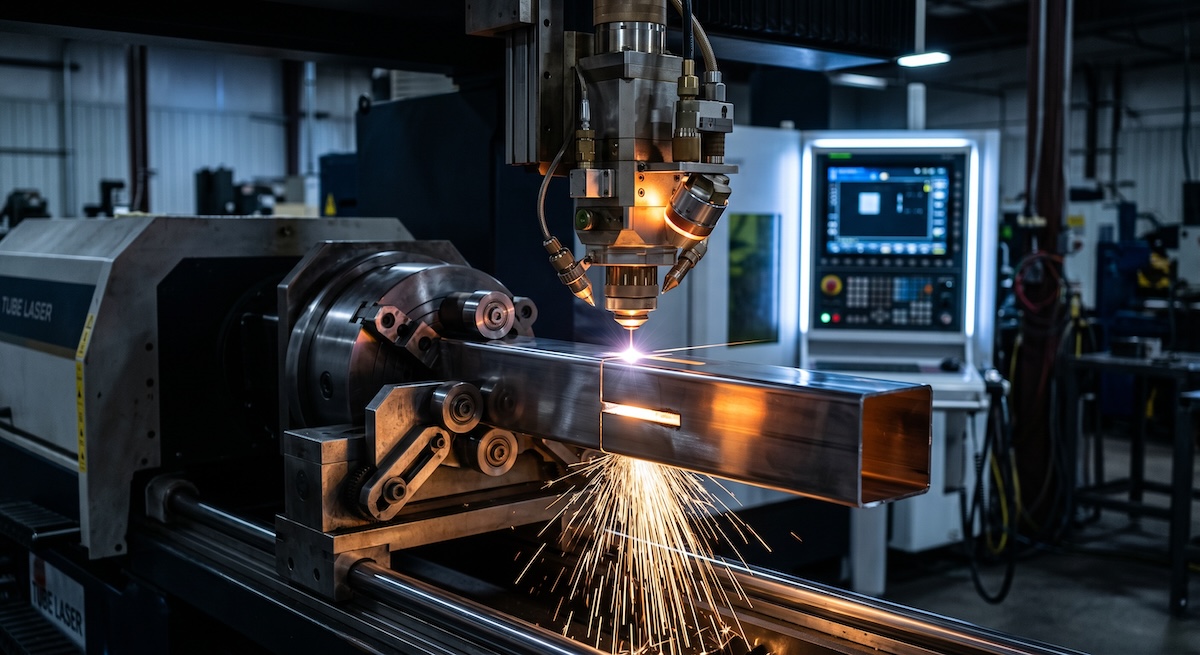
A sheet laser cuts flat stock that lies on a table. A tube laser holds a length of tube, rotates it, and cuts around and through the profile. The cutting method is similar. The way each machine holds and moves the material is what sets them apart.
That difference shapes everything else. Flat parts lie still while the head moves across them. Tube parts must be fed, held, and turned, so the machine works with the tube's bow, its weld seam, and its corners.
Power is not a good yardstick. The Fabricator notes that flat sheet laser machines are now available with laser generators as powerful as 12 kW, while tube laser machines usually only need a maximum of 5 kW. Blueline's own equipment follows that pattern: its LT7 tube lasers are 4kW, and its LS5-3015 sheet laser is 12kW. Higher power suits thick flat plate. It does not make a flat machine better at cutting tube.
Which parts belong on a tube laser?
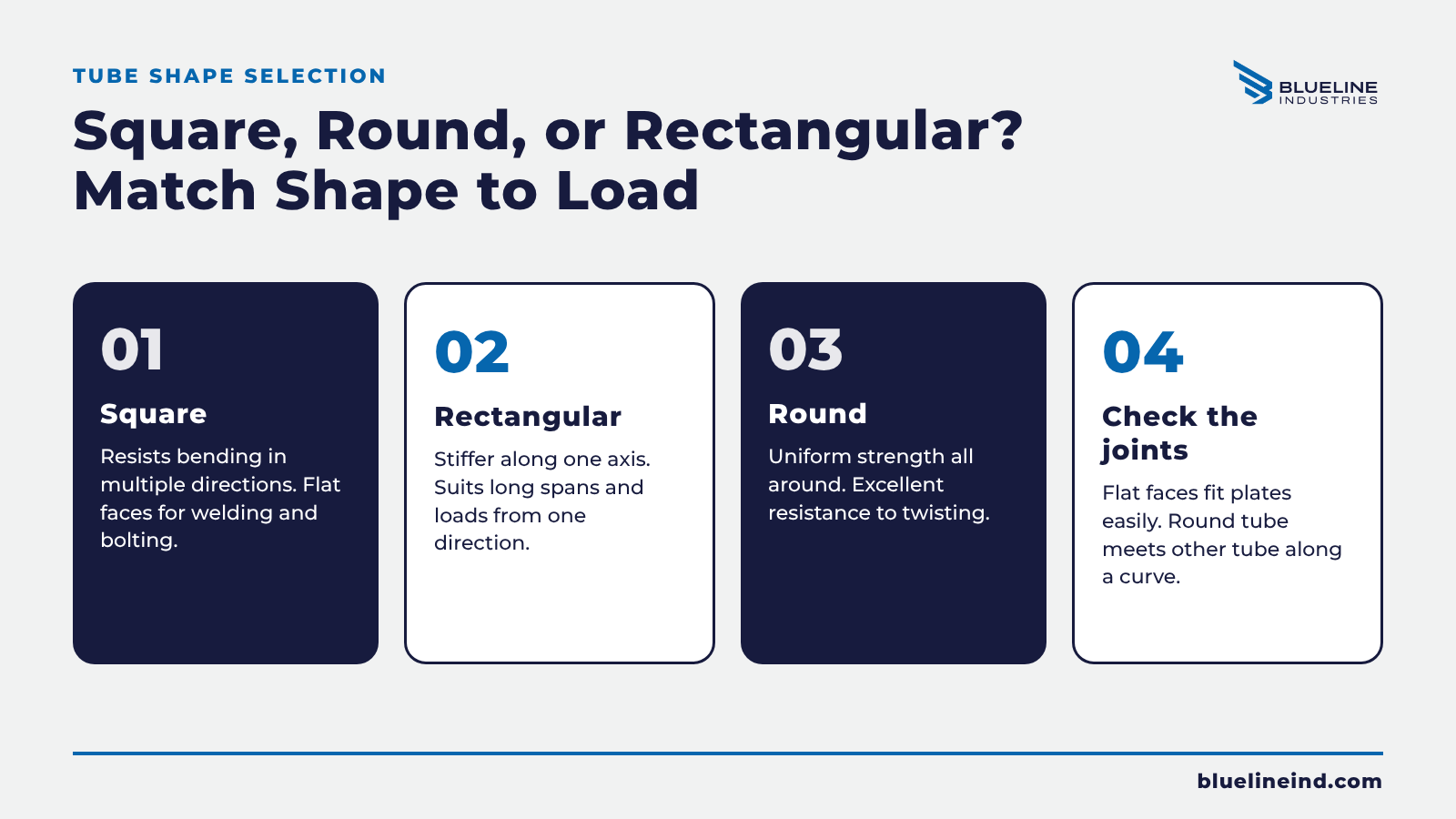
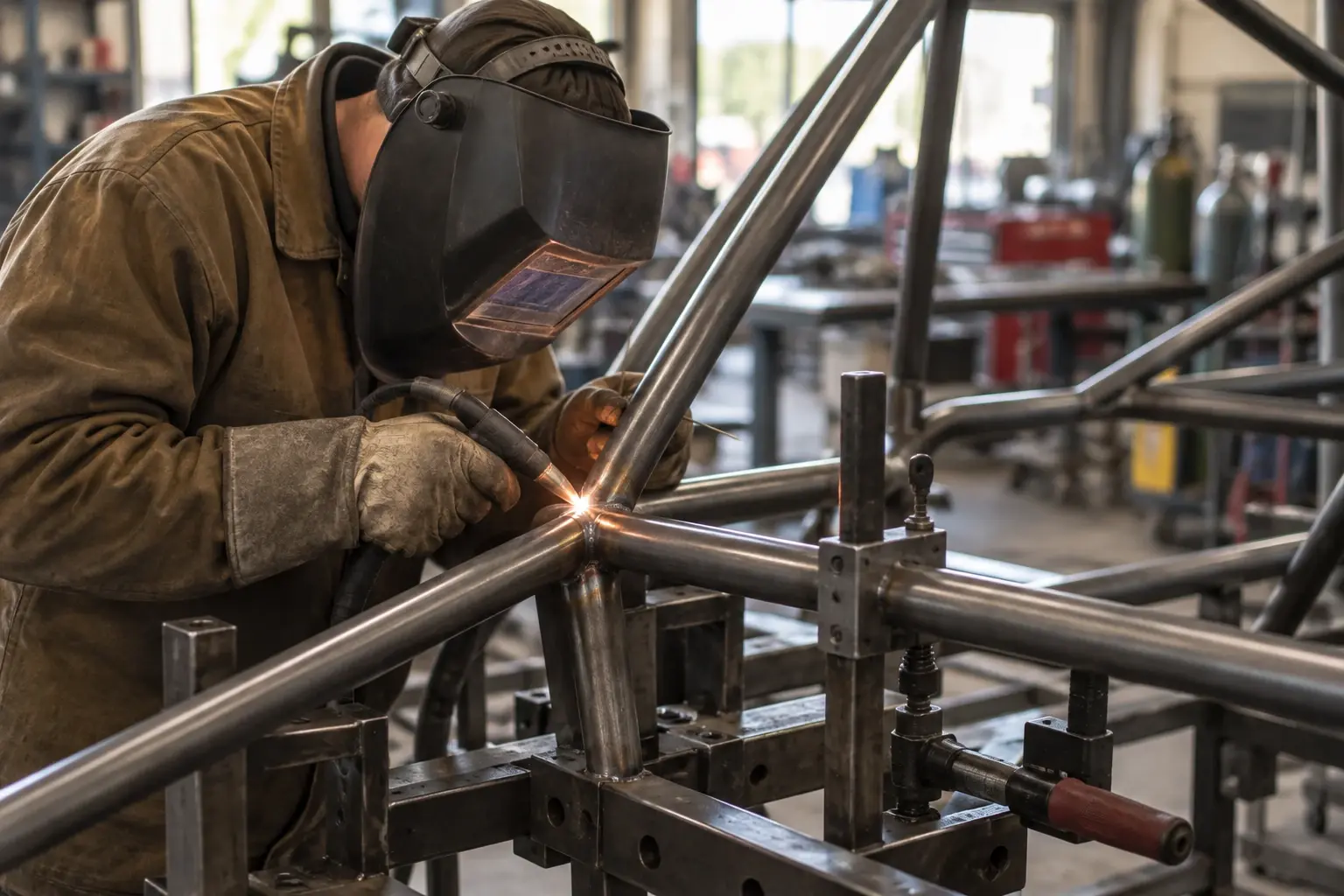
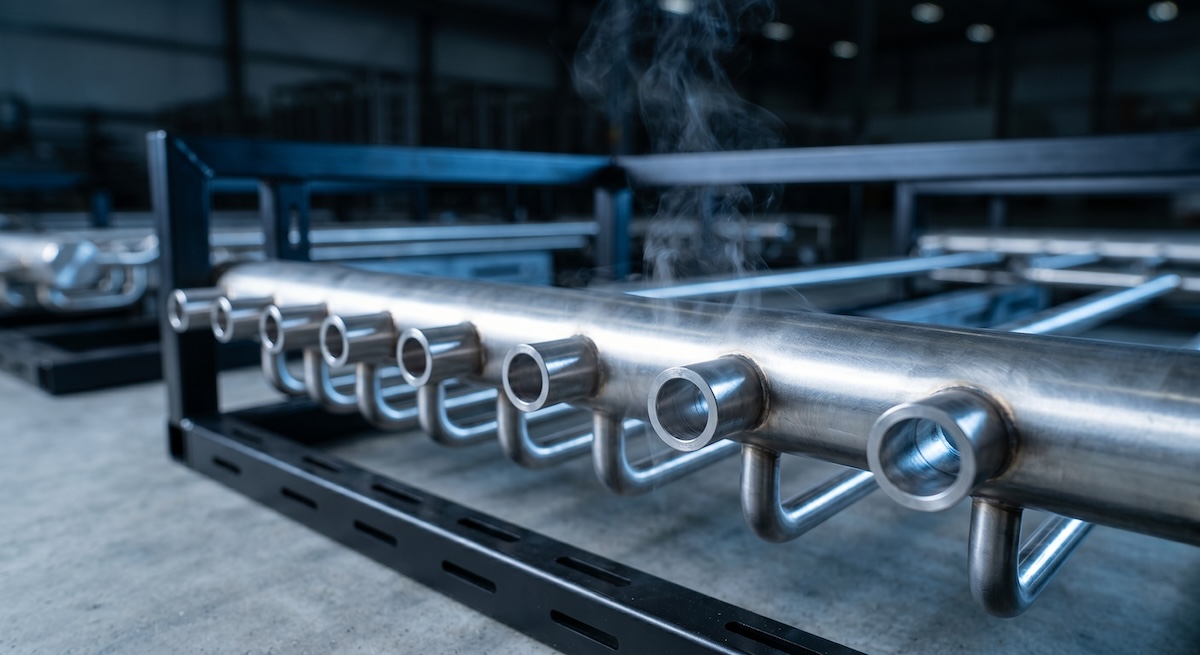
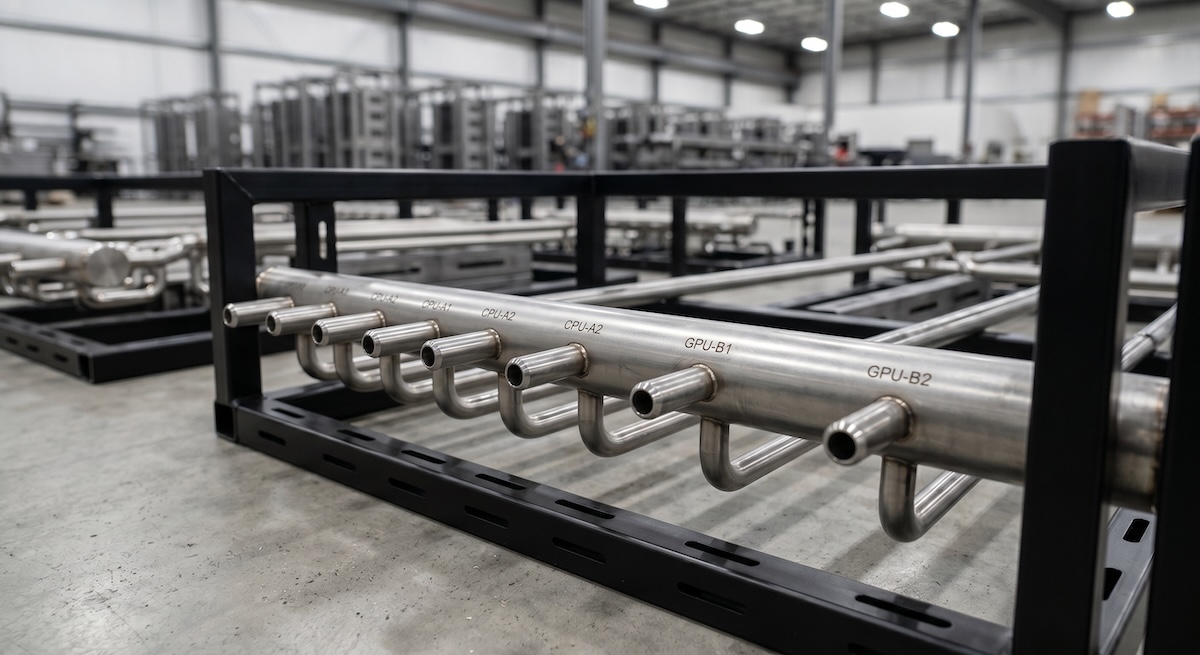
Parts that start as tube belong on a tube laser. That includes round, square, and rectangular tube, plus parts with cuts that wrap around the profile, such as notches, slots, holes on several faces, and angled ends. A flat machine cannot reach those features without extra setups.
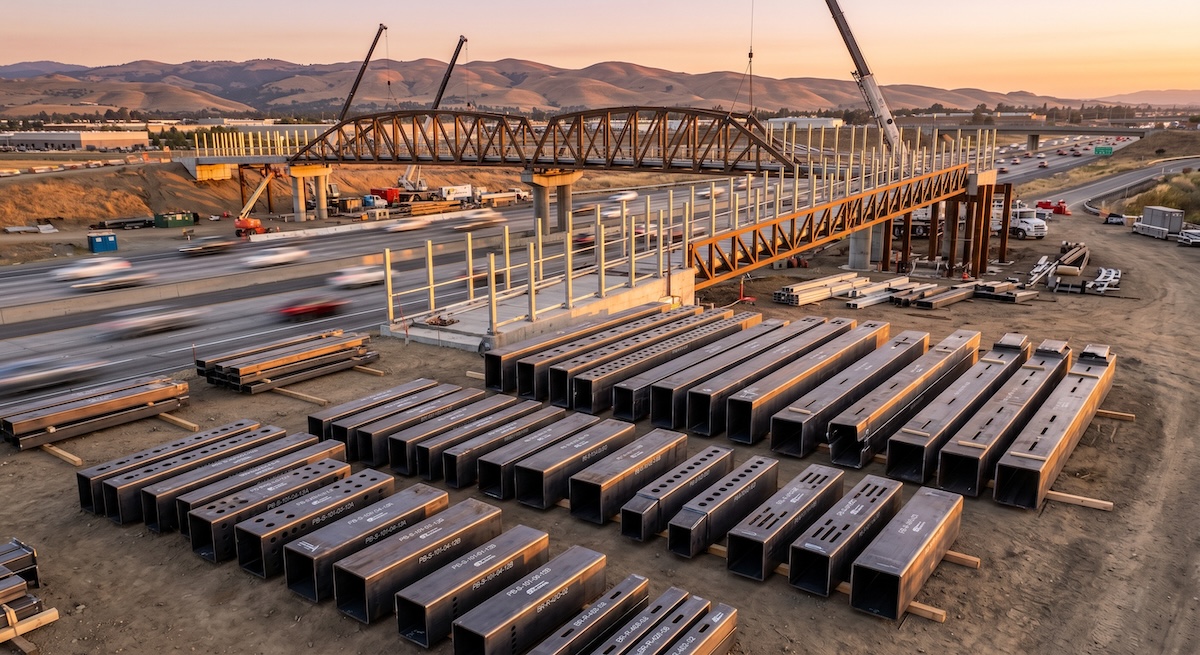
Blueline states its LT7 tube lasers are fully automatic and handle up to 6 inch square or round tube. Blueline also states it processes tube up to 13 inch diameter with 5-axis beveling capability. Typical tube laser work includes:
For the full picture of what a tube laser cuts, see our guide to tube laser cutting services and the page on steel tube laser cutting.
Which parts belong on a sheet laser?
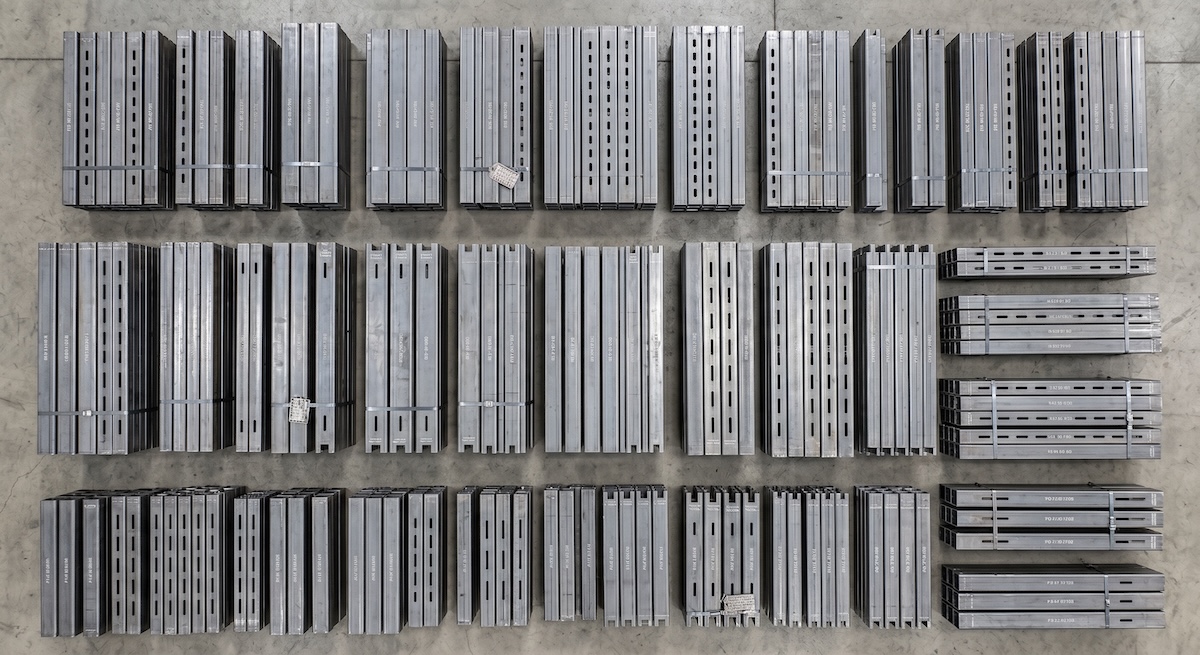
Parts that start as a flat blank belong on a sheet laser. That includes plates, brackets, gussets, panels, and covers. If the part must be bent into a channel or an angle, it is usually cut flat on a sheet laser first and then formed on a press brake.
Blueline lists a 12kW LS5-3015 sheet laser and ProBend all-electric press brakes. Together they cover the flat cut and the bend. Our primer on press brake bending explains the second step.
QuestionTube laserSheet laserWhat does the part start as?A length of tube or profileA flat sheet or plateTypical partsFrames, braces, supports, tube endsGussets, brackets, panels, base platesFeatures it reachesCuts on several faces and around the profileCuts on one flat faceMaterial handlingTube is fed and rotated, with bow and seam to manageSheet lies flat on the tableTypical next stepWeld, fit-up, or finishBend on a press brake, then weld or finish
Can one assembly use both processes?
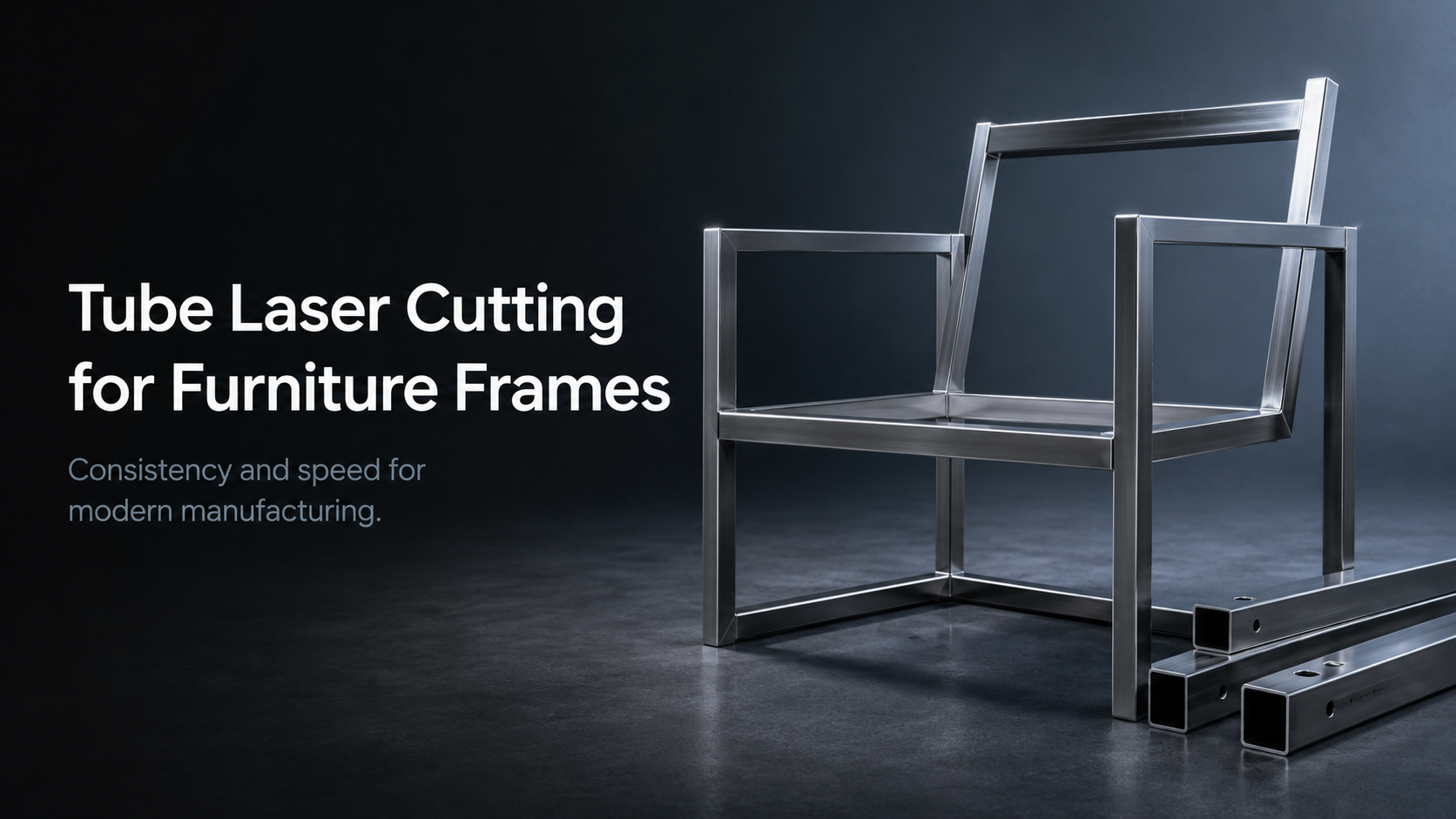
Yes, and many do. A frame often uses tube for the members and flat plate for gussets, base plates, and mounting tabs. The tube laser cuts the members and their joint features. The sheet laser cuts the plate details. The parts then meet at the weld table.
Planning both together has one big benefit. You can send one drawing package, one quote request, and one set of questions. Our post on reducing fabrication errors with single-operation cutting shows why fewer handoffs help. Blueline states that single-operation processing reduces error rates by up to 70%. That is a Blueline claim, and results depend on the part.
How do you decide which process to use?
Look at the raw material, then the features, then the next step. If the part starts as tube, use a tube laser. If it starts flat and ends flat or bent, use a sheet laser. If the assembly mixes both, split it by part. Ask the shop to check your split before you release the files.
If you are also weighing other cutting methods, read how a tube laser compares with plasma and waterjet.
What should you watch for on tube parts?
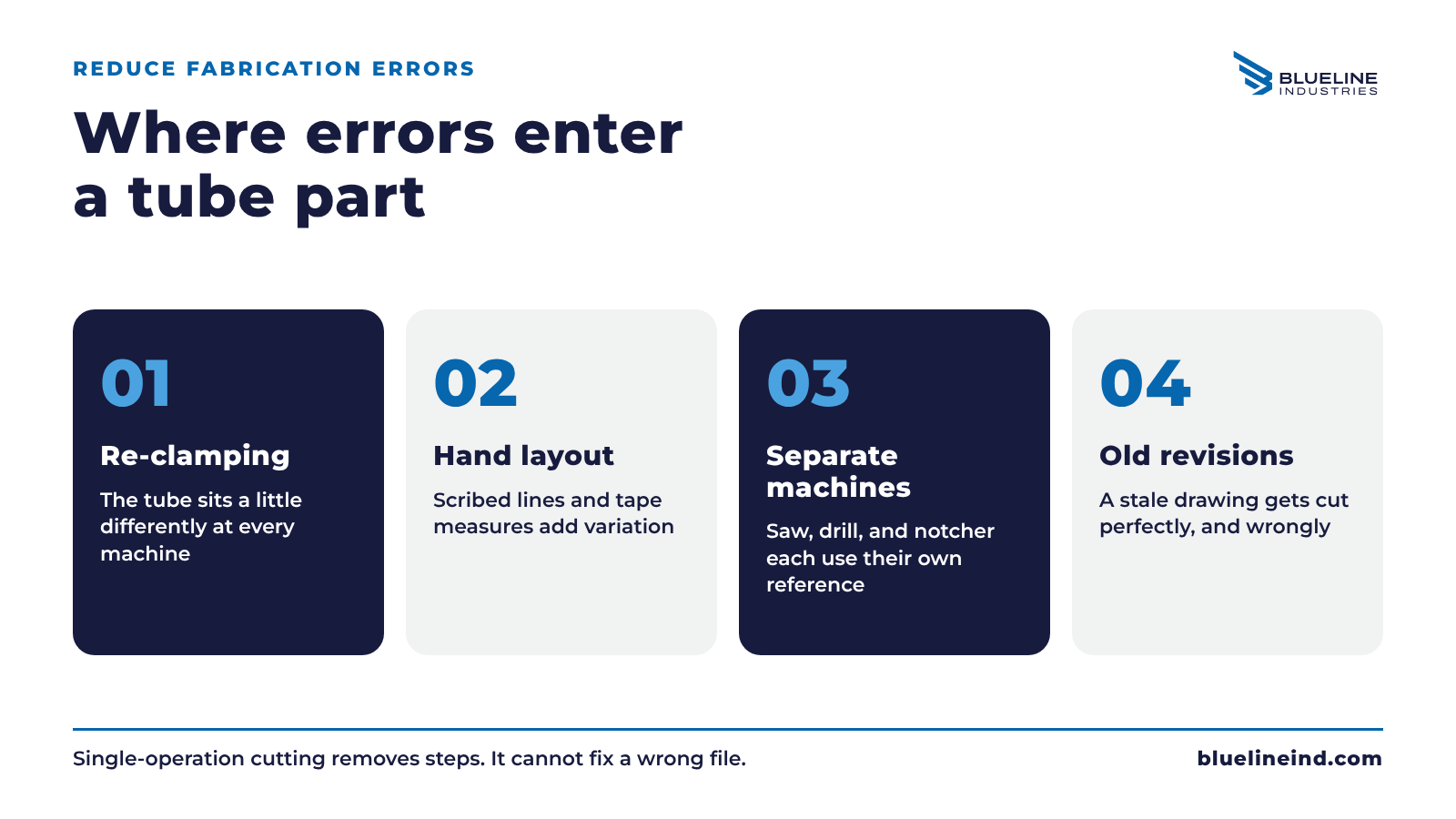
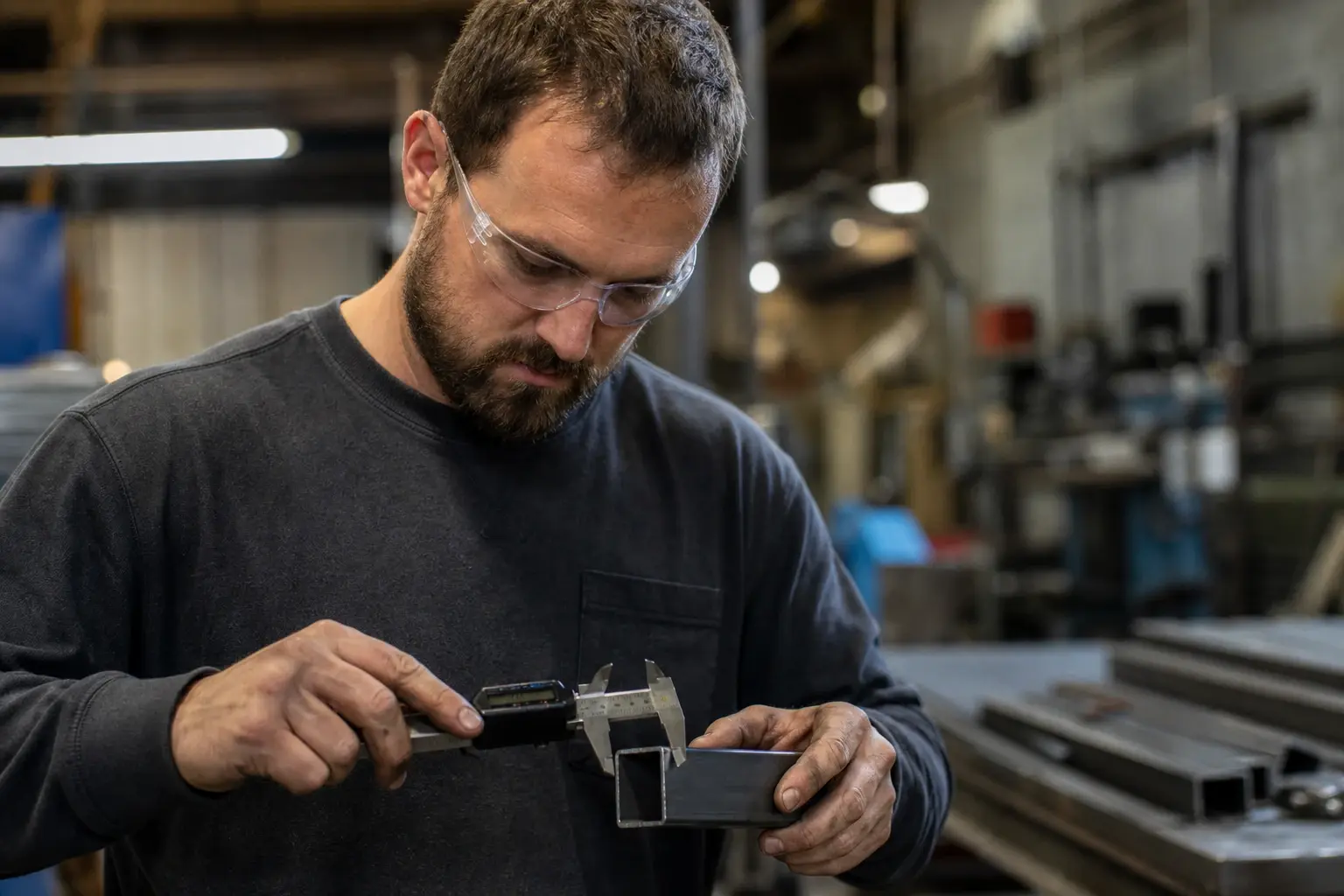
Watch for tube variation. The Fabricator states that there is no such thing as a perfect tube, because tubes have bows, and that the weld seam must not interfere with pins or holes. Flat sheet does not behave this way. Good tube drawings call out the tube type, wall thickness, and any seam placement that matters.
That is one more reason to pick the process by part shape. A tube laser is built to manage these tube issues. A flat machine is not.
FAQ
Can a sheet laser cut tube?
Not in the usual way. A sheet laser is built for flat stock on a table. Tube needs a machine that holds and rotates it, which is what a tube laser does. Tube parts belong on a tube laser.
Can a tube laser cut flat plate?
No. Plate and sheet parts belong on a sheet laser. If your assembly has both, the shop splits the work between the two machines.
Is more laser power always better?
No. Power suits the material thickness on each machine. The Fabricator notes that sheet machines reach 12 kW while tube machines usually need a maximum of 5 kW. Choose by part shape, not by the number on the machine.
Which process is better for brackets?
Flat brackets cut on a sheet laser, then bent on a press brake if needed. Brackets made from tube cut on a tube laser. The starting shape decides.
What do I send to get a quote on a mixed assembly?
Send a 3D model, a cut list that names the tube parts and plate parts, materials, thicknesses, and quantities. Add finish and delivery needs, and note any bends.
Match the process to the part
The right machine is the one that fits the part's starting shape. Tube goes on a tube laser. Flat blanks go on a sheet laser. Mixed assemblies use both. Send Blueline your drawings and the team will help you split the work.
Ready to start? Get a Quote or call (951) 833-5597. Made in America, built on integrity.