Quick Answer: High-volume tube fabrication partnerships fail most often not because of quality problems on individual parts, but because of systemic issues: inconsistent lead times that disrupt just-in-time delivery schedules, cumulative tolerance drift across multi-step fabrication processes, and capacity constraints that surface only when your order volume increases. The right fabrication partner for production-scale tube work operates tube laser technology that consolidates multiple machining steps into a single CNC-controlled operation, maintains machine redundancy to protect your schedule, provides engineering support that optimizes your designs for manufacturability, and delivers parts bundled, labeled, and etched with identification that integrates directly into your assembly workflow. Evaluating partners on total cost of ownership rather than per-piece price separates the vendors who protect your production schedule from those who eventually become your biggest bottleneck.
Every manufacturing operation that depends on fabricated tube components eventually faces the same inflection point. The volumes that a general-purpose metal shop handled adequately at 500 pieces per month become a scheduling liability at 5,000. The quality that was acceptable for prototyping reveals its inconsistencies when your assembly line depends on dimensional repeatability across tens of thousands of identical parts. The lead times that seemed reasonable when you had inventory buffer become intolerable when your customers expect just-in-time delivery.
This inflection point is where fabrication partner selection stops being a procurement exercise and becomes a strategic decision. The partner you choose will either enable your growth or constrain it, and the distinction often comes down to capabilities and practices that do not appear on a standard RFQ response.
The U.S. manufacturing landscape is making this decision more consequential than ever. Over 24% of manufacturers and distributors are now reshoring or nearshoring production and sourcing, nearly double the percentage from the prior year. Trade uncertainty, tariff impacts, and supply chain fragility are driving OEMs to consolidate with domestic fabrication partners who can deliver reliably at scale. But 53% of U.S. manufacturers report struggling with labor shortages in welding and fabrication, which means not every domestic shop that wants your high-volume work can actually execute it.
This is a guide to identifying fabrication partners who can.
Why High-Volume Tube Fabrication Is Different
The engineering challenges of cutting, drilling, and profiling a single tube component are straightforward. The manufacturing challenges of doing it 10,000 times with identical results, on schedule, month after month, are fundamentally different. Understanding these differences is what separates procurement professionals who find reliable partners from those who cycle through vendors.
Consistency across production runs matters more than single-part precision. Any competent fabrication shop can produce a perfect first article. The question is whether part number 9,500 matches part number 1 within the same tolerance band. In conventional multi-step fabrication, where each part visits a saw, a drill press, a notching station, and a tapping machine in sequence, cumulative variables multiply across a production run. Operator fatigue, fixture wear, tool degradation, and ambient temperature changes all introduce variation that compounds over thousands of cycles. For OEM assembly operations where tube components must mate with other manufactured parts, this drift creates a quality problem that manifests not at incoming inspection but on the assembly floor, where it is most expensive to address.
Throughput stability determines delivery reliability. High-volume OEM relationships depend on scheduled deliveries, often weekly or biweekly, aligned with production planning. A fabrication partner's ability to maintain consistent throughput depends on how many sequential operations each part requires and how many distinct labor dependencies exist in the production sequence. Every time a human operator must set up a machine, verify dimensions, or transfer parts between stations, the process inherits the variability of human availability. Sick days, turnover, training periods, and the basic economics of shift scheduling all introduce throughput instability that conventional fabrication absorbs poorly.
Material efficiency compounds at scale. A scrap rate of 12% on a 500-piece order costs you perhaps a few hundred dollars in wasted material. The same scrap rate on a 50,000-piece annual commitment represents a substantial material cost that flows directly to your unit economics. High-volume fabrication demands process methods that minimize material waste through precise nesting, optimized cutting paths, and reduced setup scrap.
Part identification and packaging become logistics operations. When you receive 200 pieces of a single part number, sorting and identification are trivial. When you receive 5,000 pieces across 30 part numbers on a weekly delivery schedule, the method of identification, organization, and packaging directly affects your receiving and staging labor costs. A fabrication partner who ships parts in random batches with adhesive labels that fall off during transit creates a hidden cost center on your production floor.
The Technology Question: Why Fabrication Method Matters at Scale
The single most important capability distinction in high-volume tube fabrication is whether the shop processes parts through multiple sequential operations or consolidates them into a single automated cycle.
Conventional tube fabrication follows a workflow that has not changed fundamentally in decades: saw cut to length, transfer to drill press, transfer to milling or notching station, transfer to tapping station, deburr, inspect. Each transfer introduces queue time, setup time, and a re-fixturing event that degrades positional accuracy. At low volumes, these inefficiencies are manageable. At high volumes, they define the production economics.
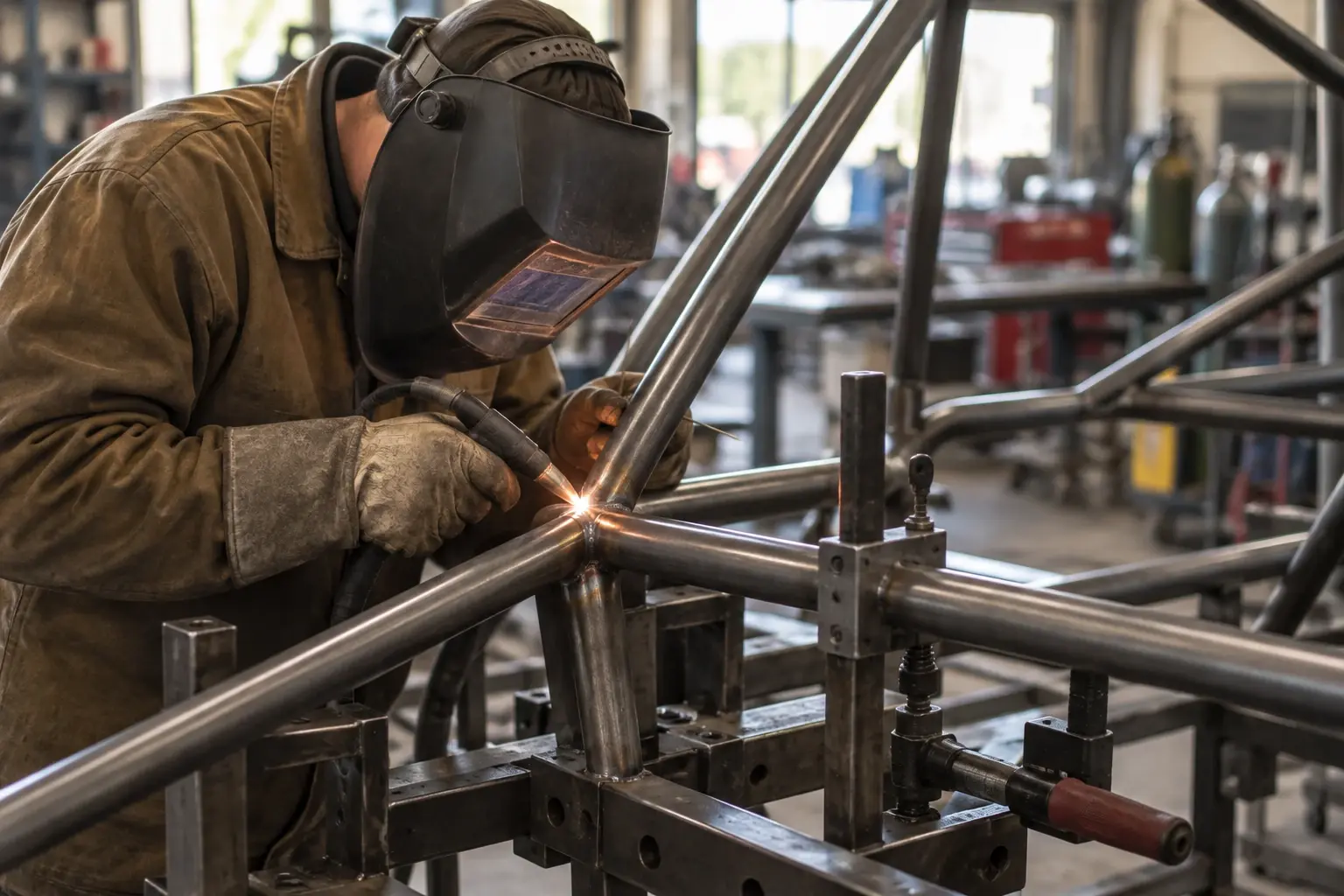
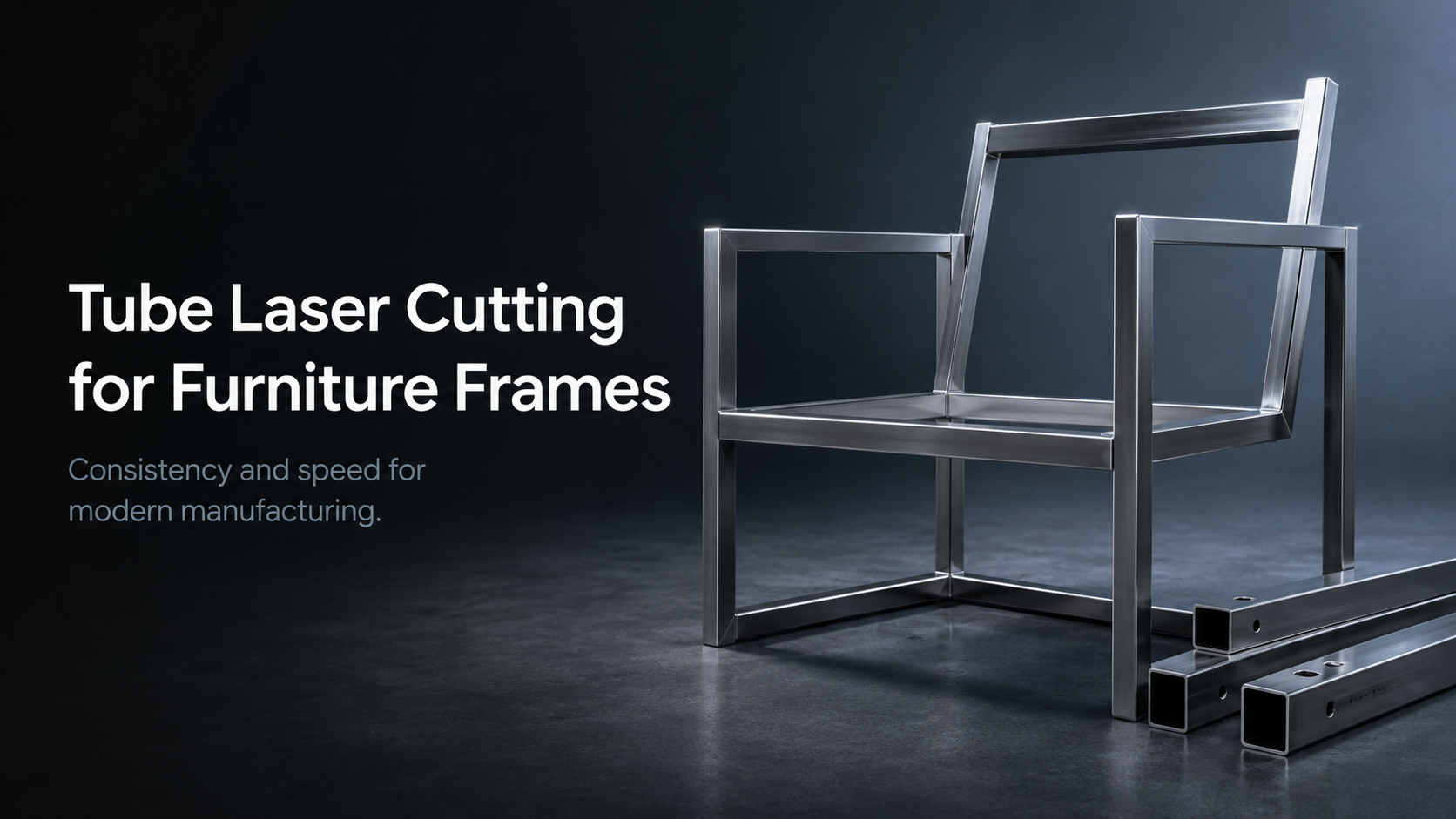
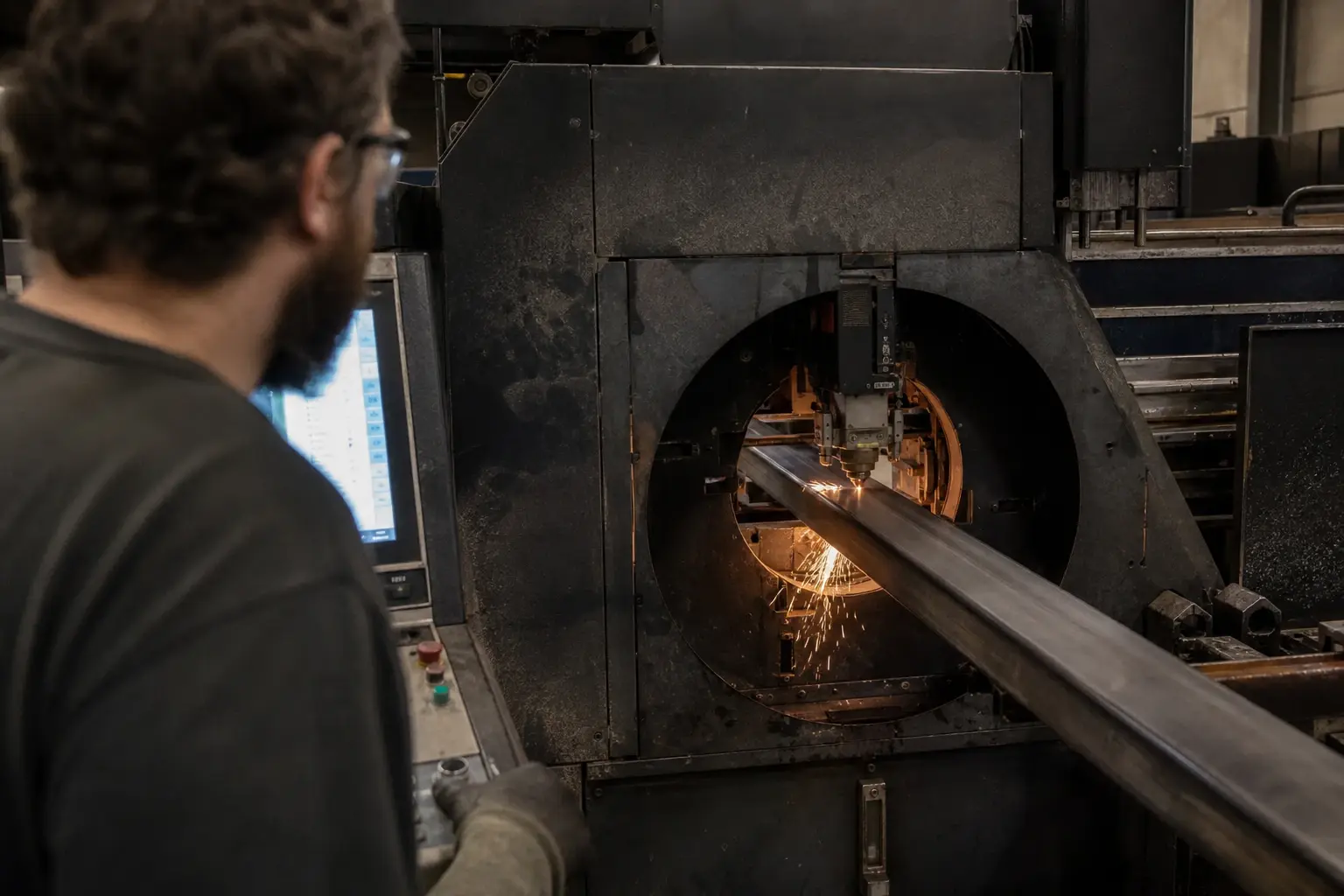
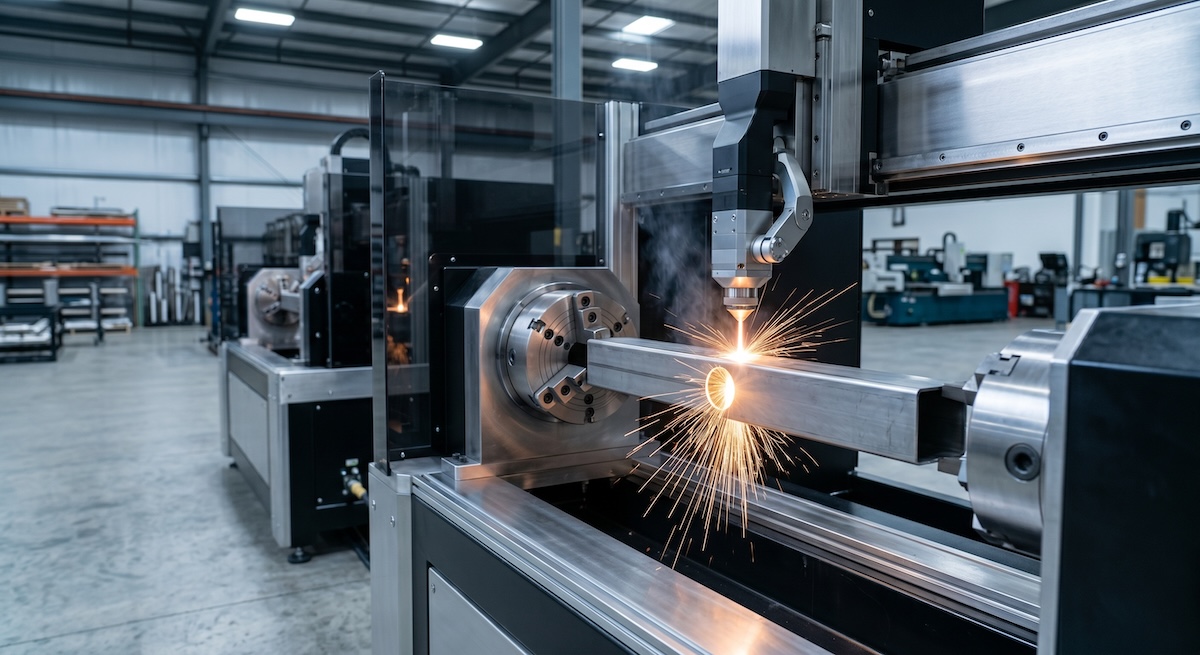
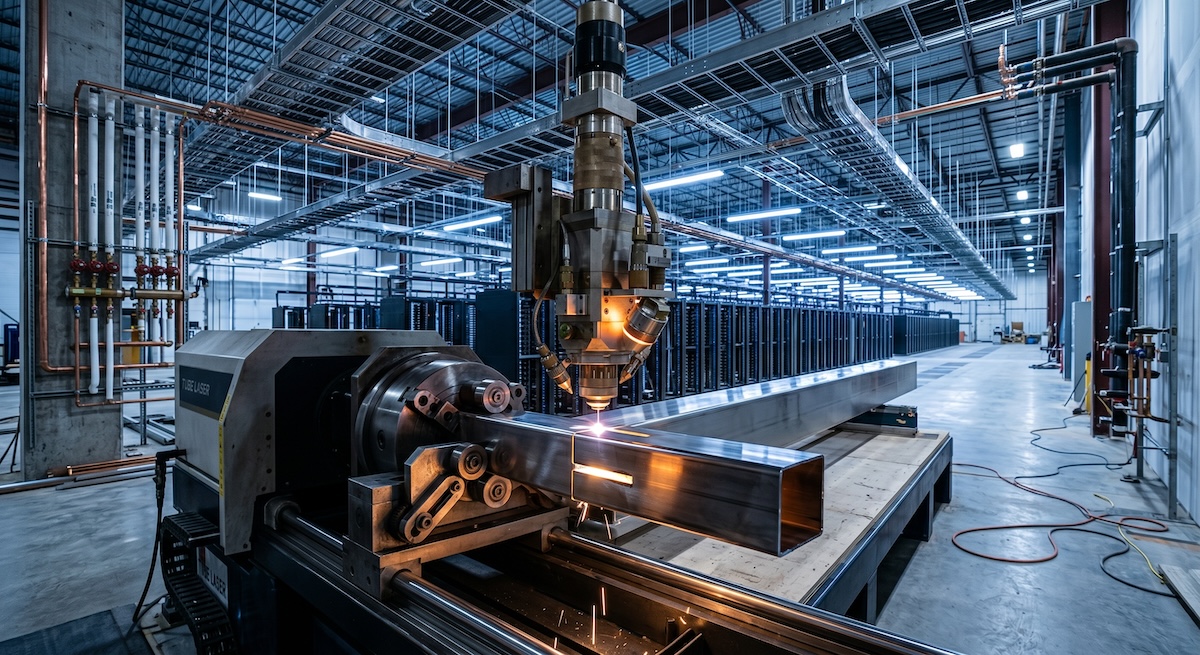
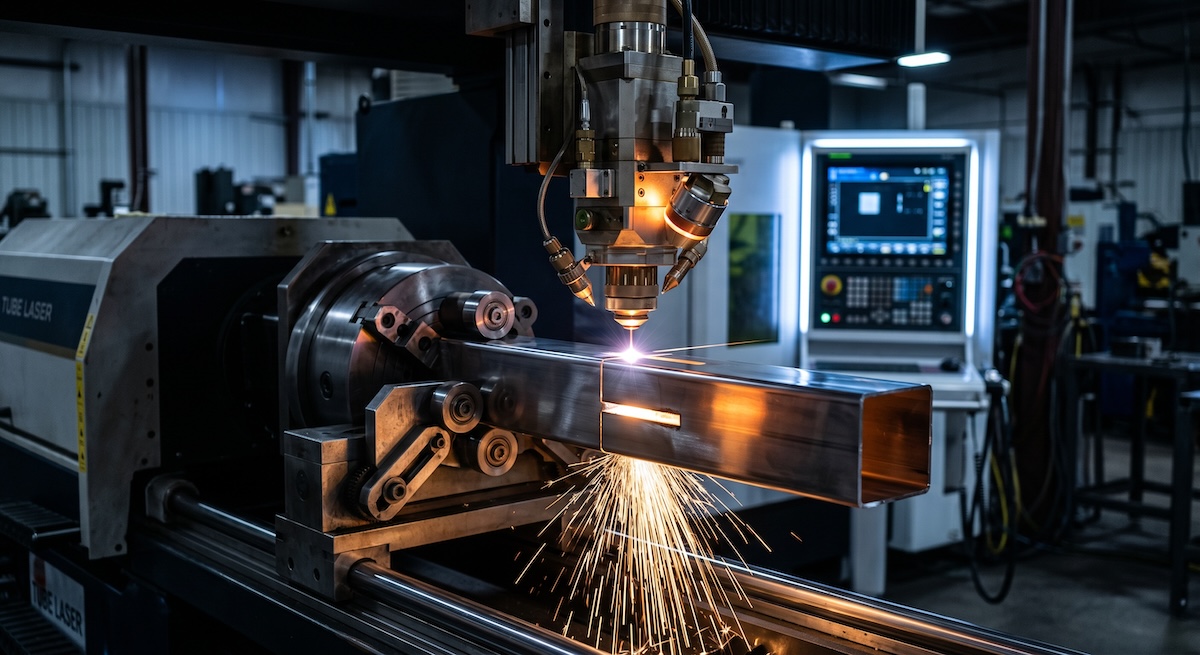
Tube laser fabrication replaces this sequential workflow with a single CNC-controlled operation. A fiber laser cuts, drills, notches, slots, taps, and profiles the tube while it remains in one fixture throughout the process. The implications for high-volume production are specific and measurable.
Cycle time becomes predictable. Because the entire feature set is completed in one automated operation, the cycle time for each part is determined by the CNC program, not by the queue status of five separate machines. Production planning can calculate daily output with precision, which means delivery commitments are based on machine math rather than shop floor estimates.
Part-to-part consistency improves dramatically. With no re-fixturing between operations, every feature on every part references the same datum. Positional accuracy of ±0.003 inches is maintained from the first part to the last. For OEMs whose assembly processes depend on consistent hole locations, slot widths, and notch depths across thousands of parts, this repeatability eliminates the incoming quality variability that disrupts production flow.
Setup changeover between part numbers drops by 70 to 90%. In conventional fabrication, switching from one part number to another means changing fixtures on multiple machines, adjusting stops, and running first-article verification at each station. On a tube laser, changeover means loading a new CNC program, which takes minutes. For OEMs who require multiple part numbers in a single delivery, this flexibility means the fabricator can process mixed orders without the batching constraints that conventional shops impose.
Labor requirements per part decrease. One tube laser operator manages the output of three or four conventional machinists. At high volumes, this labor efficiency translates into lower per-unit fabrication costs and reduced exposure to the workforce shortages that affect 53% of U.S. manufacturers. A fabrication partner running tube laser technology is less likely to miss deliveries because a key operator quit or called in sick.
Eight Capabilities to Evaluate in a High-Volume Fabrication Partner
Beyond the fundamental technology question, several specific capabilities distinguish fabrication partners who perform at scale from those who struggle when volumes increase.
1. Machine Redundancy
A single tube laser machine is a technology advantage. Two or more machines are an operational advantage. When your production depends on weekly deliveries of precision tube components, the fabricator's ability to maintain output during scheduled maintenance, unexpected breakdowns, or demand surges depends on whether they have backup capacity. Ask how many tube laser machines the shop operates, what the current utilization rate is, and what the contingency plan is when a machine goes down for service. Blueline Industries in Riverside, California, for example, operates multiple tube laser systems, which means maintenance on one machine does not interrupt production commitments on the other.
2. Engineering and Design Support
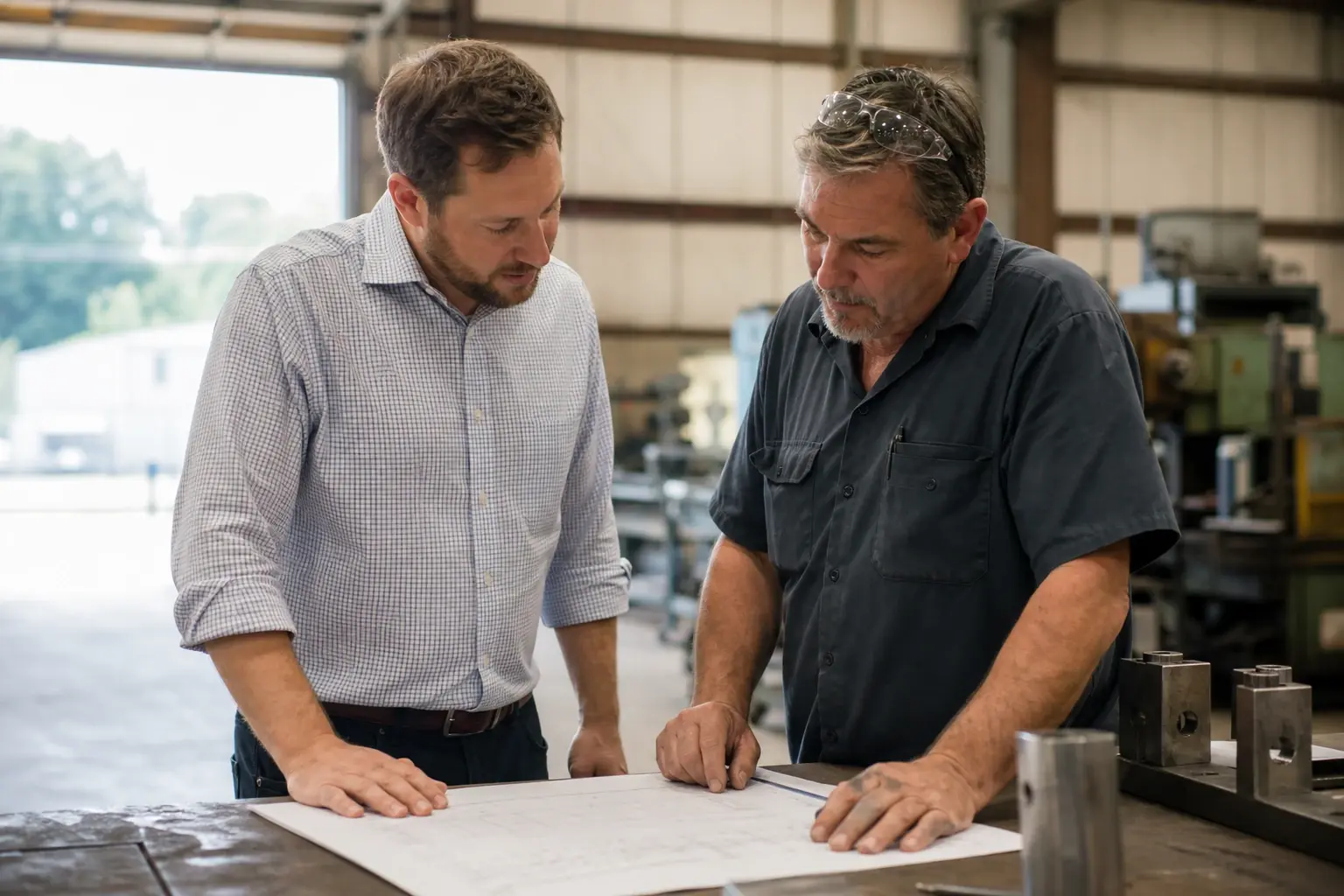
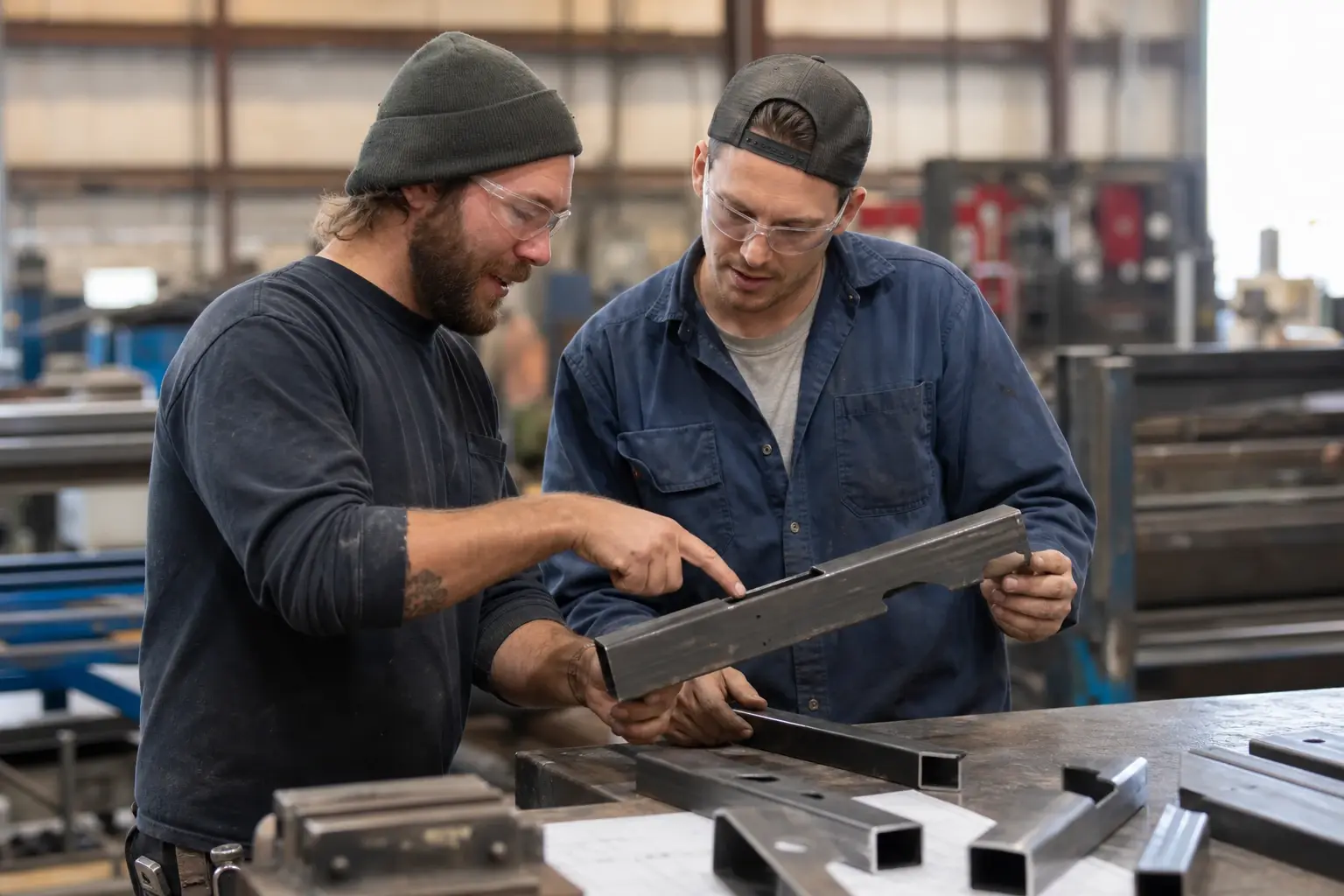
The most valuable fabrication partners do not just process your designs; they improve them. Design for manufacturability (DFM) review during the quoting phase can identify opportunities to reduce part count through cut-and-fold techniques (where the laser cuts three sides of a tube so it folds into a 90-degree joint without welding), optimize material utilization through nesting improvements, and simplify assembly by integrating alignment features directly into the cut geometry.
For OEMs in the early stages of product development, this engineering collaboration can reshape the entire bill of materials. A fabricator who understands tube laser capabilities can suggest design modifications that reduce your total manufacturing cost, not just the fabrication line item.
3. Material Handling and Procurement Capability
High-volume tube fabrication consumes raw material at a rate that requires reliable supply chain management. Evaluate whether the fabrication partner maintains material inventory in common sizes and grades, has established relationships with steel service centers for timely procurement, can handle customer-supplied material (drop-shipped from your preferred supplier), and has the warehouse space to stage material for scheduled production runs.
The best partners operate as an extension of your supply chain, not a separate procurement exercise that you must manage.
4. Quality Systems and Process Documentation
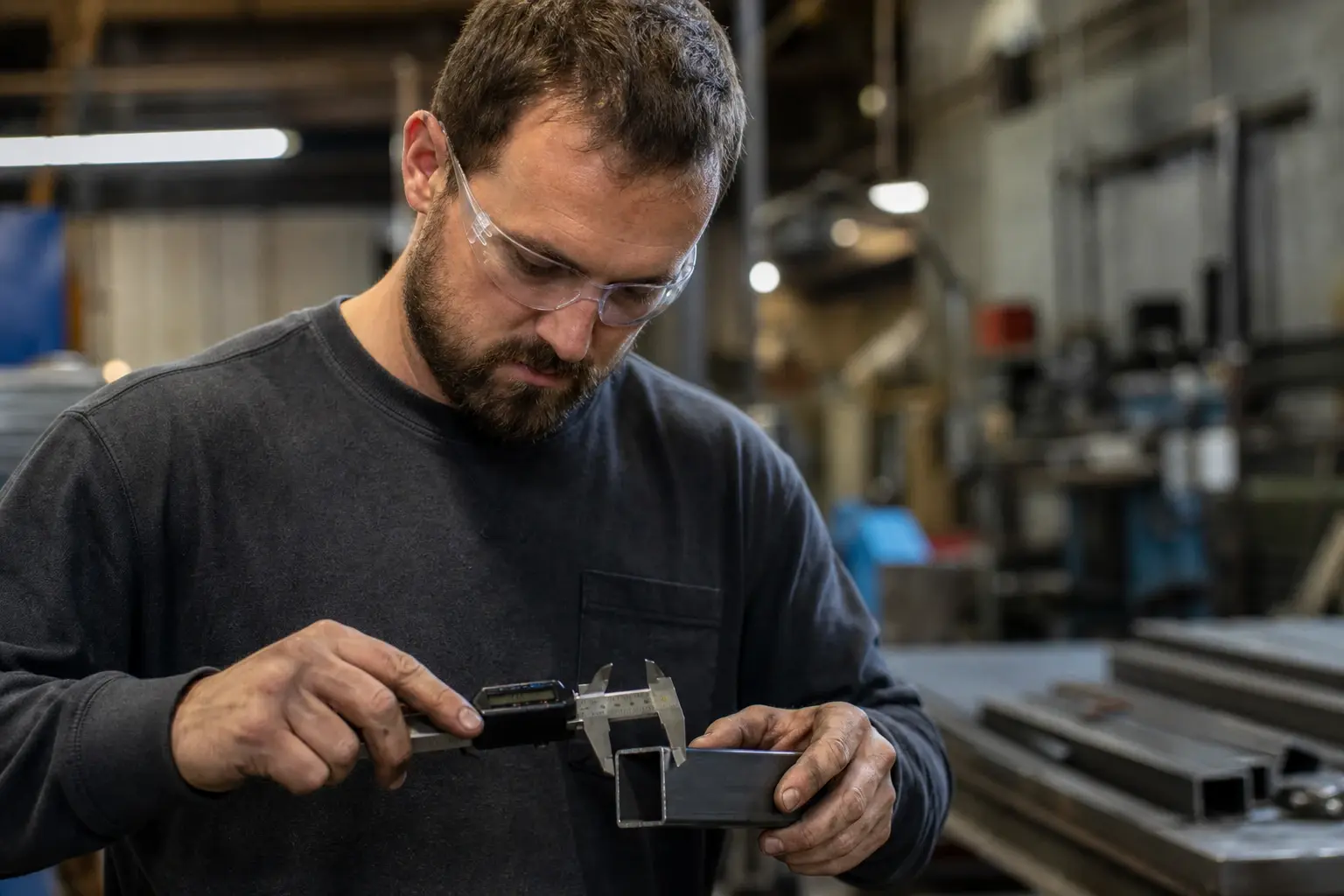
At high volumes, quality cannot depend on operator vigilance. Look for fabrication partners with documented quality processes that include automated dimensional verification inherent to the CNC program, first-article inspection for each part number at the start of every production run, in-process monitoring that flags deviations before they propagate through a batch, and material traceability from raw stock through finished components.
For OEMs serving regulated industries (medical devices, aerospace, food processing equipment), ask about specific certifications and whether the fabricator can provide the documentation packages your customers require.
5. Part Identification and Packaging Practices
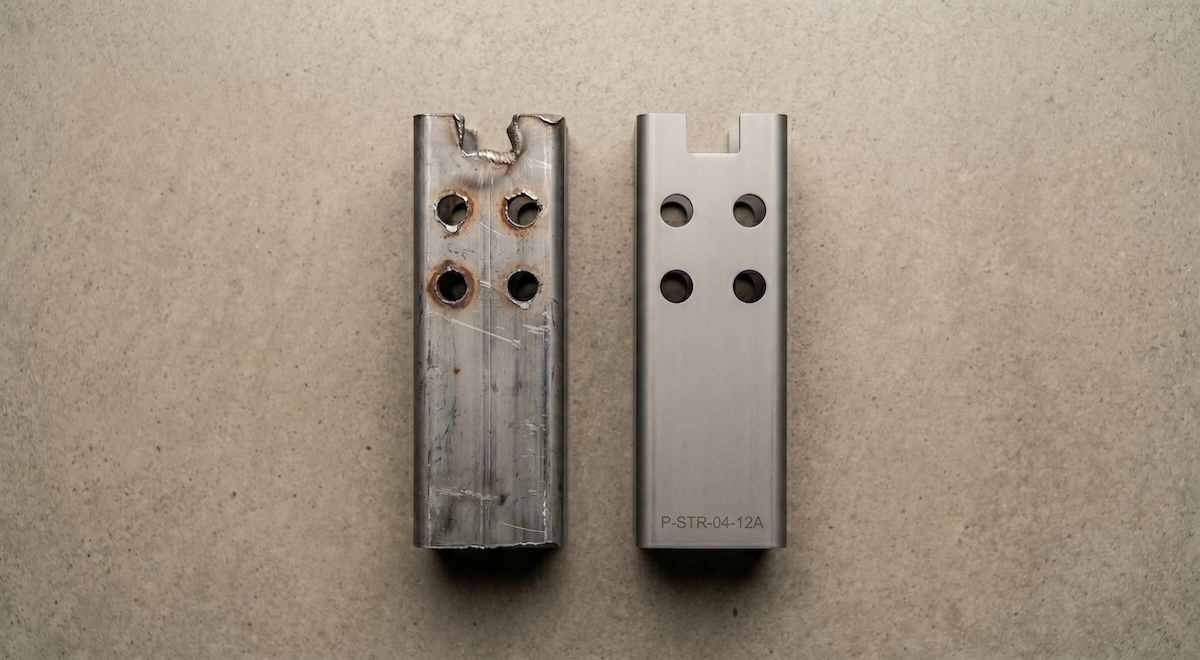
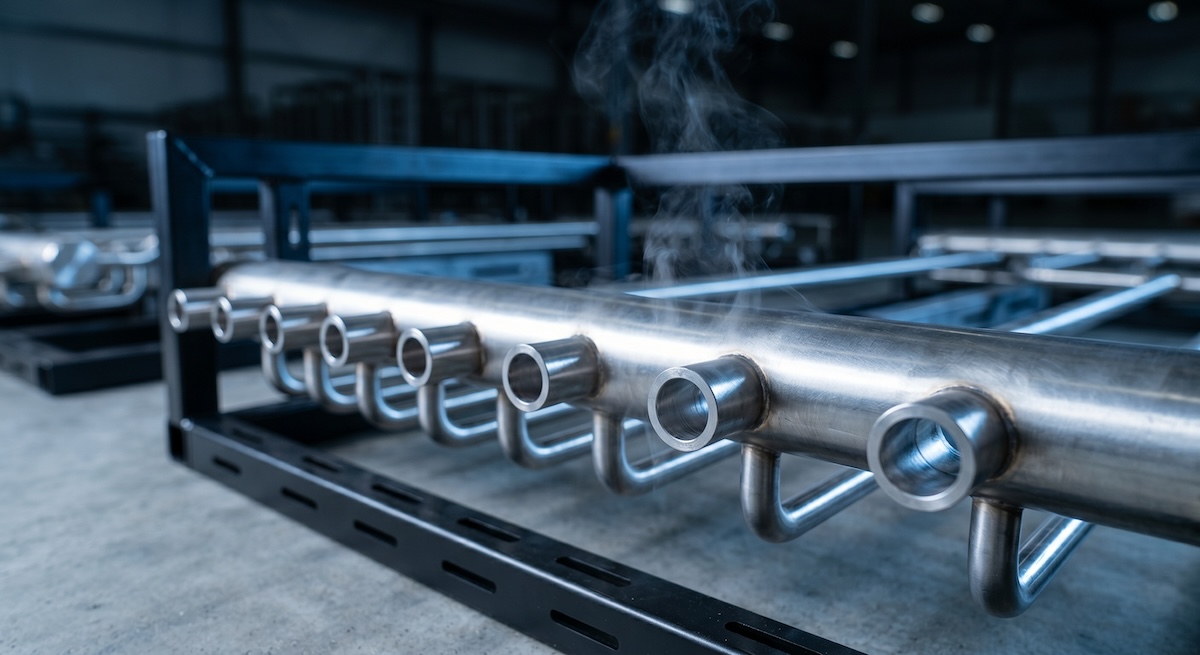
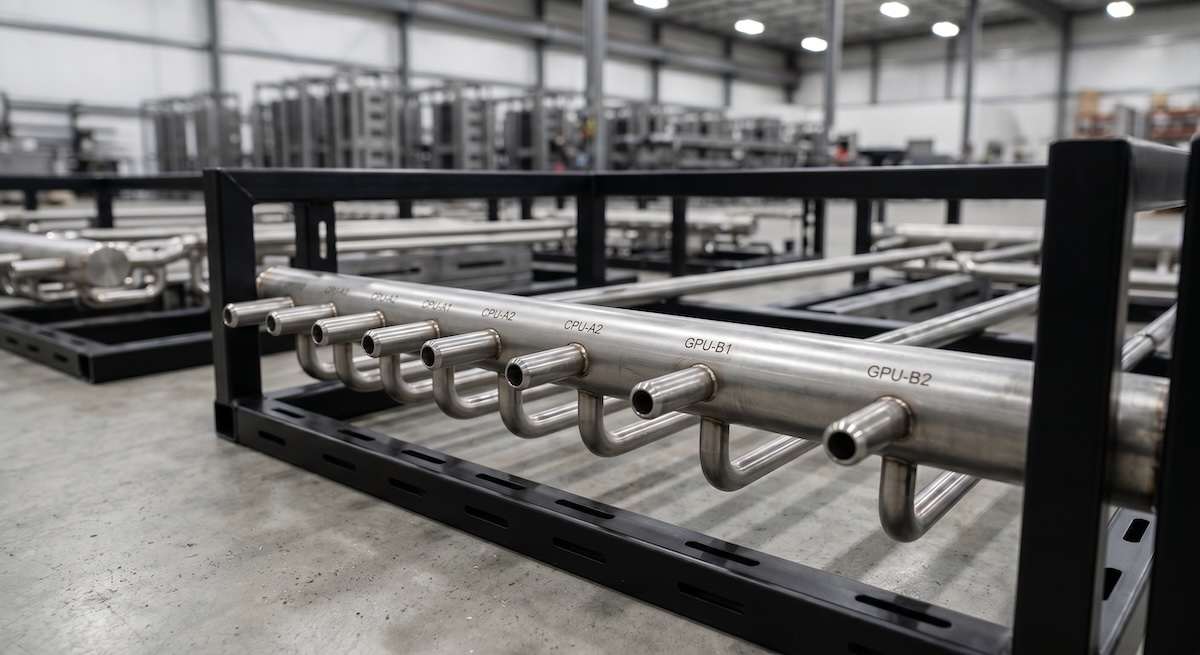
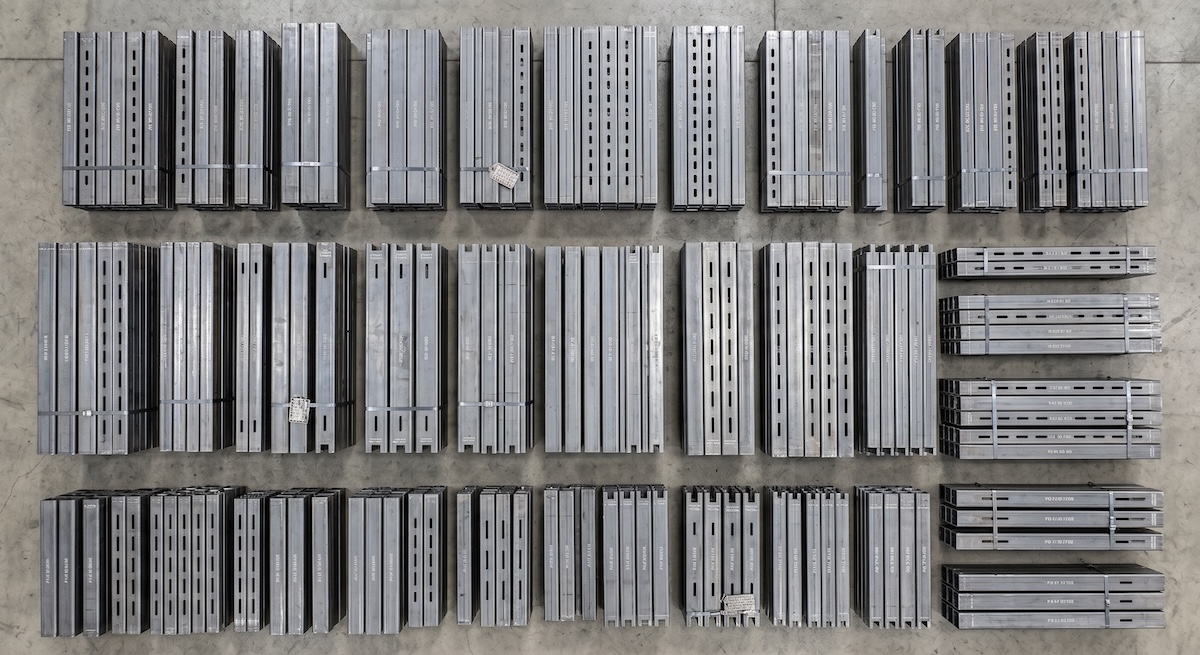
This capability separates high-volume specialists from general job shops. The right fabrication partner etches part numbers, revision levels, and orientation marks directly onto each component during the laser cutting process. These permanent identifications survive handling, storage, and the rigors of a production environment. Parts are bundled by part number and, ideally, organized by assembly sequence or kit configuration based on your production workflow.
Ask for sample packaging from a current high-volume customer. The level of organization and identification you see reflects the operational maturity of the fabrication partner.
6. Capacity Planning and Communication
Volume fabrication is a scheduling relationship, not a series of one-off transactions. Evaluate the fabrication partner's willingness to engage in production forecasting by accepting blanket orders with scheduled releases, commit to fixed lead times for recurring orders, provide advance notice of capacity constraints or material availability issues, and share production status information proactively rather than waiting for you to ask.
The communication cadence between an OEM and its fabrication partner should resemble the communication between internal departments, not the formal distance of a vendor relationship.
7. Scalability
Your current volume is not your future volume. A fabrication partner who is right-sized for your needs today may not have the capacity to grow with you. Evaluate expansion capability by asking about unfilled machine hours (how much additional capacity exists on current equipment), physical space for additional equipment, workforce development and training programs, and track record of scaling with other customers.
A partner whose machines are already running at 95% utilization cannot absorb a 30% increase in your order volume without affecting lead times or quality.
8. Geographic Proximity and Logistics
For just-in-time delivery programs, geographic proximity to your assembly operation reduces freight costs, shortens transit time, and enables emergency deliveries when production demands spike unexpectedly. A fabrication partner located within a day's trucking distance can provide a level of supply chain responsiveness that remote suppliers cannot match, regardless of their technical capabilities.
For OEMs in the western United States, fabrication partners in Southern California offer proximity to one of the largest manufacturing corridors in the country, access to port-adjacent logistics infrastructure, and regional material supply chains that reduce procurement lead times.
The Total Cost of Ownership Framework
The procurement mistake that most OEMs make when selecting high-volume fabrication partners is comparing bids on per-piece pricing without accounting for the total cost of ownership. The Reshoring Initiative, which has worked with over 500 manufacturers on domestic sourcing decisions, consistently finds that the most effective way to evaluate fabrication partners is through total cost rather than unit price.
For tube fabrication specifically, total cost includes the fabrication price per piece (the number on the quote), incoming quality inspection labor at your facility (higher with inconsistent parts), assembly labor affected by dimensional consistency (parts that fit versus parts that require rework), scrap and rework costs driven by fabrication quality, inventory carrying costs influenced by lead time reliability, expediting and premium freight charges caused by delivery delays, engineering time spent on quality complaints and corrective actions, and opportunity cost when fabrication delays push back your production schedule.
A fabrication partner quoting 15% less per piece but delivering parts with inconsistent dimensions, unpredictable lead times, and inadequate labeling will cost you more in total than a partner with higher per-piece pricing but consistent quality, reliable delivery, and production-ready packaging.
To make this concrete: if your assembly operation runs at $150 per hour fully burdened (labor, overhead, equipment) and inconsistent tube components cause 20 minutes of additional fit-up time per assembly, that is $50 per unit in hidden fabrication cost that never appears on the fabricator's invoice. Across 10,000 assemblies per year, that $50 represents $500,000 in manufacturing cost that the right fabrication partner eliminates.
The Reshoring Factor
The current manufacturing environment makes domestic fabrication partner selection particularly important. Trade policy uncertainty and tariffs are pushing OEMs to consolidate supply chains domestically. The 2025 Reshoring Survey of 500 U.S. manufacturers identified a skilled domestic workforce as the single most effective lever for increasing reshoring, ahead of tariffs, currency, tax rates, and regulatory reform.
For OEMs evaluating whether to reshore tube component production from offshore suppliers, the calculus increasingly favors domestic partners with advanced technology. Tube laser fabrication addresses the labor cost concern that historically made domestic fabrication uncompetitive with offshore alternatives. One operator producing the output of three or four conventional machinists fundamentally changes the labor content per part. When combined with the elimination of international shipping lead times (typically 6 to 12 weeks), customs and tariff exposure, and the quality control challenges of managing an overseas supplier, the total cost often favors a domestic tube laser fabrication partner even when the per-piece price is higher.
The key is finding domestic partners who have invested in the technology to be cost-competitive at scale, which brings the evaluation back to the fundamental capability assessment: tube laser processing, machine redundancy, engineering support, and the operational maturity to deliver consistently at high volumes.
Building the Relationship
High-volume fabrication partnerships are built over time, not awarded in a single RFQ cycle. The most successful OEM-fabricator relationships follow a progression.
Start with a trial order that tests the fabricator's process across a representative sample of your part numbers. Evaluate not just the parts themselves but the supporting deliverables: documentation, packaging, labeling, communication, and adherence to the quoted lead time.
Advance to a scheduled production run that tests throughput consistency over multiple deliveries. Monitor dimensional stability across the run, delivery timing relative to commitment, and responsiveness to any issues that arise.
Once confidence is established, move to a blanket order structure with scheduled releases that allows both parties to plan material procurement, machine scheduling, and logistics efficiently.
Throughout this progression, invest in the engineering relationship. Share your product roadmap with the fabrication partner. Invite their input on designs before they are finalized. Treat them as a technical resource, not just a processing service. The fabrication partner who understands your application, your assembly process, and your quality requirements will deliver better results than one who is processing parts in isolation.
Frequently Asked Questions
What production volumes make tube laser fabrication more cost-effective than conventional methods?
The economics favor tube laser fabrication at lower thresholds than most OEMs assume. For parts requiring multiple features (holes, slots, notches, copes), the breakeven typically occurs around 50 to 100 pieces because the tube laser eliminates setup time at multiple conventional machines. At volumes above 500 pieces per part number, the cost advantage compounds because cycle time predictability improves production scheduling, material efficiency gains (scrap rates of 5 to 8% versus 12 to 15% conventional) reduce raw material spend, and labor efficiency (one operator managing multiple machine cycles) lowers the overhead allocation per part. For true high-volume production of 5,000 or more pieces per month, the per-piece cost differential between tube laser and conventional fabrication can range from 15 to 40%, depending on part complexity and the number of features per component.
How do you verify that a fabrication partner can maintain quality across a large production run?
Request a production trial before committing to a long-term relationship. Specify a quantity large enough to test process stability (typically 500 to 1,000 pieces of your most dimensionally critical part number). Measure a statistically significant sample from the beginning, middle, and end of the run, comparing feature positions against your tolerances. Calculate Cpk (process capability index) for critical dimensions; a Cpk of 1.33 or higher indicates the process is well within control limits. Also evaluate the non-dimensional deliverables: part labeling accuracy, packaging organization, delivery timing, and documentation completeness. These operational qualities predict long-term performance as reliably as dimensional data.
What materials can tube laser fabrication handle for high-volume OEM production?
Modern tube laser systems process the full range of materials common in OEM manufacturing. Carbon steel (A500, A513, 1018, 1020) handles the majority of structural and commercial applications. Stainless steel (304, 316L, 409, 430) serves food processing, medical, and corrosion-resistance requirements. Aluminum (6061-T6, 6063-T5) covers lightweight and aesthetic applications. Copper and brass are possible for specialized electrical or plumbing components. The tube laser adjusts power, speed, and assist gas parameters through the CNC program, switching between materials without mechanical changeover. For OEMs with products requiring multiple material types across their bill of materials, this flexibility allows a single fabrication partner to process the complete range of tube components.
How should an OEM structure a fabrication agreement for high-volume recurring orders?
The most effective structure is a blanket purchase order with scheduled releases, typically monthly or weekly, aligned with your production planning cadence. The agreement should specify annual volume commitments (with acceptable variance, typically ±15 to 20%), scheduled release quantities and delivery dates, pricing locked for a defined period (quarterly or annually, with material cost adjustment provisions), quality requirements including dimensional tolerances and acceptable defect rates, part identification and packaging specifications, lead time commitments for both scheduled releases and unplanned orders, and a change management process for design revisions. This structure gives the fabrication partner the demand visibility to plan material procurement and machine scheduling, which directly translates into more reliable delivery and potentially better pricing.
What red flags indicate a fabrication partner may not be ready for high-volume production?
Several warning signs emerge during the evaluation and trial phases. The shop relies exclusively on conventional multi-step fabrication with no CNC-controlled processing, which means quality and throughput depend entirely on operator skill. The fabricator cannot provide references from other high-volume OEM customers. Lead time quotes are vague ("4 to 8 weeks") rather than specific, suggesting the shop does not have production scheduling discipline. Parts arrive with adhesive labels rather than permanent etched identification. Packaging is disorganized with parts loose in boxes rather than bundled by part number and orientation. The fabricator is resistant to first-article inspection or production capability studies. And perhaps most telling, the shop has no machine redundancy: a single cutting machine with no backup means your delivery schedule has zero buffer against equipment downtime.
Blueline Industries operates multiple tube laser systems from its Riverside, California facility, providing custom tube fabrication for high-volume OEM manufacturing, infrastructure, data center, and construction clients. The company delivers production-ready components with etched part identification, bundled packaging by assembly sequence, and engineering support for design optimization. For production fabrication quotes, visit bluelineind.com or call (951) 833-5597.


.png)