Quick Summary
- A tube shop can quote a data center job fast when the RFQ package arrives complete: drawings, material specs, finish, scope boundaries, and delivery needs.
- Missing pieces cause assumptions, and assumptions cause re-quotes and late clarifications.
- Send current revisions only, and say what is included, excluded, or an alternate.
- Tell the shop how parts must ship and in what order, not just when.

A data center fabrication RFQ checklist comes down to five things: current drawings and 3D models, material and finish specs, clear scope boundaries, delivery sequence, and one contact who can answer questions. Send those together and your tube shop can quote without guessing.
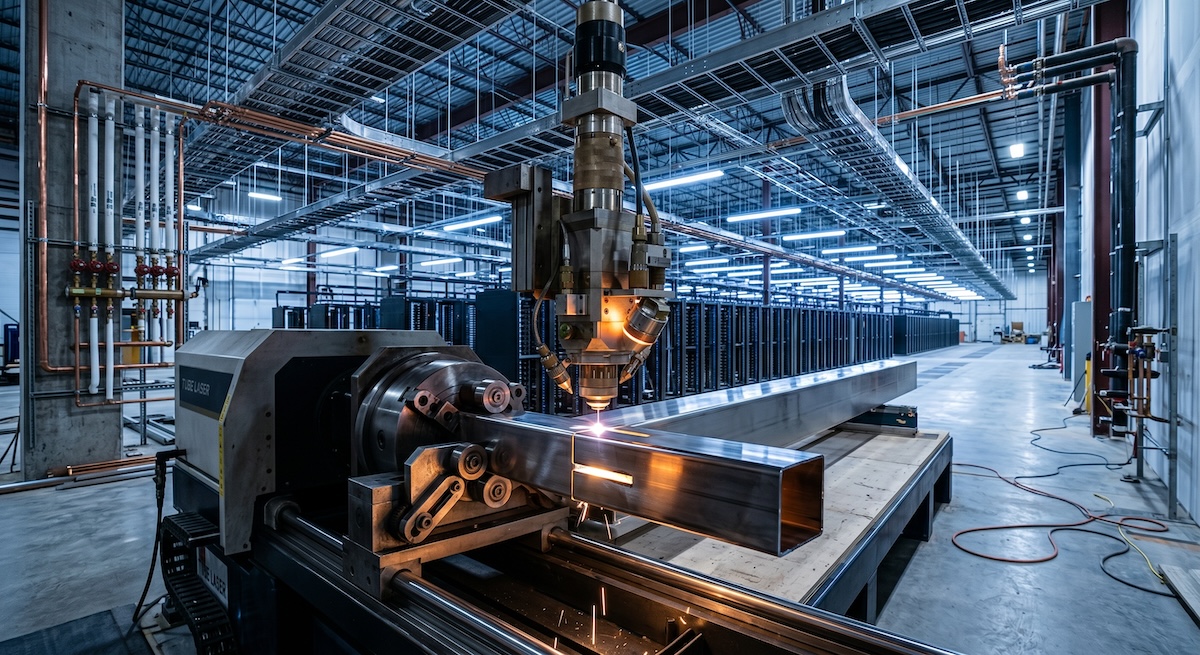
Blueline Industries runs tube laser cutting out of Chino, CA, and quotes tube work for data center builders. A quote is only as good as the package behind it. This post lays out what to send, why each item matters, and how to keep the package clean as the design changes.
For background on how Blueline approaches this work, see our tube laser cutting for data center and AI infrastructure page.
What Should a Data Center Fabrication RFQ Include?
A complete RFQ includes current drawings and 3D models, material type, grade and wall thickness, finish requirements, quantities, scope boundaries, delivery and sequence needs, and a named contact. The goal is to let the shop price the work without making assumptions that you later have to correct.
Fabricator bid checklists cover much of the same ground. One steel bid package checklist groups items into drawings, specifications and addenda, scope boundaries, schedule and logistics, and a contact path. It states that "Complete information reduces pricing gaps, late clarifications, and scope assumptions after award." That holds for tube work too.
The package at a glance
ItemWhat to sendWhat goes wrong without itDesign dataCurrent drawings with revision and issue date, plus 3D CAD modelsThe shop quotes an old revisionMaterialTube shape, size, wall thickness, grade, and any sourcing rulesMaterial gets assumed, then changedFinishCoating or finish notes, and who applies themFinish scope is unclear and left out of the priceScopeWhat is included, excluded, or an alternateOverlap with other trades goes unnoticedDeliveryShip address, sequence, packaging, and site access limitsParts arrive in an order the crew cannot useContactOne person who can answer questions and a deadline for themQuestions sit unanswered while the quote waits
Which Drawings and Models Does a Tube Shop Need?
A tube shop needs the current structural or mechanical drawings that show the tube parts, the revision and issue date, and 3D CAD models where they exist. Models carry most of the geometry. Drawings carry the notes, tolerances, and weld details the model does not show.
Another fabricator's RFQ guidance puts it the same way: current drawings and 3D CAD models contain most of the key tolerance and geometry information. Send both when you have both.
Always mark the current revision. A quote built on a stale drawing is a common reason a price changes after award. If a revision is coming, say so in the package and name the date.
Include any sheets from other disciplines that touch the tube parts, such as equipment layouts or support details. If the tube supports hold up cooling or power equipment, the shop needs to see what they carry.
How Should You Describe Material and Finish?
Name the tube shape, outside dimensions, wall thickness, material grade, and finish for every part family. Do not write "stainless" or "steel" alone. Grade and wall thickness drive cutting setup, handling, and what the shop can nest in one pass.
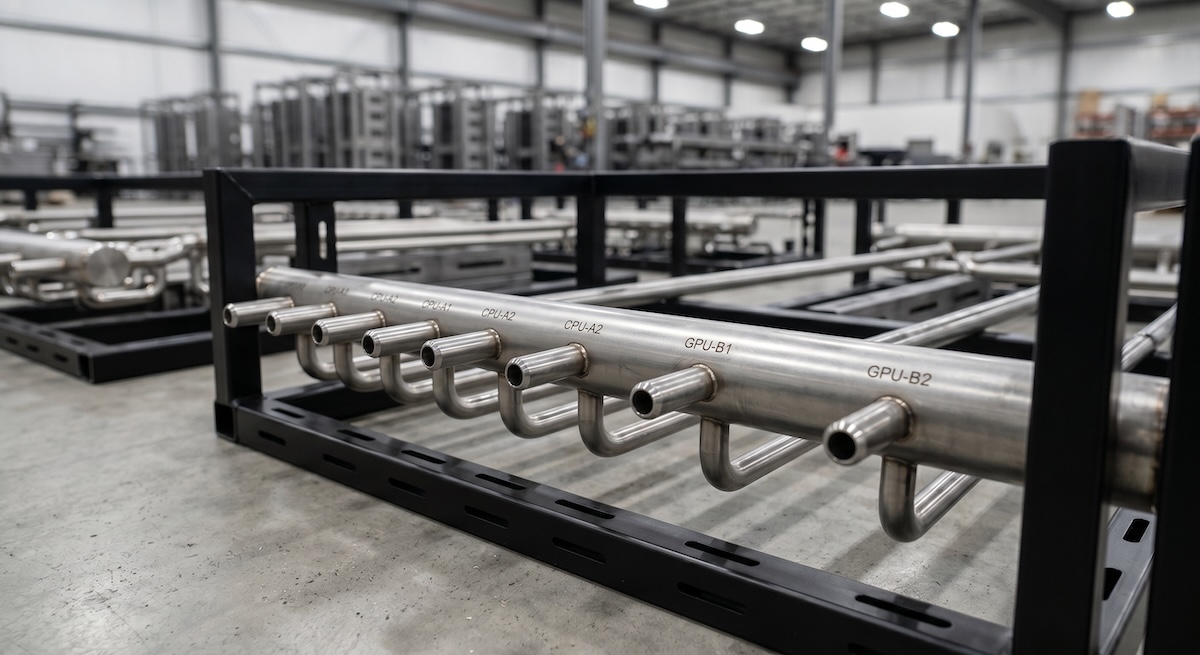
Blueline processes steel and stainless steel tube. For cooling and process piping, stainless is common, and our stainless steel tube processing page covers what we cut. If the design allows more than one grade, list the options and rank them.
State who supplies the material. If you are furnishing it, say so and give the delivery date. If you expect the shop to source it, add any sourcing rules, such as domestic only or mill test reports required.
List finish requirements by part. Name any coating or surface preparation and say whether the shop applies it or another vendor does. Finish scope left blank is a pricing gap.
Why Do Scope Boundaries Matter on a Data Center Job?
Scope boundaries tell the shop what it is pricing and what belongs to someone else. Data center projects involve many trades working close together, so unclear boundaries create gaps and overlaps. Write down what is included, excluded, or priced as an alternate.
Be specific about the edges. If the shop is cutting and delivering tube parts but not welding or assembling them, say that. If you want an alternate price for a different material or a larger quantity, ask for it as an alternate rather than mixing it into the base price.
The same steel bid checklist suggests writing down exactly this: what steel scope is included, excluded, or an alternate, along with known exclusions and items handled by others. It also notes the checklist is general guidance, and that project-specific scope should be confirmed against drawings, specifications, addenda, and written scope notes.
How Do You Describe Delivery and Sequence?
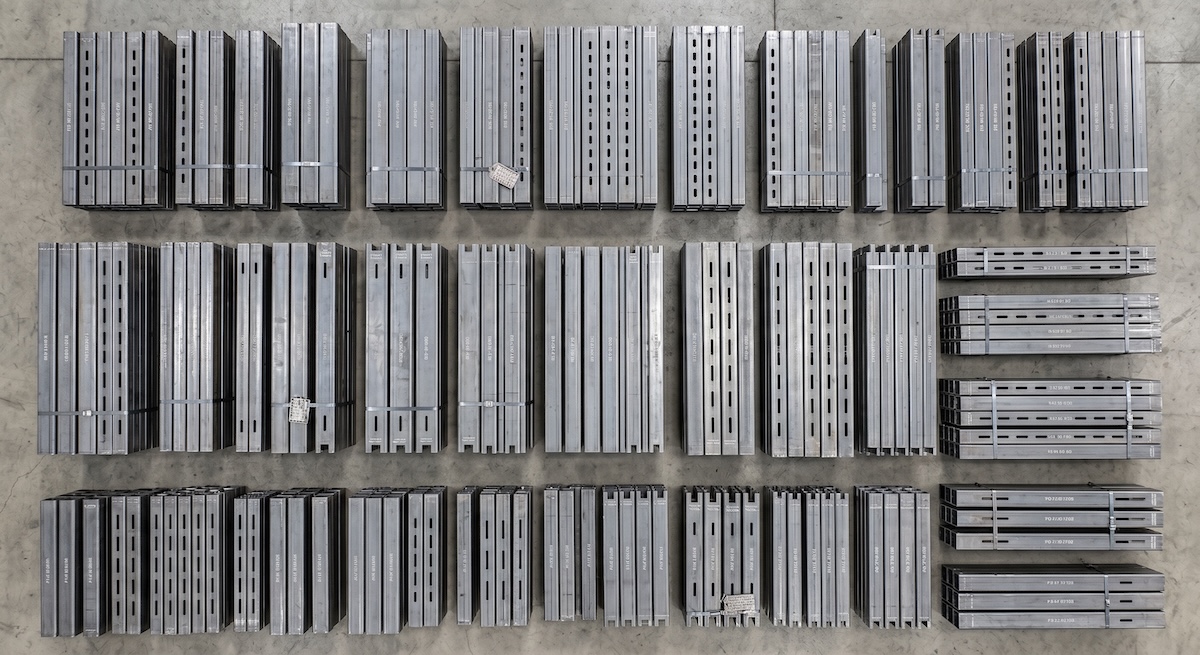
Describe delivery by sequence, not just by date. Tell the shop which parts the crew needs first, how parts should be bundled or labeled, and any limits at the site such as access windows or laydown space. Sequence drives packaging, so it belongs in the RFQ.
Our post on shipping data center steel in install order goes deeper on this. The short version: if the install crew works zone by zone, ask for parts grouped the same way.
Give the shop your target delivery window and the date you need a quote back. Do not expect a fixed turnaround from a vague package. Blueline does not promise lead times in advance, because they depend on material, quantity, and schedule. A clear package lets us give you a realistic answer.
Also say how parts should be packed. Packaging requirements affect how the shop handles finished tube, and they are easy to overlook until parts are ready to ship.
What Does This Look Like on a Real Project?
Blueline processed 16 truckloads of stainless steel for an AI data center cooling project in Sacramento in 2025. A job of that size shows why the RFQ matters: with that much material moving, clear grade, quantity, and delivery information keeps everything lined up from first quote to final truck.
We do not publish further details on that project. The point is general: the bigger the job, the more a missing line in the RFQ costs.
How Do You Keep the Package Clean When the Design Changes?
Keep one revision log, send full replacement files instead of marked-up copies, and tell the shop what changed and why. Date every revision. Ask the shop to confirm in writing which revision its quote is based on.
Design changes are normal on data center work. What hurts is a change that reaches the shop by email thread or phone call with no updated file. A short change note and a fresh model avoids rework. Our data center fabrication lead times post covers which parts of the schedule you control.
Frequently Asked Questions
What is a data center fabrication RFQ?
A request for quote is the package you send a fabricator so it can price and schedule your parts. For data center work it covers drawings, material, finish, scope, quantities, and delivery needs.
Should I send 3D models or only drawings?
Send both when you have them. Models carry geometry, and drawings carry notes, tolerances, and weld details. Mark which files are current.
How much detail do I need on material?
Give shape, outside size, wall thickness, and grade for every part family. If you are flexible on grade, list acceptable options in priority order.
Can I request alternate pricing in the same RFQ?
Yes. Ask for alternates as separate line items so the base price stays clear. Alternates work well for a different material or a larger quantity.
Does Blueline promise a quote turnaround or lead time?
No. Lead times depend on material, quantity, and schedule. A complete package gives us what we need to give you an accurate answer.
Send Your Package, Get a Real Answer
If you have a data center tube package ready, or want to check what is missing before you send it, our team in Chino, CA can review it. Get a Quote or call (951) 833-5597. Made in America, built on integrity.