Introduction
If you have ever wondered how metal tubes and structural profiles end up with clean edges, precise holes, and complex notches without a single weld seam out of place, the answer is usually tube laser cutting. This process has become one of the most reliable ways to turn raw round, square, or rectangular tube stock into finished components ready for assembly. In this guide, you will learn what tube laser cutting is, how the process actually works step by step, what it can do that older cutting methods cannot, and how to tell whether it is the right fit for your next project.
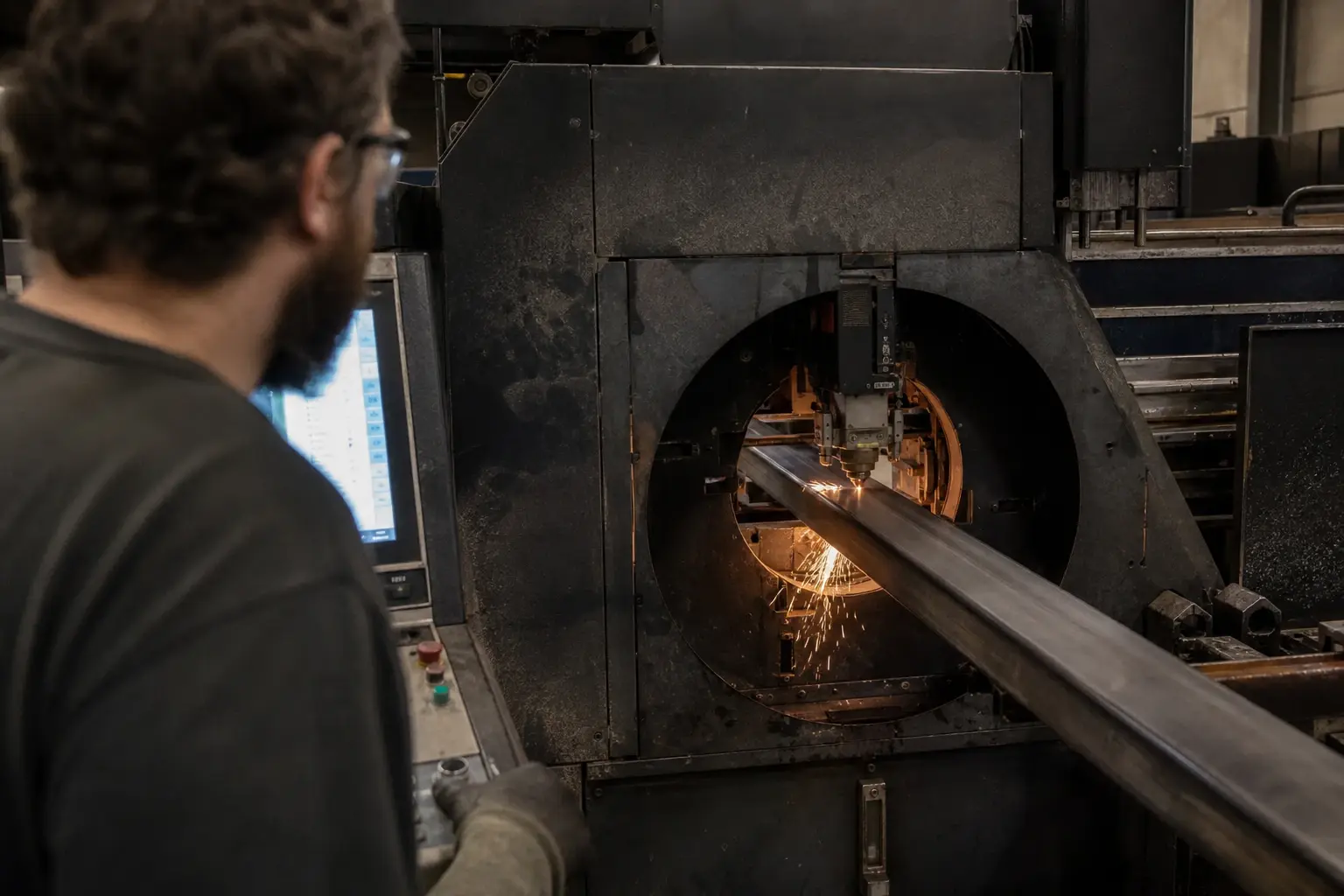
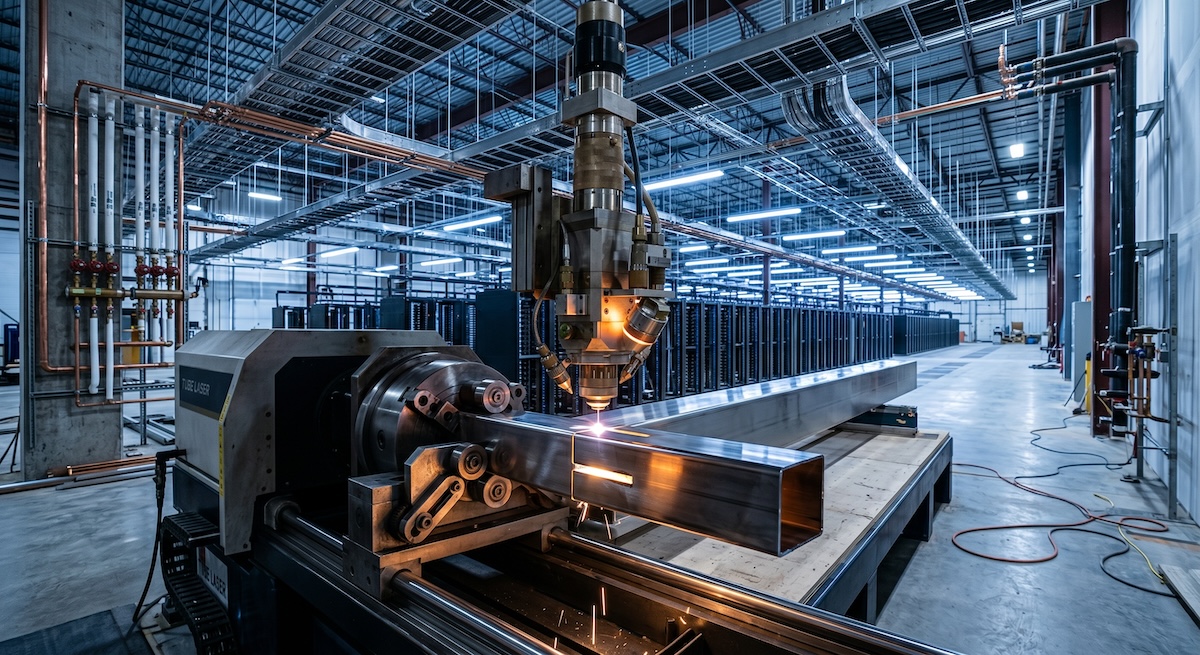
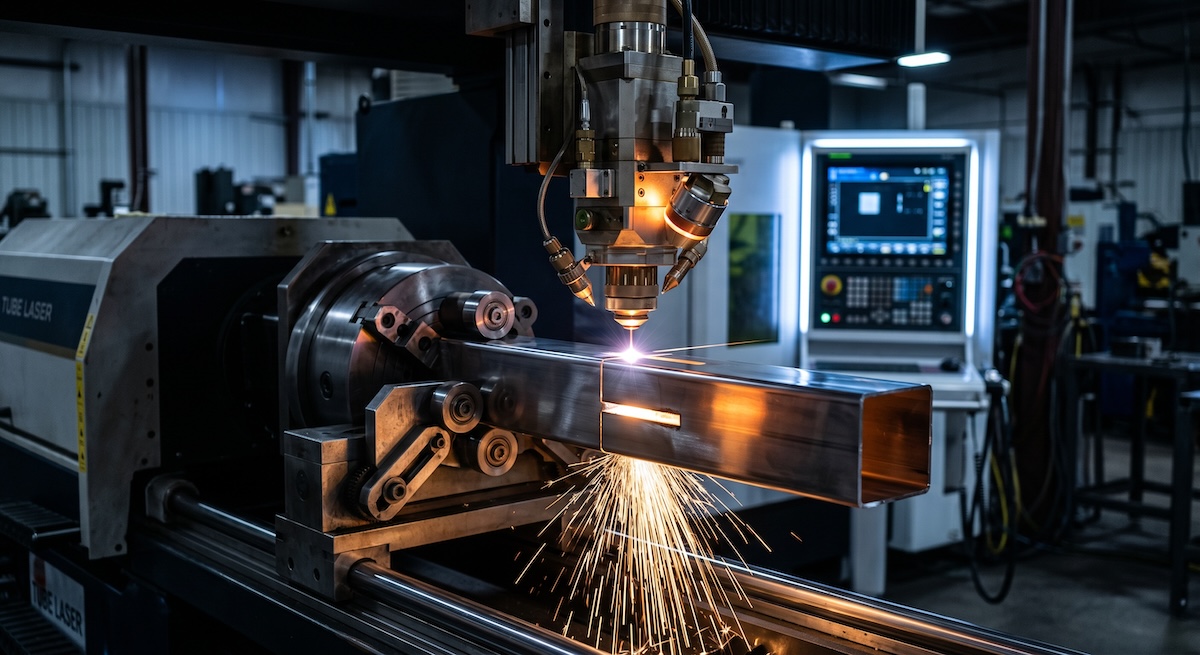
[IMAGE: A tube laser cutting machine actively cutting a metal tube, with visible laser sparks and the cutting head in motion]
Quick Summary
What Is Tube Laser Cutting?
Tube laser cutting is a manufacturing process that uses a high-powered laser to cut metal tube and structural profiles directly from a CNC program, rather than cutting flat sheet and rolling or welding it into a tube afterward. The tube is fed into the machine, rotated and positioned automatically, and cut according to a digital design file. The laser can cut straight lines, curves, holes, slots, and notches anywhere along the length or circumference of the tube in one continuous run.
Direct answer: Tube laser cutting is a CNC process that uses a focused laser beam to cut and shape round, square, or rectangular metal tubing into finished parts, combining cutting, piercing, and notching into a single automated operation instead of multiple manual fabrication steps.
This is different from flat sheet laser cutting, where a laser cuts a two-dimensional pattern out of flat metal that is later formed or welded into a three-dimensional shape. Tube lasers work on the finished tube profile itself, which is why the process is sometimes called "3D tube cutting" even though the underlying technology is the same fiber laser cutting principle used on sheet metal.
How Does Tube Laser Cutting Work?
The process follows a consistent sequence regardless of the part being produced.
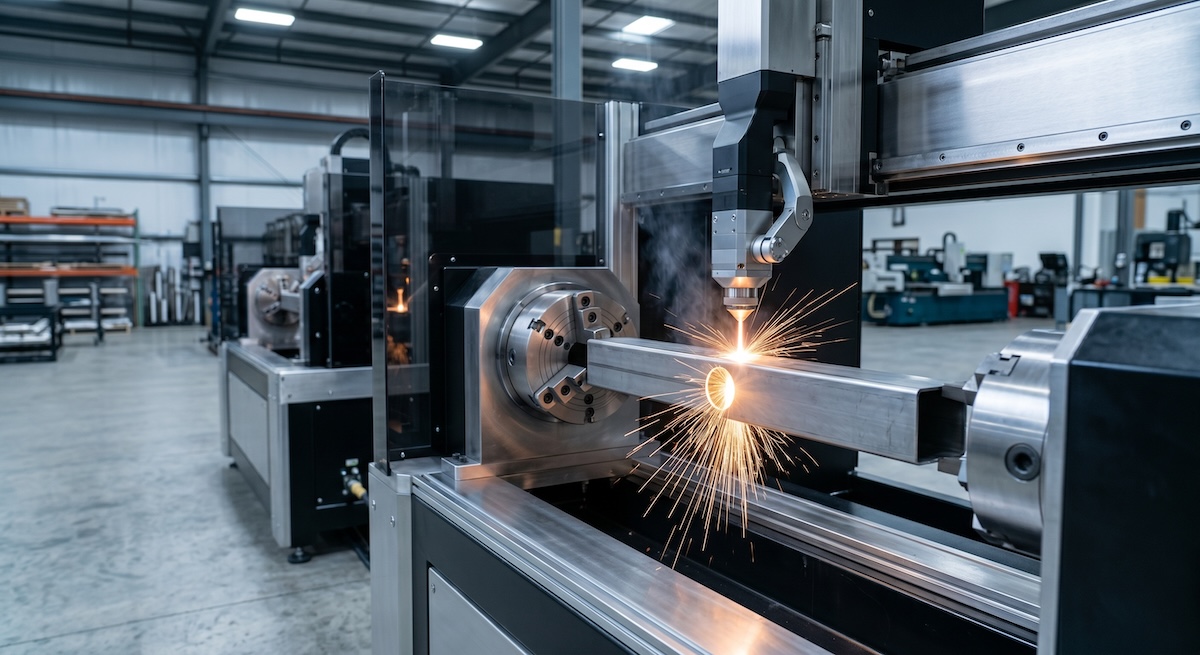
[IMAGE: Close-up of a tube laser cutting head making an angled bevel cut on a square tube profile]
Why Manufacturers Use Tube Laser Cutting Instead of Traditional Methods
Before tube lasers became widely available, cutting and shaping metal tube typically required a combination of saws, drill presses, punches, and manual notching tools, often across several separate machines and setups. Every transfer between machines introduced the chance for measurement error and added time to the schedule.
Tube laser cutting consolidates most of that work into a single operation. At Blueline Industries, this single-operation approach is a core part of how tube laser jobs are run, and it produces measurable differences compared to conventional multi-step fabrication:
FactorTraditional Multi-Step FabricationTube Laser Cutting (Single Operation)Setup between operationsRequired for each tool or machineEliminated; one program runs the full profileTolerance consistencyVaries with each handling stepTight and repeatable, down to plus or minus 0.003 inchNotching and piercingSeparate drilling or punching stepsDone in the same pass as the cutAngled or beveled edgesOften requires secondary machiningAchievable directly with 5-axis cutting headsScrap and rework riskHigher due to multiple handoffsLower due to fewer manual transfers
Because the tube stays in one machine from start to finish, shops that rely on single-operation tube laser processing report meaningful reductions in cost and setup time between jobs, along with lower scrap rates compared to older multi-step methods.
Materials and Diameters: What Can a Tube Laser Cut?
Tube lasers are commonly used on:
Industrial tube laser platforms, including the type used at Blueline Industries, can process profiles up to about 13 inches in diameter. Thin-walled materials can be cut at speeds up to 1,150 inches per minute on capable equipment, which matters for shops running higher production volumes where cycle time directly affects delivery schedules.
Real-World Applications of Tube Laser Cutting
Tube laser cutting shows up in more industries than most people expect. A few examples illustrate the range:
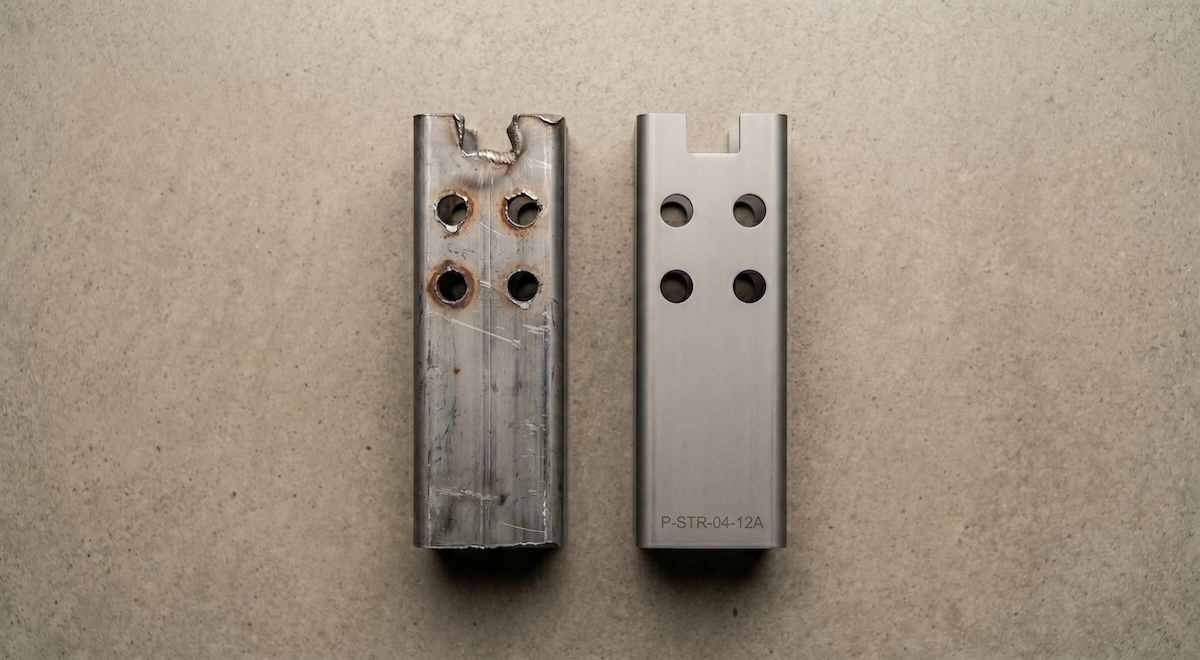
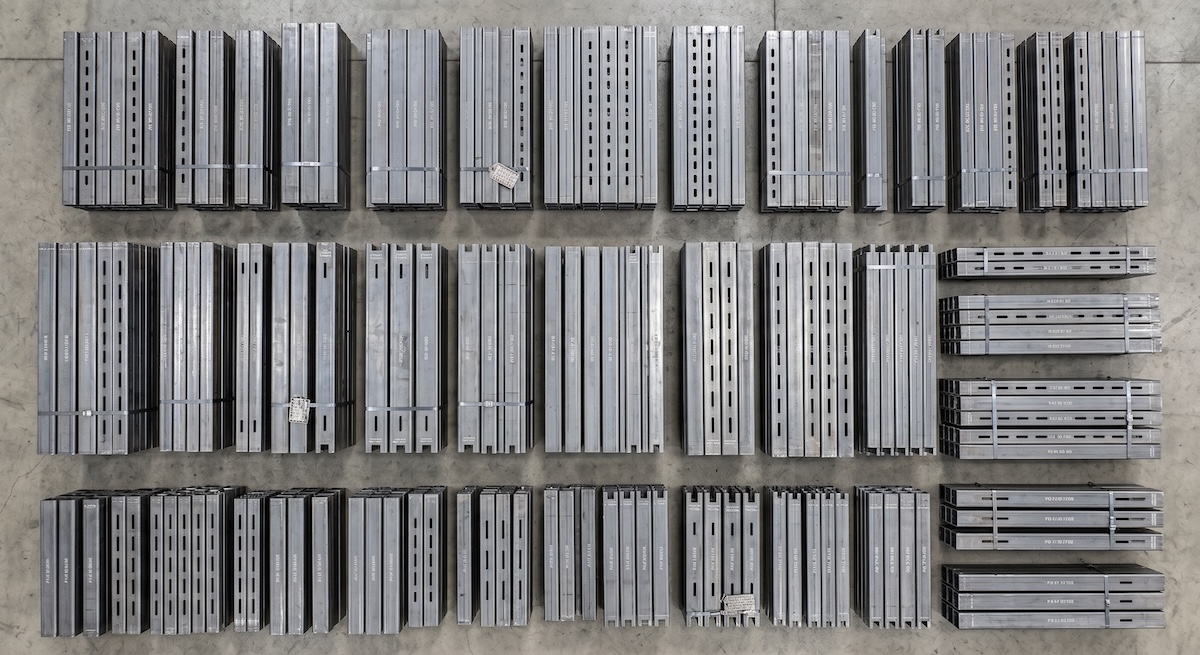
[IMAGE: Finished tube laser cut structural steel components, bundled and labeled with etched part numbers, ready for shipment]
Tube Laser Cutting at a Glance
How to Choose a Tube Laser Cutting Partner
Not every fabrication shop runs the same equipment or holds the same tolerances, so it helps to ask a few direct questions before committing to a vendor:
Conclusion
Tube laser cutting has changed how manufacturers approach tube and structural fabrication. Instead of moving material through several machines and manual steps, a single CNC-programmed laser can cut, pierce, and notch a tube in one pass, holding tight tolerances along the way. That translates into faster turnaround, more consistent parts, and fewer opportunities for error between the raw material and the finished component.
If you have a project that involves round, square, or rectangular tube, whether it is a one-off prototype or a high-volume production run, Blueline Industries can walk through your specifications and explain how their tube laser platforms and 5-axis capability apply to your part. Contact Blueline Industries at (951) 833-5597 to discuss your tube fabrication project and request a quote.
Frequently Asked Questions
What is the difference between tube laser cutting and sheet laser cutting?
Sheet laser cutting cuts flat patterns out of flat metal sheet, which are then formed, bent, or welded into a final shape. Tube laser cutting works directly on the finished tube or structural profile, cutting, piercing, and notching it in its final round, square, or rectangular form without needing to flatten or reform the material afterward.
How accurate is tube laser cutting?
Accuracy depends on the equipment and the shop running it, but modern tube laser platforms can hold tolerances as tight as plus or minus 0.003 inch. This level of precision is one of the main reasons manufacturers choose tube laser cutting over manual cutting and drilling methods.
What materials can be cut with a tube laser?
Tube lasers commonly cut carbon steel, stainless steel, and aluminum tube, along with select specialty alloys. The right choice depends on the application, with material selection affecting cutting speed, edge quality, and downstream processing like welding or bending.
Can tube laser cutting create angled or beveled edges?
Yes. Tube laser machines with 5-axis capability can tilt the cutting head to produce beveled or angled edges directly during the cutting process, which removes the need for separate machining steps to achieve those angles.
Is tube laser cutting cost-effective for small production runs?
It can be, particularly compared to methods that require multiple machines and manual handling. Because tube laser cutting handles cutting, piercing, and notching in one operation, setup time between jobs is reduced, which helps keep costs reasonable even on smaller runs. Talking with a fabrication shop about your specific part and volume is the best way to get an accurate cost picture.


.png)