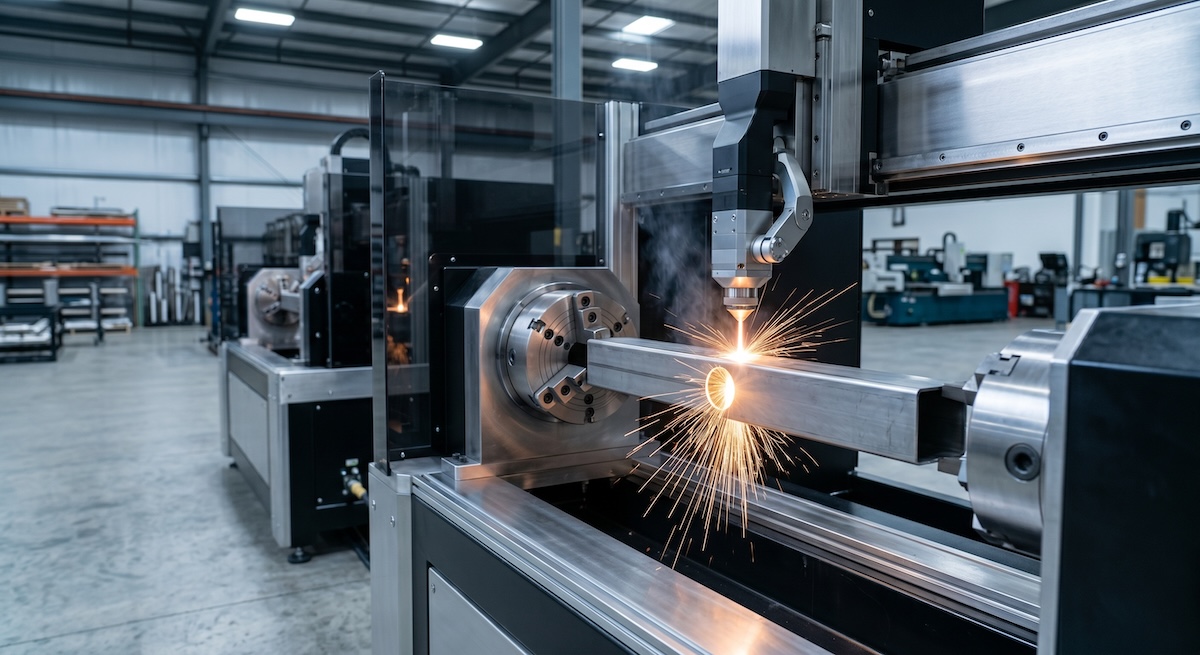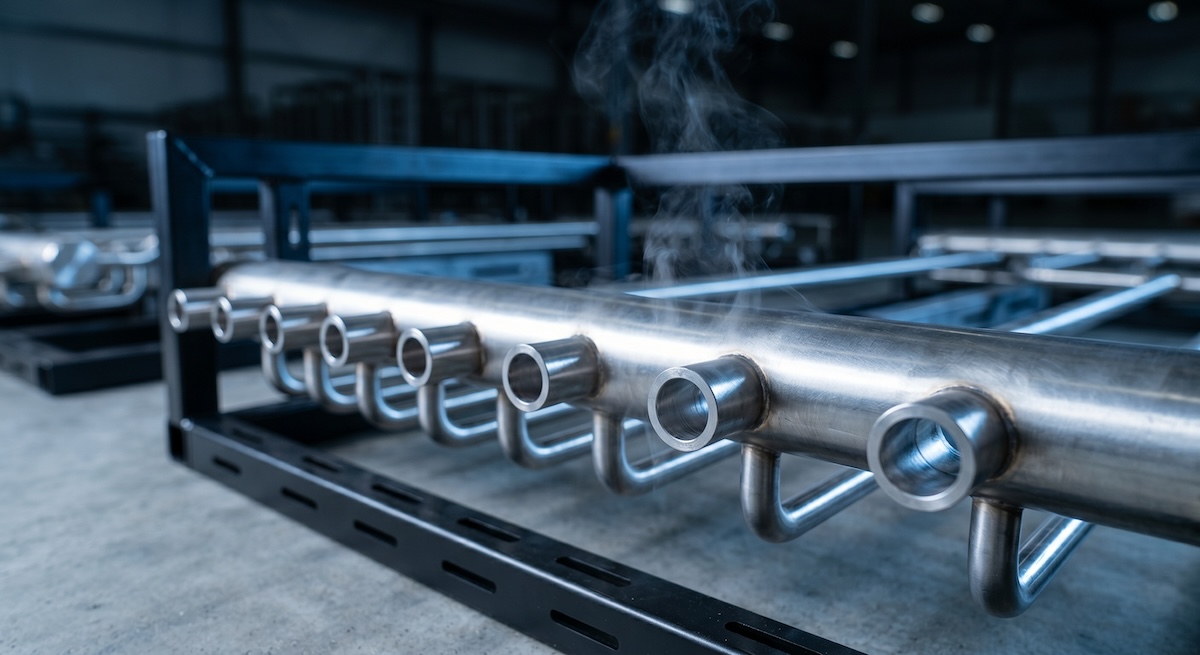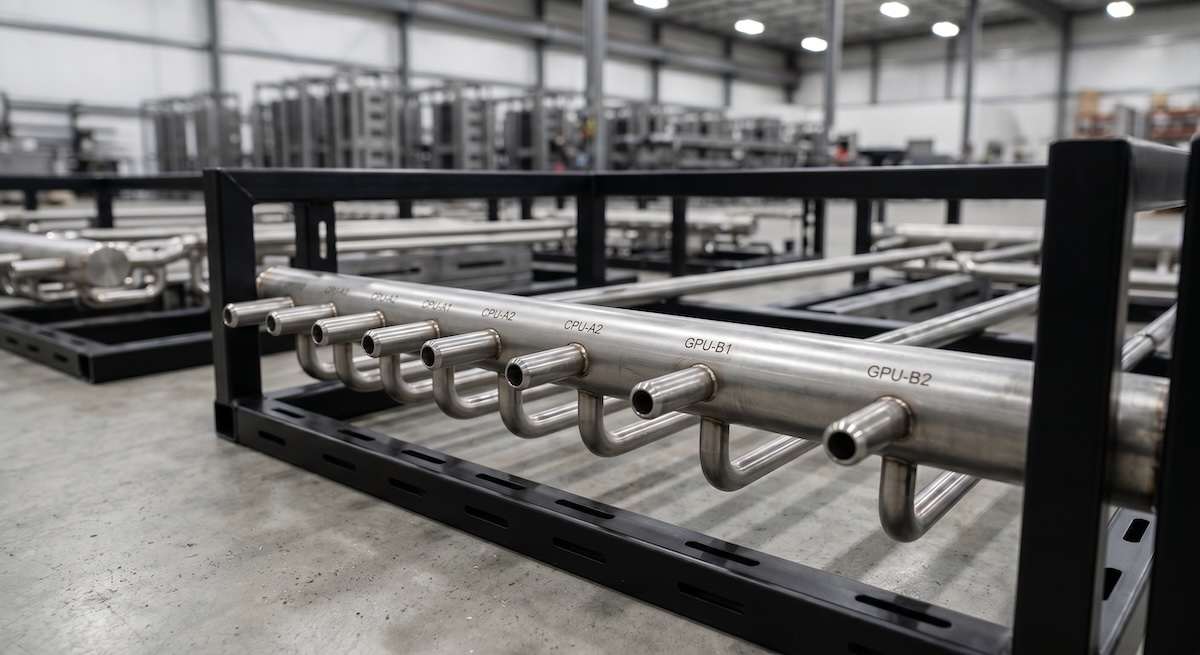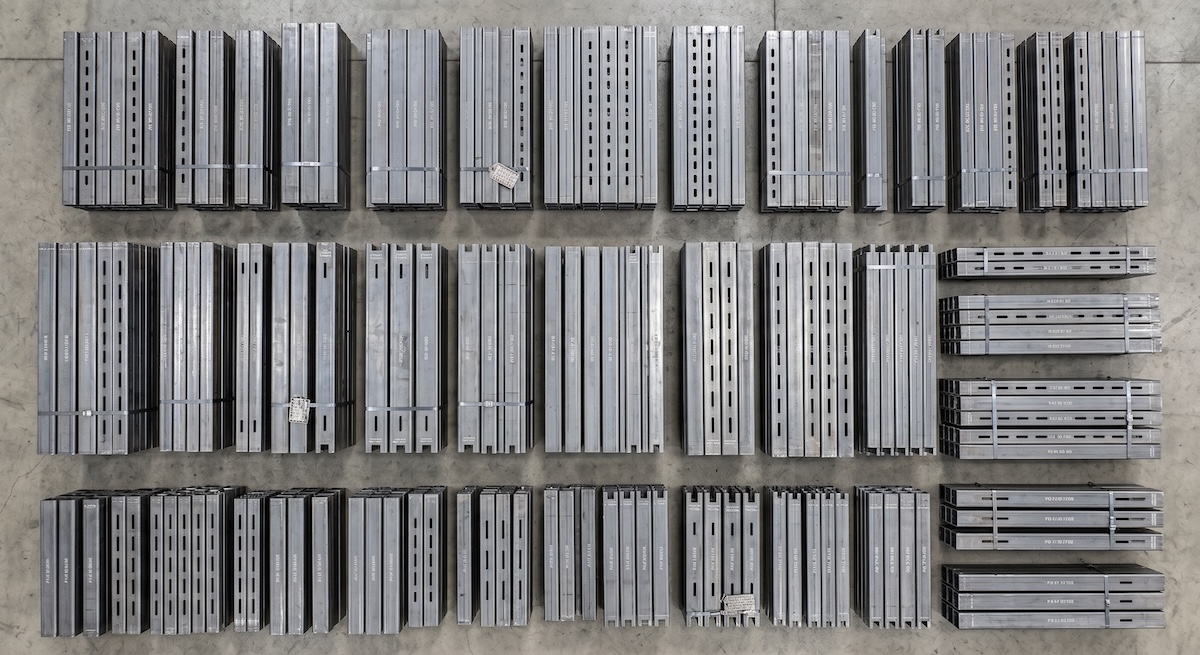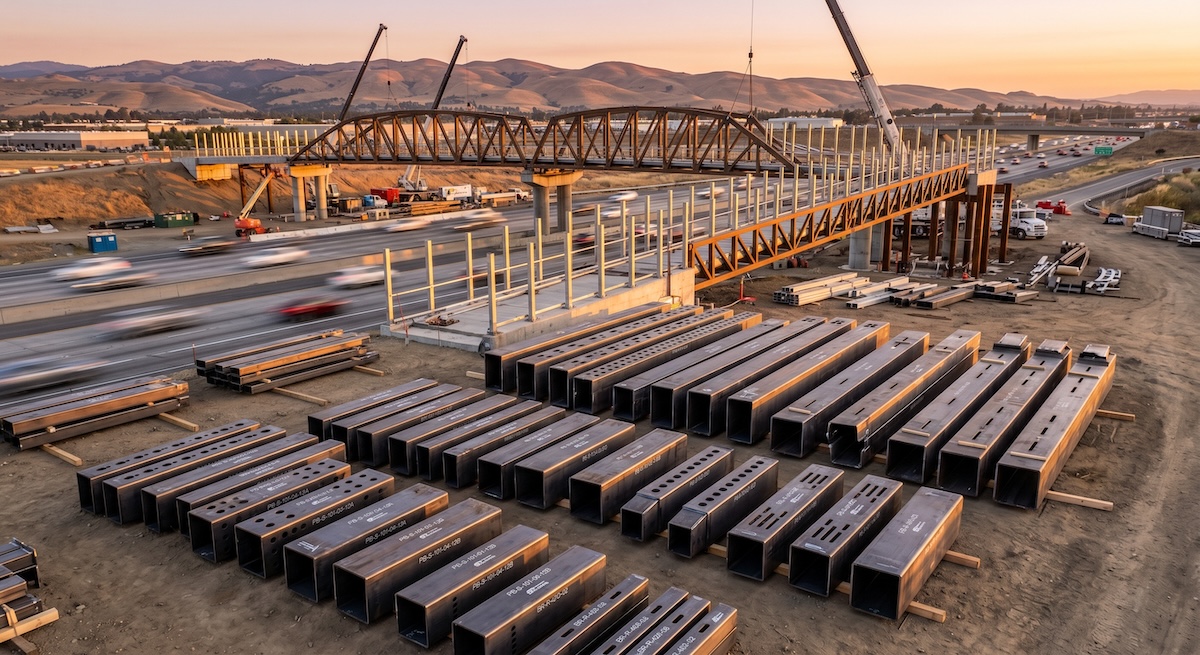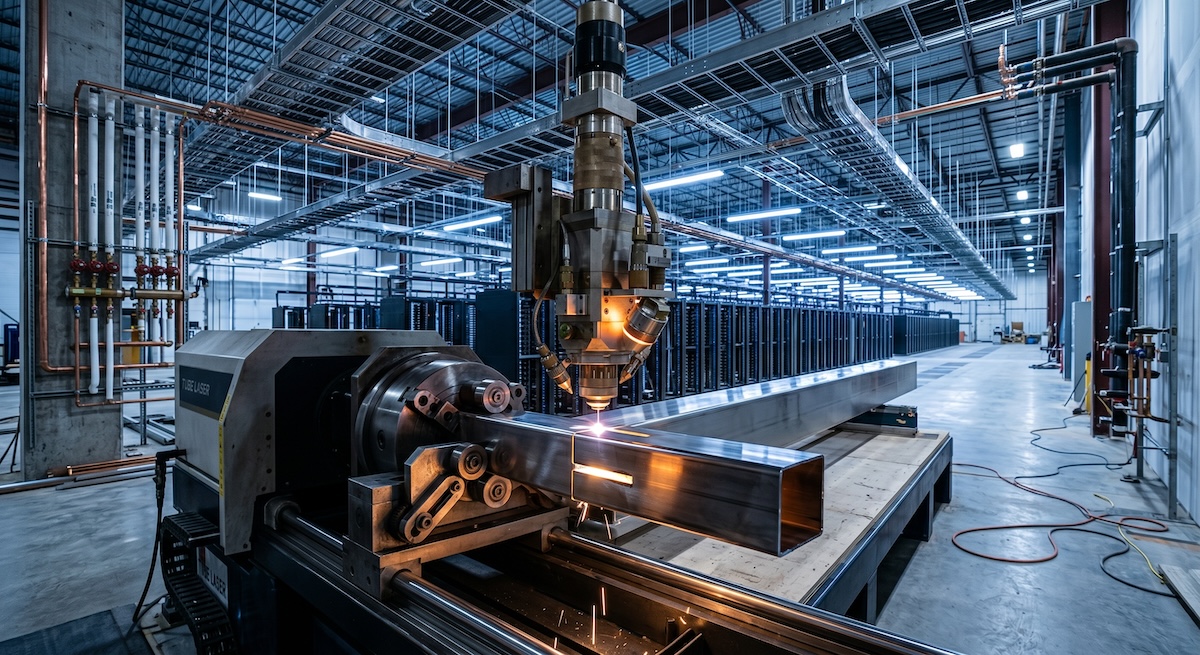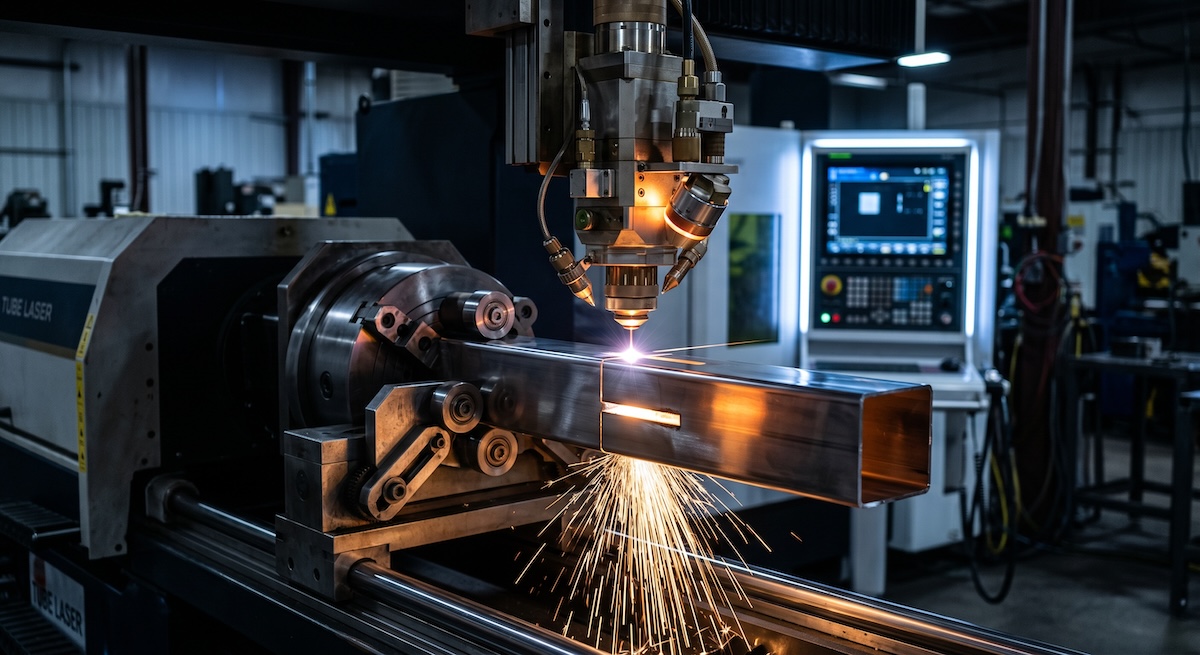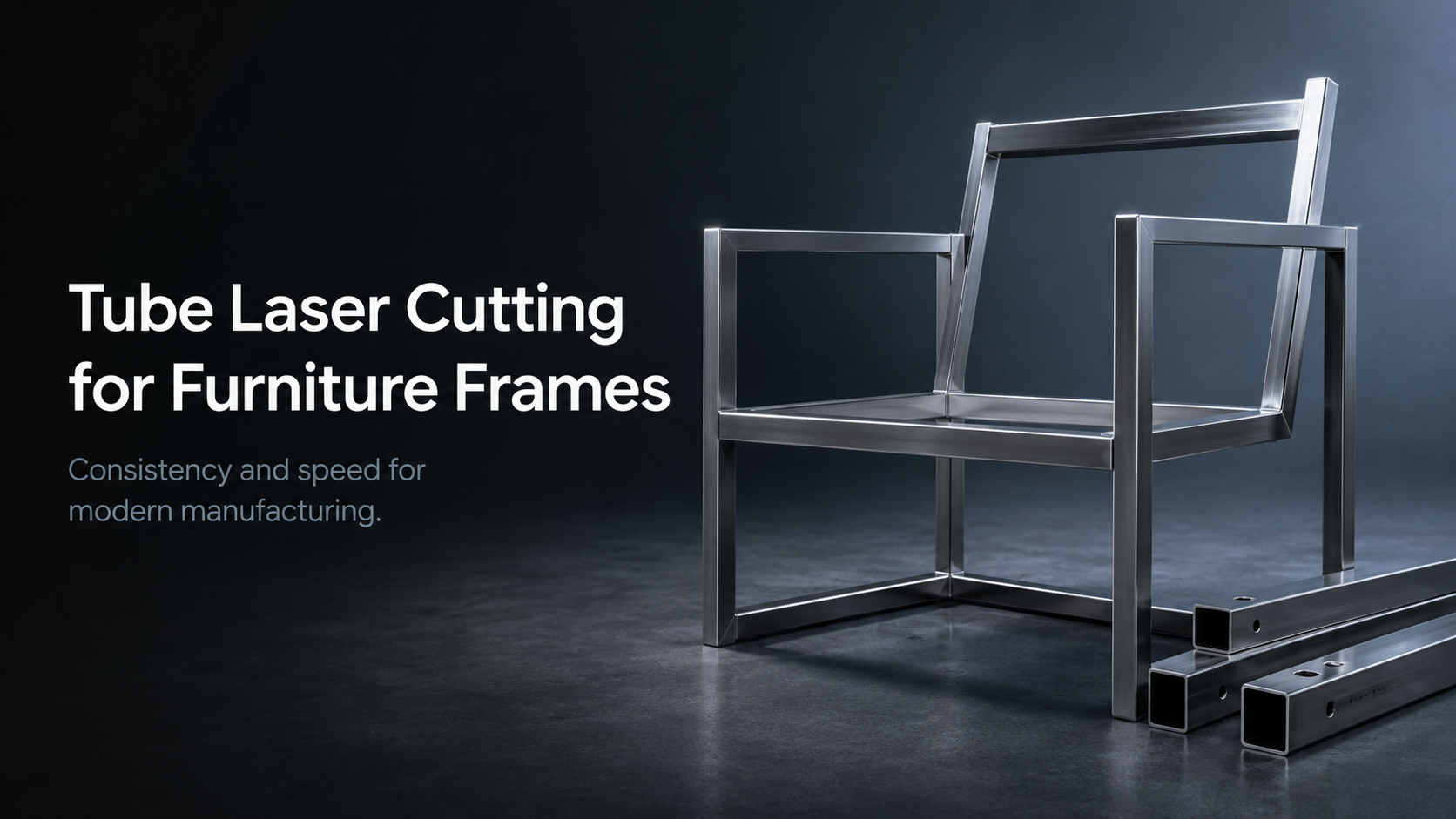
Furniture manufacturers building metal furniture frames live and die by two things: consistency and speed. A frame that is a few thousandths of an inch off on one leg will rock on a showroom floor, and a production run that takes too long to fixture and weld eats into margin before the first unit ships. Tube laser cutting has become the answer for shops that need both, cutting complete frame components, including holes, notches, and end profiles, in a single automated pass instead of routing parts through saws, drill presses, and manual fixturing.
Quick Summary
Why Are Metal Furniture Frames Moving to Tube Laser Cutting?
Metal furniture frames are moving to tube laser cutting because it replaces several manual steps, sawing, drilling, notching, and marking, with one automated process that holds tight tolerance on every part. For furniture manufacturers, that means chair, table, and shelving frames that fit together consistently, weld faster, and ship with fewer rework hours per unit.
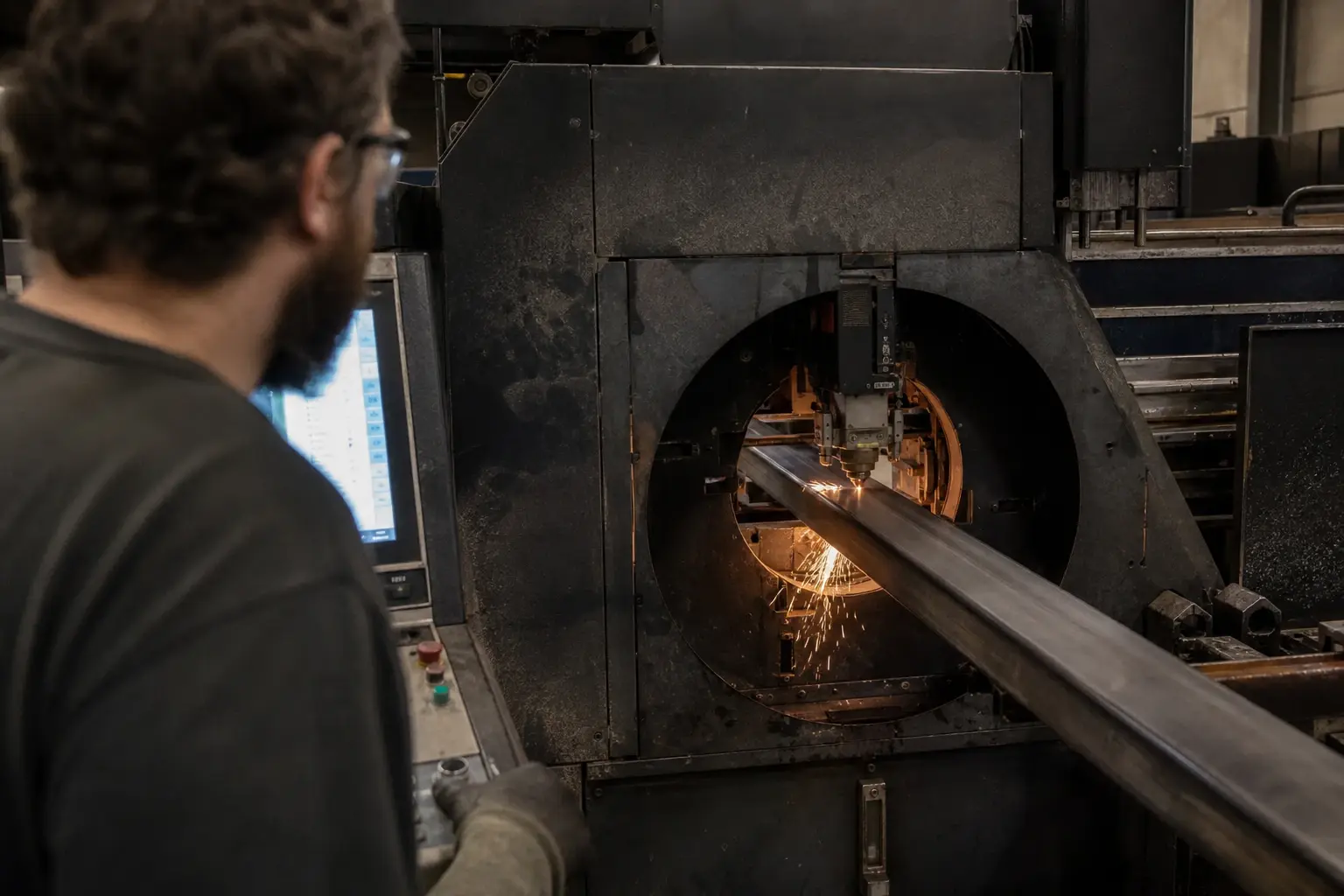
Traditional furniture frame fabrication routes a length of tube through a saw for length, a drill press or punch for holes, and often a manual notching step for miter joints or T intersections. Each handoff introduces a small amount of variation, and that variation stacks up across a multi-leg frame. Tube laser cutting removes most of those handoffs by programming the entire part, cuts, holes, slots, and end profiles, into a single machine cycle.
What Tolerances Matter Most for Furniture-Grade Tube Frames?
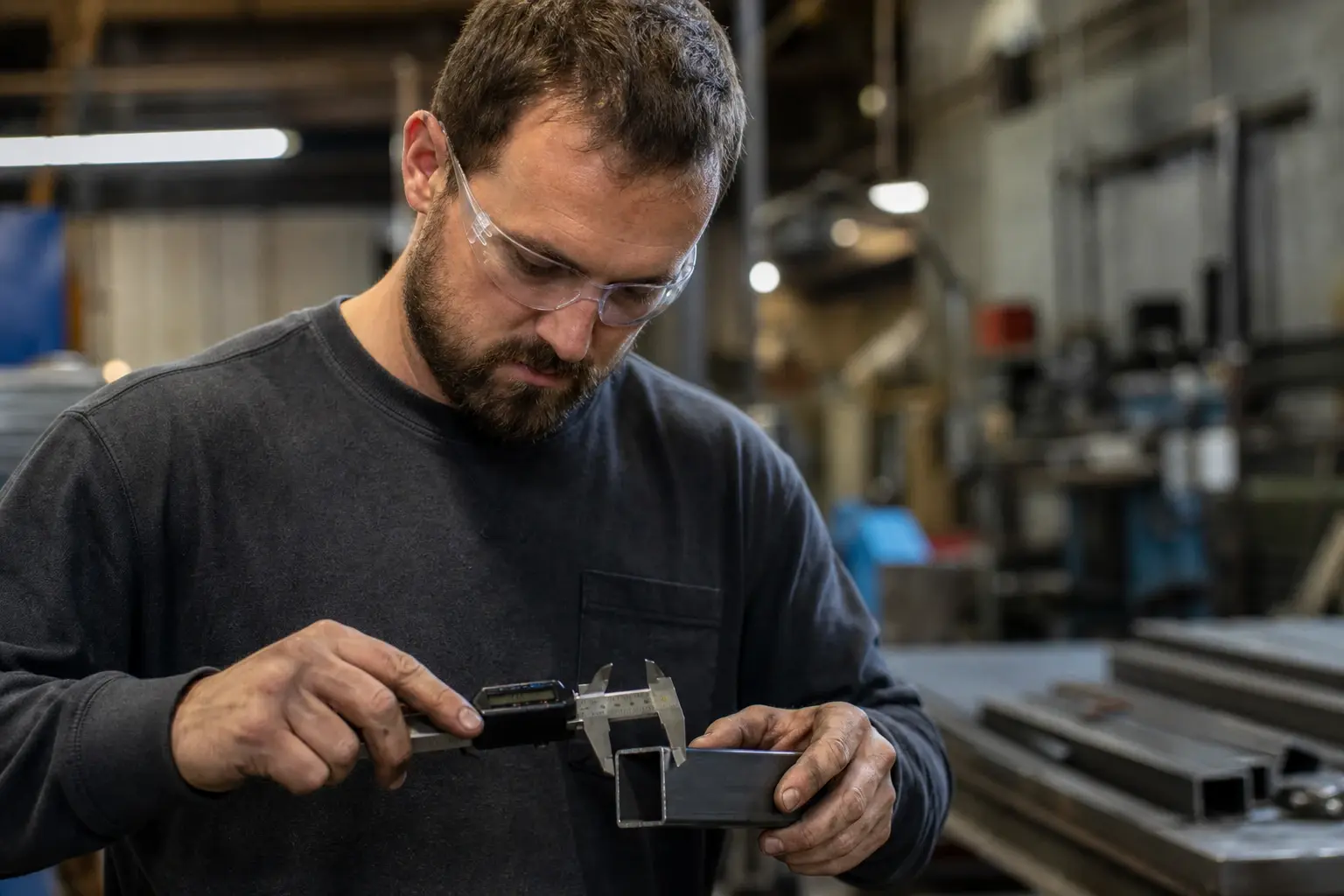
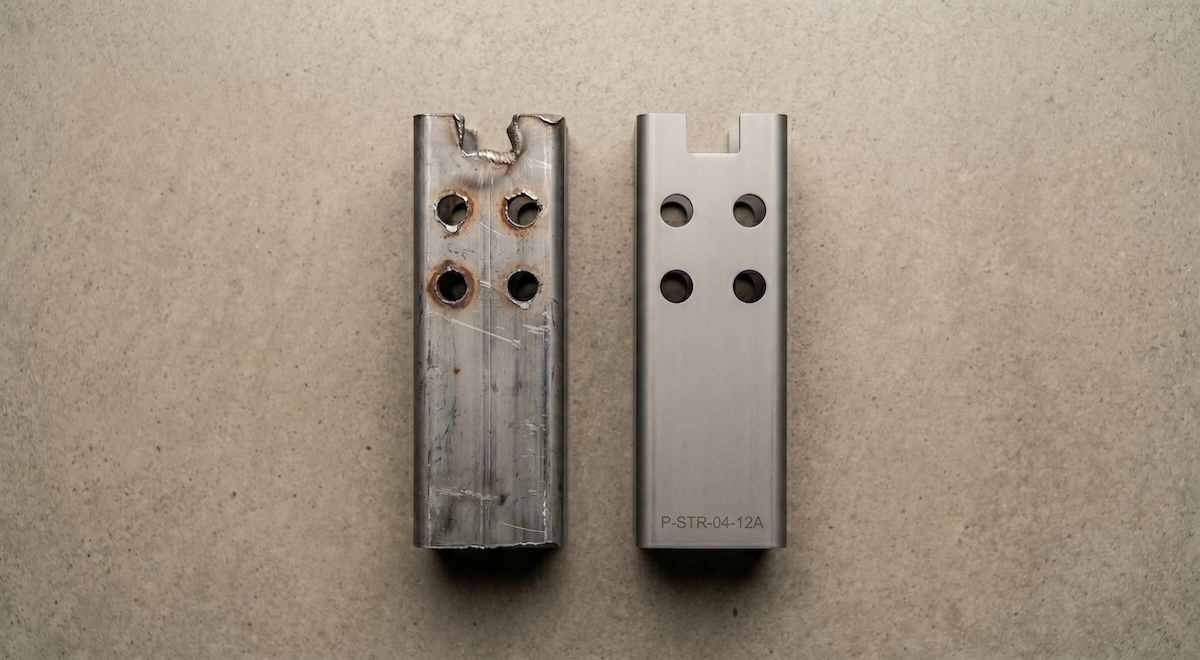
Furniture frames are visible, load-bearing, and handled constantly, so tolerance stacking shows up fast as wobble, uneven gaps, or a weld that has to be forced into place. Tube laser systems built for this work, including Blueline's LT7 tube lasers, hold tolerances of plus or minus 0.003 inches on 4kW-capacity cutting across 6 inch square and 6 inch round tube. That level of repeatability means a run of 200 identical chair frames can be welded without individually checking and adjusting each leg length or hole position.
How Does Tube Laser Cutting Compare to Manual Cutting for Furniture Frames?
Manual fabrication depends on the skill and consistency of whoever is running the saw, drill, or notcher that day, and it slows down significantly as part complexity increases. Tube laser cutting programs the geometry once and repeats it exactly on every piece, regardless of order size.
FactorManual FabricationTube Laser CuttingTolerance consistencyVaries by operator and tool wearHolds to plus or minus 0.003 inches part to partProcess steps per partSeparate saw, drill, and notch operationsCut, hole, notch, and mark in one passBest fit forVery low volume, simple geometryPrototype through high volume, complex jointsLead time on complex framesLonger, due to multiple handoffsShorter, due to a single programmed cycle
How Is a Furniture Frame Tube Component Actually Cut and Finished?
The process is straightforward from a design file to a finished tube, and it is the same workflow whether the order is a five-piece prototype or a five-thousand-piece production run.
What Should Furniture Manufacturers Look for in a Fabrication Partner?
A furniture frame fabrication partner needs three things: tube capacity that matches the material actually used in furniture frames, tolerance control tight enough to skip manual fitting, and enough production capacity to move from a prototype to a full run without switching vendors. Blueline Industries, based in Chino, CA, runs LT7 tube lasers rated at 4kW with fully automatic capacity up to 6 inch square and 6 inch round tube, an LS5-3015 12kW sheet laser for flat components, and ProBend 205-60 and ProBend 320-150 press brakes for forming brackets and gussets. That combination of tube and sheet processing under one roof is the same capability Blueline used to process more than 1,000,000 pounds of steel for the Coachella Sahara Stage project in 2025, a scale reference for how consistently the same tolerance holds across a large, complex order.
Key advantages furniture manufacturers gain from a dedicated tube laser fabrication partner:
Furniture manufacturers weighing prototype-to-production partners can also see how these same fitment and tolerance considerations apply at scale in Custom Tube Fabrication for High-Volume Production: What to Look for in a Fabrication Partner. For prototype runs specifically, Blueline's Custom Tube Prototyping and Short-Run Fabrication service is built for exactly this kind of design validation before a full production commitment, and the underlying Precision Tube Fabrication service covers the ongoing production side once a frame design is finalized.
Frequently Asked Questions
What tube sizes work best for metal furniture frames?
Most metal furniture frames use square or round steel or aluminum tube between roughly half an inch and 3 inches, which falls comfortably within a tube laser system's automatic capacity of up to 6 inch square and 6 inch round. Larger structural furniture, such as heavy-duty shelving or industrial workbenches, can also be cut on the same equipment.
Can tube laser cutting handle both round and square tube for furniture frames?
Yes. Fully automatic tube laser systems are built to process both round and square profiles without changing tooling between shapes, which matters for furniture designs that mix round legs with square cross braces or vice versa.
Is tube laser cutting cost effective for small furniture production runs?
Tube laser cutting is well suited to short runs and prototypes because the programming step is the same regardless of quantity, and there is no dedicated tooling to fabricate first. A five-unit prototype run and a five-hundred-unit production run both start from the same design file.
How does tube laser cutting reduce welding time on furniture frames?
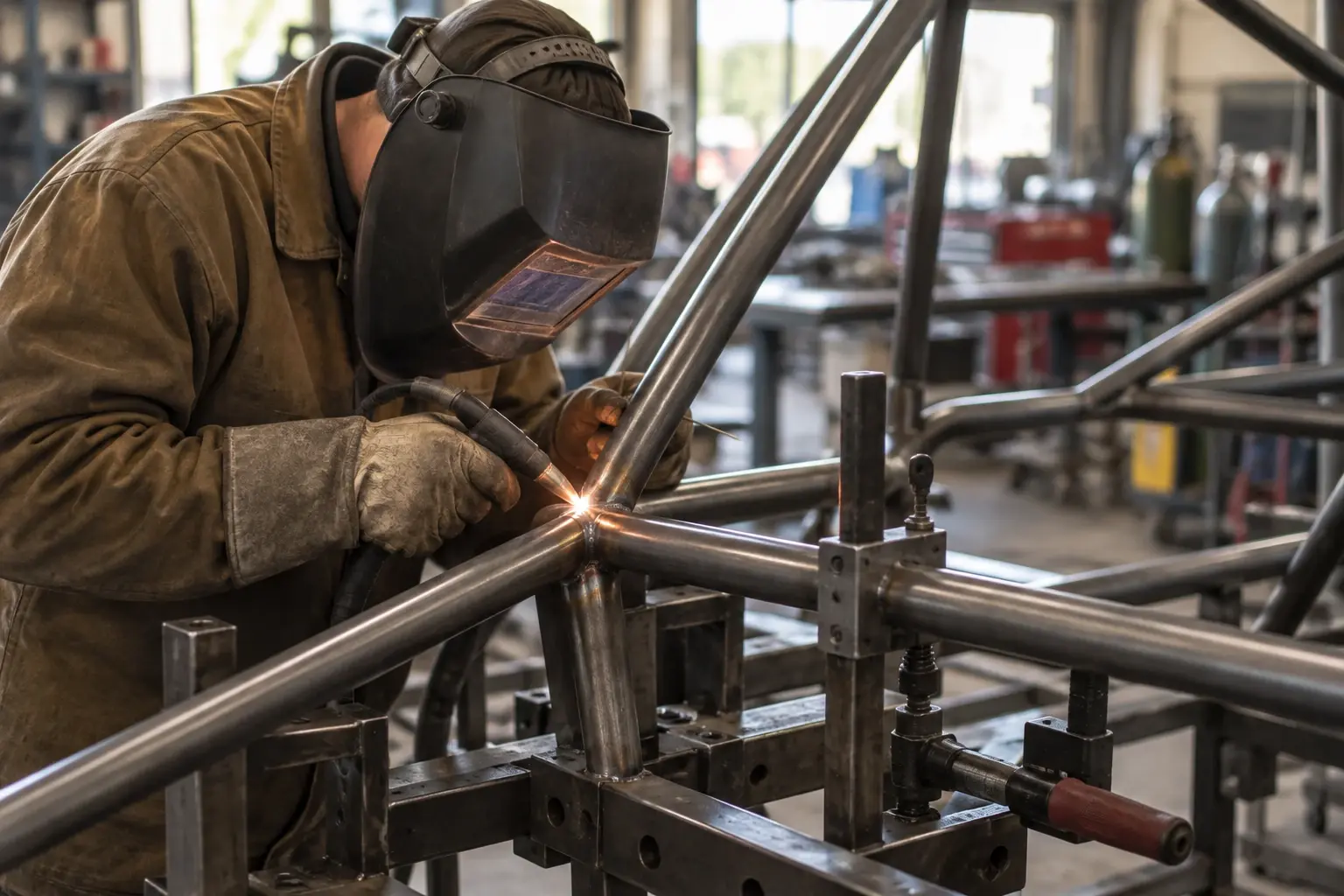
Because cut lengths, notches, and holes are held to tight tolerance, mating tube ends and joints line up without manual grinding or fitting before welding. That shortens the time a welder spends adjusting parts and reduces the chance of an out-of-square frame reaching final assembly.
Does Blueline work with furniture manufacturers outside of California?
Blueline is based in Chino, CA, and serves manufacturers across Southern California with additional reach into locations including Los Angeles, San Diego, San Jose, San Francisco, Seattle, Portland, Tucson, Salt Lake City, and Las Vegas.
Getting Furniture-Grade Tube Frames Cut Right the First Time
Metal furniture frames succeed or fail on tolerance and repeatability, and tube laser cutting delivers both in a single automated process instead of the multiple manual steps traditional fabrication requires. Whether the next step is a small prototype run to validate a new frame design or a full production order, matching the fabrication method to the tolerance the design actually needs is what keeps frames square, welds clean, and lead times short.
If you are developing a metal furniture frame and want to see whether tube laser cutting fits the design, request a quote from Blueline Industries and share the tube sizes and quantities involved.


.png)