Introduction
If you have ever wondered how manufacturers turn round, square, and rectangular metal tubing into complex, ready-to-weld parts without a dozen separate machining steps, the answer is usually tube laser cutting. Tube laser cutting uses a focused laser beam mounted on a CNC-controlled platform to cut, notch, bevel, and pierce tubular metal stock with a level of accuracy that traditional sawing, punching, or manual cutting simply cannot match. In this article, you will learn what tube laser cutting is, how the process works, what it is used for, and what to look for when choosing a shop to run your parts.
Quick Summary
What Is Tube Laser Cutting?
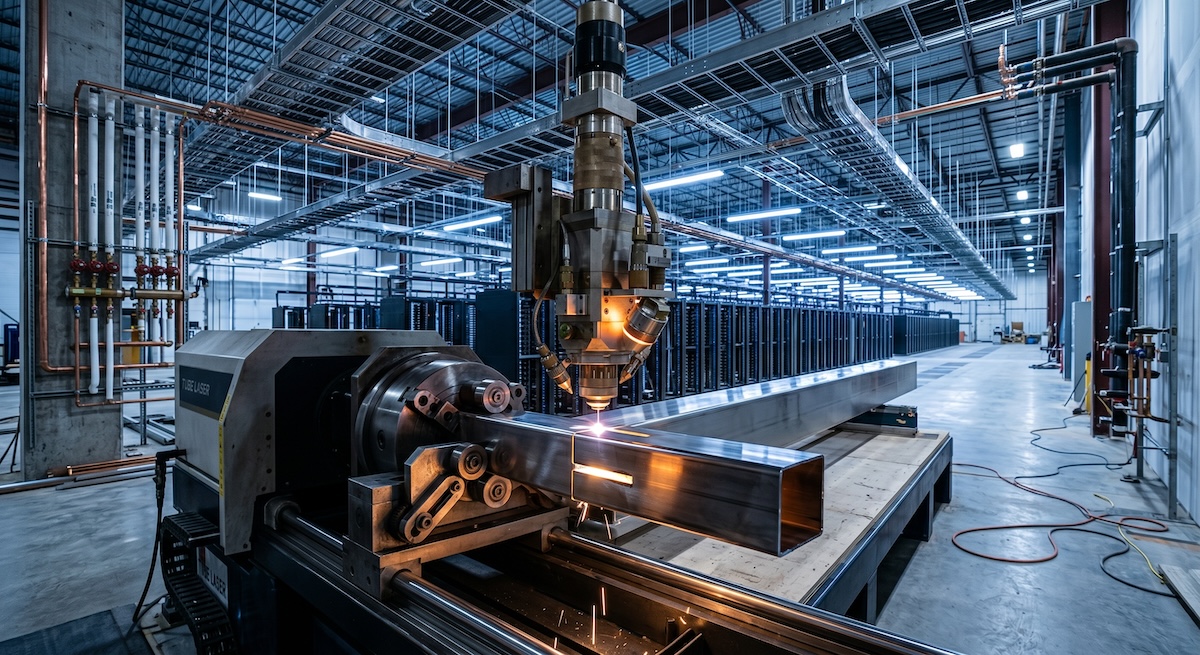
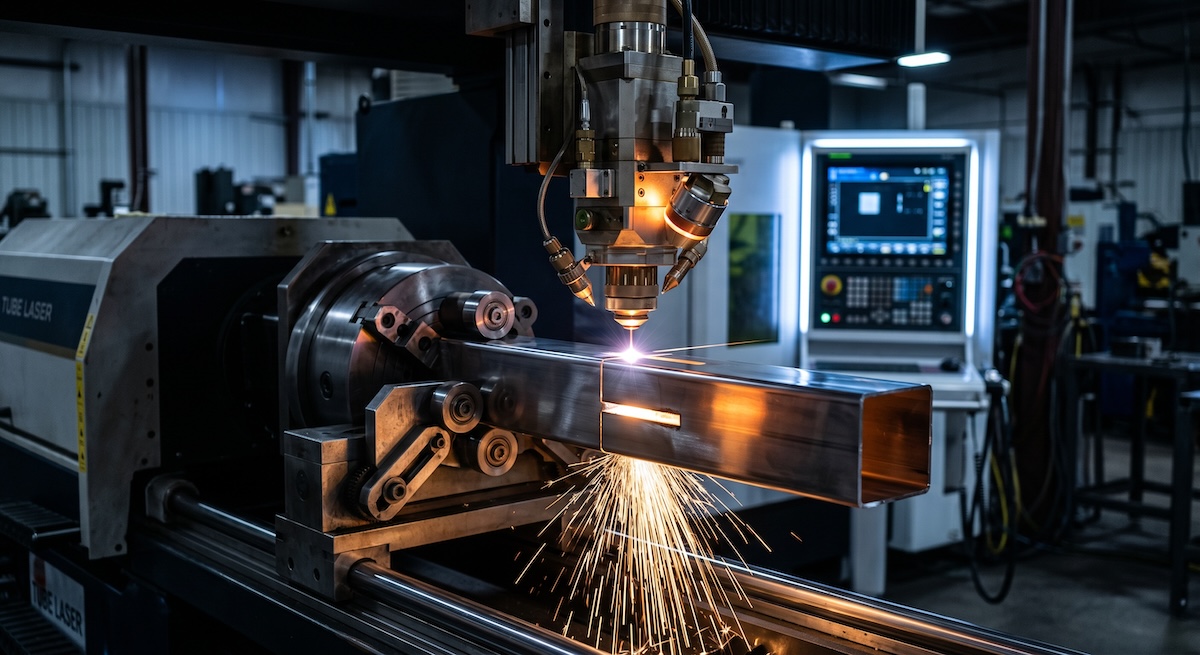
Tube laser cutting is a manufacturing process that uses a high-powered laser, guided by CNC software, to cut and shape metal tubing. Instead of feeding a straight or angled saw cut through a tube and then sending it to a separate machine for holes, notches, or bevels, a tube laser system performs all of these operations in one continuous cycle.
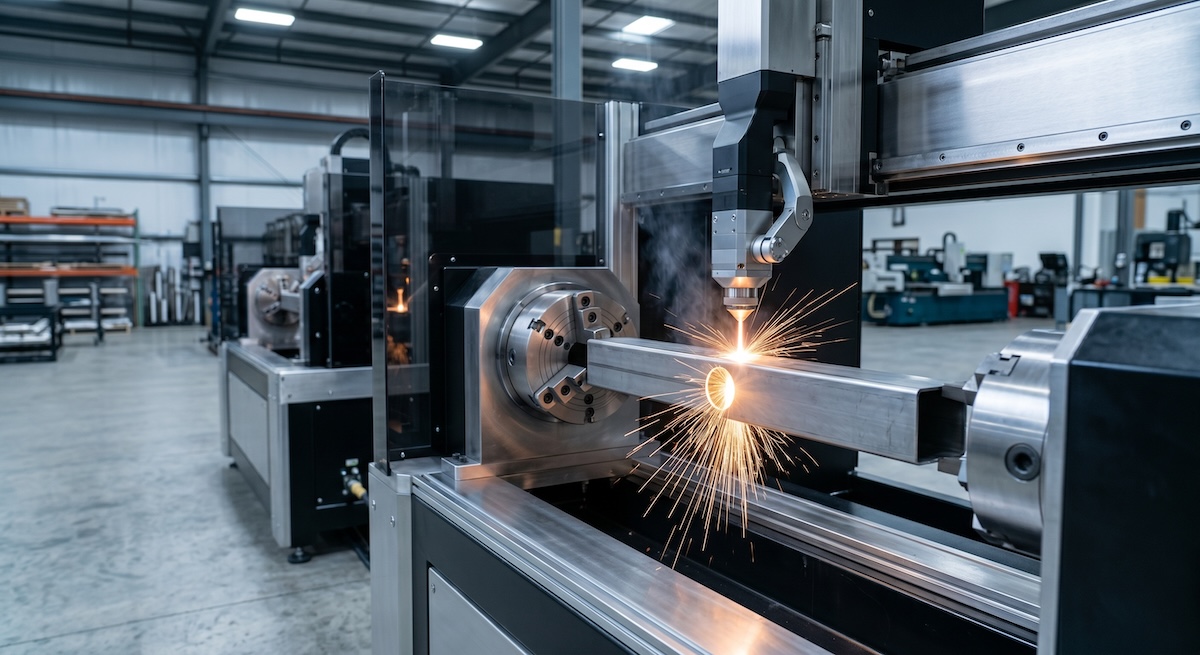
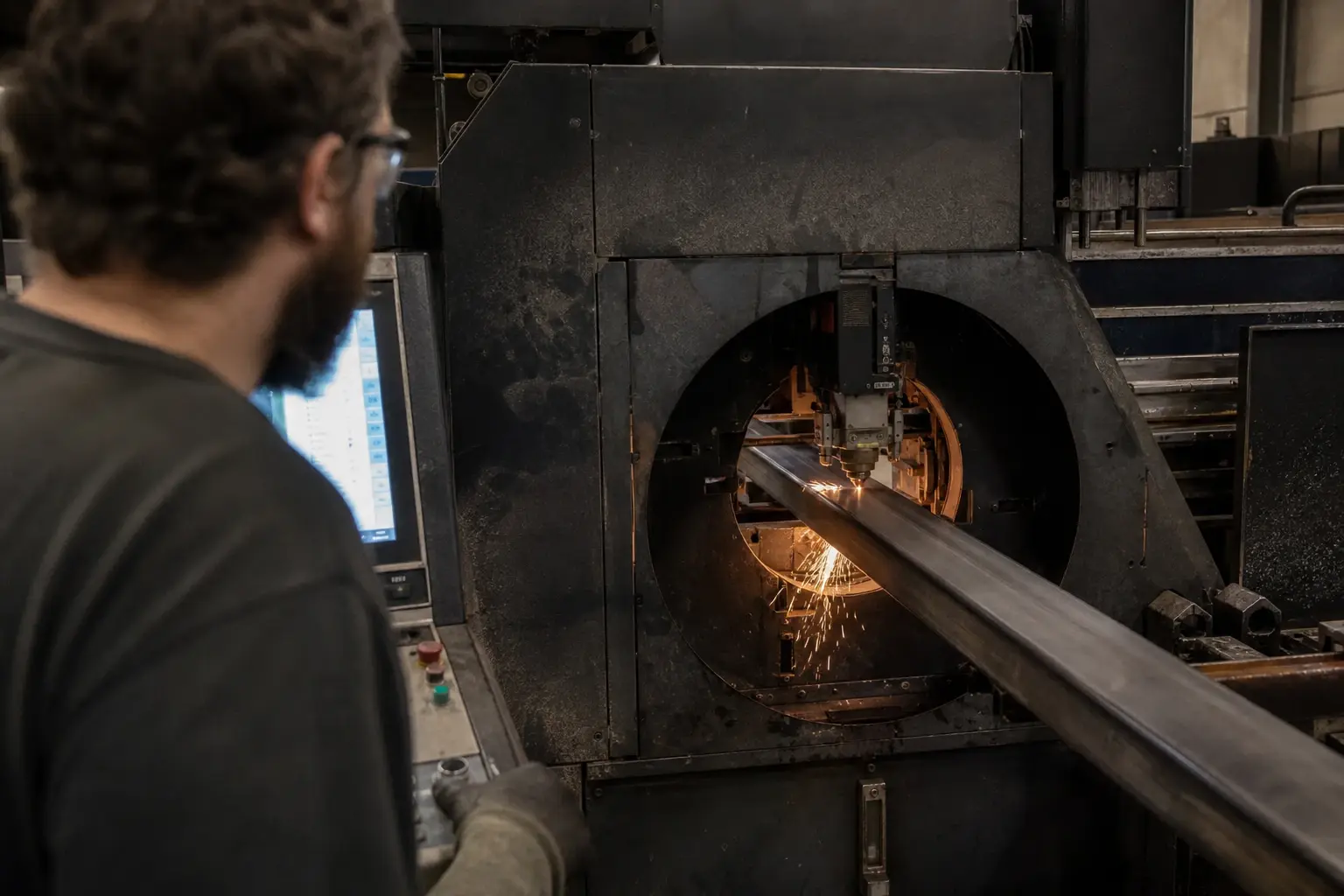
The tube is loaded into the machine, often automatically, and rotated and positioned under the laser head according to a digital part file. The laser then cuts the profile exactly as designed, including any holes, slots, or end preparations the part requires.
[IMAGE: Tube laser machine cutting a metal tube profile, showing the laser head and rotating tube support]
How Does Tube Laser Cutting Work?
A tube laser cutting machine typically follows this general sequence:
This is one of the clearest advantages of the process: a part that once required sawing, punching, drilling, and manual deburring across multiple machines can often be completed in one automated run.
What Materials and Sizes Can Be Cut?
Tube laser cutting works across a range of common structural and specialty metals, including carbon steel, stainless steel, and aluminum. The size range depends on the machine. Blueline Industries' tube laser platforms, for example, process profiles up to 13 inches in diameter and include 5-axis capability for beveling and angle cutting directly into the tube. That 5-axis capability matters because it allows a part to arrive at the welding station with its joint prep already cut, rather than requiring a second grinding or beveling step.
Cutting speed also varies by wall thickness and material. On thin-walled materials, Blueline's tube laser platforms can run at speeds up to 1150 inches per minute, which keeps production moving on higher-volume jobs without sacrificing accuracy.
[IMAGE: Close-up of a beveled tube end cut by a 5-axis tube laser, ready for welding]
Why Manufacturers Choose Tube Laser Cutting Over Traditional Methods
Traditional tube fabrication often involves several separate machines and manual handling between each step: a saw to cut length, a punch or drill press for holes, a separate setup for beveling, and manual deburring at the end. Every handoff between machines introduces setup time, the chance of misalignment, and additional labor cost.
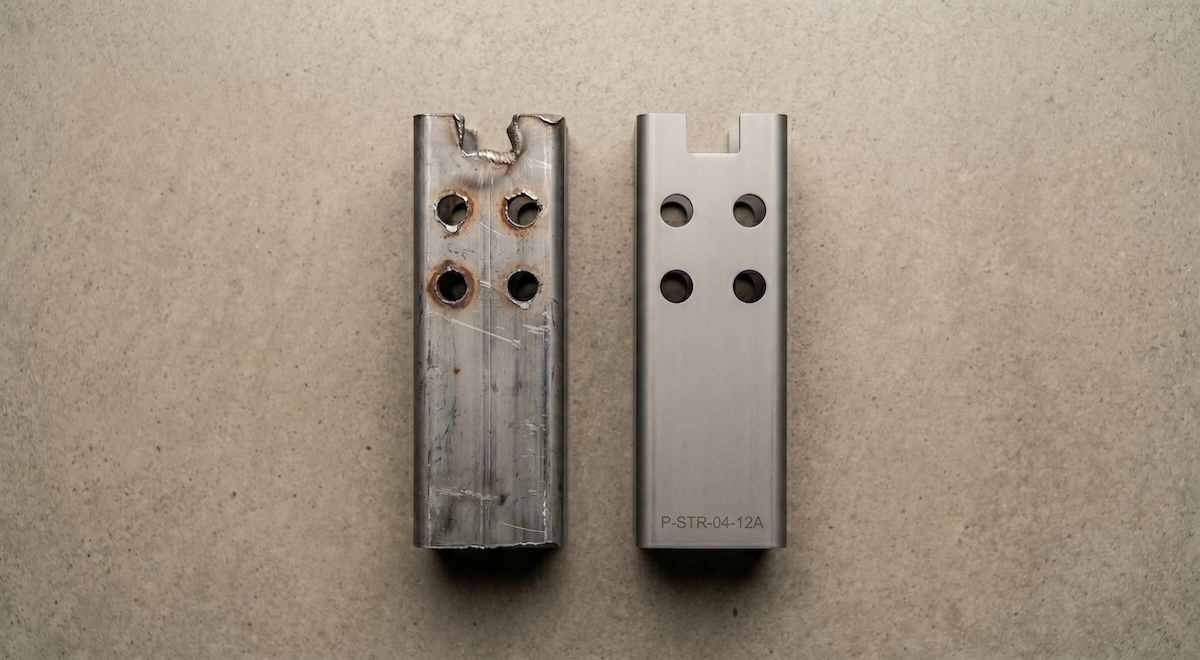
Tube laser cutting consolidates these steps into a single automated operation. Because the laser is guided by a digital file rather than manual measurement, tolerances stay consistent from the first part in a run to the last. Blueline Industries holds tolerances of +/-0.003 inch (+/-0.076mm) on its tube laser platforms, which is tight enough for parts that need to fit precisely into welded assemblies or bolted frames without on-site adjustment.
This single-operation approach is also why tube laser cutting tends to lower total fabrication cost on complex parts. When holes, notches, and bevels are all cut in the same cycle as the outer profile, there is far less setup time between operations and far less scrap generated by repositioning or handling error.
Direct Answer: Is Tube Laser Cutting More Accurate Than Traditional Cutting Methods?
Yes. Tube laser cutting is generally more accurate than traditional sawing, punching, or manual cutting because the entire process is controlled by CNC software rather than manual setup. A single digital file drives every cut on the part, which removes the variability that comes from re-clamping or repositioning a tube between separate machines. This is why tube laser platforms can consistently hold tolerances in the thousandths of an inch, which is difficult to achieve reliably with conventional tube fabrication methods.
Common Applications for Tube Laser Cutting
Tube laser cutting shows up in far more industries than people expect, because tubular metal components are everywhere in modern manufacturing. Common applications include:
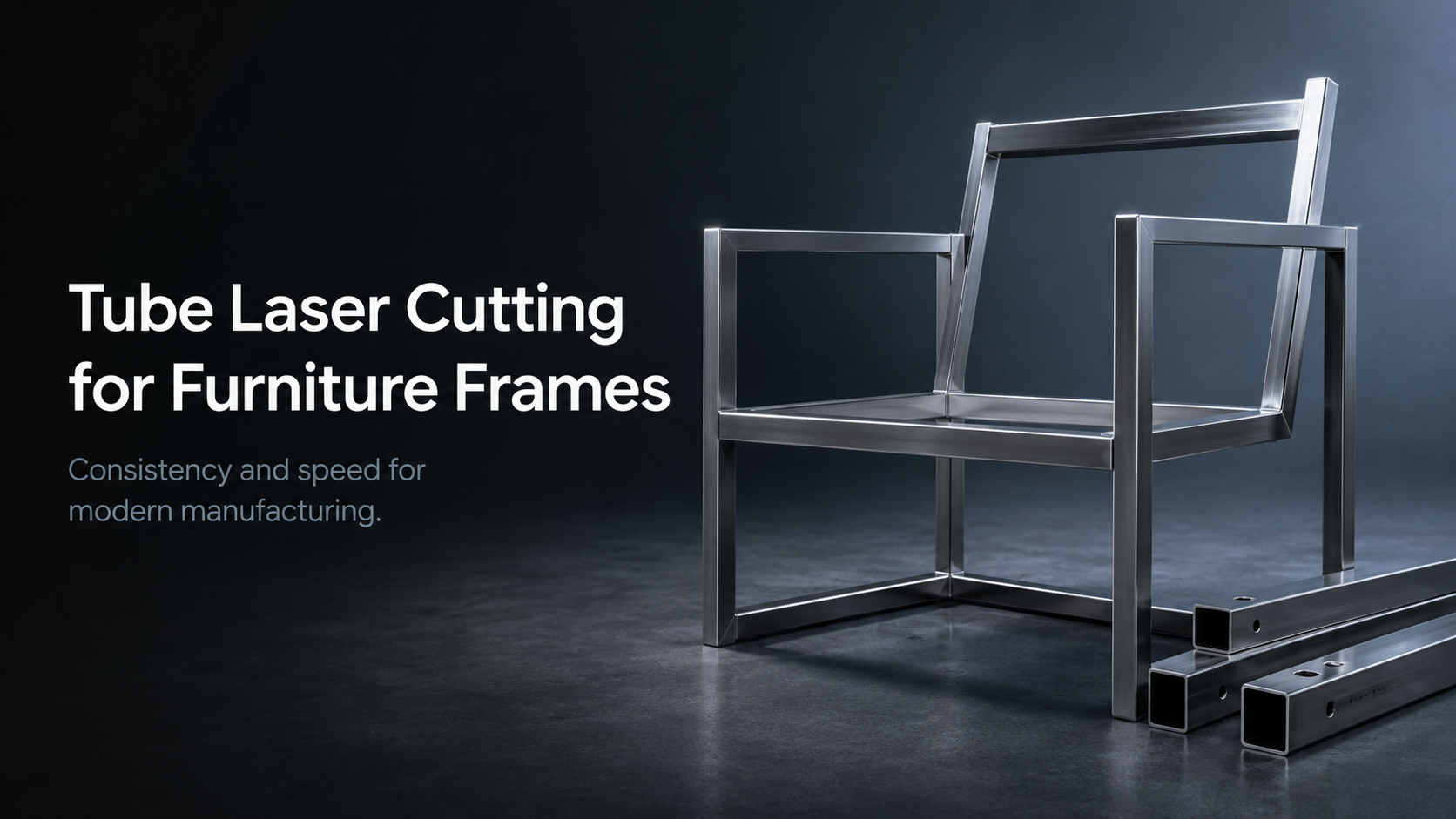
IndustryTypical Use CaseConstruction and infrastructureStructural tube frames, guardrails, walking bridgesAutomotive aftermarketRoll cages, exhaust components, custom chassis partsData centers and AI infrastructureServer rack frames, cooling infrastructure componentsTransportationStructural tube assemblies for trailers and equipmentFurniture manufacturingTube frames for commercial and residential furnitureAerospacePrecision tube components requiring tight tolerances
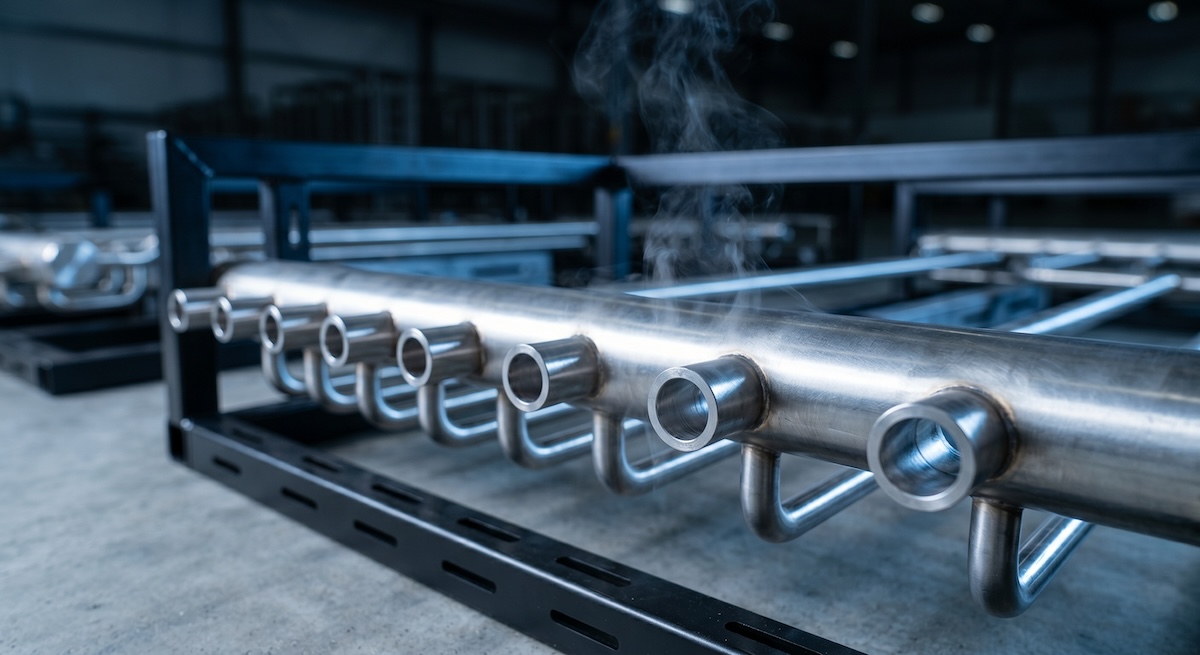
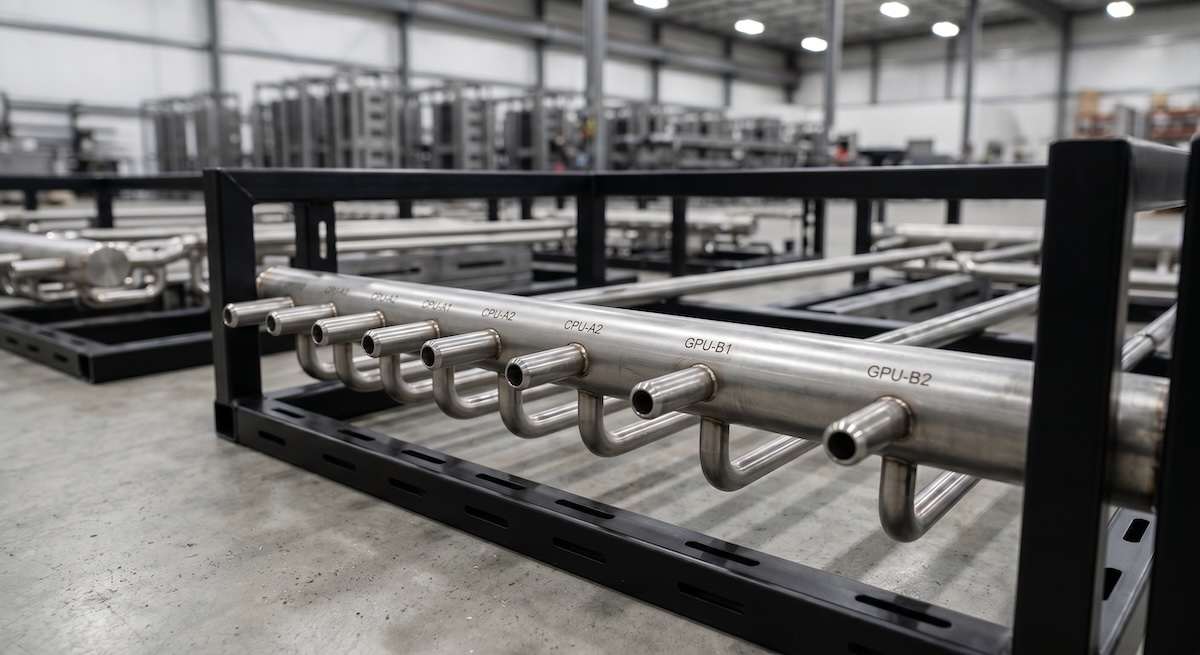
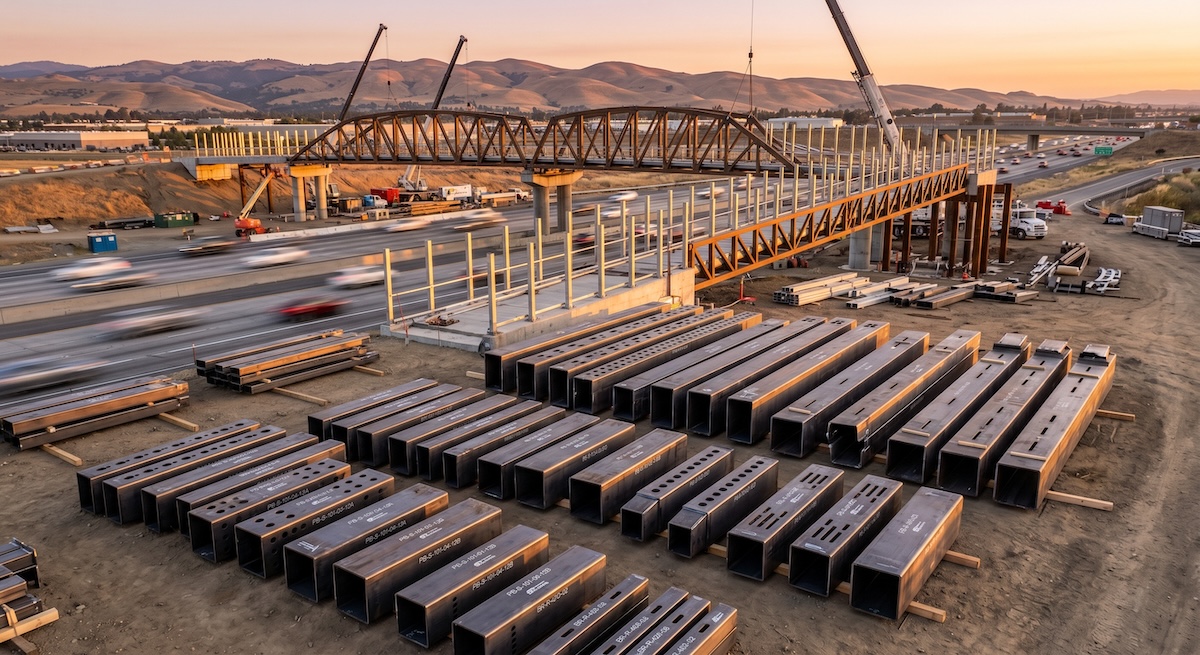
Blueline Industries has applied tube laser cutting across projects like the Coachella Festival Sahara Tent structure, which involved processing more than 1 million pounds of steel, and a Caltrans walking bridge over I-5 at Jeffrey Parkway that required more than 500,000 pounds of structural steel. The company has also produced stainless steel components for AI data center cooling infrastructure, shipping the equivalent of 16 truckloads of parts for that project.
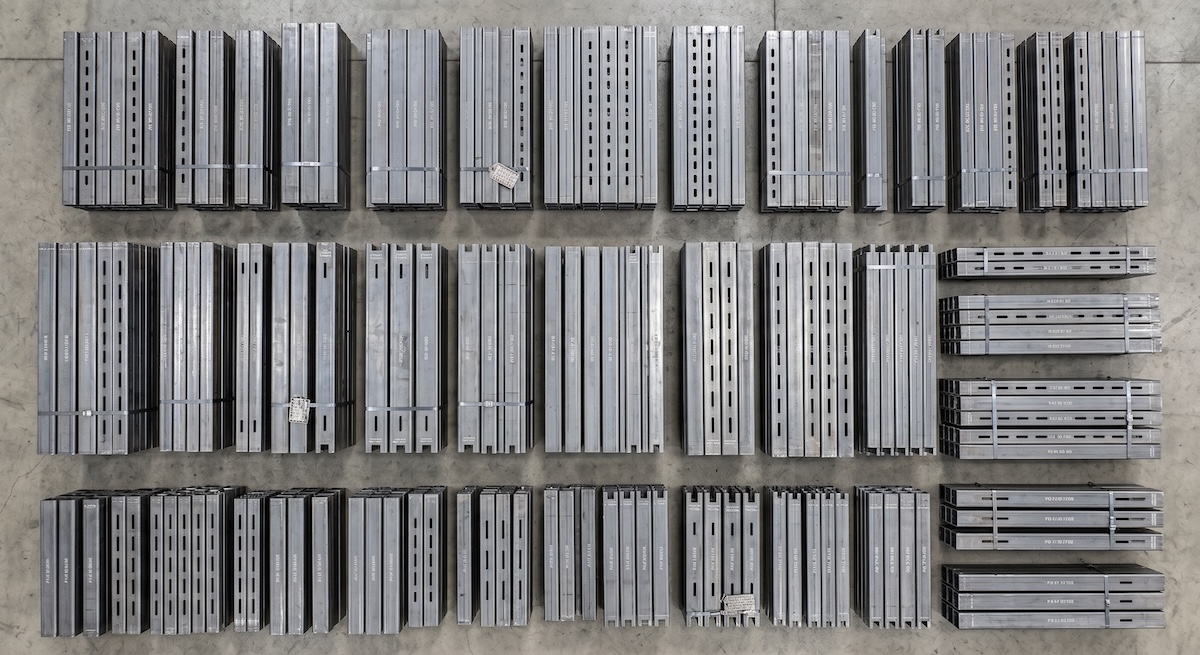
[IMAGE: Finished structural tube components bundled and labeled, ready for shipment]
What to Look for in a Tube Laser Cutting Partner
Not every shop that owns a tube laser can deliver consistent results on complex parts. When evaluating a tube laser cutting partner, consider the following:
Conclusion
Tube laser cutting has become a preferred method for producing precise, complex tube parts because it combines multiple fabrication steps into a single automated process. It offers tighter tolerances, faster cycle times, and less scrap than traditional multi-step methods, especially on parts that need holes, notches, or bevels cut into the tube itself. Blueline Industries runs tube laser platforms capable of processing profiles up to 13 inches in diameter with 5-axis beveling, holding tolerances of +/-0.003 inch, and cutting speeds up to 1150 inches per minute on thin-walled materials. If you have a tube fabrication project that needs precision and a fast turnaround, contact Blueline Industries at (951) 833-5597 to discuss a quote.
Frequently Asked Questions
What is tube laser cutting used for?
Tube laser cutting is used to cut, notch, bevel, and pierce metal tubing for applications ranging from structural steel frames and bridges to automotive roll cages, server rack components, and furniture frames. It is well suited to any part where holes or angled cuts need to be positioned precisely on a round, square, or rectangular tube.
How accurate is tube laser cutting?
Accuracy depends on the machine, but well-maintained tube laser platforms can hold very tight tolerances. Blueline Industries' tube laser equipment holds tolerances of +/-0.003 inch (+/-0.076mm), which is significantly tighter than what most manual or conventional cutting methods can reliably achieve.
What is the difference between tube laser cutting and sheet laser cutting?
Sheet laser cutting processes flat metal sheet, while tube laser cutting is designed specifically to rotate and position tubular stock, such as round, square, or rectangular tubing, under the laser. Tube laser machines include rotational axes and tube support systems that flat-sheet machines do not need.
What metals can be cut with a tube laser?
Tube laser cutting works with common structural and specialty metals, including carbon steel, stainless steel, and aluminum. The right choice depends on the application, with stainless steel often used for corrosion resistance and aluminum used where weight reduction matters.
How fast is tube laser cutting compared to traditional methods?
Tube laser cutting is generally faster than traditional multi-step methods because it combines cutting, notching, and beveling into one operation instead of routing a part through several separate machines. On thin-walled materials, Blueline Industries' tube laser platforms can run at speeds up to 1150 inches per minute, which helps keep production schedules on track for larger orders.


.png)