Quick Summary
- Send every revision as a package: part number, revision level, updated files, a plain change summary, and the point where the change takes effect.
- Decide in writing what happens to parts already cut. Silence is how the wrong revision ships.
- Tube features such as holes, slots, miters and lengths live in the cut program, so the updated model matters as much as the updated drawing.
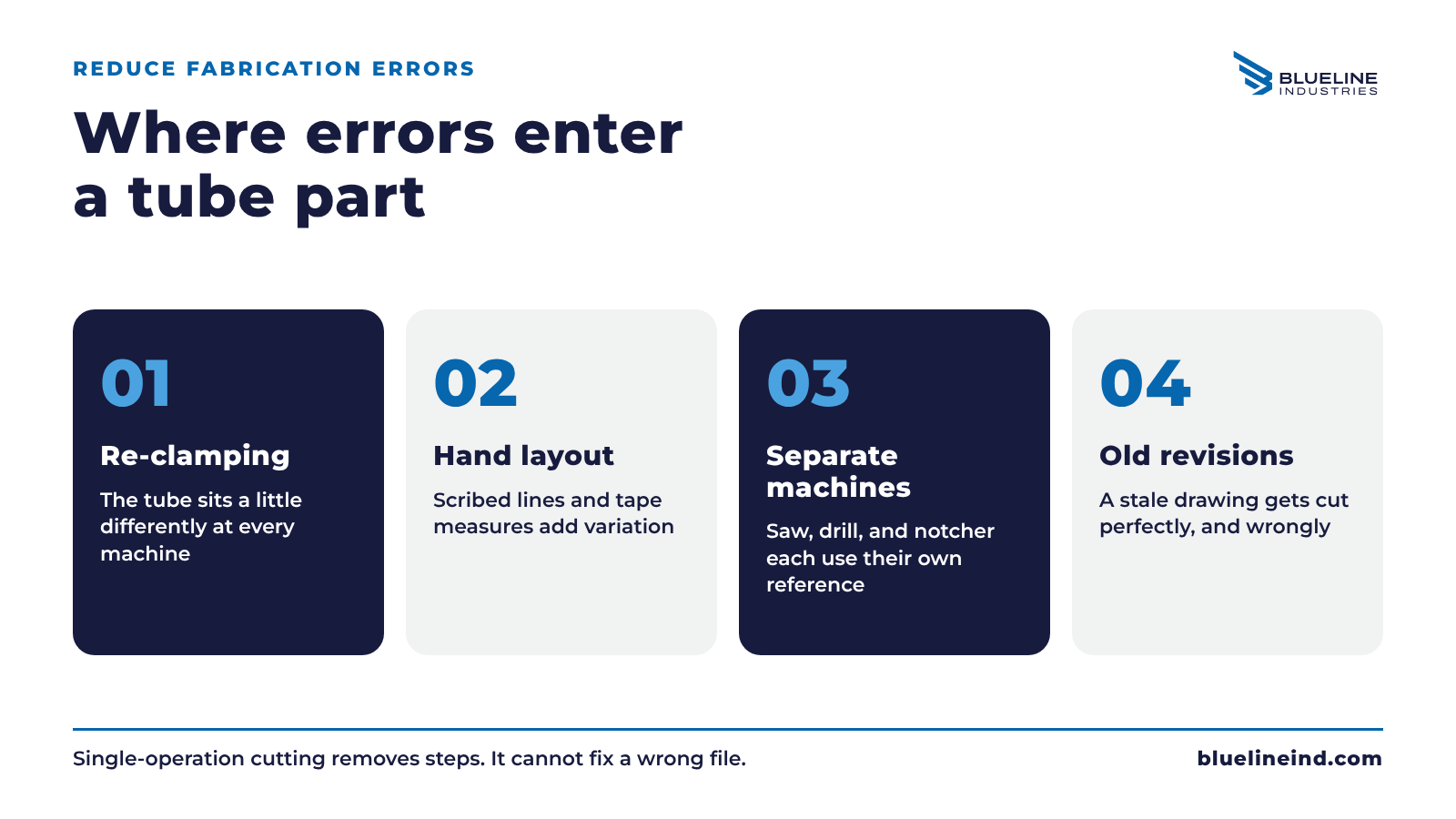
- Fewer operations per part means fewer places for an old revision to hide.
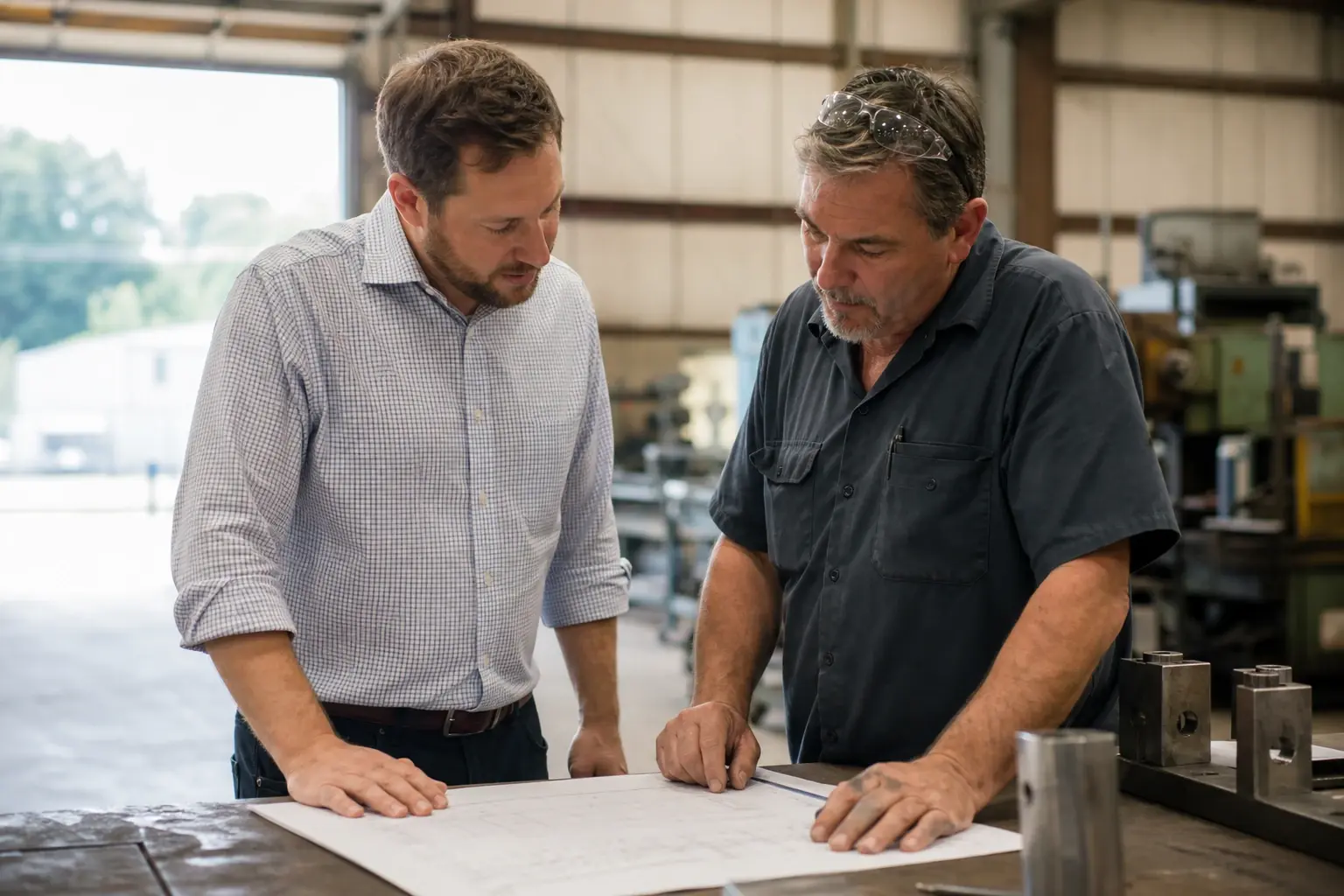
How should an OEM handle a design revision on custom tube parts? Send a controlled revision package: a unique part number, a revision level, the change in plain words, and the date or lot where the change takes effect. Then tell the fabricator what to do with parts already cut.
Blueline Industries runs tube laser cutting from a single facility in Chino, CA, and revisions are a normal part of OEM work. Designs move after a prototype, after a field test, or after a purchasing change. The goal is simple: the right revision gets built, and nothing gets scrapped by surprise.
This post covers what to send, how to treat parts in progress, and why fewer operations per part make a change easier to absorb. It is written for manufacturing engineers and buyers who release custom tube parts to an outside shop. If your part is still at the prototype stage, see our custom tube prototyping and short-run fabrication service first.
What happens when a tube part changes after the order is placed?
The shop has to decide which drawing is current, what to do with parts already cut, and whether the change affects material already ordered. Without a clear record, the wrong revision can get built. Engineering change processes exist to prevent that by naming the affected parts, the new revision, and when the change takes effect.
Revision control is the practice of managing pending and released changes to parts, assemblies and drawings. According to Arena Solutions, it helps purchasing, production and supply chain teams see which revision can be ordered, built and shipped.
A guide to engineering change orders from Jiga describes the risks plainly. A supplier can build the wrong revision, or work in progress can be scrapped without agreement. Both outcomes come from a missing handoff, not from bad intent on either side.
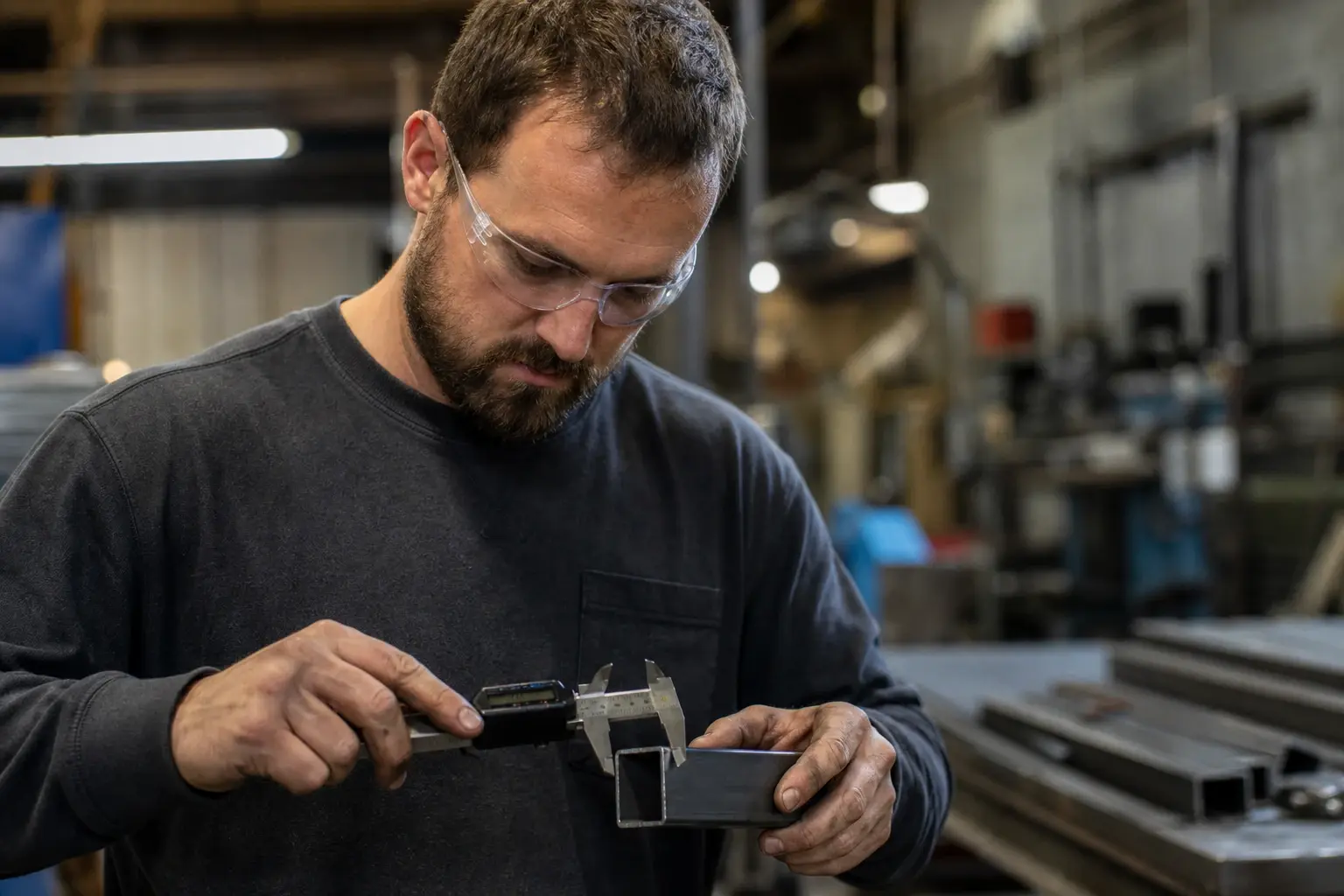
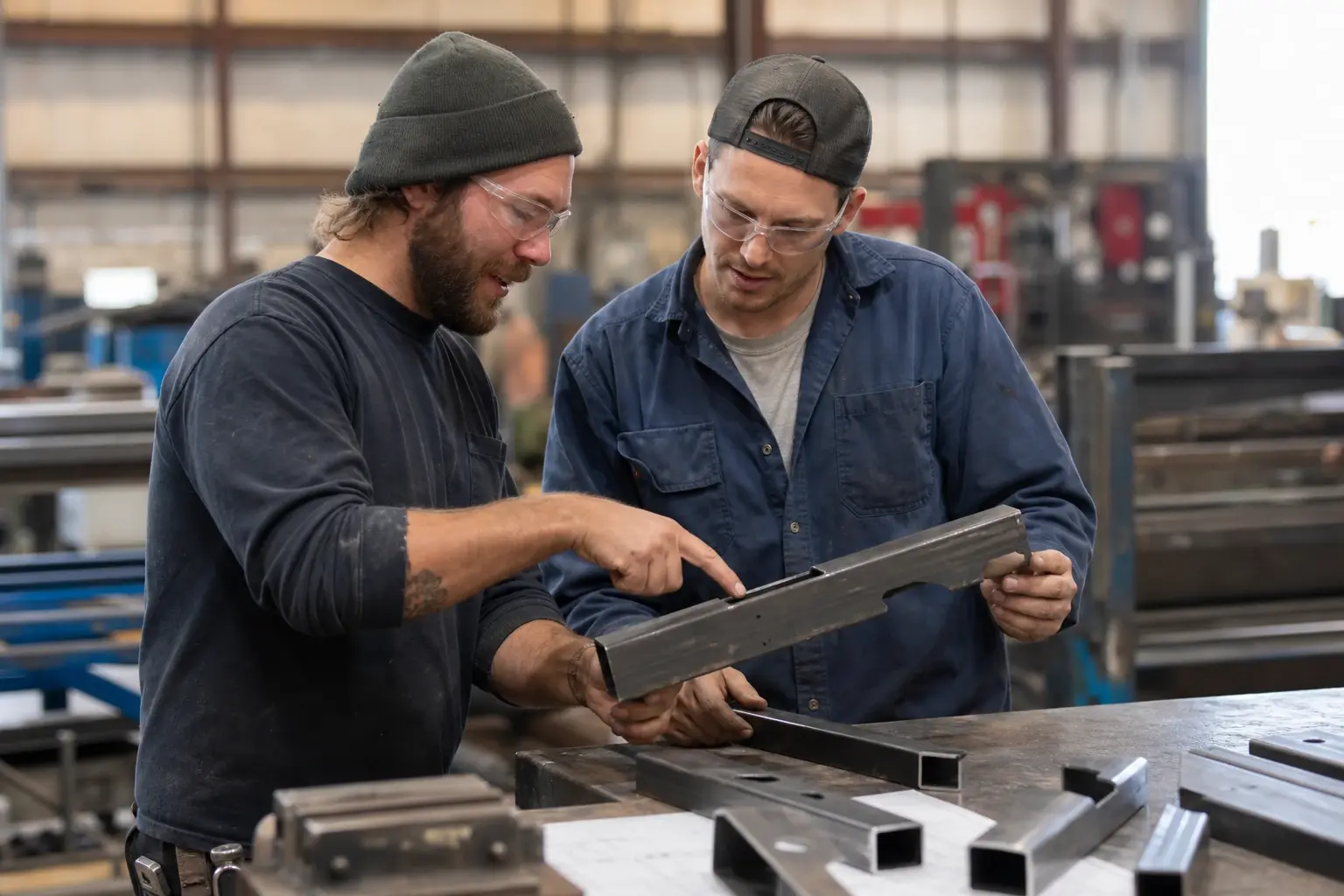
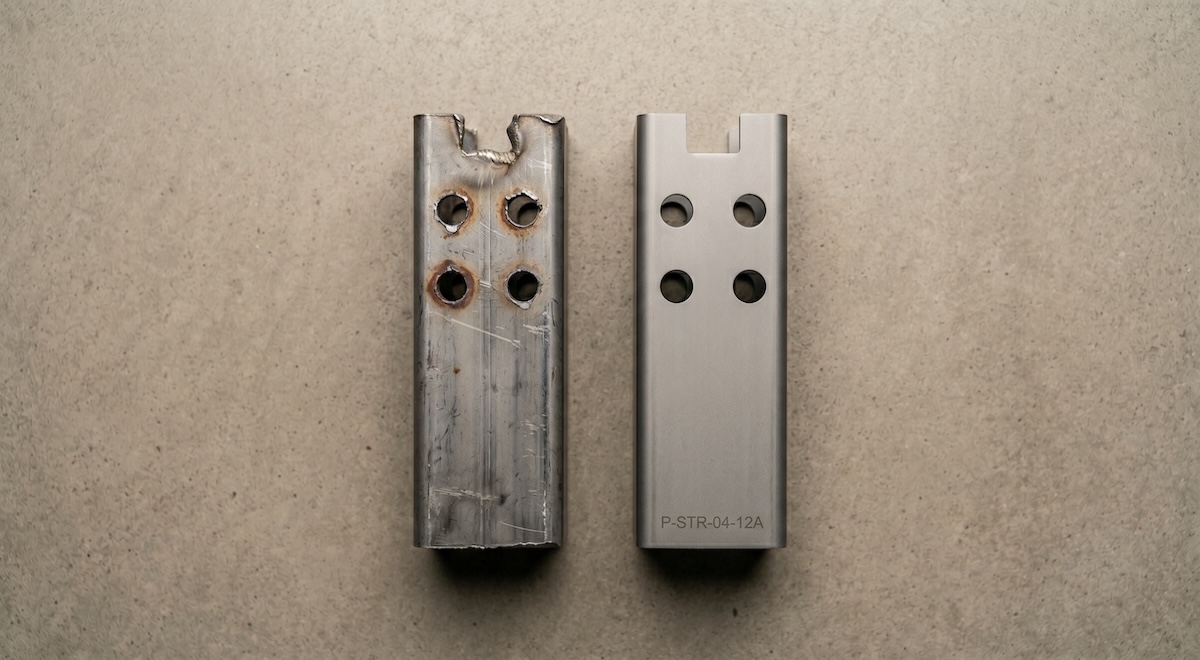
Tube parts add their own wrinkles. A change to a hole position, a slot width, a miter angle or an overall length changes the cut program, not just the print. So the fabricator needs the updated model along with the updated drawing, and both need to carry the same revision level.
What should a revision package include?
Include the part number, the old and new revision levels, a short description of each change, the updated model and drawing, and the effectivity point. Effectivity means the date, order or lot where the new revision starts. Add one line on any material already on hand.
The table below shows what each item does for you and for the shop.
ItemWhat to sendWhy it mattersPart number and revisionA unique part number plus a revision level, on the drawing and in the file nameKeeps two versions from sharing one labelUpdated filesThe current drawing and the 3D model or flat file, such as STEP or DXFThe cut program is built from the modelChange summaryOne or two sentences per change, naming the featureLets the shop find the affected cuts fastEffectivityThe date, purchase order or lot where the new revision startsRemoves guesswork on open ordersWork in progressScrap, rework, use as is, or finish the open lot on the old revisionSettles parts that are already cut
Arena Solutions also recommends giving every part and assembly a unique number and version level, kept in one central record so partners see the latest revision. The same habit works on your side of the fence. Put the revision level in every file name you send, and never reuse an old name for a new file.
What should happen to parts that are already cut?
Decide it in writing before the next release. The usual options are to scrap, rework, use as is, or finish an open lot on the old revision. The engineer who owns the design should make that call, because only that person knows whether the change is cosmetic or affects fit and function.
Jiga's change order guidance lists work in progress handling and effectivity as core parts of any change order. It also warns that late notice leads to scrap, mixed revisions, delivery delays and disputes. The earlier the shop hears about a change, the more options you keep.
Three common situations
- A cosmetic change. The part still fits and works. You may accept parts already cut and apply the new revision going forward.
- A change that affects fit. A moved hole or a longer cut length usually means parts already cut cannot be used. Plan for scrap or rework, and tell the shop before the next cut cycle.
- A change that arrives mid-run. Name the exact piece count or lot where the new revision begins, so both revisions are never mixed in one bundle.
How does single-operation cutting make revisions easier to absorb?
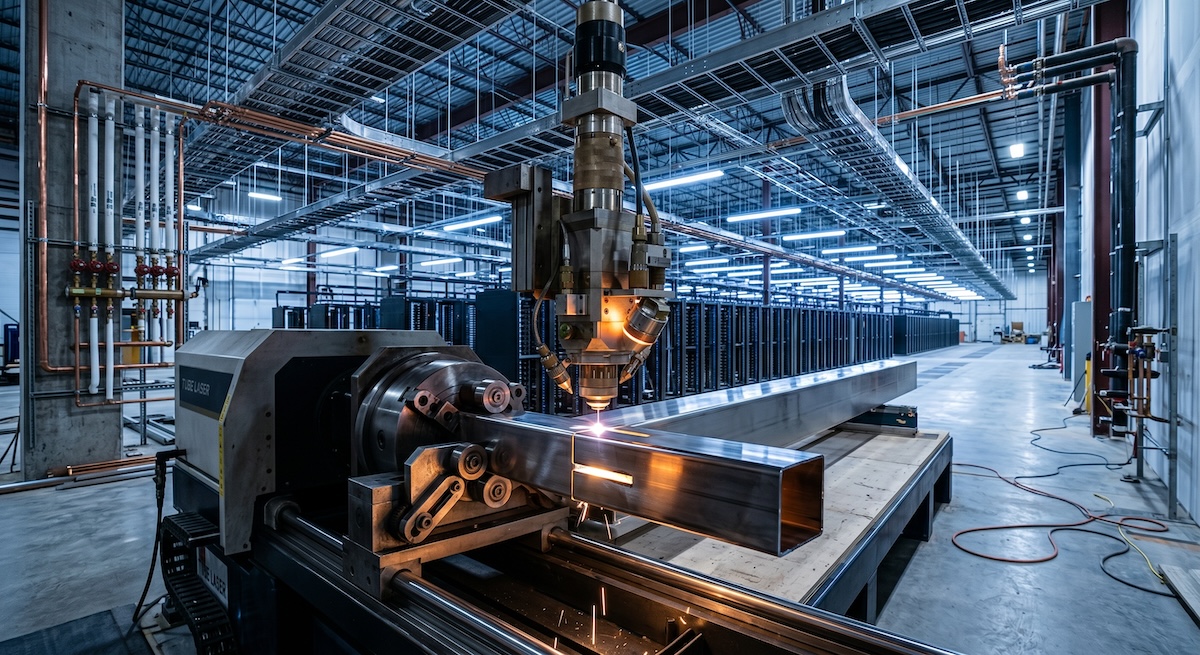
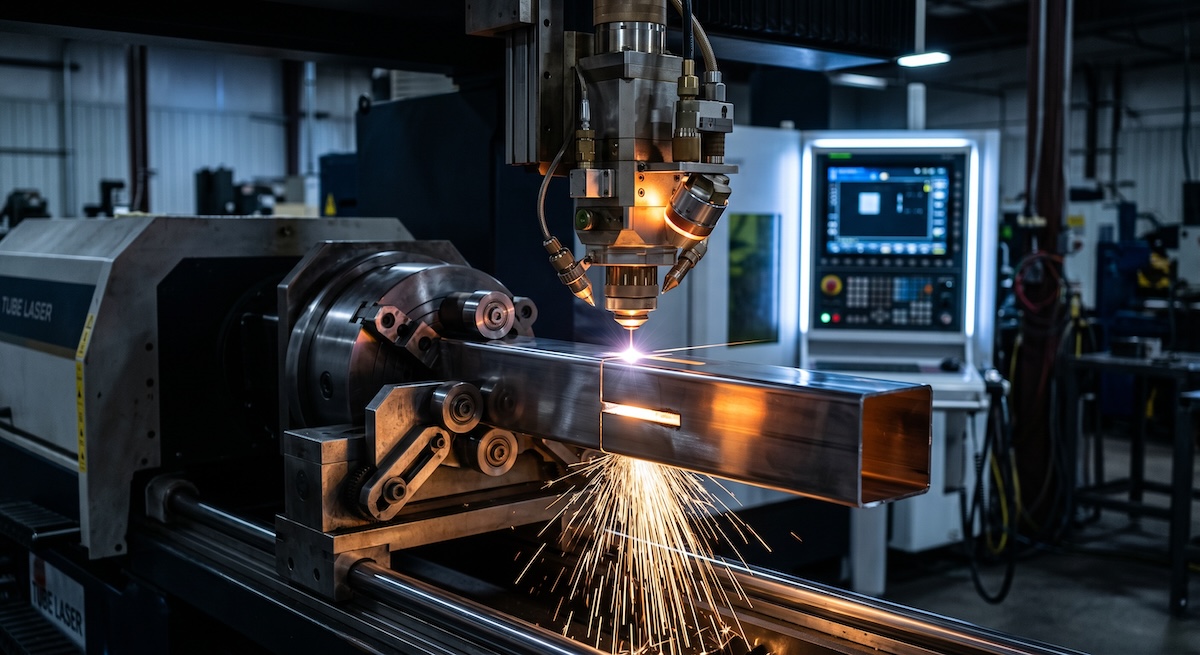
When one machine cycle handles cutting to length, notching, slotting, hole cutting and beveling, a design change usually touches one program instead of several tools and fixtures. Fewer handoffs also means fewer places for an old revision to hide.
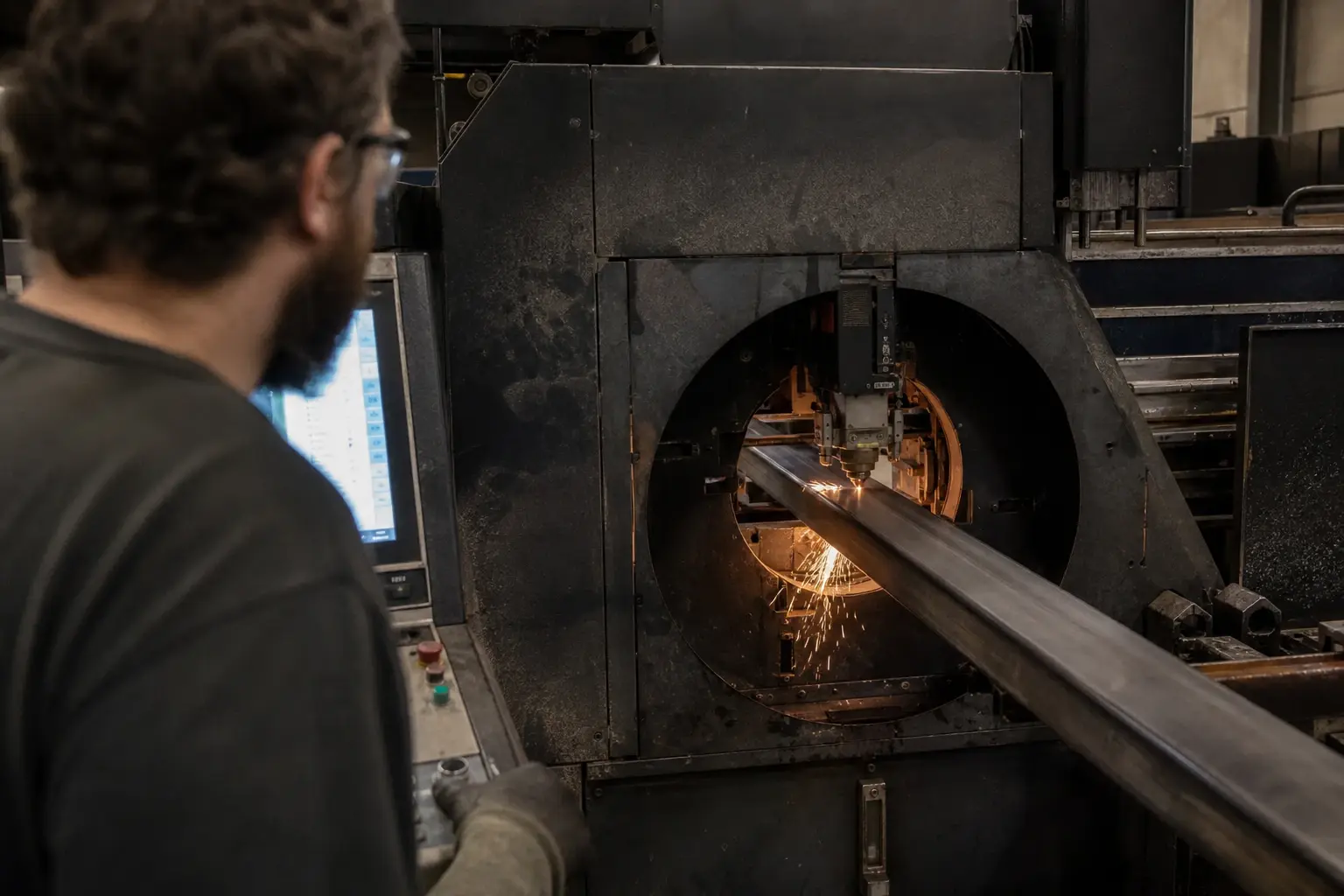
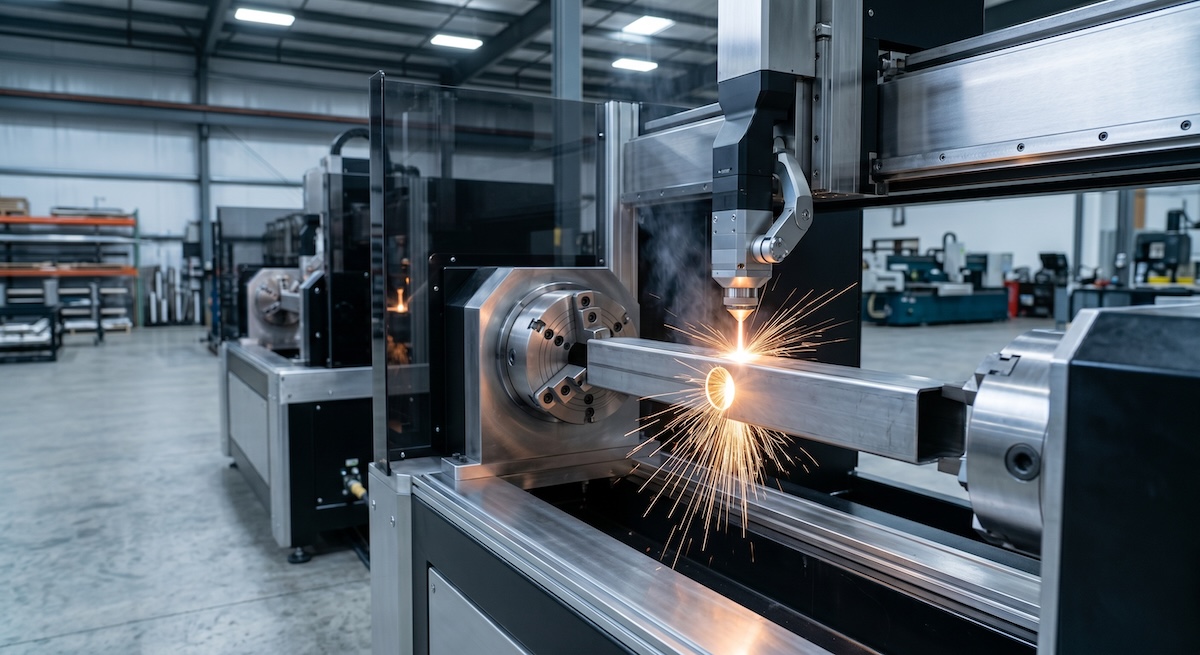
Blueline's LT7 tube lasers are 4kW and fully automatic, and they cut tube up to 6 inch square or round. Blueline also processes tube up to 13 inch diameter, with 5-axis beveling capability. Cutting, slotting, notching and hole cutting happen in one operation, so a revised part moves through the shop as one updated program rather than a chain of separate steps.
Blueline states that single-operation processing reduces error rates by up to 70%. It also states cutting tolerances of plus or minus 0.003 inch. Those are Blueline's own figures, so ask us which ones apply to your material, wall thickness and feature type.
Scale raises the stakes
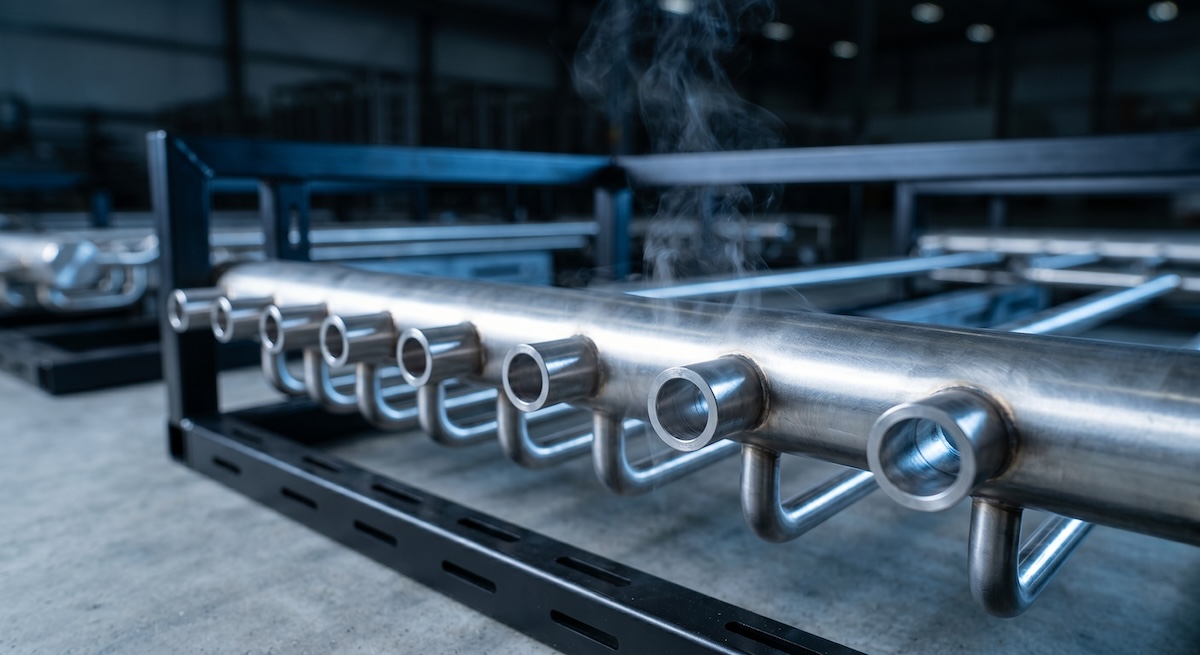
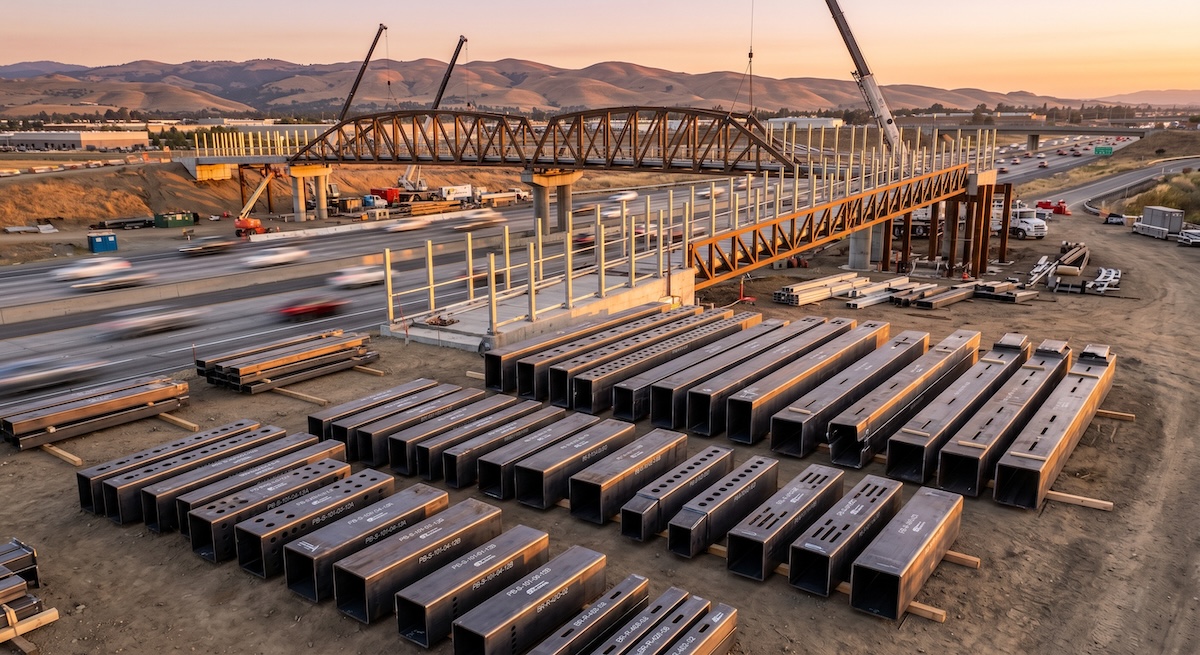
Blueline has worked on projects at serious scale, including the Caltrans I-5 pedestrian bridge in Irvine (500,000+ lbs of steel, 2025) and an AI data center cooling project in Sacramento (16 truckloads of stainless steel, 2025). OEM runs look different, but the principle holds. The more pieces in a release, the more a wrong revision costs.
For help preparing the model itself, our guide on how to prepare CAD files for tube laser cutting covers what to check before you send files. For ongoing OEM programs, see our tube laser cutting for manufacturing OEMs page.
A revision checklist for OEM engineers
Use this list each time a custom tube part changes. It takes a few minutes and prevents the most common mix-ups.
- Update the revision level on the drawing, the model and every file name.
- Write a one or two sentence summary for each changed feature.
- State the effectivity: the date, purchase order or lot where the change starts.
- State what to do with parts already cut and material already on hand.
- Send the package to your fabricator before the next cut cycle, not after.
- Ask for written confirmation of the revision level being built.
- Check the first part off the new revision against the change summary before releasing the rest.
FAQ
Should I change the part number or the revision level?
A change that breaks interchangeability usually earns a new part number. A change that keeps the part interchangeable usually earns a new revision level. Your own engineering standard should decide, and your fabricator will follow whichever rule you set.
What does effectivity mean on a change order?
Effectivity is the point where a change takes effect. It can be a date, a purchase order or a lot number. Defining it clearly tells the shop exactly which parts get the old revision and which get the new one.
What file formats can I send for tube laser programming?
Blueline's tube laser cutting services page lists production-ready DXF, STEP and SolidWorks files that we can program directly. It also says our engineering team can convert conceptual drawings into shop drawings. Include the revision level in every file name either way.
Will a design revision change my quote?
It can, because cut features, material or quantities may change. Send the revised package and ask for an updated quote before the next release, so the paperwork matches the parts.
Should I tell my fabricator about a change that is still pending?
Yes. An early heads-up lets the shop plan around it and hold the affected lot if needed. Mark it clearly as pending, and send the released package once it is approved.
Revisions are routine in custom tube work. A clear package, a clear effectivity point and a clear decision on parts already cut keep the next release on track. Blueline Industries is made in America and built on integrity, and we want the right revision on your dock the first time.
Ready to send a revision or start a new part? Get a Quote or call (951) 833-5597.