Quick Summary

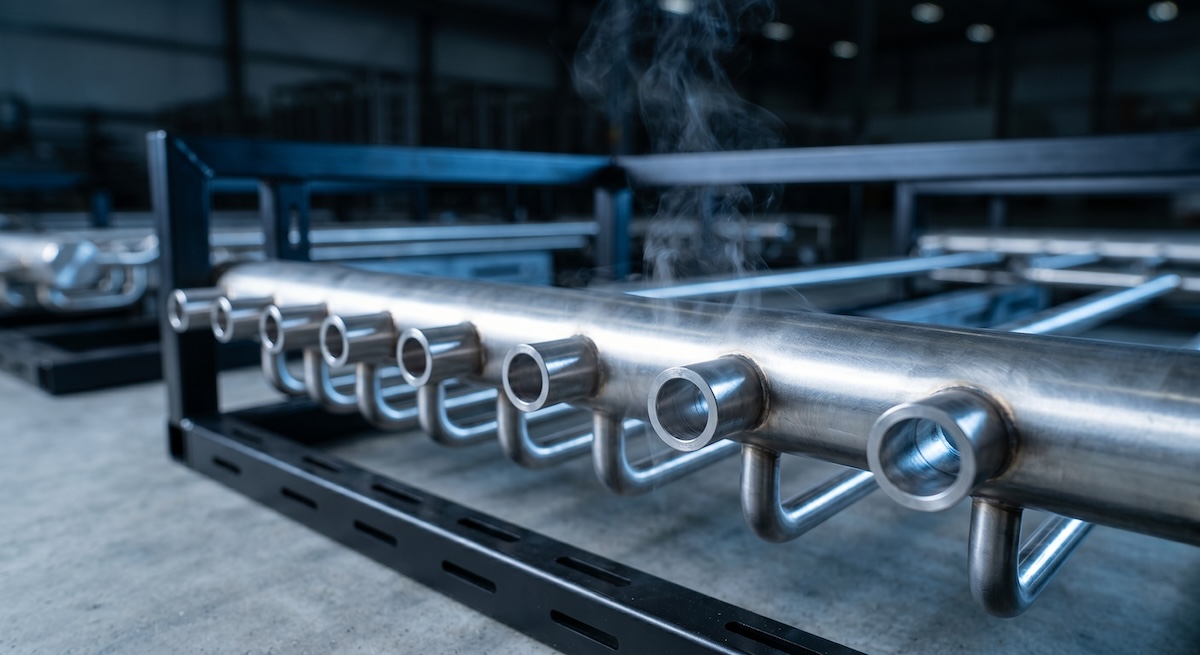
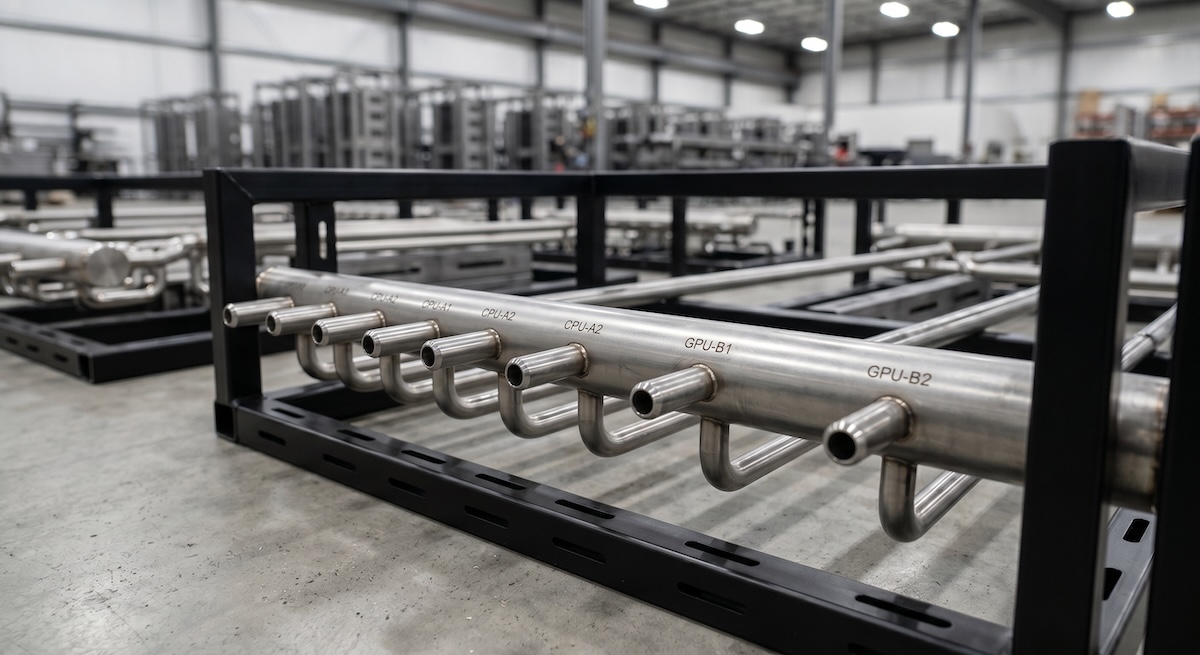
Aerospace tooling frame fabrication means building the welded structures that hold, locate or carry parts during assembly, test and ground handling. Tube is a practical stock for those frames, and laser-cut slots, tabs and notches let the pieces locate each other before welding. Blueline Industries runs tube laser cutting and precision tube fabrication from its shop in Chino, CA.
This post covers what to put in an order package, how to keep a welded frame true, and where laser-cut tube saves the most effort. It is written for engineers and buyers who build fixtures, support structures and handling frames.
What is an aerospace tooling frame, and why build it from tube?
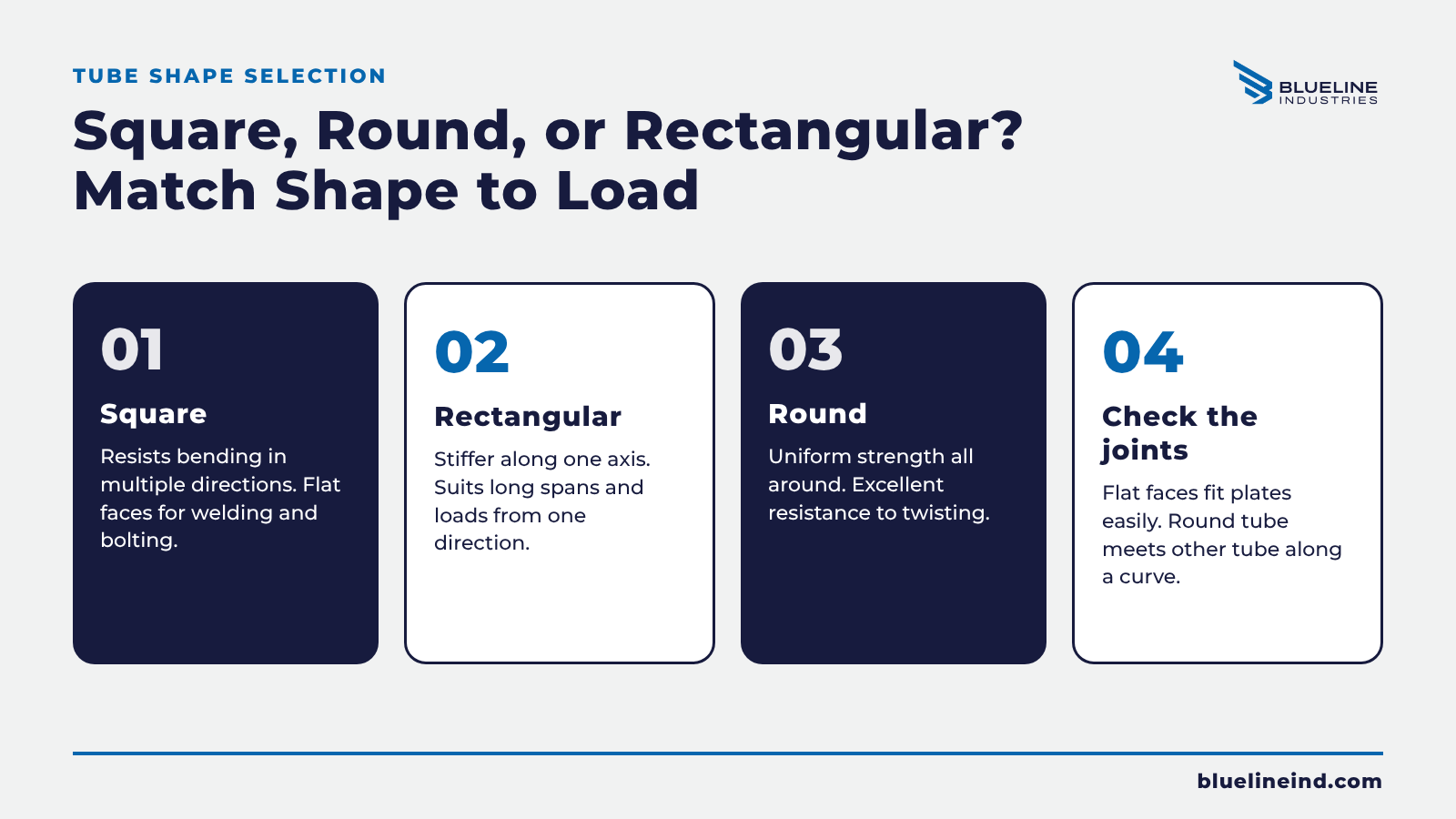
An aerospace tooling frame is a welded structure that supports, positions or moves aerospace parts during assembly, test or handling. Builders often choose tube because it is stiff for its weight, easy to join at angles, and available in square, rectangular and round profiles. The frame's job is to hold geometry, so cut accuracy matters.
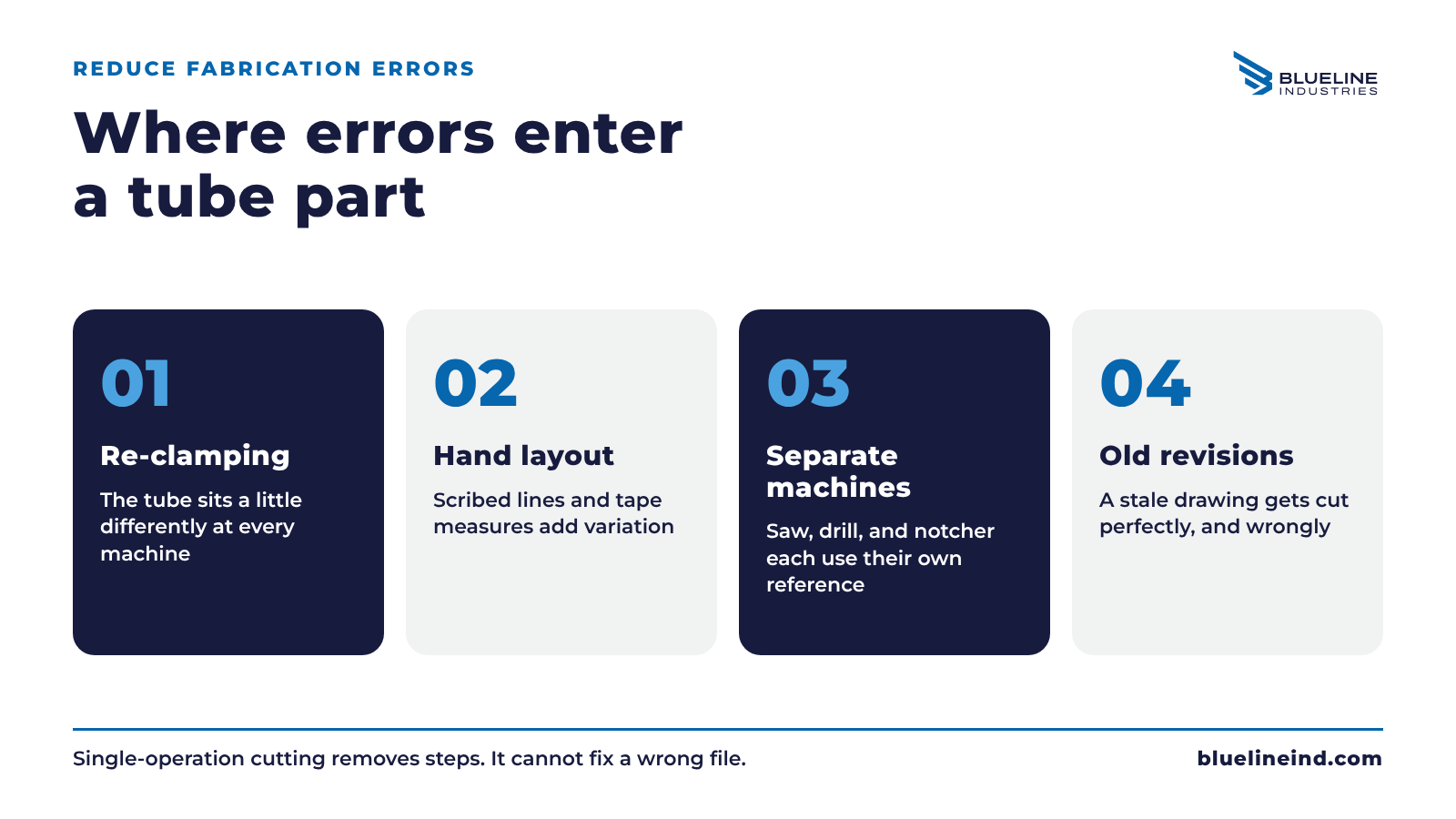
A tooling frame is usually judged by how well it repeats. If two tubes meet at the wrong angle or a slot sits a few thousandths off, that error carries into every part the frame touches. The fewer times a piece is measured, marked and moved before it is joined, the fewer chances an error has to creep in.
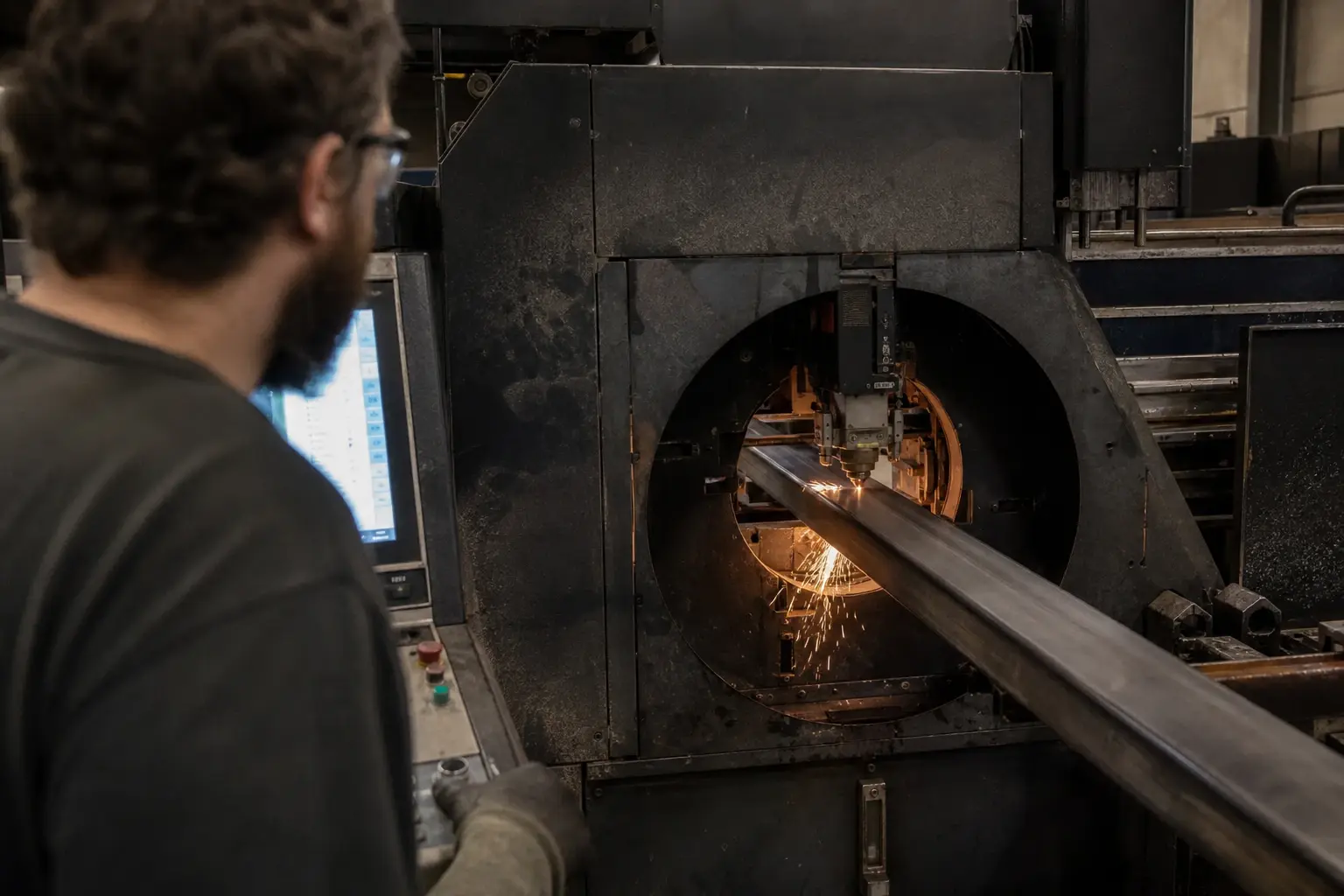
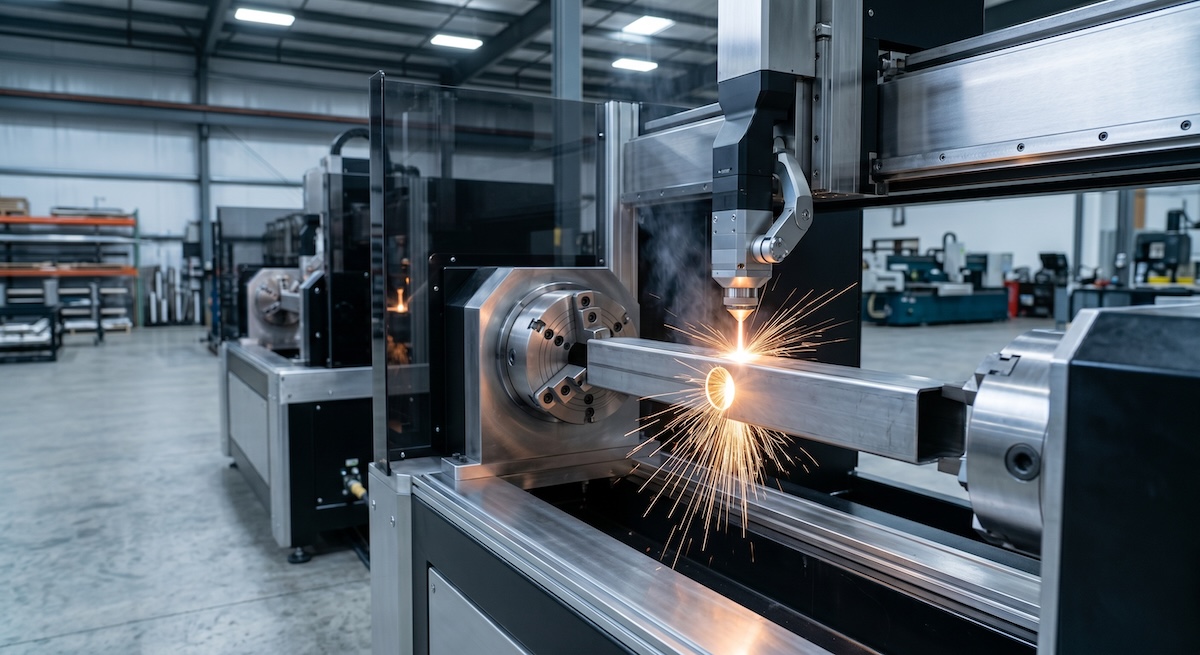
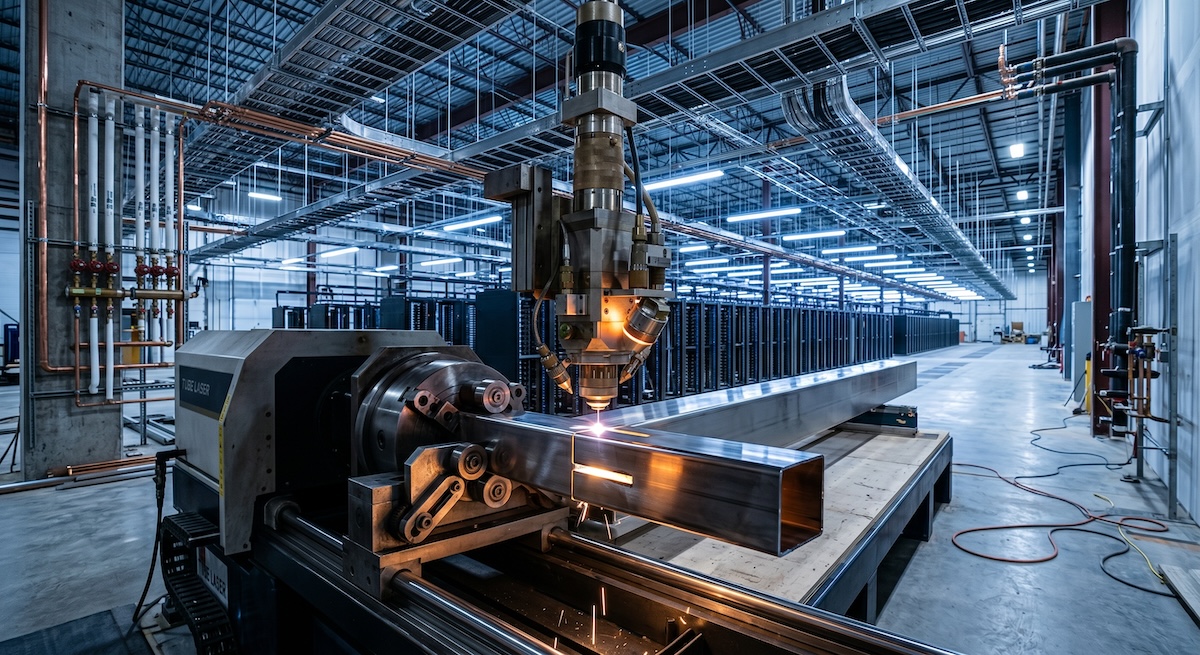
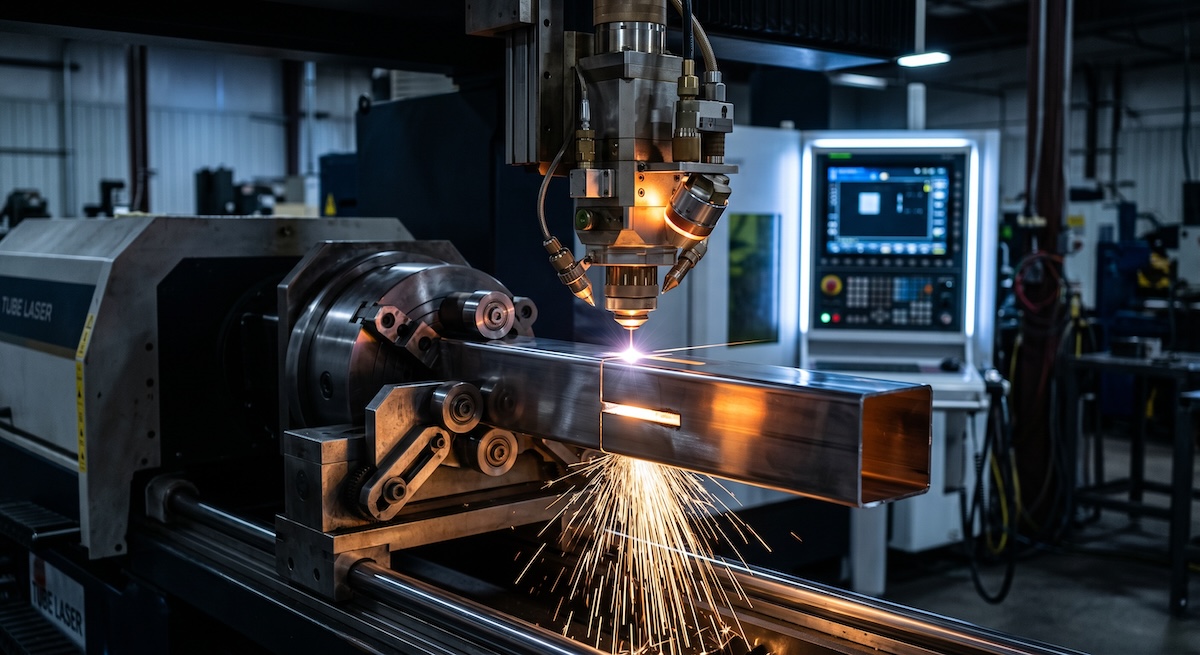
That is where laser cutting helps. A tube laser can cut the length, the end shape, the slots and the holes in one pass. Blueline states that single-operation processing reduces error rates by up to 70%, and that its tolerances are plus or minus 0.003 inch. Those are Blueline's own figures from its site, so confirm what applies to your tube size and wall on your own drawing. See Blueline's precision tube fabrication page for the full service.
Where do ground support structures fit?
Ground support equipment, often shortened to GSE, is equipment that serves aerospace hardware while it is on the ground. SAE publishes ARP1330D, a recommended practice for welding structures for that equipment. Check your program's governing documents, because the real requirements come from your customer and your drawings.
The SAE page describes ARP1330D as providing "general recommendations for welding structural assemblies for aerospace ground support equipment." It lists the document as stabilized, with a 2014 publication date. It is an abstract page, so use the full document if your program calls for it.
The practical point for a tube order is simple. Welded structures for aerospace work often come with rules about how they are built and checked. Put those rules on the drawing or in the purchase documents so the cutting and fabrication scope matches them from the start.
What should a tooling frame drawing tell a tube shop?
A tube shop needs the tube size, wall thickness, material grade, critical dimensions, joint types and quantity. It also needs to know which features control the frame. When those items are missing, the shop has to guess or stop to ask, and both cost time. A complete package avoids most quote delays.
Item to sendWhy the shop needs itTube size and wall thicknessSets the profile, how parts are laid out for cutting, and how the cut is runMaterial and gradeSteel and stainless are processed differently, and the grade affects later weldingDatums and critical dimensionsShows which features control the frame so they get the attentionJoint callouts (miter, cope, slot, tab)Lets the shop cut the joint instead of leaving it to be marked by handHole and slot positionsCut in the same setup as the tube, so they stay related to the endsQuantity and revision levelOne frame and a repeat set are planned differently, and old revisions cause reworkFinish requirementsBare, painted or coated parts need different edge and surface handlingInspection needsTells the shop what you will check when the parts arrive
Send native CAD files when you can, along with a PDF drawing. Blueline's aerospace tube laser cutting spec checklist goes deeper on what to specify for aerospace parts.
How do you keep a welded tube frame true?
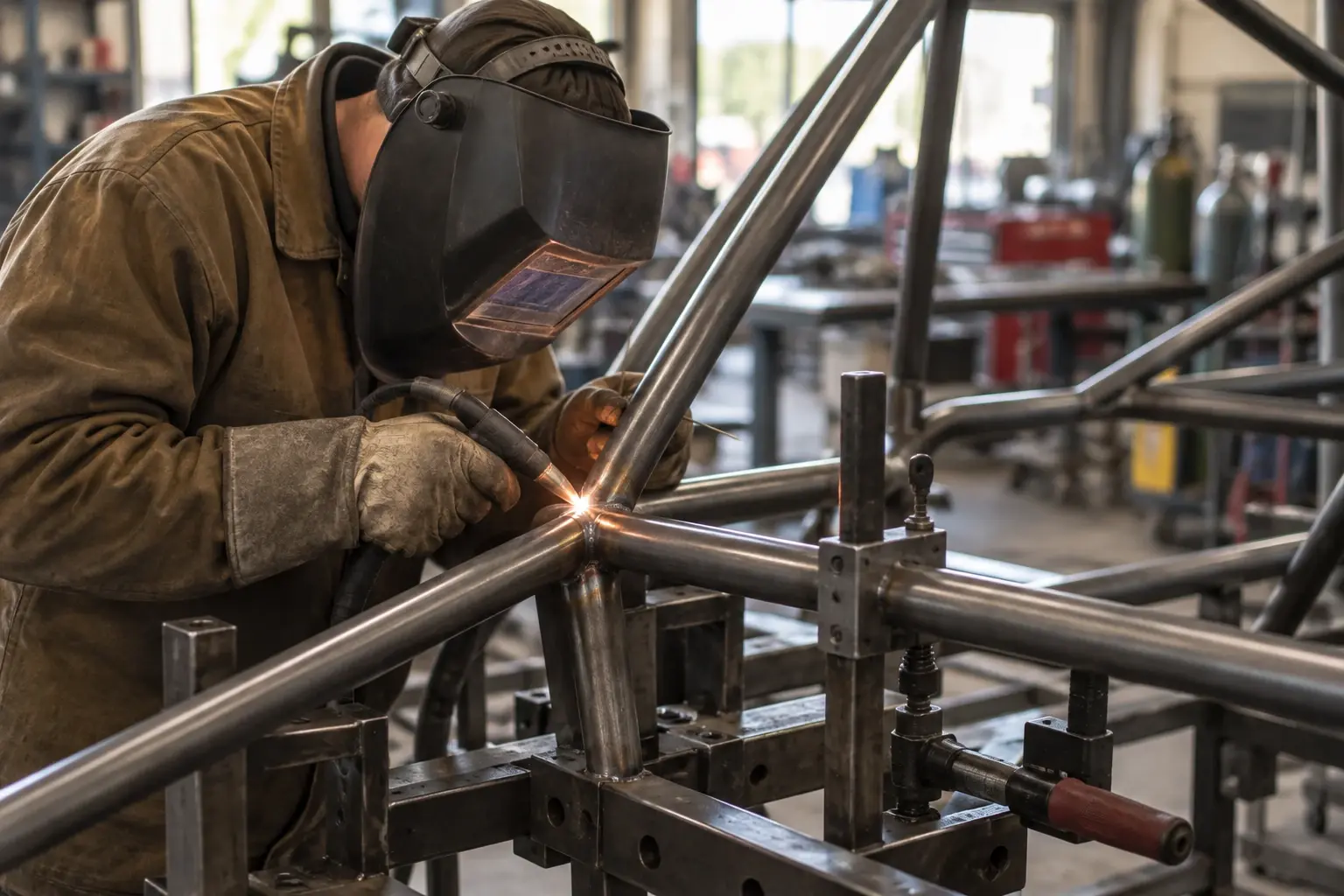
Cut the parts so they locate each other, tack the frame in a balanced sequence, and weld in stages. Fewer loose pieces and fewer hand-marked joints mean fewer places for error to stack up. Confirm the sequence with whoever will weld and inspect the frame, because the final check belongs to your process.
Cut joints that locate themselves
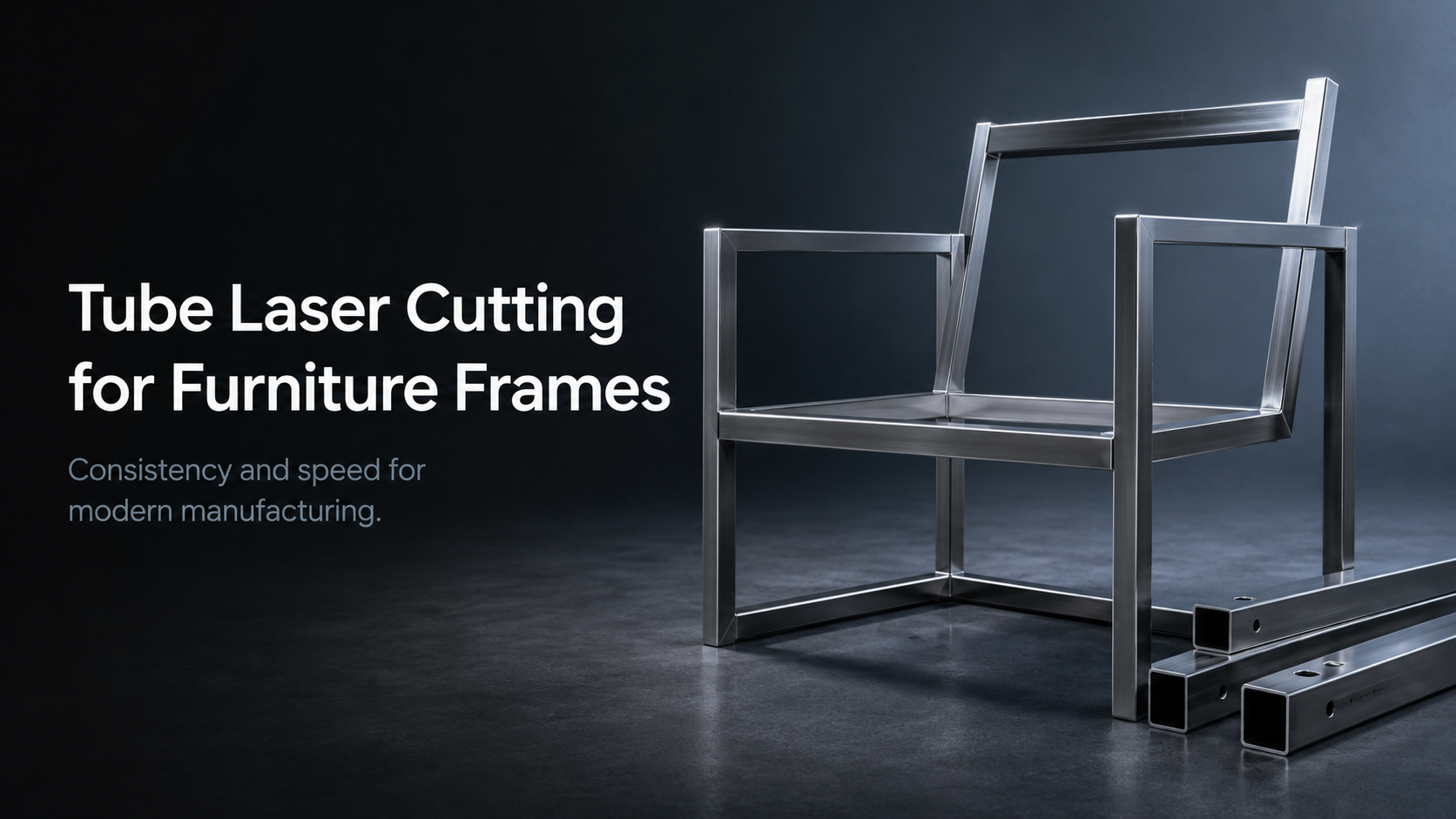
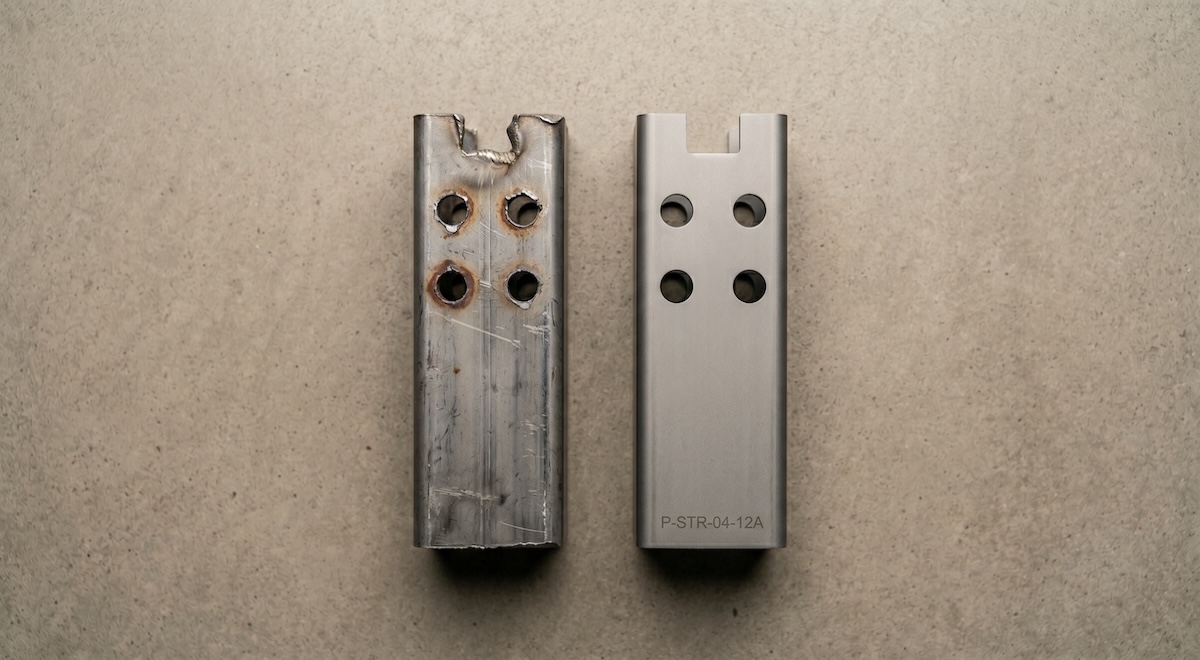
A slot and tab joint gives each piece a place to sit. The fitter does not have to measure from a mark, because the part finds its position. This works well for frames with many cross members, where hand layout would otherwise take most of the build time.
Plan the weld sequence early
Welding adds heat, and heat moves metal. A frame that is welded all on one side can pull out of square. Tacking the frame first, then welding in a balanced order, helps hold the shape. Decide the sequence while you design the frame, not after the parts arrive.
Check the frame against its datums
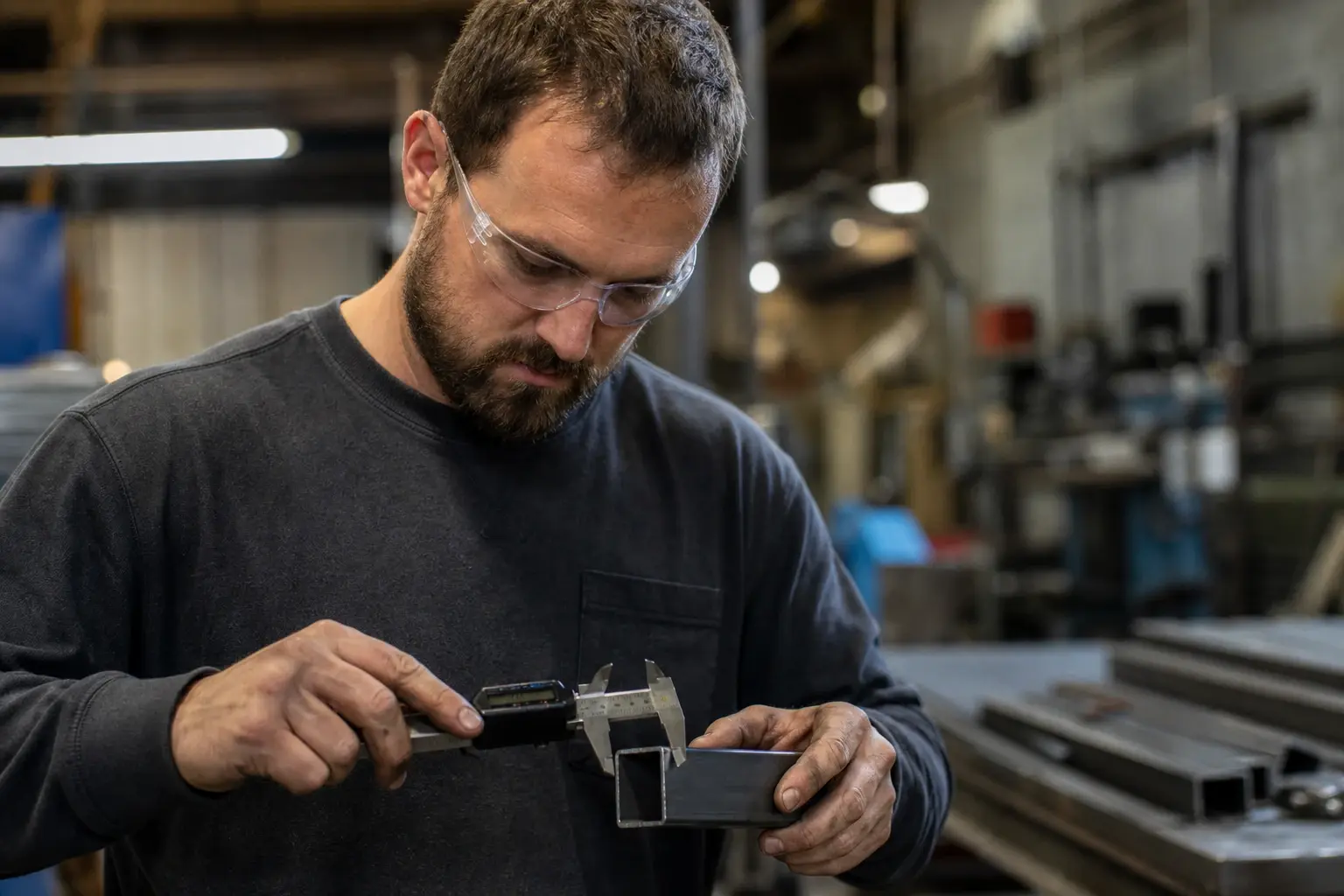
Use the datums on your drawing for inspection. If the frame will hold other parts to a tight position, plan to confirm the critical features after welding. A frame that measured well as loose parts can still shift in the weld.
Is tube laser cutting practical for one-off tooling frames?
Yes. Tooling is often built as a single frame or a short set, and laser cutting works from a digital file with no hard tooling to build. Blueline lists custom tube prototyping and short-run fabrication among its core services, so a first frame and a few revisions are normal work.
Because the cut comes from the file, a design change means a new file and a new cut, not new fixtures. That makes it easier to prove a frame design on one unit before building more. Blueline's custom tube prototyping and short-run fabrication service covers this kind of work, and the post on aerospace tube prototypes explains how to prove geometry early.
What can a large tube structure teach about frame speed?
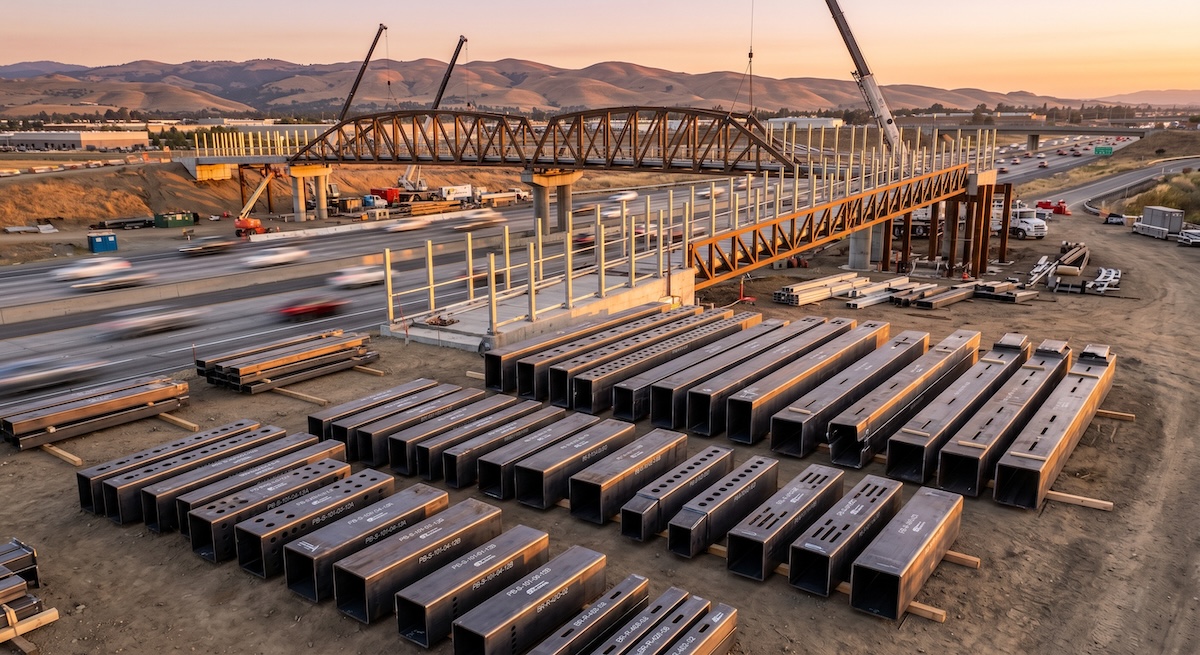
Structures built from many tube pieces go together faster when each piece arrives cut to fit. Blueline's project list includes the Coachella Sahara Stage, which used more than 1 million pounds of steel in 2025. A stage is not a tooling frame, but the same idea applies at any size.
When joints are cut in the tube, the crew spends its time assembling instead of measuring, grinding and trimming. For a tooling frame, that shift matters just as much. Less time spent fitting means more time spent checking that the frame does its job.
FAQ
What is aerospace tooling frame fabrication?
It is the cutting, fitting and welding of structures that hold, locate or carry aerospace parts during assembly, test or handling. Tube is a common starting stock because it is stiff, light for its strength and easy to join. The accuracy of the cut parts largely sets the accuracy of the frame.
Can Blueline cut one-off frames?
Blueline lists custom tube prototyping and short-run fabrication among its core services. A single frame or a small set is a normal request. Send your drawings and quantity, and the shop can quote the cutting and fabrication scope.
What tube sizes can Blueline process?
Blueline's LT7 tube lasers handle tube up to 6 inches square or round and run fully automatically. Blueline also states it processes tube up to 13 inch diameter with 5-axis beveling capability. Confirm your exact profile and wall thickness when you request a quote.
What should I send with my request?
Send the drawing, the CAD file, tube size, wall thickness, material, quantity and any finish needs. Add your datums and any program requirements that apply to the work. A complete package lets the shop respond with fewer questions.
Where can I read the SAE recommended practice?
The ARP1330D abstract is on the SAE Mobilus site. Use the full document and your program's own requirements to decide what applies to your frame.
Next step
If you have a tooling frame, support structure or fixture to build from tube, send Blueline the drawing and quantity. Blueline cuts and fabricates tube at its shop in Chino, CA, and serves customers across the West. Get a Quote or call (951) 833-5597.