Galvanizing Vent Holes in Tube: Cut Them In Early

Hollow tube needs vent and drain holes before hot-dip galvanizing. This guide covers where they go, who sets the size, and why to cut them in the same operation as slots and notches at Blueline in Chino, CA.

Quick Summary

  • Hollow tube needs vent and drain holes before hot-dip galvanizing, so air can leave and zinc can drain.
  • Vent holes belong at the highest point and drain holes at the lowest point, as the part hangs in the kettle.
  • Your galvanizer and engineer set hole size and location. ASTM A385 holds the minimum opening rules.
  • Laser cutting can add those openings in the same operation as slots and notches, so decide them before the cut file is released.

Hollow tube needs vent and drain holes before it goes into a galvanizing kettle, and the easiest time to add them is when the tube is cut. Blueline Industries is a tube laser cutting shop in Chino, CA. We cut holes, slots and notches in tube from your drawing, but your galvanizer and engineer decide where the vent and drain openings go and how large they are.

Hot-dip galvanizing is a total immersion process, according to AZZ, a commercial galvanizer. That fact drives everything in this post. This is a design guide for buyers and engineers, not a galvanizing instruction. Blueline's listed services are tube cutting and fabrication, so treat this as what to settle before your parts go to the zinc line.

Checklist infographic for placing vent and drain holes in galvanized tube fabrications

Why do hollow tube parts need vent and drain holes before galvanizing?

Vent holes let air leave a hollow part as it enters the cleaning baths and molten zinc. Drain holes let zinc and solutions run out as it comes back up. Without both, trapped air and liquid cause defects and unsafe pressure. The American Galvanizers Association (AGA) says trapped moisture can flash to steam and rupture the fabrication.

The AGA gives the pressure risk a number. It says the resulting pressure increase can reach up to 3600 psi. That is why a sealed tube section is a safety problem and not only a coating problem.

Trapped moisture can also leave bare patches. The AGA notes that steam from trapped liquid can result in localized uncoated surfaces. A hole you skip at the cutting stage can show up later as a rejected part or a repair.

Where should vent and drain holes go on a tube?

Put vent holes at the highest point and drain holes at the lowest point, as the part is mounted during galvanizing. The AGA states this directly. Because a part can be hung more than one way, the high and low points can change with the lift plan. Confirm the hanging orientation with your galvanizer.

Corners on square and rectangular tube

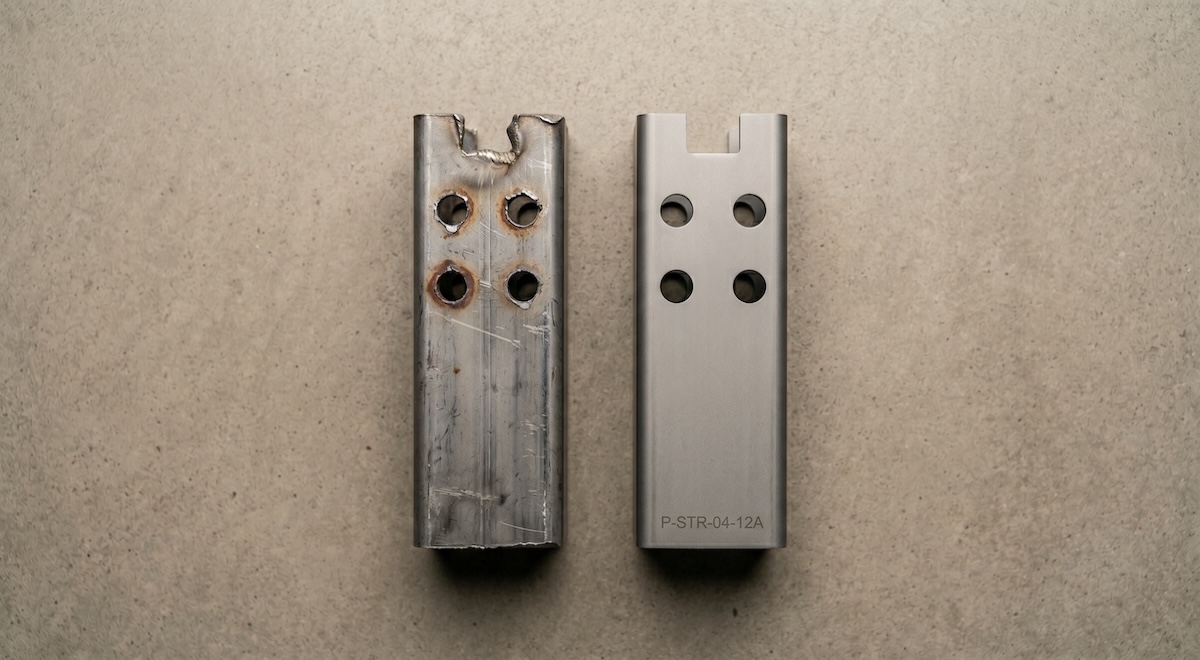
Square and rectangular tube traps air, zinc and solutions in its corners. AGA guidance describes 2-hole and 4-hole corner designs for these shapes and calls the 4-hole design preferred. The AGA says the 4-hole layout gives the most flexibility when orienting the part for lifting.

AZZ makes a similar point. It says corner openings often vent and drain better than centered openings on square and rectangular hollow structural sections.

Near welds and intersections

AZZ advises positioning vent and drain holes as close to welds and intersections as practical. These are the places where air and zinc get caught. A hole in the middle of a long straight wall does little for a trap at the joint.

How big should vent and drain holes be?

This post cannot give you a size, and you should be wary of any blog that does. The AGA pages we read do not list hole diameters. They point to ASTM A385, which they say holds the primary information on minimum openings and locations for vent and drain holes. Your galvanizer or engineer sets the size.

AZZ adds two general rules. Avoid undersized vent holes, and provide the largest practical openings between interconnected members. Both are easy to follow when the holes are laser cut, because the opening is just another feature in the file.

Which tube designs cause trouble in the kettle?

Sealed sections, zinc traps and centered end plate openings cause most of the trouble, according to AZZ. The table below pairs each design issue with a fix drawn from the AZZ and AGA guidance.

Design issueWhy it mattersWhat to do
Sealed section with no ventingAir and liquid cannot escape. AZZ lists it as a potentially unsafe condition.Add vent and drain openings before fabrication.
Undersized vent holesSlows air release and zinc drainage.Use the largest practical opening and confirm size with the galvanizer.
Centered openings on end platesCan leave air trapped at the plate.Move openings toward corners.
Connections that create zinc trapsZinc pools at the joint.Open the joint or place holes next to it.

Why cut vent holes at the laser instead of drilling later?

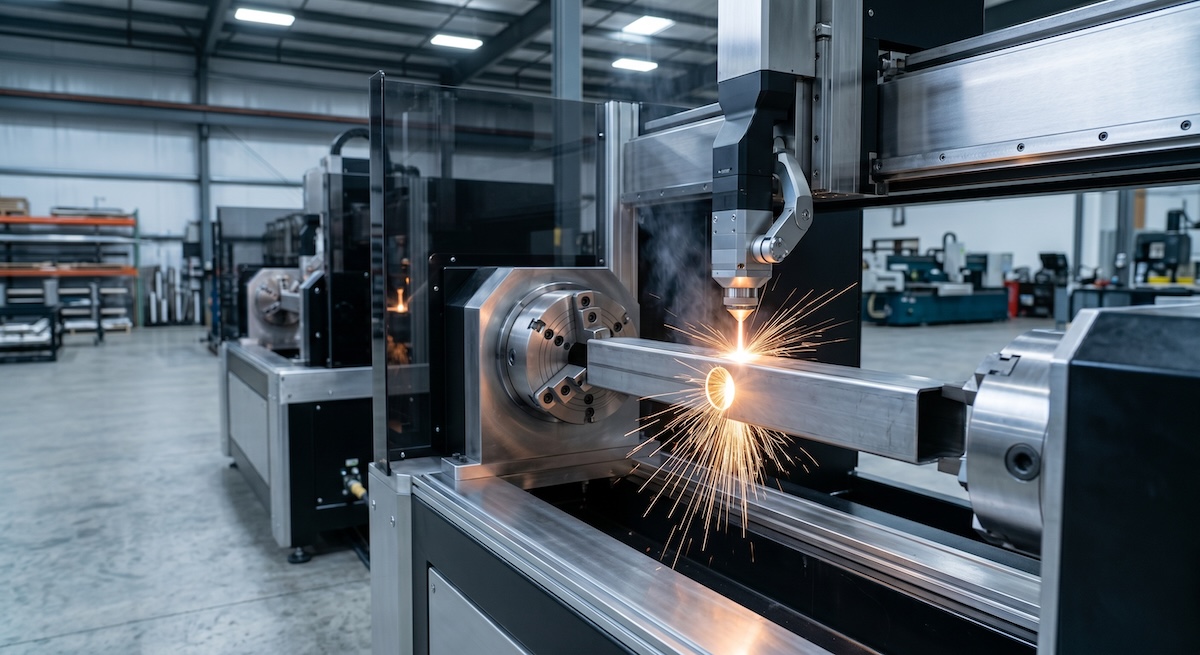
Laser cutting adds the opening during the same operation as the slots and notches, so the hole position comes straight from your CAD file. Blueline states that single-operation processing removes multiple machining steps. Once tube is welded into an assembly, reaching an internal wall to drill later gets harder.

Blueline cuts precision slotting, notching and hole cutting in steel tube. According to Blueline, tolerances of plus or minus 0.003 inch are possible. Ask us what applies to your tube size and wall.

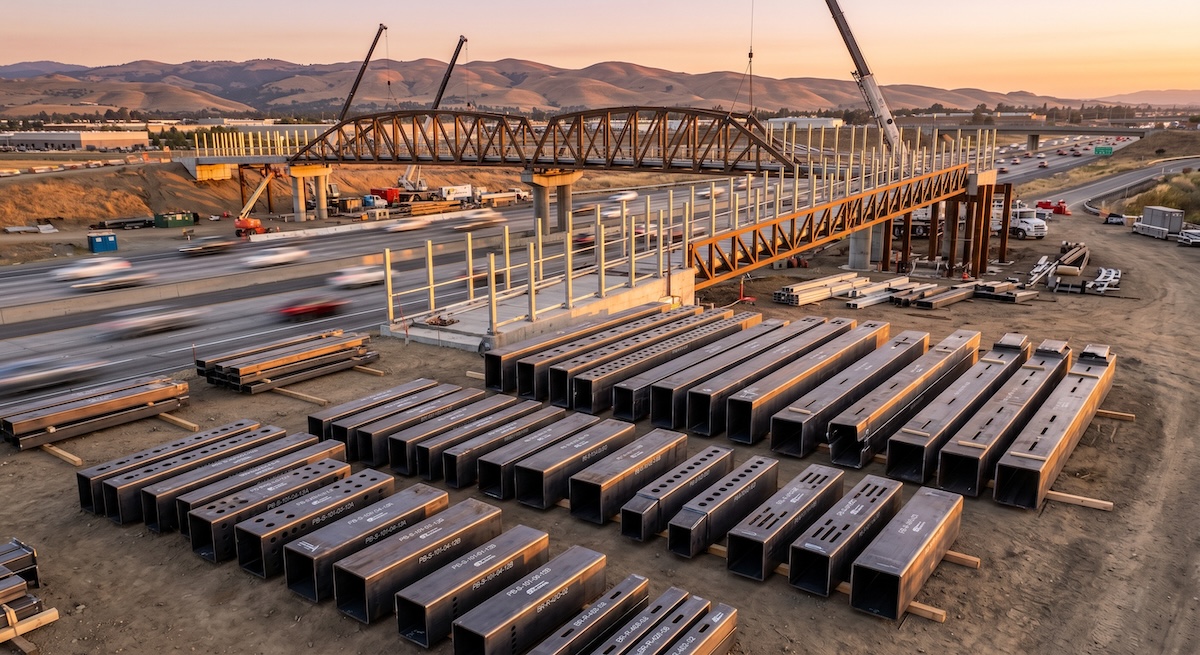
Scale makes late changes costly. Blueline worked on the Caltrans I-5 pedestrian bridge in Irvine, which involved more than 500,000 lbs of steel in 2025. At that volume, adding a hole pattern after parts are cut means recutting or reworking many pieces. We make no claim here about how that project was finished.

For slot fit questions that overlap with hole planning, see our post on kerf and slot fit.

What should you send with a tube RFQ when parts will be galvanized?

Tell us the parts will be galvanized and send the hole locations your galvanizer approved. That one note changes how we read the file. These items make the quote faster and cut back-and-forth.

  1. The CAD file with vent and drain holes already drawn, or a note that the galvanizer will supply them.
  2. The hanging orientation, if the galvanizer has set one.
  3. Tube shape, size, wall thickness and material.
  4. Quantity and whether it is a prototype, short run or repeat order.
  5. Any weld joints where an opening must sit next to the joint.

FAQ

Do all galvanized tube parts need vent and drain holes?

Hollow parts that will be immersed generally need a way for air and zinc to move. The AGA guidance addresses fully open ends and alternative hole layouts for parts where open ends are not possible. Your galvanizer confirms what your part needs.

Who decides vent hole size and location?

The galvanizer and the engineer or detailer decide. AZZ recommends consulting the galvanizer during design, before fabrication begins. Blueline cuts the openings to the drawing you send.

What standard covers vent and drain hole openings?

The AGA points to ASTM A385 as the primary source for minimum openings and locations. It also warns that the round tube and pipe substitutes in that standard should not be assumed to apply to square or rectangular structures with base plates.

Can a laser cut vent holes at the tube corners?

Laser cutting can place features on a tube from a CAD file. Whether a corner opening suits your part depends on wall, radius and the galvanizer's layout. Send the drawing and we will review it.

Does Blueline galvanize tube?

Galvanizing is not one of Blueline's listed services. We cut and fabricate tube in Chino, CA. Ask us how to coordinate with your galvanizer.

Plan the Holes Before the Cut

Vent and drain holes are cheap to add in the cut file and costly to fix after welding. Settle them with your galvanizer first, then send us the drawing.

Get a Quote: Contact Blueline Industries or call (951) 833-5597. Our shop is in Chino, CA, and we ship to Portland, Tucson, San Francisco, San Diego, Seattle, Salt Lake City, Las Vegas, San Jose and Los Angeles.

Newsroom

The latest industry news
and insight from Flowpoint.

Tube laser machine with a long feed conveyor and lengths of steel tube on the shop floor
Normal to Surface Cuts in Tube Laser Cutting: Model It Right
Bundles of laser-cut steel tube with rows of round holes on a shop floor
Tube Laser Cutting Hole Size: Match Holes to Wall Thickness
Exterior of an LS5 laser cutting machine with control panel and warning light in a fabrication shop
Tube Wall Thickness vs Gauge: How to Call It on a Drawing
Forklift moving bundled steel tube stock in an outdoor yard beside a fabrication building
Metal Table Base Fabrication: Cut the Leg Joints Right
Blueline Industries graphic: packaging laser cut tube parts for shipping
Packaging Laser Cut Tube Parts for Shipping: What to Ask
Blueline Industries graphic: modular data center steel fabrication and tube parts that repeat
Modular Data Center Steel Fabrication: Tube Parts
Stack of rectangular steel tubes with cut holes inside a metal fabrication shop
Tube Laser vs Sheet Laser: Which Process Fits the Part?
Stacked rectangular steel tubes with laser-cut slots, tabs, and holes in a metal fabrication shop
Tab and Slot Tube Fabrication for Faster Field Assembly
Four cards: bow, twist, out-of-square and sag, tube variations to plan for before laser cutting
Tube Straightness and Laser Cutting: Plan for Bow and Twist
Four cards: freeze the revision, define the material, approve a first article, agree on checks
High Volume Tube Fabrication: Keep Every Part Identical
Infographic listing four causes of burrs and dross in laser cutting and what each one changes
Deburring Laser Cut Tube Parts: What Still Needs Hand Work
Tube handling and loading system on a shop floor with a bundle of steel tube beside it
Galvanizing Vent Holes in Tube: Cut Them In Early
Infographic comparing oxygen, nitrogen and compressed air as laser cutting assist gases
Assist Gas for Tube Laser Cutting: Nitrogen vs Oxygen
Infographic: five items to send a tube shop for an aerospace tooling frame order
Aerospace Tooling Frame Fabrication From Laser-Cut Tube
Graphic comparing ERW, DOM, and seamless tube, plus what to tell your shop.
ERW vs DOM vs Seamless Tube: What Matters for Laser Cutting
Four-step graphic: lock the revision, cut from one program, group by frame, prove one first.
Data Center Skid Frame Fabrication: Repeatable Tube Frames
Four step checklist for dimensioning machine frame tube from one datum
Machine Frame Tube Fabrication: Build From One Datum
Four step checklist for cutting tube truss chords and web members
Tube Truss Fabrication: Cutting Chords and Webs to Fit
Five-step process for approving first article tube parts before a production run
First Article Tube Parts: Approve a Run Before Release
Four-step checklist for calling out precision tube cutting tolerances on a drawing
Precision Tube Cutting Tolerances: How to Call Them Out
Infographic: four checks for square tube corner radius before laser cutting
Square Tube Corner Radius: What It Changes in Laser Cutting
Infographic: four rules for where to place the weld seam on laser-cut and bent steel tube
Tube Weld Seam Orientation: Where the Seam Should Sit
Infographic of four things to compare between fiber and CO2 lasers for tube cutting
Fiber vs CO2 Laser for Tube Cutting: What Matters
Infographic of five checks before cutting thin wall tube with a laser, from naming the tube to prototyping first
Thin Wall Tube Laser Cutting: Protect the Walls
Infographic of tube material waste sources: offcuts, end scrap, part length, and cut list
Tube Laser Nesting: How Layout Affects Material Yield
Infographic of five items to send in a data center RFQ: design data, material, finish, scope, delivery
Data Center Fabrication RFQ Checklist: What to Send a Tube Shop
Six-card checklist for inspecting laser cut tube parts: identity, size, end cuts, features, edges and records
Inspecting Laser Cut Tube Parts: A Receiving Checklist
Six-card checklist: size and grade, cut features, end conditions, finish, delivery order and spec requirements
Steel Fabrication for Infrastructure California: Scope First
Infographic listing five steps to settle before cutting tube, from nominal sizes to a first piece check
What Is Kerf in Tube Laser Cutting? Slot Fit Explained
Infographic listing six items to send with a roll cage notch list, from tube size and wall to part label
Roll Cage Tube Notching: How to Spec Your Cut List
Infographic comparing miter and cope cuts in structural tube with gap and file checklist
Miter and Cope Cuts in Structural Tube: Choose by Joint
Infographic: four steps for metal furniture frame fabrication, from tube profile to first run
Metal Furniture Frame Fabrication: Plan the Finish First
Blueline Industries graphic: heat affected zone in tube laser cutting and what to put on the drawing
Heat Affected Zone in Tube Laser Cutting: A Plain Primer
Blueline Industries graphic: nitrogen cooling tube site checks, a receiving checklist for fabricated stainless tube
Nitrogen Cooling Infrastructure Tube Fabrication Checks
Blueline Industries Honored at the Illuminate Life Gala
Blueline infographic: five-step tube laser prototype loop from questions to revision
Tube Laser Prototyping Services: Iterate Before You Commit
Blueline infographic: five checks before sending large diameter tube for laser cutting
Large Diameter Tube Laser Cutting: Plan the Fit-Up First
Infographic: five design checks for tube laser cutting, from hole size to weld seam location
Design for Tube Laser Cutting: Choices That Cut Rework
Infographic: five items to send when a custom tube part changes, from part number and revision to parts already cut
Custom Tube Fabrication for OEMs: Handling Design Revisions
Infographic: what to specify for chassis tube and exhaust tube before laser cutting
Chassis and Exhaust Tube Laser Cutting: Steel vs Stainless
Infographic: notch, cope, miter, and bevel cuts a tube laser makes in one pass
Tube Notching and Coping: Joints That Fit Off the Machine
Infographic: four places errors enter a tube part, from re-clamping to old revisions
How to Reduce Fabrication Errors With Single-Operation Cutting
Infographic: four tube laser joint features that make furniture frames repeat
Furniture Tube Laser Cutting: Build Frames That Repeat
Blueline infographic: five items in a Las Vegas quote packet for a Chino, CA tube laser shop
Tube Laser Cutting Las Vegas: Shipping Work In From Chino, CA
Blueline infographic: five items a complete data center fabrication release needs before parts are cut
Data Center Construction Fabrication Lead Times Explained
Infographic: four questions that decide stainless vs carbon steel tube, covering exposure, edge, paint and duty
Stainless vs Carbon Steel Tube for Fabrication: How to Choose
Infographic: four steps from drawing to install for stage tube parts, from sending the model to shipping in install order
Fabrication for Stage and Entertainment Structures: Parts That Fit Fast
Infographic: five questions to ask when choosing a tube fabrication partner
How to Choose a Tube Fabrication Partner: Questions to Ask
Infographic: four steps to design laser cut tube assemblies where parts locate themselves with slots and tabs
Laser Cut Tube Assemblies for OEMs: Parts That Self-Locate
Infographic comparing square, rectangular, and round tube by load direction, twisting, and joints
Square vs Round vs Rectangular Tube: How to Choose
Infographic comparing air bending, bottoming, and coining in press brake bending
What Is Press Brake Bending? A Shop-Floor Primer
Infographic: five steps for how a Chino shop delivers laser-cut tube parts to Los Angeles buyers
Tube Laser Cutting Los Angeles: What a Chino Shop Ships You
Infographic: four steps from CAD file to a proven tube prototype, ending in revise and scale
Aerospace Tube Prototypes: Prove the Geometry Fast
Stack of square steel tubes on a table in a fabrication shop
Tube Laser vs Waterjet for Tube: Matching Process to Part
Four-step graphic: start from the schedule, bundle by assembly, mark every part, release in phases
Data Center Steel Fabrication: Ship Parts in Install Order
Blueline logo on a glass entrance door beneath an OFFICE sign
Tube Laser Cutting San Jose: What to Send for a Chino Quote
Infographic: four checks for exposed tube joints, from seam placement to a clean model
Architectural Steel Tube Cutting for Exposed Joints
Infographic: what is 5-axis tube beveling, four steps from tilting the head to fit and weld
What Is 5-Axis Tube Beveling? A Weld-Prep Primer
Infographic: count the steps on every part, tube laser versus saw and drill, in four steps
Tube Laser vs Saw and Drill: Counting Steps Per Part
Blueline Industries at FABTECH 2026 Las Vegas: Meet Our Tube Laser Cutting Team
Operator using the control panel of an industrial laser machine on a shop floor
Tube Laser Cutting Salt Lake City: Sending Work to Chino, CA
Infographic: four sources of tube laser cutting tolerance: the tube, the drawing, the features and the process
What Tolerances Can Tube Laser Cutting Hold?
Blueline infographic: six factors that affect tube laser cutting cost
What Affects Tube Laser Cutting Cost? Factors, Not Prices
Blueline infographic: six items to send with an aftermarket tube fabrication quote request
Automotive Aftermarket Tube Fabrication: Fit Before Finish
Infographic: five steps of a first tube laser order from Chino, CA
Tube Laser Cutting Seattle: Your First Order From Chino, CA
Infographic: four checks for choosing stainless tube for cooling systems
Stainless Steel Tube Fabrication for Cooling Systems
Blueline checklist of six material details to give a tube laser cutting shop
What Materials Can a Tube Laser Cut? Steel to Aluminum
Blueline checklist of six items to send with a structural tube quote request
Structural Steel Tube Laser Cutting for Faster Fit-Up
Glass entrance door with the Blueline logo at a Blueline building
Tube Laser Cutting San Francisco: Buying From Chino, CA
Bundle of square steel tube in a fabrication shop with a tapping machine and equipment in the background
Short Run Tube Fabrication: Prove the Design Before Scaling
Blueline graphic: What tube sizes can a tube laser cut, profiles and diameters
What Tube Sizes Can a Tube Laser Cut? Capacity Explained
Blueline graphic: Prepare your CAD files for tube laser cutting, a pre-send checklist
How to Prepare CAD Files for Tube Laser Cutting
Blueline infographic: five-item spec package checklist for aerospace tube laser cutting
Aerospace Tube Laser Cutting: A Spec Checklist for Engineers
Blueline infographic: five steps of a Tucson tube laser cutting order from Chino, CA
Tube Laser Cutting Tucson: Ordering From a Chino, CA Shop
Infographic on choosing tube laser or plasma: wall thickness, features, edge and weld, volume
Tube Laser vs Plasma Cutting: Which Fits Your Tube Job?
Infographic listing four items to send for a data center support quote: geometry, tube spec, material, fit and finish
Tube Laser Cutting for Data Center Supports: What to Specify
Blueline Industries graphic: tube laser cutting for Portland buyers from Chino, CA
Tube Laser Cutting Portland: Working With a Chino Shop
Blueline Industries graphic: tube laser cutting for bridge fabrication
Tube Laser Cutting for Bridge Fabrication: What to Ask
Hiring For Hearth: Blueline Industries Builds A Culture for Growth
How tube laser cutting improves roll cage fabrication
How to get a tube laser fabrication quote for your manufacturing OEM project
Tube Laser Cutting San Diego, CA: Services, Capabilities, and How to Get a Quote
Custom Metal Furniture Frames: A Manufacturer's Guide to Tube Laser Cutting
Tube Laser Cutting Explained: How It Works and Why It Matters for Manufacturers
Tube Laser Cutting: What It Is and How It Works
CNC Tube Cutting vs. Manual Fabrication: Why Production Shops Are Making the Switch
Tube Laser Cutting Services: A Complete Guide for OEMs, Contractors, and Engineers
Why AI Data Center Builders Are Switching to Tube Laser for Nitrogen Cooling Infrastructure
Structural Steel Fabrication for Data Center Construction: Meeting the Demands of AI-Scale Infrastructure
Custom Tube Fabrication for High-Volume Production: What to Look for in a Fabrication Partner
Structural Steel Fabrication for California Infrastructure: What GCs Need to Know About Tube Laser Processing
The Hidden Bottleneck in Data Center Construction and the Fabrication Technology Solving It
Stainless Steel Fabrication for Data Centers: How Single-Process Cutting Reduces Lead Times by Weeks