Quick Summary
A first article tube part is the first piece cut for a new or revised job, measured against the drawing and approved before the run continues. At Blueline Industries in Chino, CA, we run tube laser cutting for OEMs, and the cheapest time to find a drawing problem is before quantity exists. One approved part gives everyone a clear reference for the rest.
This guide explains what to check, who signs off, and what to do if the part does not pass.
What is a first article tube part?
A first article tube part is the first piece cut for a new or revised job, checked against the drawing before the run continues. One published definition describes first article inspection as a documented check that the process can consistently produce parts that conform to the drawing. For tube, that means cut features, length, and fit.
The idea comes from broader manufacturing quality practice. OpenBOM's overview frames it as verifying the very first part before a large run, and says it validates the process, not just the part.
You do not need a formal report for every job. You do need a clear moment where someone looks at part one and says yes or no.
Why approve a first article before the full run?
Because problems are cheapest to fix while only one part exists. A wrong revision, a flipped dimension, or a file that did not translate cleanly will repeat on every part that follows. Approving one piece first turns a possible scrap pile into a single re-cut.
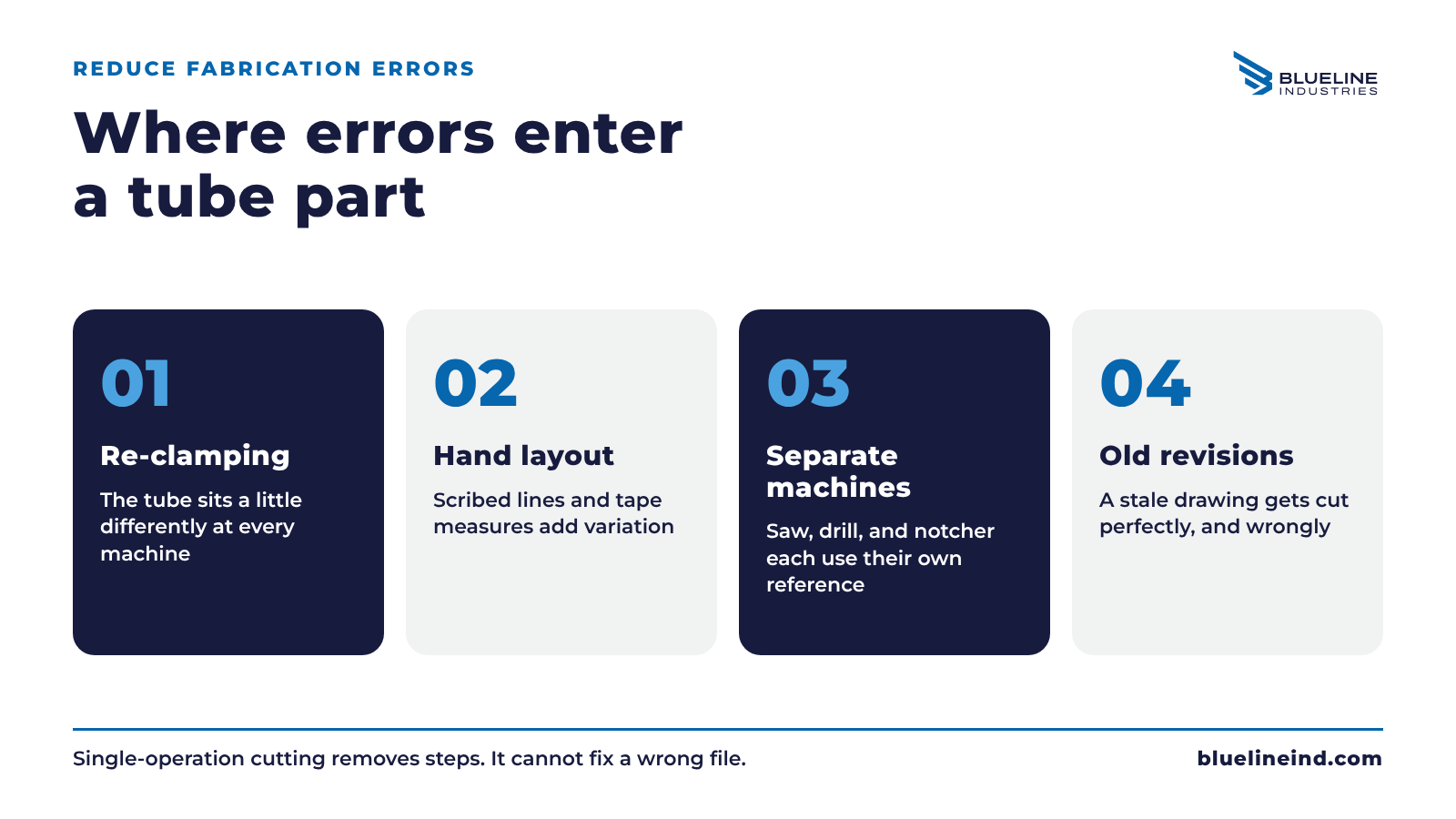
Common problems on a first piece include drawing or file errors, a setup that does not match the print, and tube stock that behaves differently than expected.
This is also why prototypes and short runs exist. Our custom tube prototyping and short-run fabrication service lets you prove a design on a few parts before you commit to more.
It also protects your schedule. A problem found on one part costs a short delay. The same problem found after the full run can cost the whole delivery date, plus the material.
What should you check on a first article?
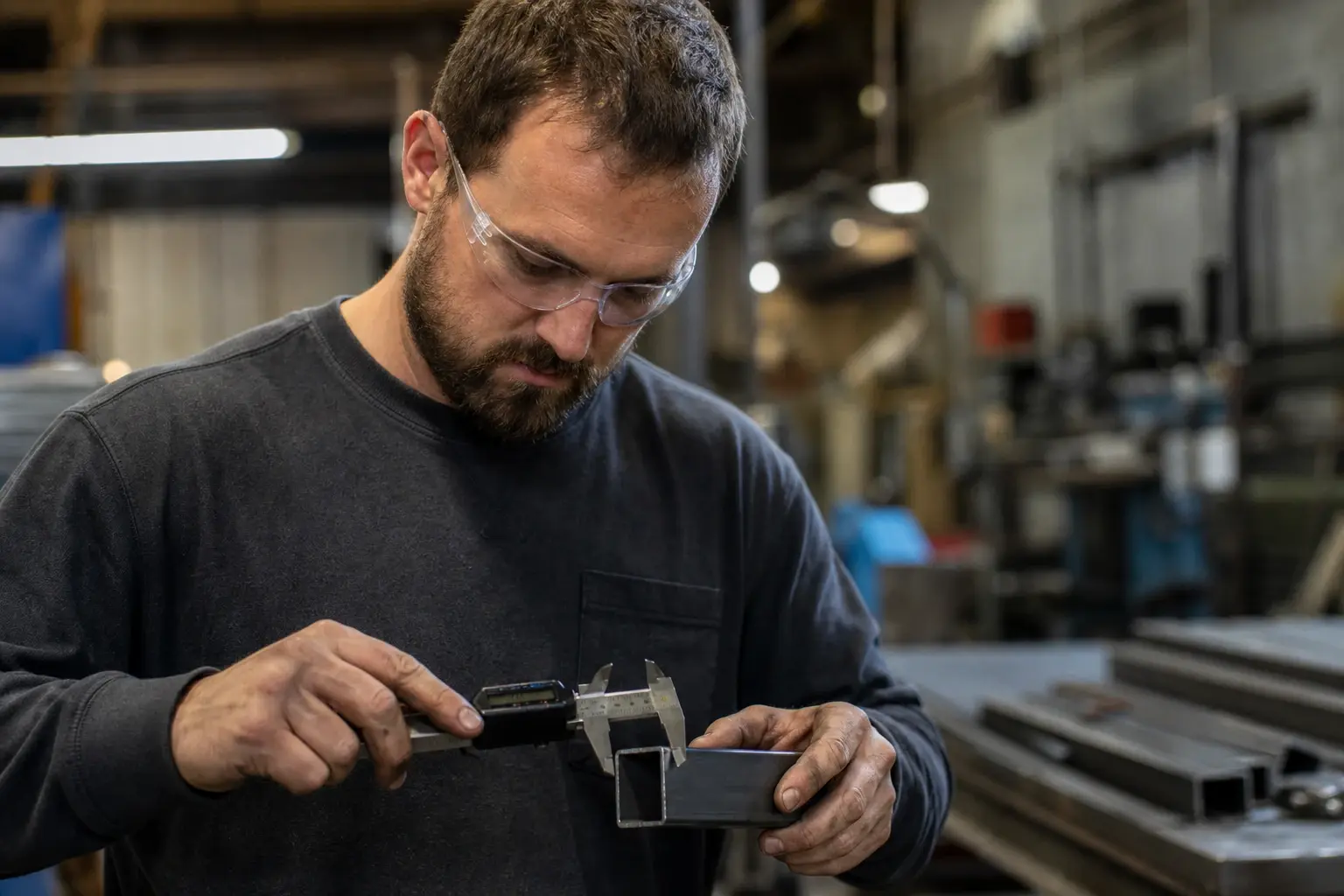
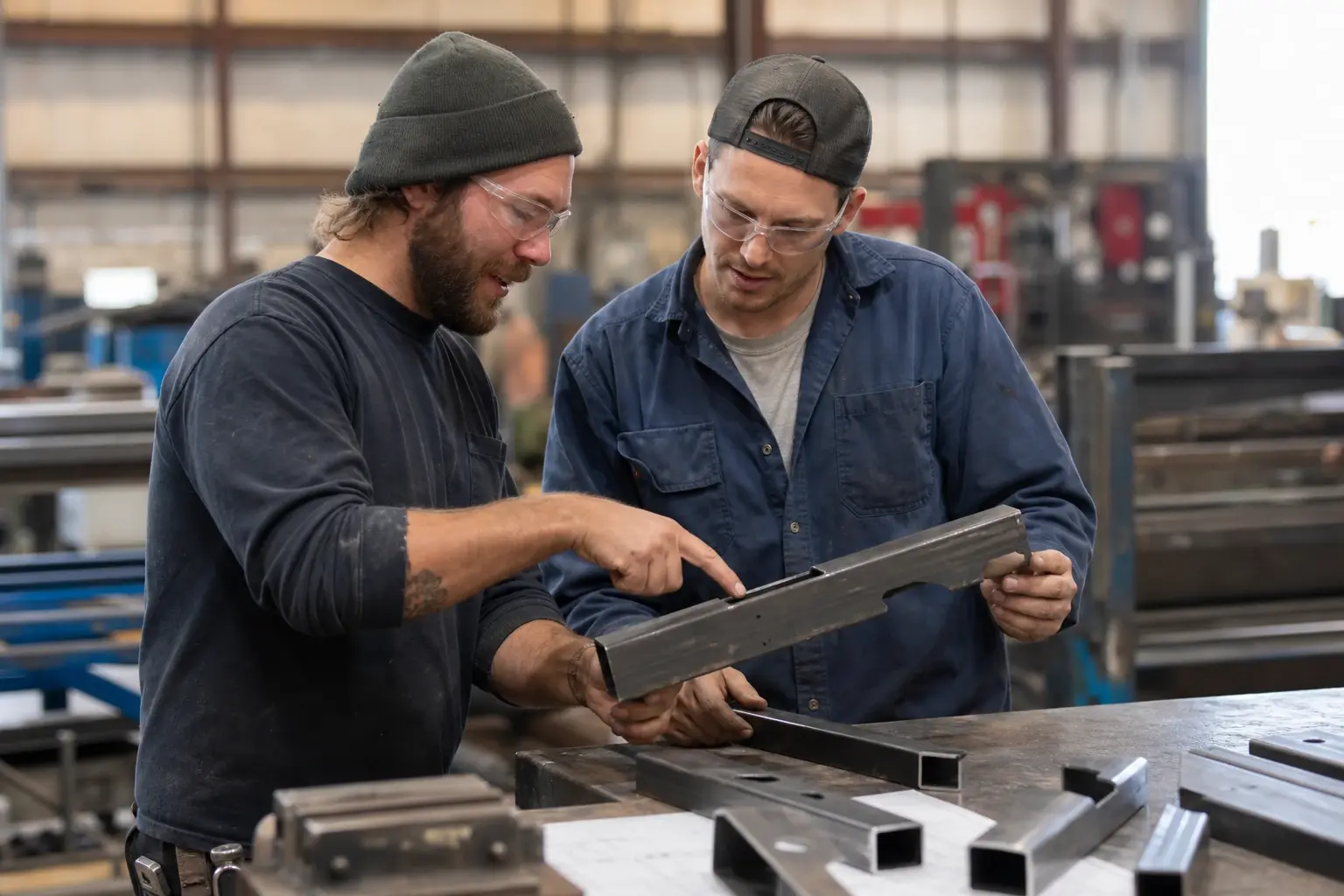
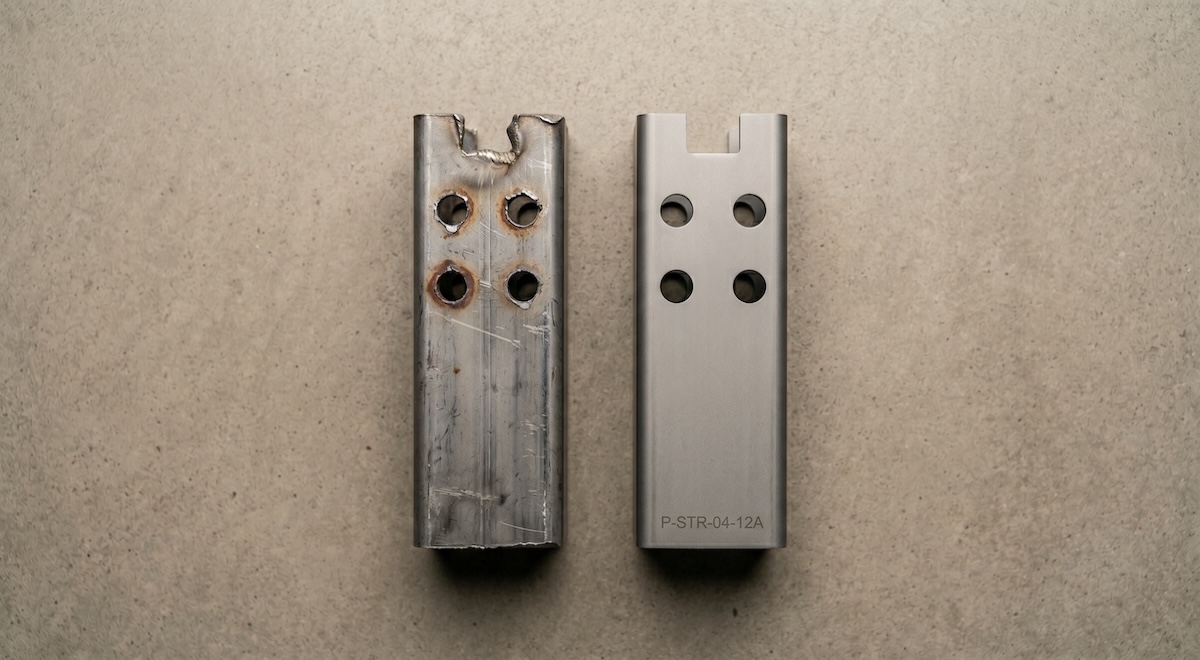
Check the features that control fit: overall length, slot and hole positions, end cuts, and how the part meets its mating piece. Compare each against the print, using the datums the drawing names. Skip nothing that decides whether the assembly goes together, and skip nothing the customer flagged as critical.
What a practical first article check covers
CheckHow to do itWhat it catchesDrawing revisionConfirm the part was cut from the current revisionRevision mix-upsOverall length and end cutsMeasure against the printLength or end-angle errorsSlot and hole positionsMeasure from the named datumsPosition and file translation errorsTube size, wall, and materialConfirm against the print and orderWrong stockFit to the mating partTest-fit with the mating tube or plateSlot clearance and joint problems
A test-fit often tells you more than a measurement. If the part slides into its mate the way the assembly needs, the numbers are probably fine. Our receiving checklist for laser cut tube parts covers the same checks for the full delivery.
Who approves the first article, and how?
The person who owns the drawing approves it, usually your design or manufacturing engineer. Some customers also bring in quality. OpenBOM describes review by quality, engineering, and the customer where required. Whoever signs, write down the drawing revision and the date so the approval ties to one version of the print.
A short note is enough: part number, revision, what was measured, and a yes or no. If you want photos of the part or a copy of the measurements, say so when you request the quote so the step is planned up front.
What to agree on before the first cut
Settle three things up front. First, which features are critical and will be measured. Second, who will approve the part and how fast they can respond. Third, what happens to the rest of the run while approval is pending.
That last point matters for schedules. If your team can approve the same day, the run can follow quickly. If approval takes a week, plan the order around it. Saying so at quote time lets the shop plan material and machine time around your review.
It also helps to note any features that are new on this revision. Changed features carry the most risk, so they deserve the closest look.
What if the first article fails?
Stop the run. Find the cause before cutting more: the drawing, the file, the tube, or the setup. Fix the cause, cut a new first article, and check it again. Releasing the rest of the run on a part that failed just multiplies the problem.
Failures are not a bad sign. They are the reason the step exists. Our guide to preparing CAD files for tube laser cutting helps prevent the most common file-side causes.
Scale raises the stakes
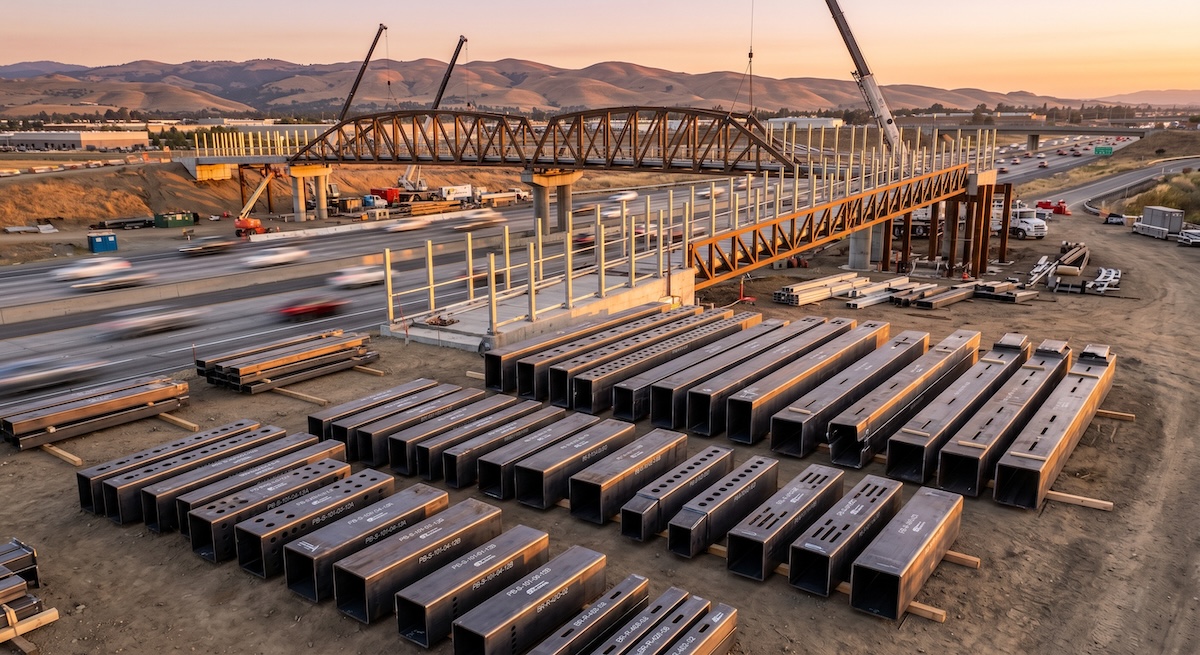
Blueline processed more than 1 million pounds of steel for the Coachella Sahara Stage in 2025. On a job that size, an error that repeats across parts is expensive to unwind. That is a general argument for checking part one, not a claim about any specific part on that project.
FAQ
Is a first article the same as a prototype?
No. A prototype tests whether a design works. A first article confirms that the production process makes parts that match the approved drawing. Many jobs use both, one after the other.
Do I need a first article for every order?
Not always. New parts, revised drawings, and tight-fit assemblies benefit most. Repeat orders of an unchanged part may not need one. Decide based on how costly an error would be.
How many parts should I measure?
Measure one part against every critical feature. If the run is large or the tolerances are tight, you may also check a few more along the way. Agree on the plan before cutting starts.
What should I send so the first article goes smoothly?
Send the CAD file and a print with datums, critical features, and tube size, wall, and material marked. Note any features you want measured and any photos you want back.
Can I approve a first article from photos?
Photos help with visual checks, but they do not replace measuring the critical features or test-fitting the mating part. Use photos as a supplement.
Part one sets the standard for every part after it. Made in America, built on integrity: that is how our Chino, CA shop works with OEM teams.
Have a new tube part to launch? Get a Quote or call (951) 833-5597.