Quick Summary
What do you need to spec roll cage tube notching? Send the tube diameter and wall, the size of the tube it meets, the joint angle, the rotation of the cut, the quantity, and a label for every part. Put it in a CAD file and the shop can cut from it directly.
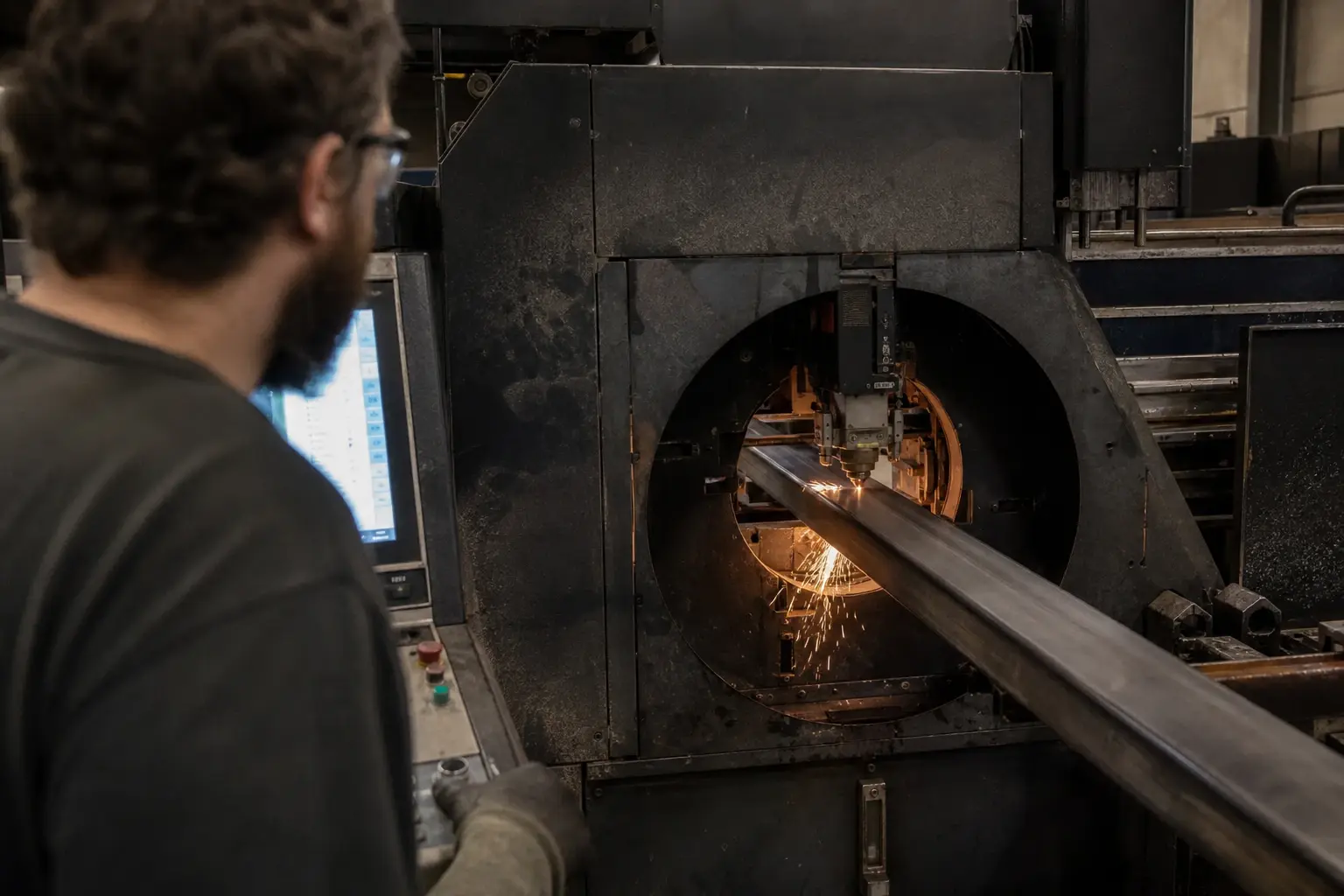
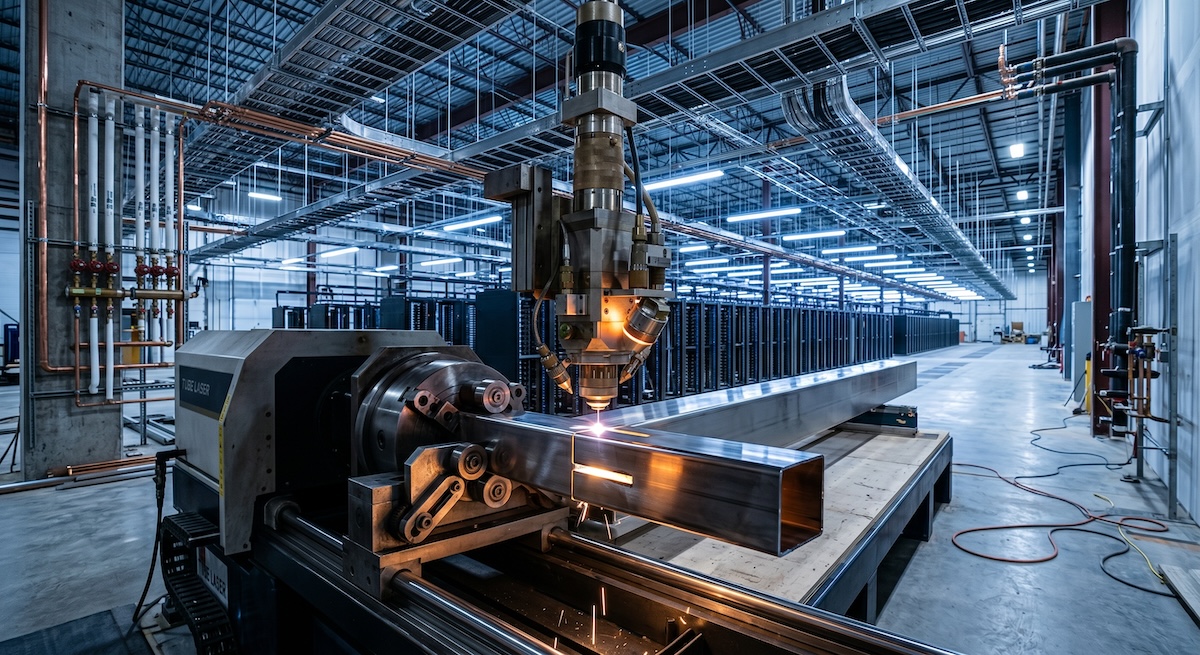
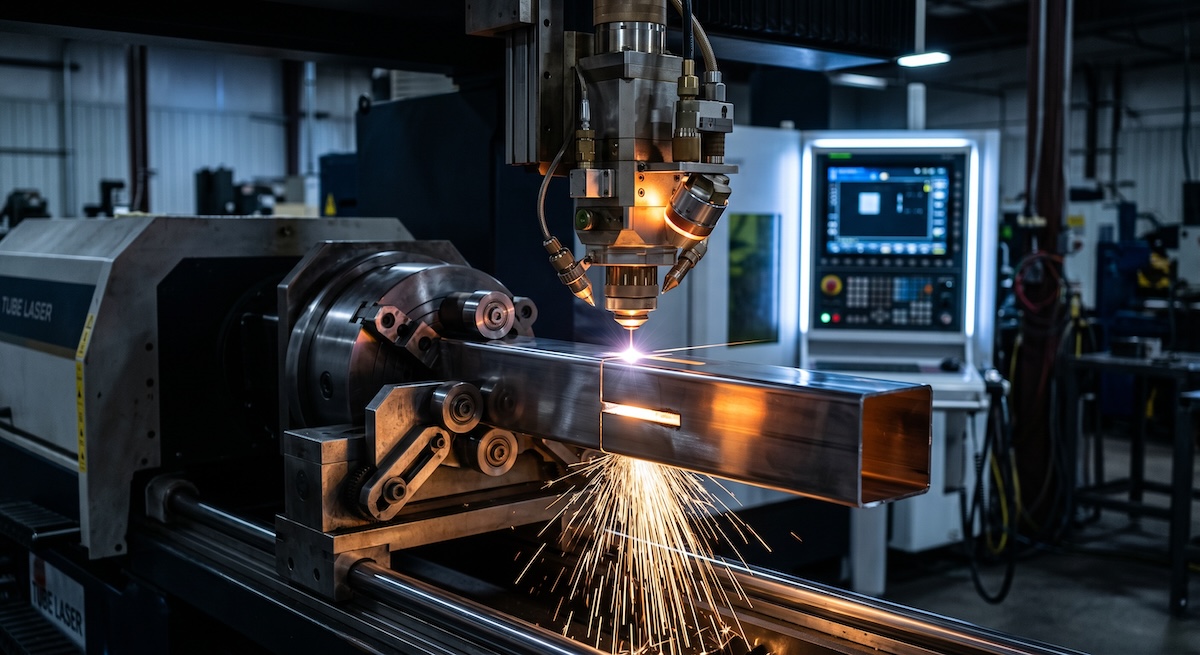
Blueline Industries runs tube laser cutting from our only facility in Chino, CA. Builders send us cage layouts, and we cut the notches, lengths, and holes from the file. This guide shows how to build a notch list that gets quoted fast and fits the first time.
If you want the broader case for laser cutting cage tube, read how tube laser cutting improves roll cage fabrication. This post is the order-prep side of it.
What is roll cage tube notching?
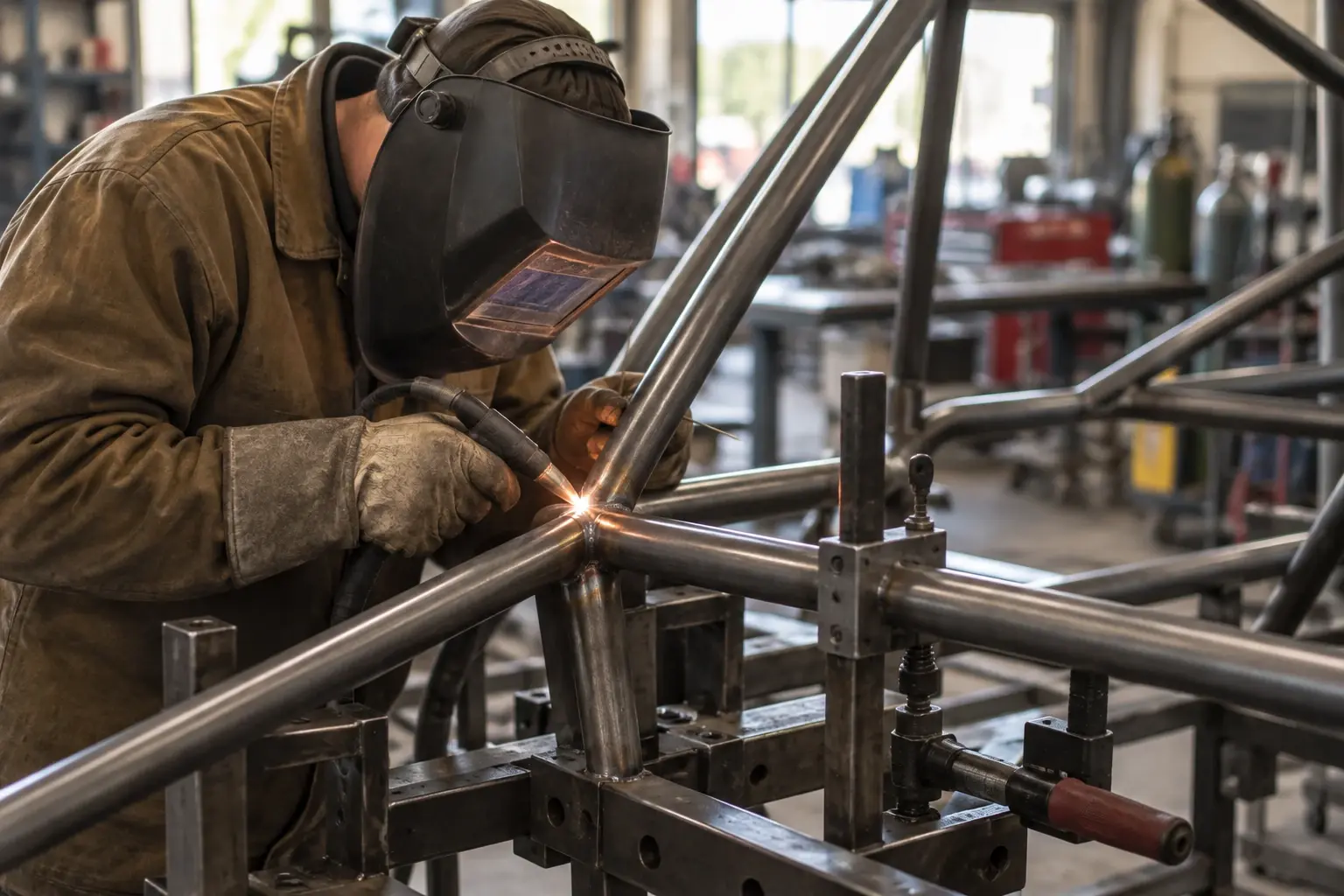
Roll cage tube notching is cutting the end of one tube so it seats against the surface of another. The cut is usually a curved, fish-mouth shape. A good notch leaves a tight, even gap around the joint so the weld has solid metal to fuse.
The notch depends on three things: the diameter of the tube being cut, the diameter of the tube it meets, and the angle between them. Change any one and the shape changes. That is why a notch cannot be specified by tube size alone.
For a deeper look at the cut types, see our post on tube notching and coping.
What information does a roll cage notch list need?
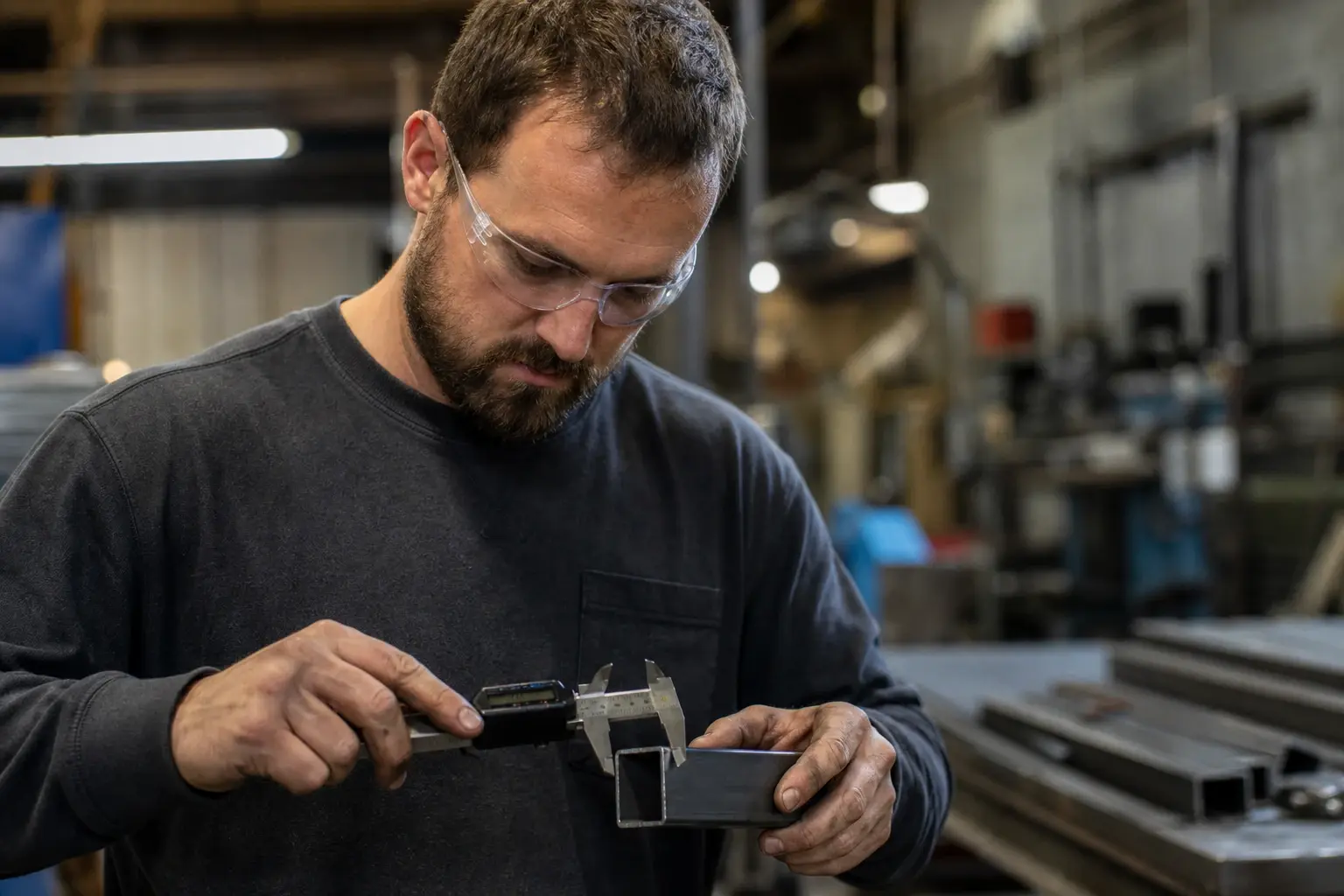
A notch list needs enough data to rebuild every joint on paper. For each tube, list the outside diameter, wall thickness, material, and cut length. For each end, list the angle, the mating tube size, and the rotation. Add quantity and a part label.
Here is a checklist you can copy into your own sheet:
Our CAD file checklist covers the file side of the same job.
Why does rotation matter on a two-ended tube?
Rotation sets how the notch at one end lines up with the notch at the other. If it is wrong, the tube twists out of plane when you tack it in the jig. State the rotation in degrees from a marked reference, and show it on the drawing.
Rotation is the detail most often left off a hand sketch. It is also the easiest to fix before cutting and the hardest to fix after. Two tubes with identical lengths and angles can still be wrong if their ends are clocked differently.
How do you label parts so the cage goes together in order?
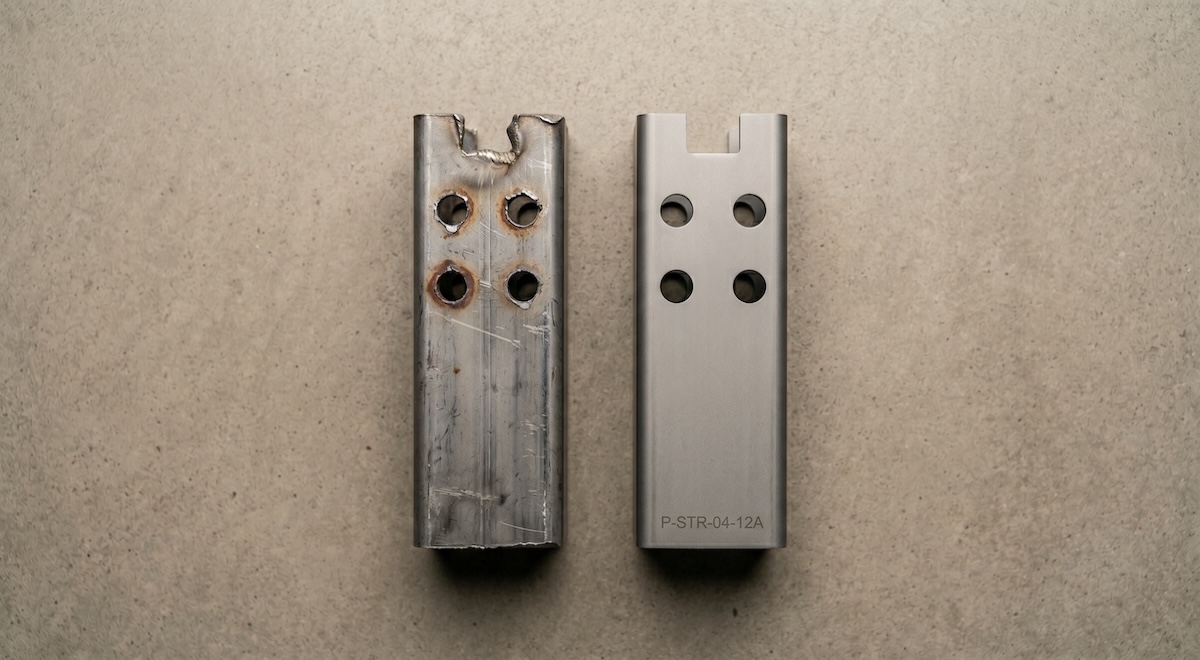
Give every tube a short, unique ID in the file, on the cut list, and on your cage drawing. Match them exactly. Then ask the shop how parts will be identified when they ship, so the IDs you build with are the IDs you receive.
A cage can hold dozens of tubes that look alike from ten feet away. A simple scheme works. Use a short code for the cage zone, such as hoop, door bar, or harness bar, followed by a tube number. Ask Blueline during quoting how it tags finished parts, so the plan fits the shop.
Tube laser or manual notcher: which fits your build?
A manual notcher suits a single tube or a quick change. A tube laser suits a full cage, repeat builds, and angled or offset joints. The table below compares them on the points that matter most to a cage builder.
FactorManual notcher or hole sawTube laserSetup per jointSet the angle and diameter by hand each timeCut from the CAD fileRepeat partsDepends on the operator and the setupSame file, same cutOffset and compound anglesHarder to set up, often needs test fittingProgrammed into the fileHoles and slotsSeparate drilling stepCut in the same operationOne-off field fixFast and convenientNot practical on the spot
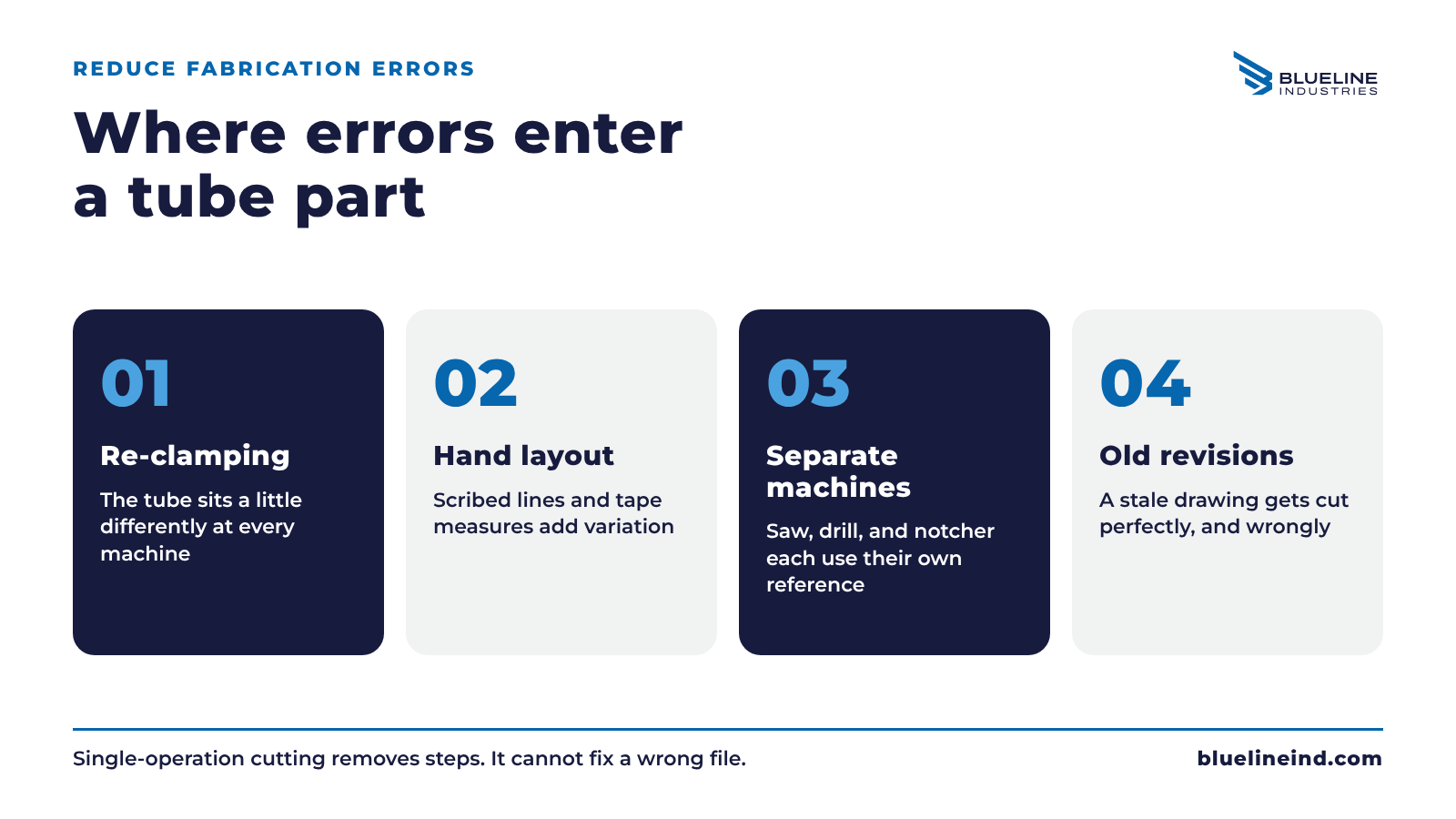
Blueline states its single-operation processing cuts error rates by up to 70%. Because the tube laser takes cuts, holes, and notches from one file, there are fewer hand steps where an error can creep in. For small custom jobs, see custom tube prototyping and short-run fabrication.
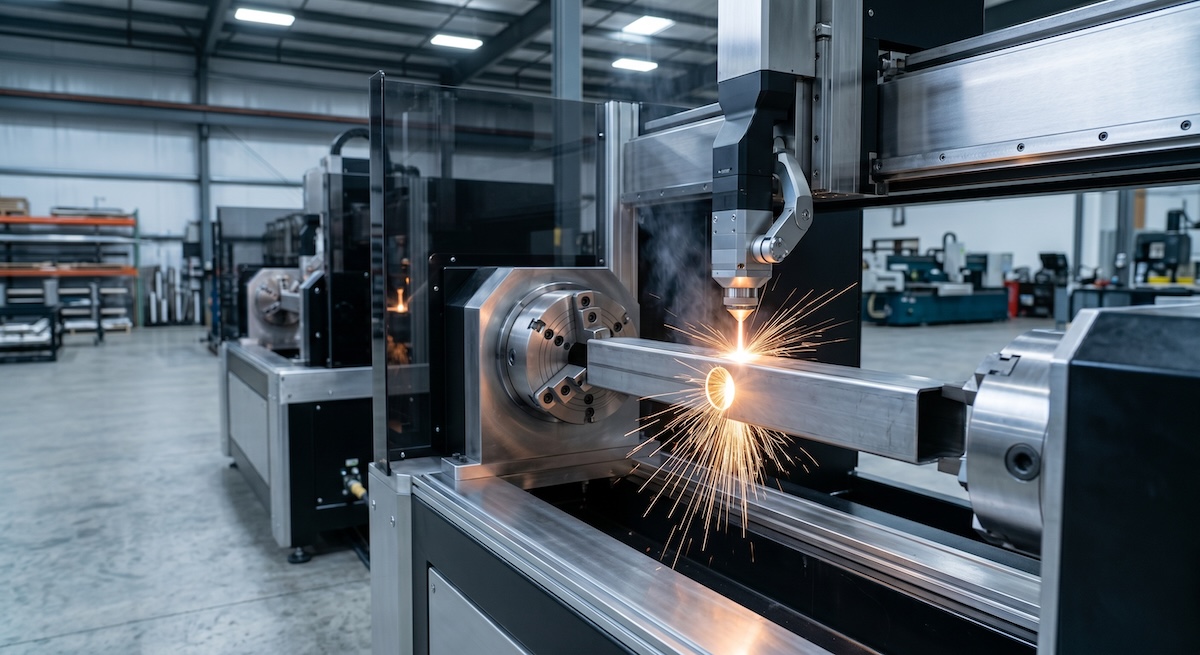
Blueline's LT7 tube lasers are fully automatic and process round and square tube up to 6 inches. Blueline also states tolerances of plus or minus 0.003 inch. Confirm your specific tube and material with us before you order.
What notch list mistakes cost the most time?
Most delays come from five gaps in the order. Each one is quick to prevent when you catch it before the file goes out.
A project where repeatable cuts mattered
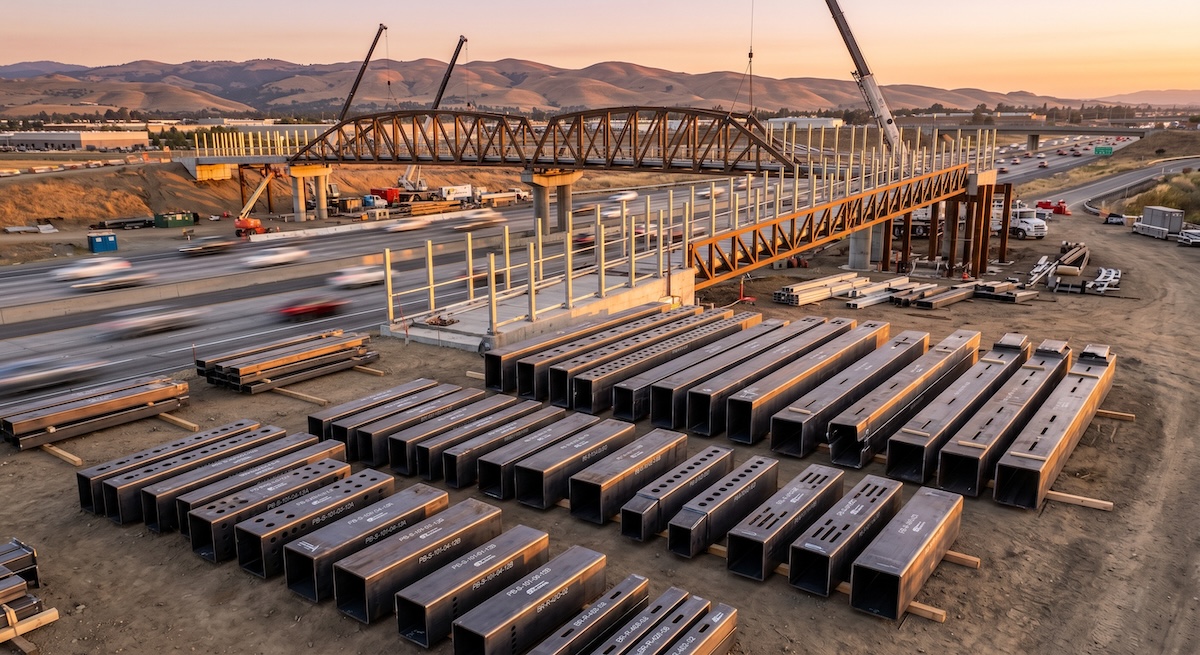
Blueline's 2025 work on the Coachella Sahara Stage involved more than 1 million pounds of steel. A cage is far smaller, but the lesson holds. When part counts climb, every joint that fits off the machine is one less joint someone has to fix by hand.
Frequently Asked Questions
Can I send a hand sketch instead of a CAD file?
You can send a sketch to start a conversation. For cutting, the shop needs a CAD file with dimensions and angles. A clean sketch with every size and angle stated can help us scope the job before the file is ready.
What tube sizes can Blueline cut for a cage?
Blueline's LT7 tube lasers process round and square tube up to 6 inches. The shop also processes tube up to 13 inches in diameter. Send your tube size with the quote request and we will confirm the match.
Can the laser cut the holes and tabs in the same pass?
Yes. A tube laser can cut notches, holes, and slots in the same operation. List every feature and its position from a stated end of the tube so nothing is missed.
Do I need to send spare tubes?
Quantity is your call. You may want a spare of any tube you expect to revise. State the spares on the list so they are cut and labeled with the rest.
How do I get a roll cage notch list quoted?
Send the notch list and CAD file through the Blueline contact page or call (951) 833-5597. Include tube size, wall, material, and quantity. We will tell you what else we need.
Get your notch list quoted
A complete notch list is the fastest way to a clean fit. Send yours to Blueline Industries in Chino, CA, and we will review it before anything is cut. Get a Quote or call (951) 833-5597. For the shop's notching work, see precision slotting, notching, and hole cutting.