Quick Summary

To choose a tube fabrication partner, match the shop's equipment, materials, and engineering support to your part, then confirm how they check quality. A good partner answers these questions in writing, before you send an order.
Blueline Industries is a tube laser cutting shop in Chino, CA. We ship to buyers across the West, so we hear these questions often. This post lists the ones worth asking any shop, including us.
What should you check first when comparing tube fabricators?
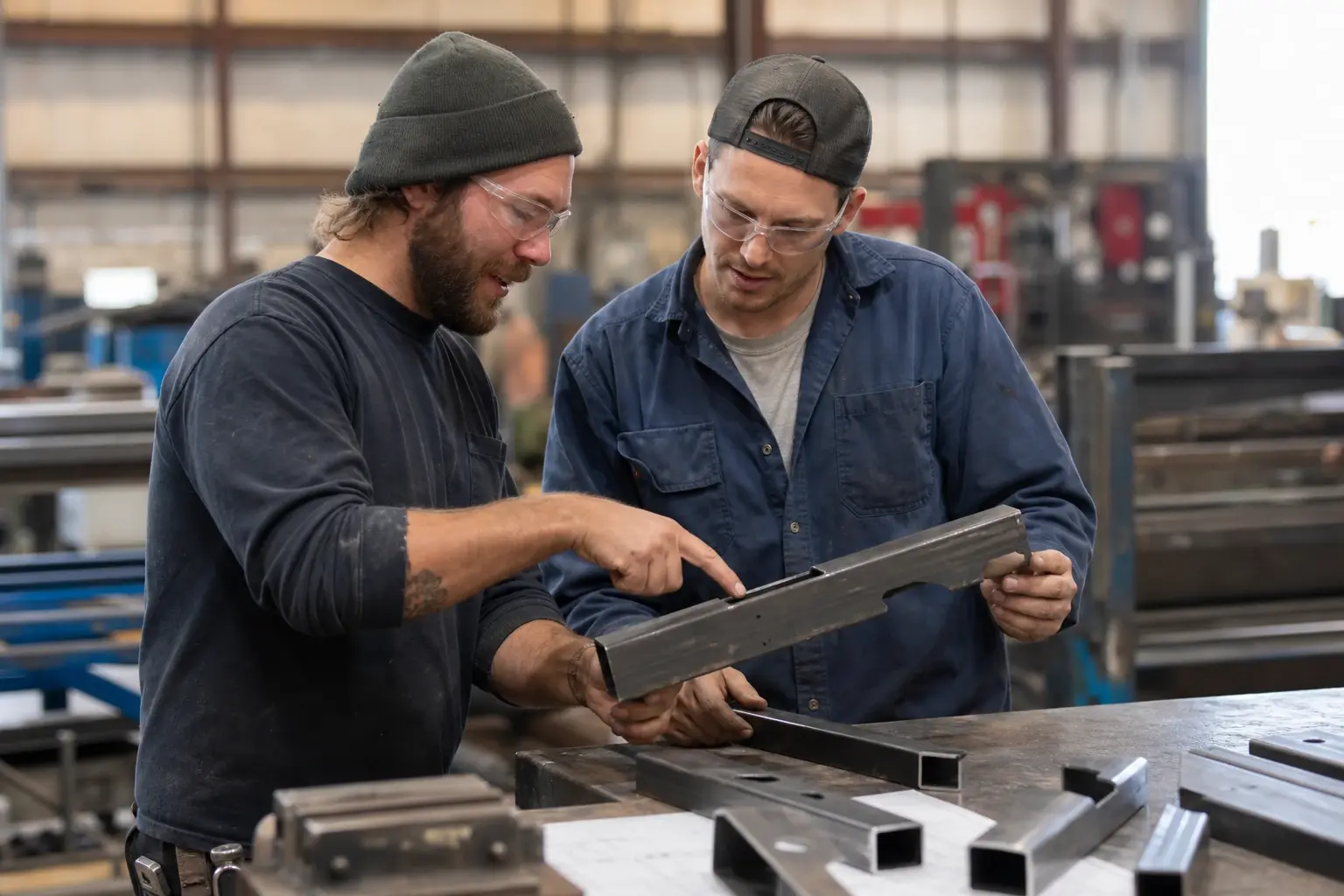
Start with fit: does the shop run the processes your part needs, on the tube sizes and materials you use? A shop that outsources cutting, bending, or finishing adds handoffs and timeline risk. Ask which steps happen under one roof and which go out.
Maysteel, a metal fabricator, makes a similar point in its own guide to picking a fabricator. It advises reviewing a supplier's capabilities, noting any work they would need to outsource, and favoring suppliers with capabilities under one roof for better process control.
Write the answers down for each shop. A simple side-by-side sheet makes the differences easy to see later, when the quotes arrive and the details have blurred together.
Questions on capability
Which equipment details should you ask about?
Ask the shop to name its machines, their size limits, and what each one does. Equipment tells you what the shop can cut without a workaround. A tube laser with the right capacity for your part is a better sign than a general claim about capability.
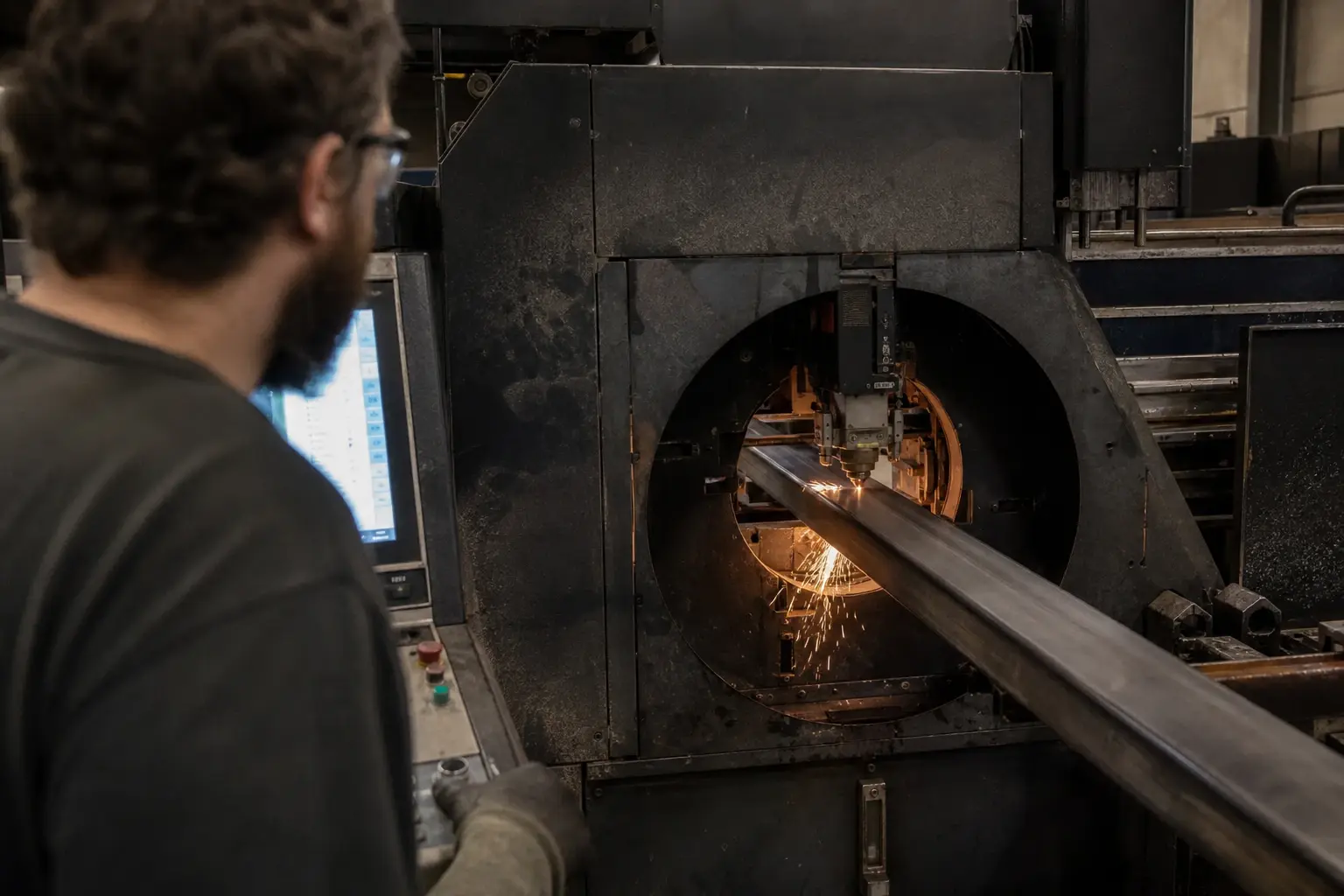
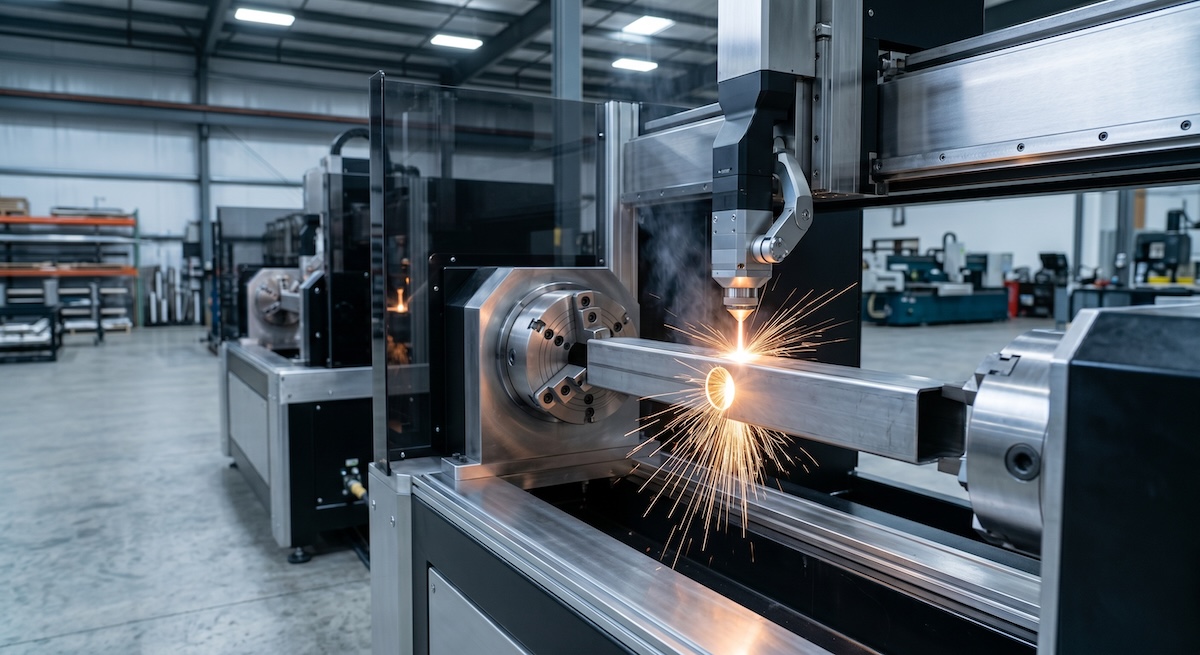
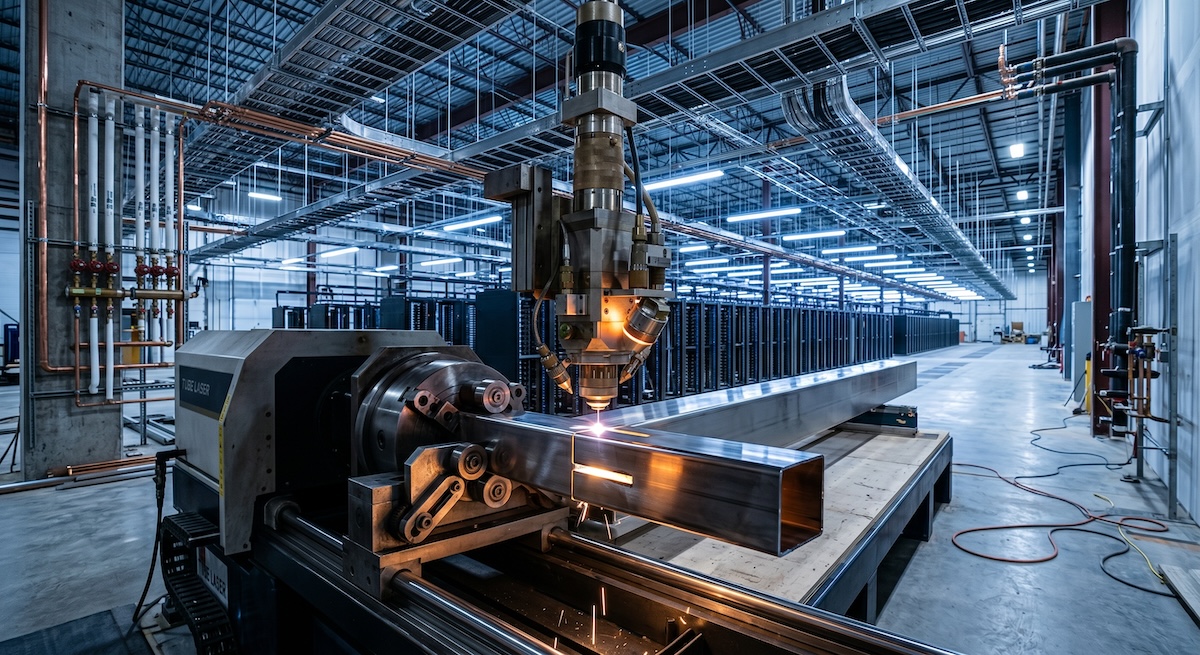
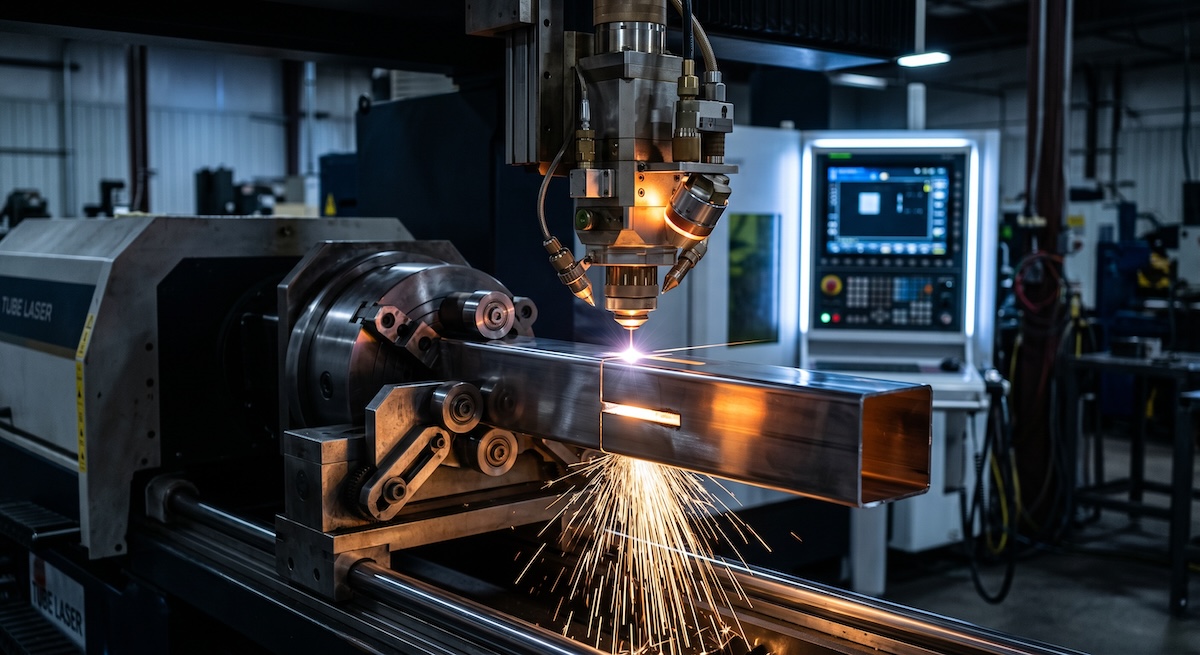
Blueline states that it runs LT7 tube lasers rated at 4kW, handling square and round tube up to 6 inches with fully automatic operation. Blueline also states that it processes tube up to 13 inches in diameter with 5-axis beveling capability. For bent parts, the shop uses ProBend all-electric press brakes. For larger sheet work, it runs an LS5-3015 12kW sheet laser.
See the precision tube fabrication page for the full service list.
Who will review your drawing before production?
The best time to catch a design problem is before the tube is cut. Ask whether an engineer reviews your file, how they flag issues, and whether they suggest changes that make the part easier to build. A shop that only cuts what you send leaves those risks with you.
Maysteel's guide also recommends looking for an in-house engineering team that works closely with manufacturing and can review drawings and recommend changes before production.
Blueline lists design review for manufacturability among its OEM services, and states that it accepts DXF, STEP, and SolidWorks files. Our CAD file checklist for tube laser cutting shows what to send.
How should a shop show its quality?
Ask what the shop measures, how it measures it, and what paperwork you receive with the parts. Every shop should explain its inspection steps in plain terms. If your job requires a specific certification or standard, state that in the request and ask for a direct answer.
This matters because requirements vary by industry. A part for a stage structure and a part for a regulated program may not need the same paperwork. Decide what yours needs before you shop, so that the answers you get can be compared.
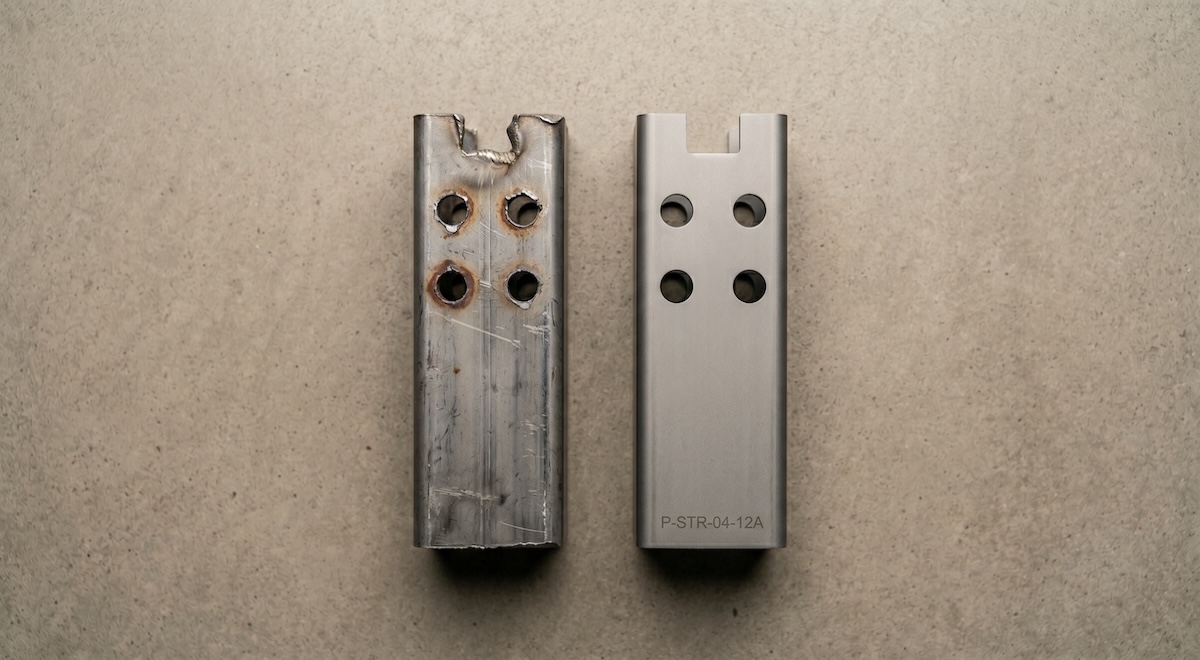
Blueline states tolerances of plus or minus 0.003 inch for its tube laser processing, and says single-operation processing reduces error rates by up to 70%. Both are Blueline's own claims. Ask any shop, including us, to explain how a tolerance claim applies to your specific feature.
Questions on quality
How do you compare quotes from different shops?
Give each shop the same package: the same drawing, material, quantity, and finish. Then compare what each quote includes, what it leaves out, and what it assumes. The lowest number is not always the same scope. Differences in scope often explain differences in cost.
Item to compareWhat to look forScopeCutting only, or cutting plus bending, tapping, and finishingMaterialGrade and who supplies itTolerancesStated for your critical featuresQuality recordsWhat inspection data comes with the partsShippingPackaging, freight, and who handles itEngineering inputWhether a design review is included
Our post on what affects tube laser cutting cost explains the factors behind a quote.
Does the shop's location matter?
Location matters for freight and communication, but it is one factor among several. A shop in another state can serve you well if it ships reliably and answers quickly. Blueline has one facility, in Chino, CA, and ships to buyers in Portland, Tucson, San Francisco, San Diego, Seattle, Salt Lake City, Las Vegas, San Jose, and Los Angeles.
Ask how the shop packs parts, which carriers it uses, and who to call if something arrives damaged. See our service area page for where we ship.
A scale example from a verified Blueline project
In 2025, Blueline processed 16 truckloads of stainless steel for an AI data center cooling project in Sacramento. A job at that size tests a shop's packing, sequencing, and communication as much as its cutting. When you vet a partner, ask how they handle a large release, not only a single part.
Frequently asked questions
What is the most important question to ask a tube fabricator?
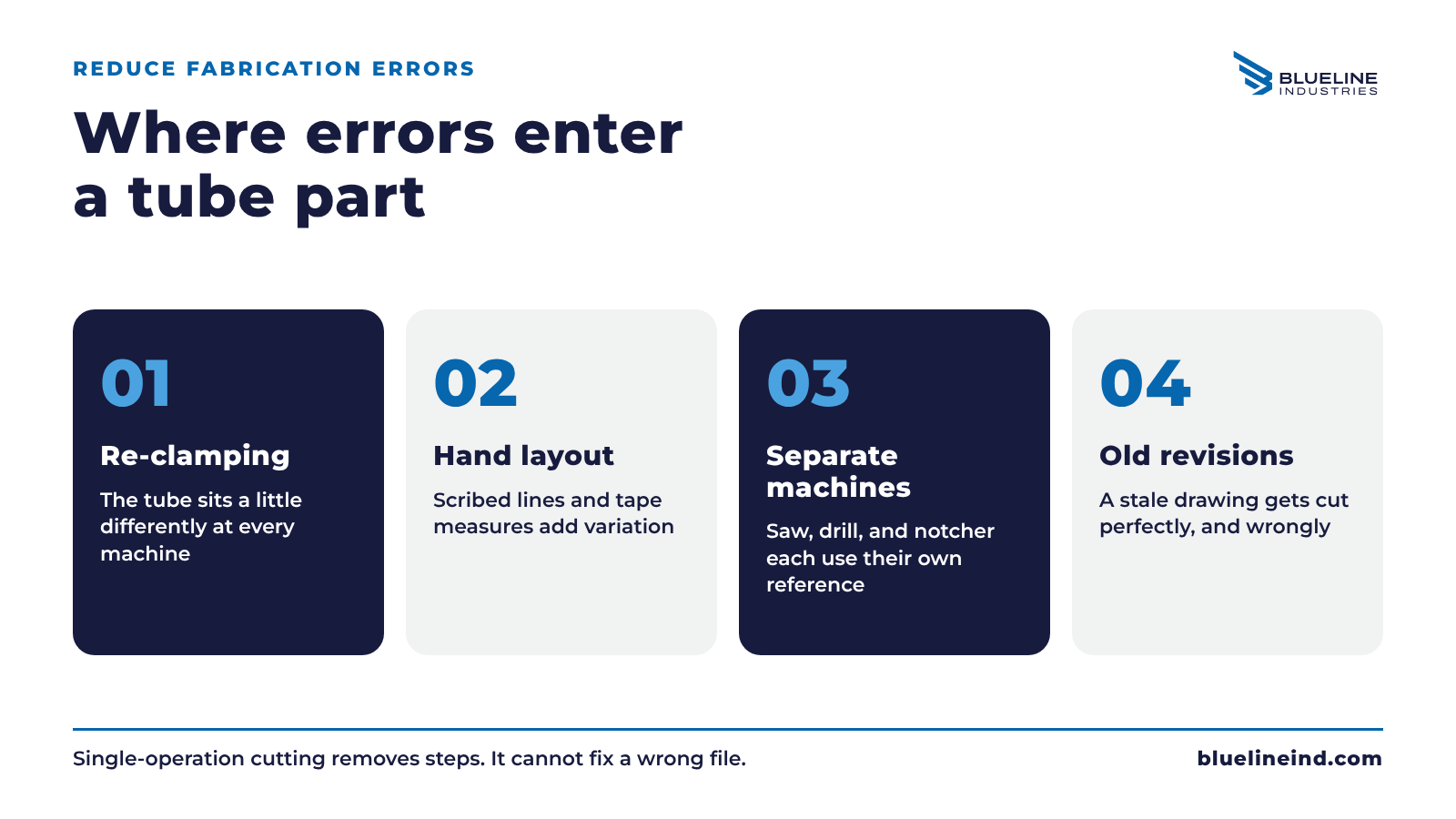
Ask which steps they do in-house for your part. That one answer shows their capacity, their control over the process, and where handoffs might add risk.
Should I visit the shop before I order?
If you can, yes. A visit shows the equipment, the layout, and how parts are handled. If you cannot visit, ask for photos or a video walkthrough of the machines that will run your part.
What should I send to get an accurate quote?
Send a drawing or model, tube size and wall, material grade, quantity, and any secondary work. Blueline accepts DXF, STEP, and SolidWorks files.
Can a prototype help me judge a partner?
Yes. A short run shows fit, communication, and packing before you commit to production. Blueline states that it runs prototype-to-production jobs from the same CNC program. See custom tube prototyping and short-run fabrication.
How many shops should I ask for quotes?
Two or three is usually enough to compare scope and communication. More quotes add work for you without adding much clarity. Give each shop the same package so the answers line up.
What if my part is a one-off and not a production run?
The same questions apply. A one-off still depends on file review, material, and fit. Tell the shop it is a one-off and whether repeat orders could follow, because that changes how they plan the work.
Next step
Send us your drawing and the questions from this list. We will answer them in writing. Get a Quote or call (951) 833-5597.
Source: Maysteel, "How to Pick the Right Metal Fabricator for Your Next Program": maysteel.com.