Quick Summary
The right choice between stainless vs carbon steel tube for fabrication comes down to where the part lives and how it is finished. Stainless resists corrosion on its own. Carbon steel is a fine fit for dry or coated work. Blueline Industries, a tube laser cutting shop in Chino, CA, cuts both, and this guide shows how the choice changes the cut, the edge and the next step in your process.
The question is common at the quoting stage. A drawing calls out a material, and the buyer wonders whether it is the best one for the job. Here is how to decide.
What is the real difference between stainless and carbon steel tube?
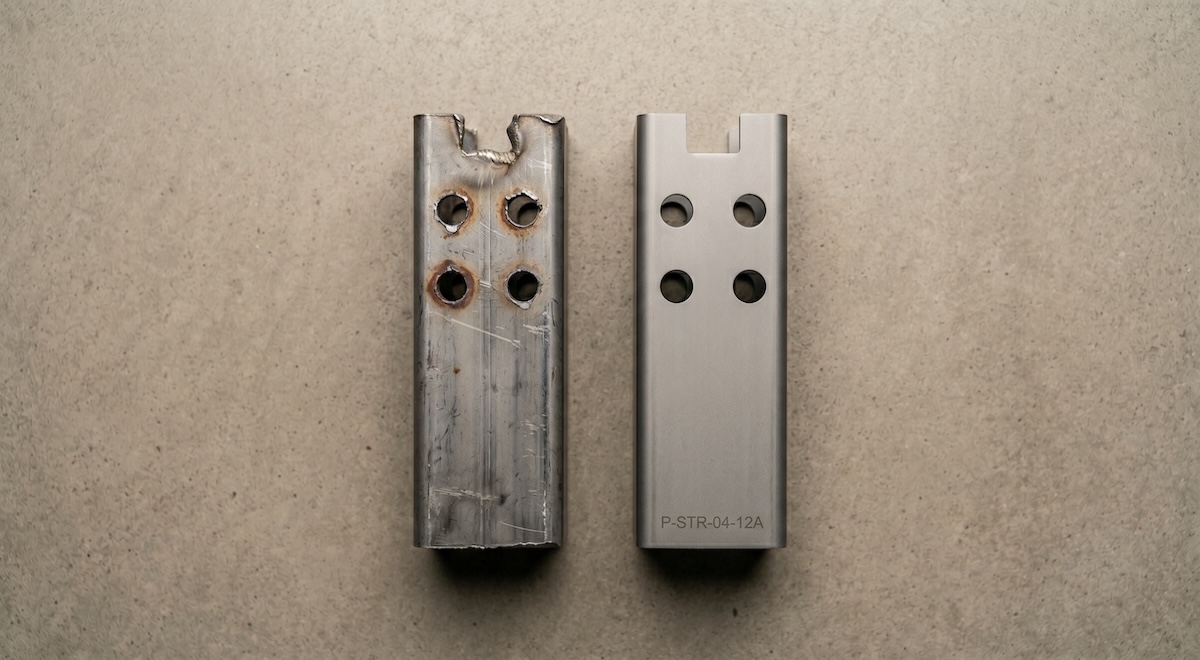
Stainless steel contains enough chromium to form a thin protective layer on its surface. Carbon steel does not, so it rusts unless it is coated, painted or kept dry. That one difference drives most material decisions.
According to Corrosionpedia, stainless steel must have at least 10.5% chromium for the passive layer to form. The more chromium is added, the more stable that layer becomes and the better the corrosion resistance. The same source notes that stainless resists corrosion in many environments where carbon and low-alloy steels would corrode.
Carbon steel still has strong reasons to be your pick. It welds and paints easily, it is widely used in structural work, and a good coating protects it in many settings. The material is not worse. It simply needs a plan for corrosion.
Think about the full life of the part, not only the purchase. A coated carbon steel tube needs paint upkeep. A stainless tube may need none, but it costs more up front. Neither answer is right everywhere, so weigh the environment, the finish and how long the part must last.
How does a tube laser cut each material?
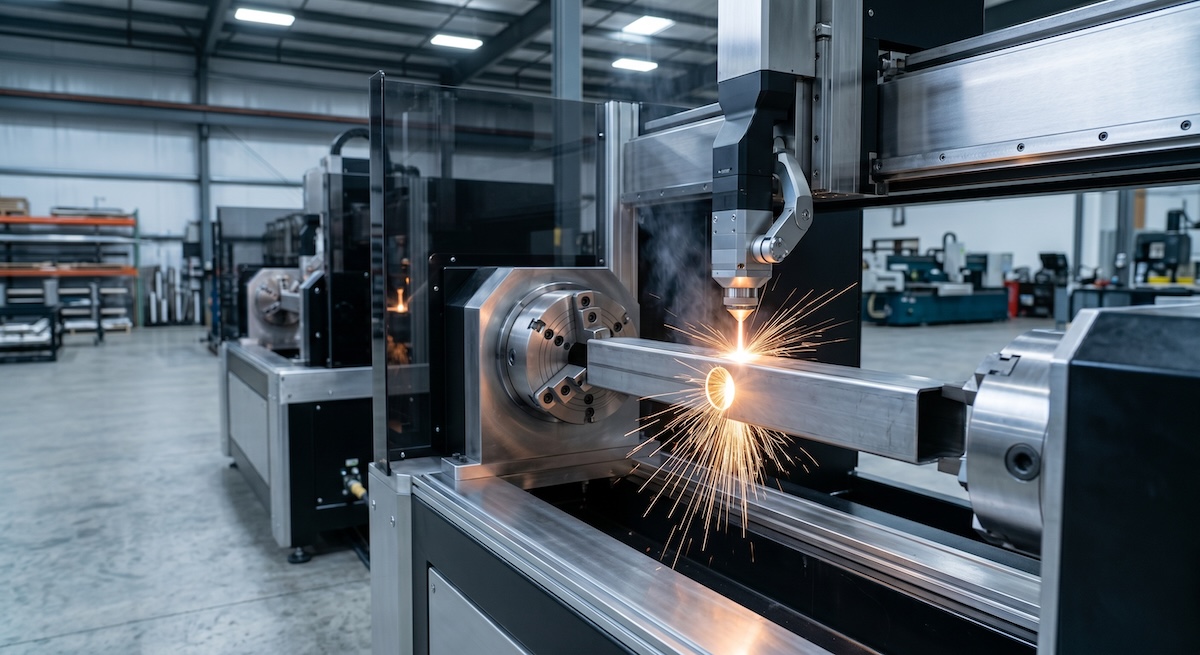
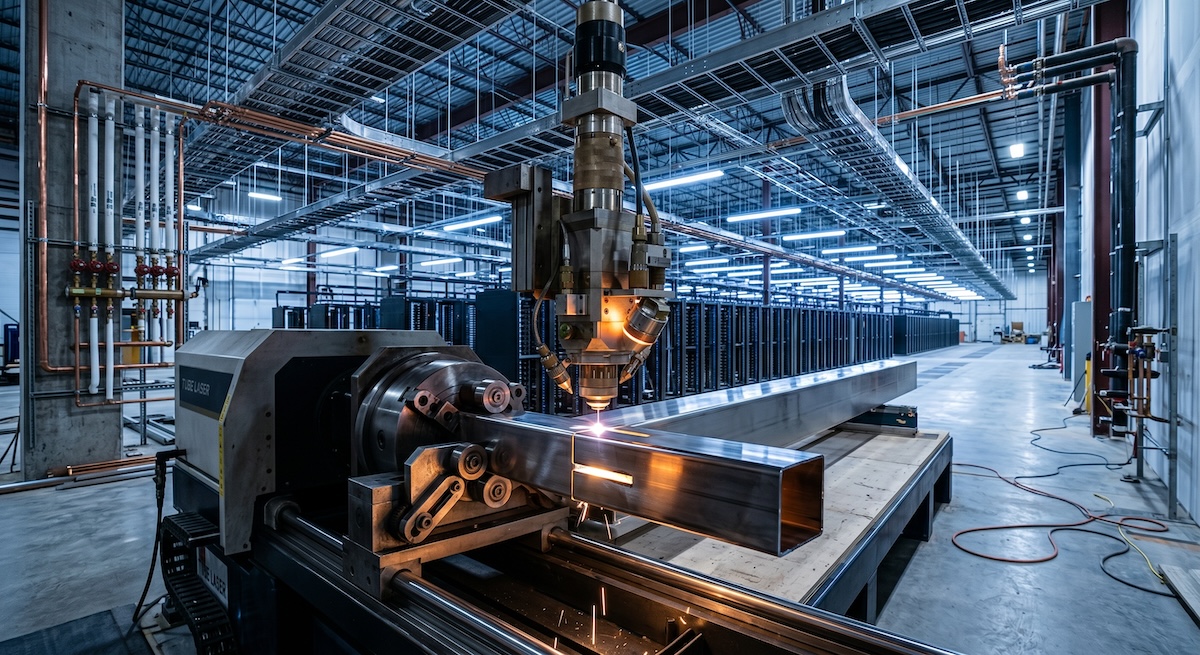
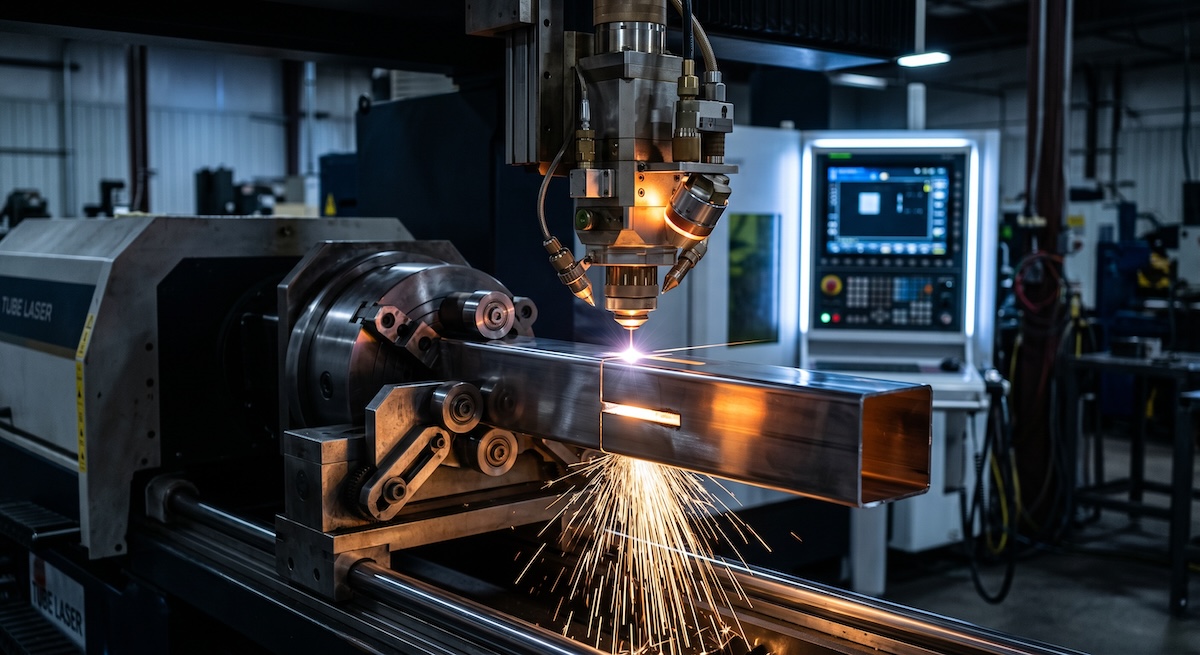
The laser cuts both, but the assist gas differs. Nitrogen is the usual choice for stainless because it leaves a clean, oxide-free edge. Oxygen is common on carbon steel because it cuts thick material quickly, though the edge comes out darker with an oxide layer.
Laguna Tools describes the tradeoff this way: an oxygen edge on carbon steel is darker and carries an oxide layer that resists paint adhesion unless it is removed. Stainless almost always wants nitrogen, though nitrogen consumes much more gas.
FactorStainless tubeCarbon steel tubeCorrosion resistanceBuilt in, from chromium contentNeeds paint, coating or a dry environmentTypical assist gasNitrogenOxygen, or nitrogen for thin materialCut edgeClean and oxide-free with nitrogenDarker with an oxide layer when cut with oxygenBefore paint or weldBright edge, ready for finishingEdge may need cleanup firstBest fitWashdown, outdoor, chemical or visible partsDry, coated or hidden structural parts
Blueline states that it processes stainless to the same plus or minus 0.003 inch tolerance as carbon steel. Confirm the tolerance you need on your own drawing when you request a quote.
When should you choose stainless tube?
Choose stainless when the part faces moisture, chemicals, washdown or the outdoors, or when the finished surface will be seen. It also makes sense when a coating would be hard to maintain. Stainless is generally the higher-cost material, so match the grade to the real exposure instead of defaulting to it.
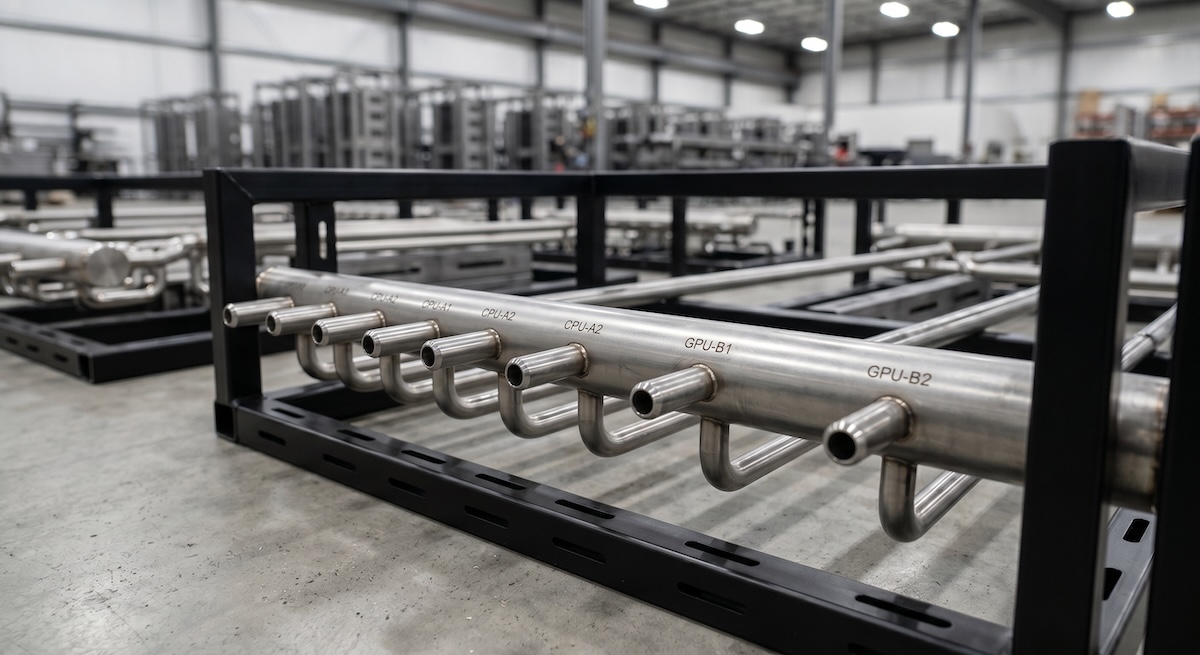
Two grades come up most. Blueline states it processes 304, 316 and specialty stainless alloys. It describes 304 as general-purpose and 316 as marine-grade and chemical-resistant. Our post on stainless tube for cooling systems goes deeper on that choice.
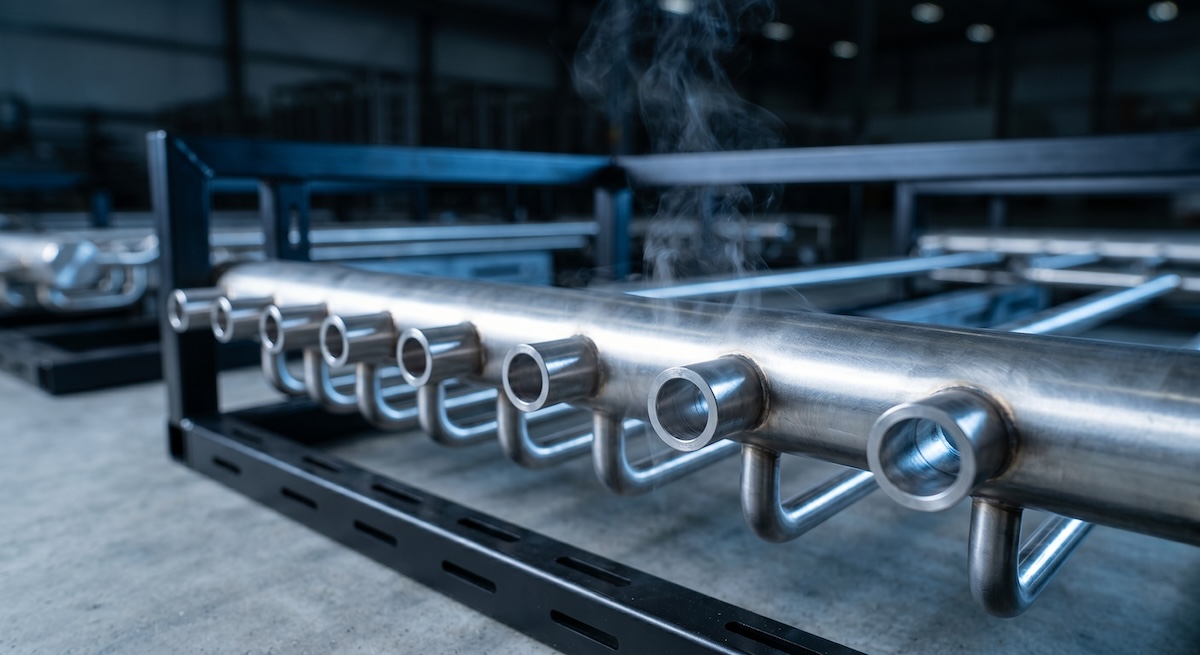
A real example: in 2025, Blueline processed 16 truckloads of stainless steel for an AI data center cooling project in Sacramento. Material choice on a job like that follows the fluid, the environment and the service life, not just the drawing.
When is carbon steel tube the better choice?
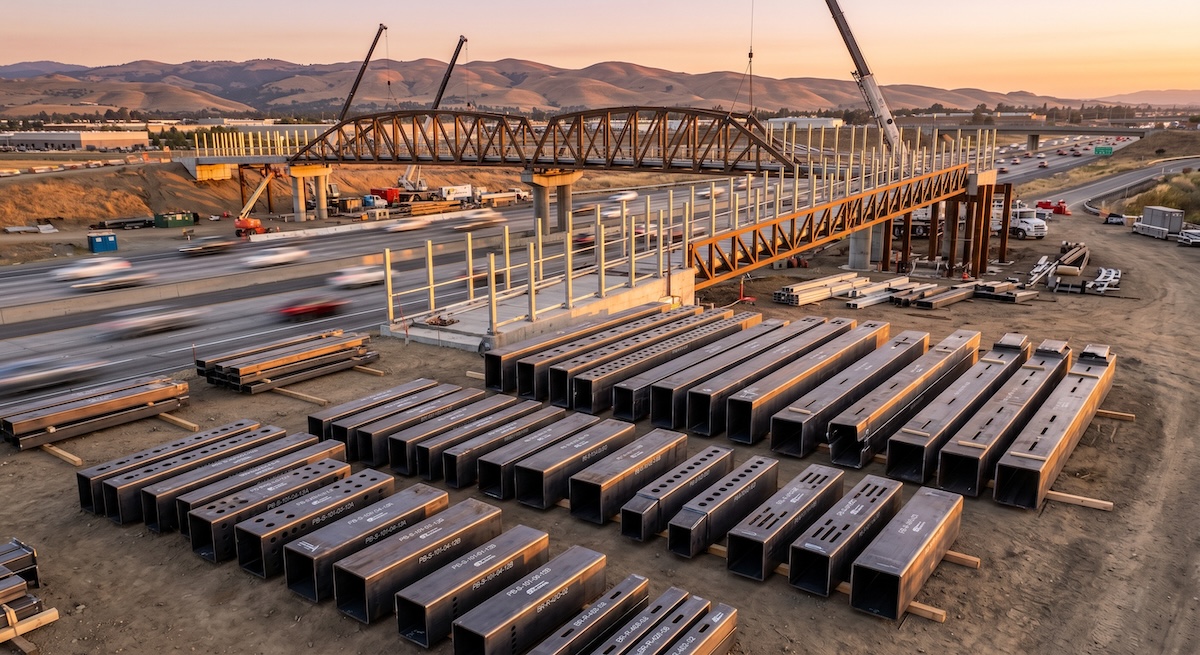
Carbon steel fits dry, coated and hidden applications, and structural work where paint or powder coat is already planned. It is easy to weld and widely available. If a finish will cover the edge anyway, the darker oxide edge from an oxygen cut matters less, as long as the edge is cleaned first.
Ask three questions. Will moisture reach the part? Will the finish be applied after fabrication? Can the coating be repaired later? If the answers are no, yes and yes, carbon steel is usually a sound pick. Learn more about our steel tube laser cutting service.
What does the material choice change at the shop?
It changes the assist gas, the cut parameters, the edge finish and the next step in your process. Blueline states its programs are tuned per grade, because each alloy behaves differently under heat. Price also moves, but cost factors depend on material, wall, quantity and finish, so ask for a quote.
Before you send a drawing, state the material and grade clearly, the finish you plan, and whether the edge will be visible. That information helps the shop choose a cutting approach that fits your next step. Our materials overview lists what a tube laser can process.
Also tell the shop if parts will be welded or painted soon after cutting. Cleanup requirements are far easier to plan before the job than after it.
Frequently asked questions
Does stainless steel tube cost more than carbon steel?
Stainless is generally the higher-cost material. The total job cost also depends on wall thickness, quantity, cutting method and finish. Ask for a quote based on your drawing instead of comparing material alone.
Can a tube laser cut both stainless and carbon steel?
Yes. Blueline processes carbon steel and stainless tube on its tube laser systems. The assist gas and cut settings change by material, and the shop selects them for your part.
Why does the cut edge look different on carbon steel?
Oxygen assist gas reacts with the steel and leaves a darker edge with an oxide layer. That layer can resist paint adhesion, so the edge may need cleanup before painting or welding.
Which stainless grade should I specify, 304 or 316?
Blueline describes 304 as general-purpose and 316 as marine-grade and chemical-resistant. Pick based on the exposure, and confirm the choice with your engineer or the end customer.
What should I include on a drawing for a tube material quote?
Include material and grade, tube shape and size, wall thickness, quantity, edge finish needs and any weld or paint steps that follow. Our stainless steel tube processing page lists what Blueline handles.
Pick the material, then plan the edge
Match the material to the exposure first, then plan how the edge will be finished. When both are clear, the cut goes smoothly and the parts move straight to welding, painting or assembly.
Ready to quote your tube job? Get a Quote or call (951) 833-5597. Made in America, built on integrity.