Quick Summary
- Long-lead equipment, not steel, sets the clock on most data center builds. Fabrication should never be the item that stalls a release.
- The part of the schedule a buyer controls on the steel side is the release package: current drawings, material callouts, quantities and delivery dates.
- Parts should arrive when the site is ready to use them, not as early as possible.
- A single-operation tube laser shop removes handoffs between machines, which gives a job fewer places to wait.
Data center construction fabrication lead times depend mostly on what the buyer hands the shop, not on how fast the laser runs. Long-lead equipment such as generators sets the project clock. Fabricated steel works best when it is complete, released and ready to ship when the site calls for it.
Blueline Industries is a tube laser cutting and precision fabrication shop in Chino, CA. This post covers the fabrication side of the schedule: what drives it, what holds it up, and what a buyer can control. Here, "fabrication lead time" means the time from a complete, released order to parts that are ready to ship.
What sets lead times on a data center build?
Long-lead electrical and mechanical equipment sets the critical path on most data center builds. Linesight's June 2026 report puts large generator delivery at around 110 weeks in 2026, up from roughly 60 to 70 weeks in 2024. Fabricated steel is a different category, and its schedule depends far more on how complete the release is.
Linesight's Q1 2026 figures for the Americas show mechanical equipment delivery running from around 26 to 46 weeks. Electrical equipment runs from around 28 weeks to more than 100 weeks. Those numbers describe finished equipment, not tube or structural steel parts. They matter because they show where the long poles are.
For a steel buyer, the lesson is simple. The equipment dates are hard to move. The fabrication release is the part of the schedule you can still tighten.
Where does fabricated steel fit next to long-lead equipment?
Fabricated supports, frames and tube assemblies need to be on site when equipment arrives and the install window opens. They rarely set the critical path, but a late or incomplete release can still stall installation. The goal is parts ready when the site is ready, not parts as early as possible.
Data Center Frontier makes the same point about equipment. In its example, a generator arrived six weeks ahead of schedule, but the foundation was not finished and the crane window was weeks away. The author argues that "on time" should mean arriving when the project can use the equipment.
The table below shows who controls each schedule item and what a buyer can do about it.
Schedule itemWhat sets itWhat the buyer can controlLong-lead equipment (generators, switchgear)Manufacturer production queueCommit production dates earlyDrawing and spec releaseDesign teamIssue complete, current revisionsMaterial and tube size calloutsEngineer of recordConfirm grade, size and wall before releaseShop processingFabricatorAsk how many steps each part needsDelivery to siteSite readinessMatch deliveries to install dates
What holds up a fabrication release?
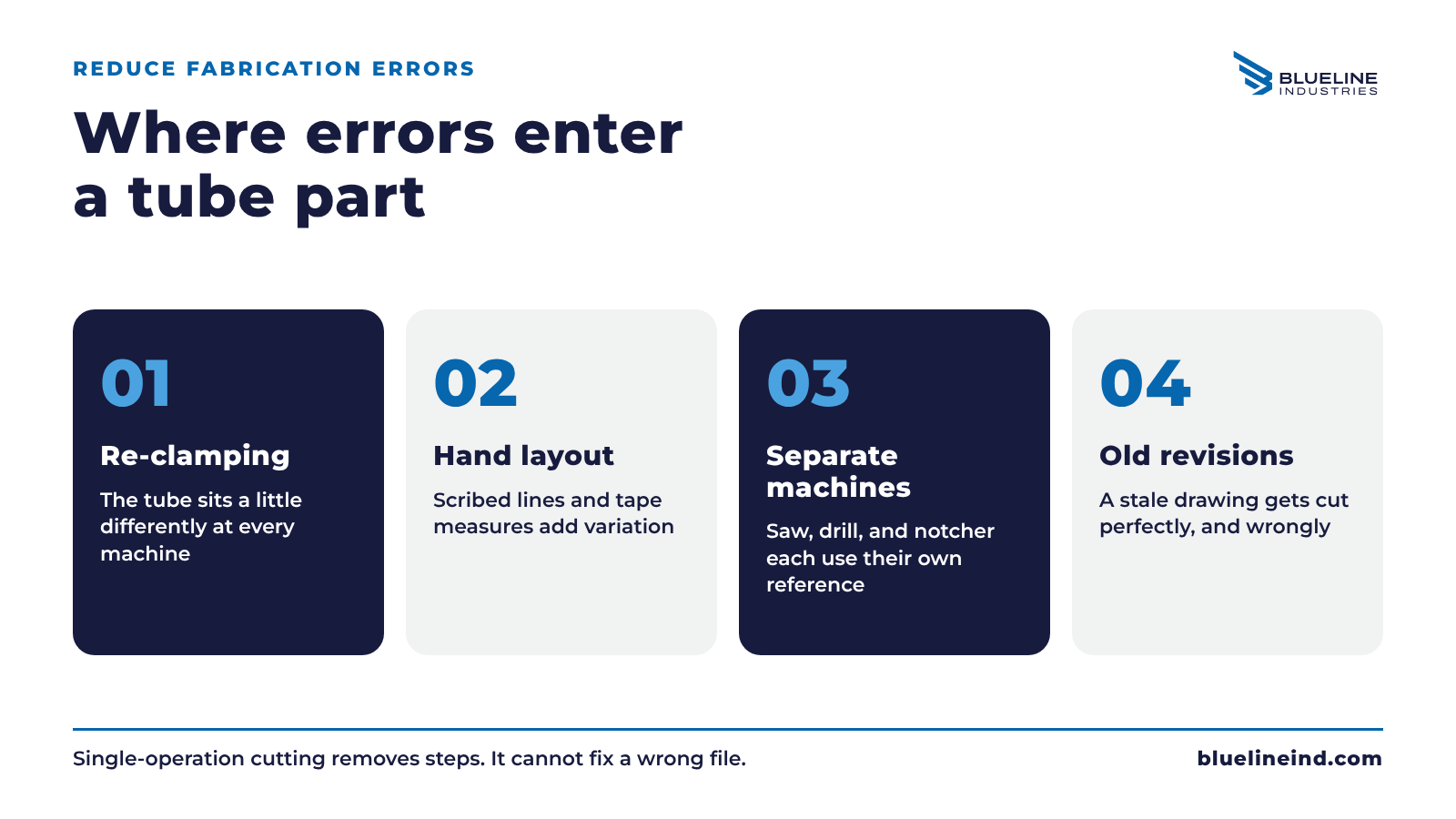
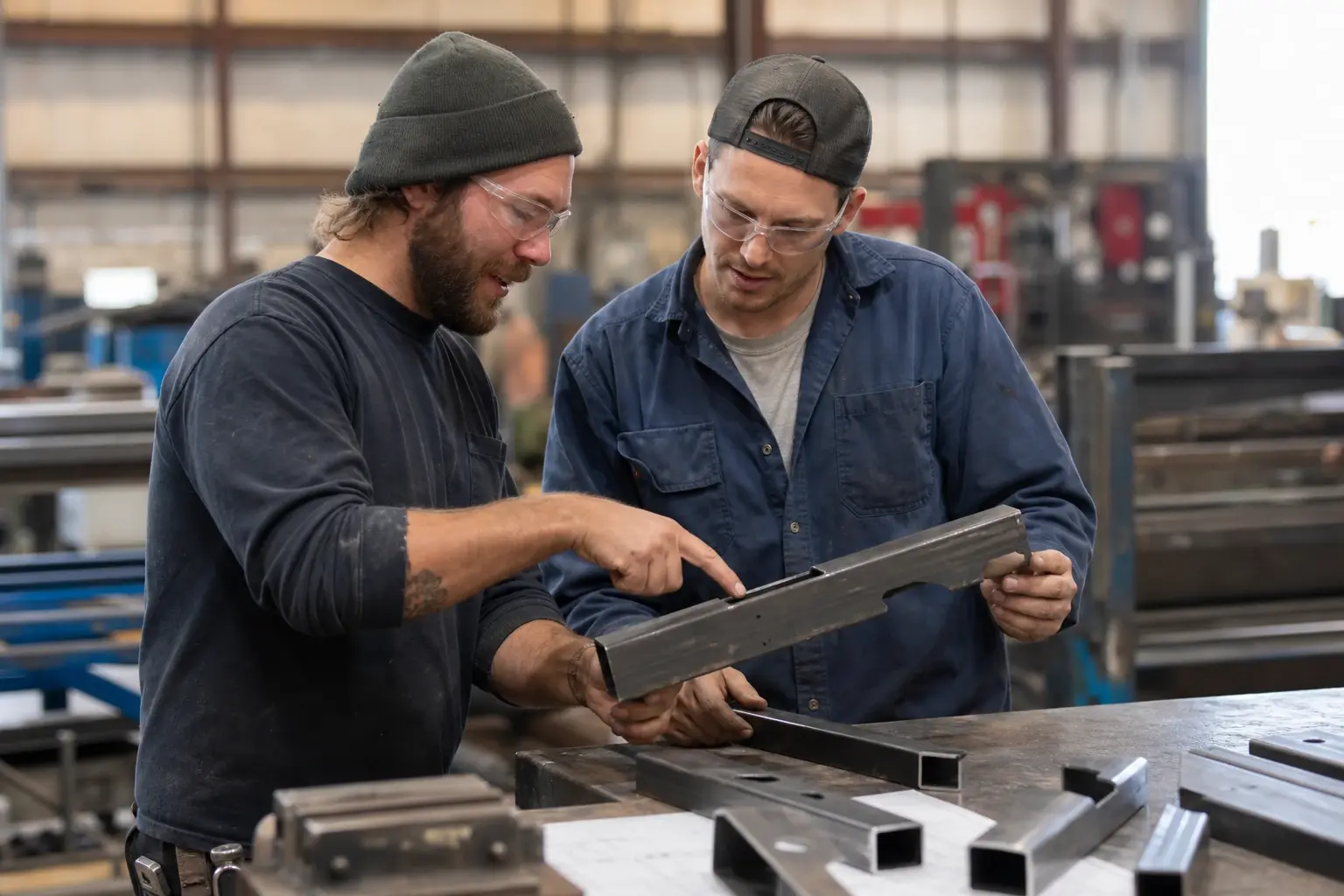
Incomplete or changing information holds up most releases. Common causes are open drawing revisions, missing material grade or wall thickness, unclear quantities, and no delivery site or date. Blueline states that for larger or fixed-date projects it asks for drawings or specifications up front so it can estimate lead times and capacity.
A release package that moves quickly usually has these items:
- Final drawings or CAD files with the revision called out.
- Material and grade, including tube size and wall thickness.
- Quantities by part number, so the shop can plan material.
- Delivery location and phases, tied to install dates.
- Inspection or documentation needs, stated before cutting starts.
For help preparing files, see how to prepare CAD files for tube laser cutting.
Does single-operation processing shorten the shop side?
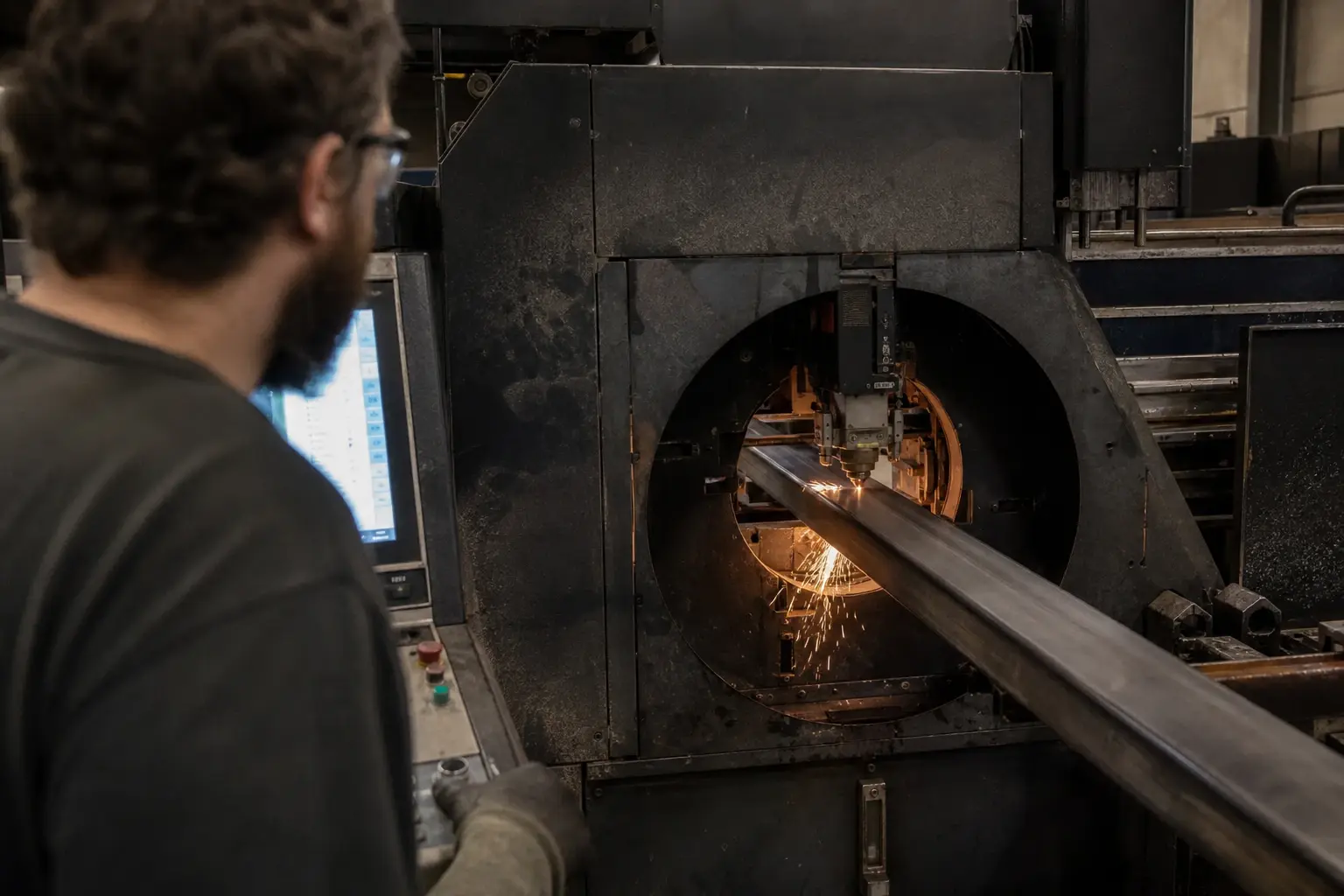
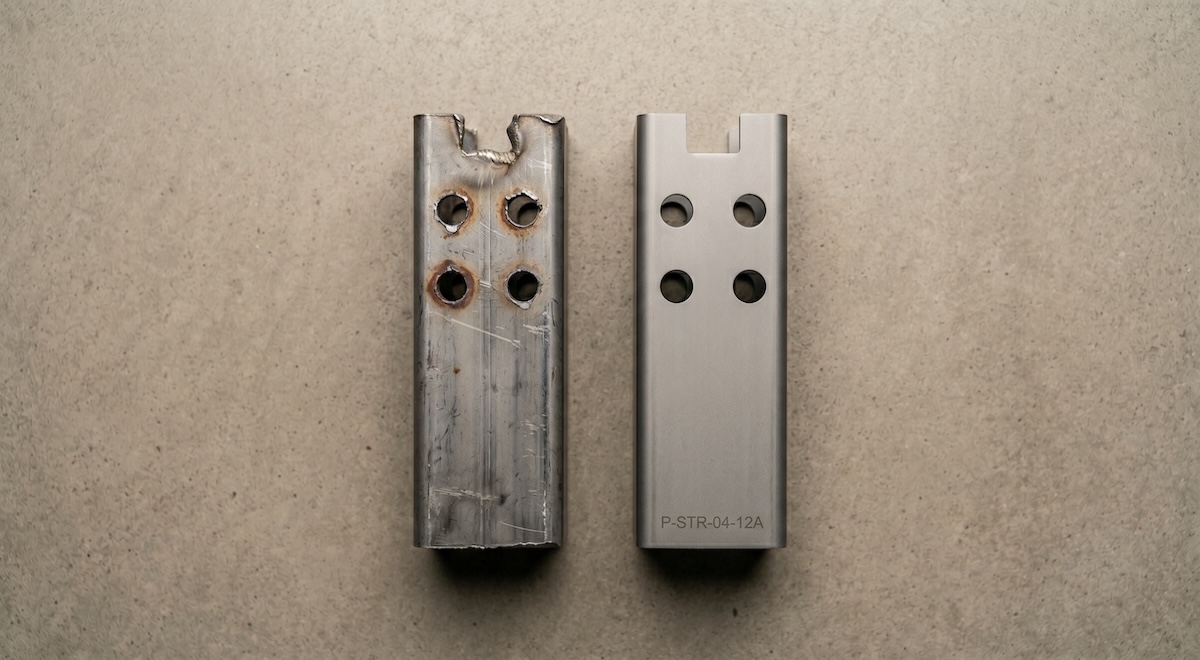
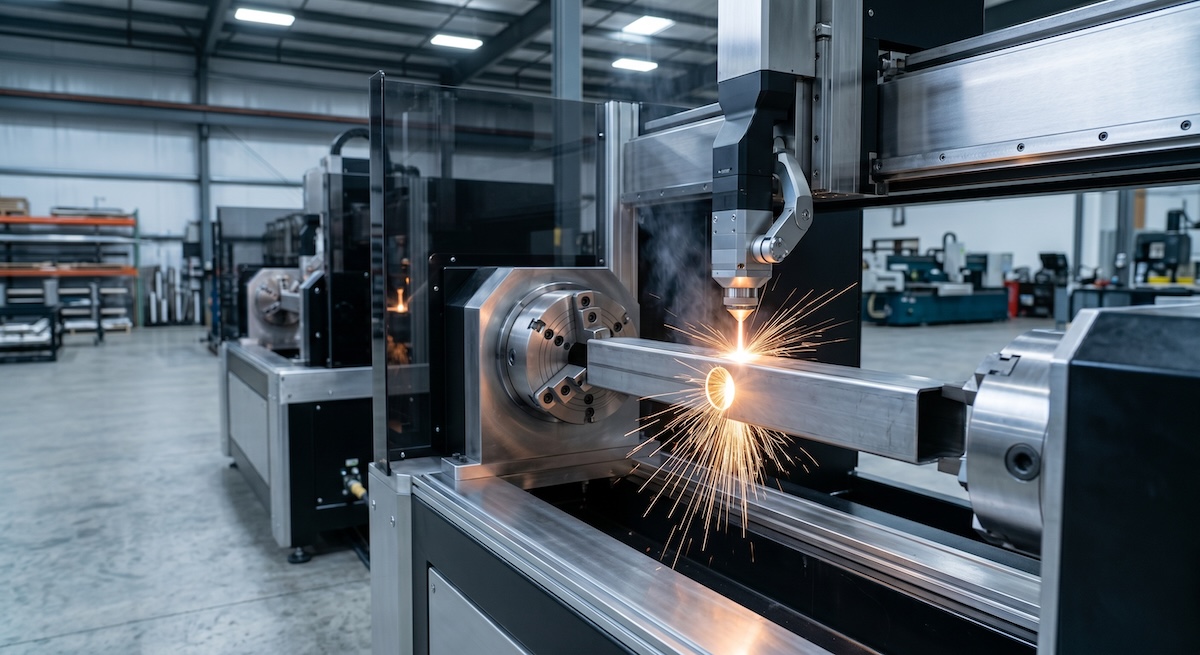
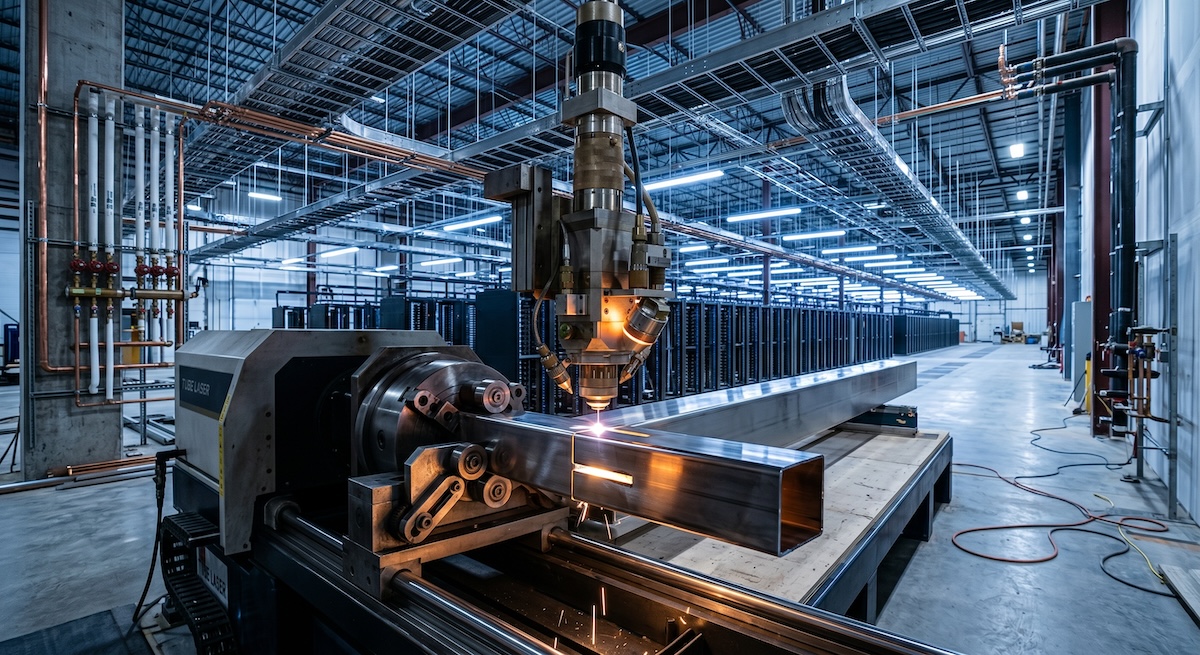
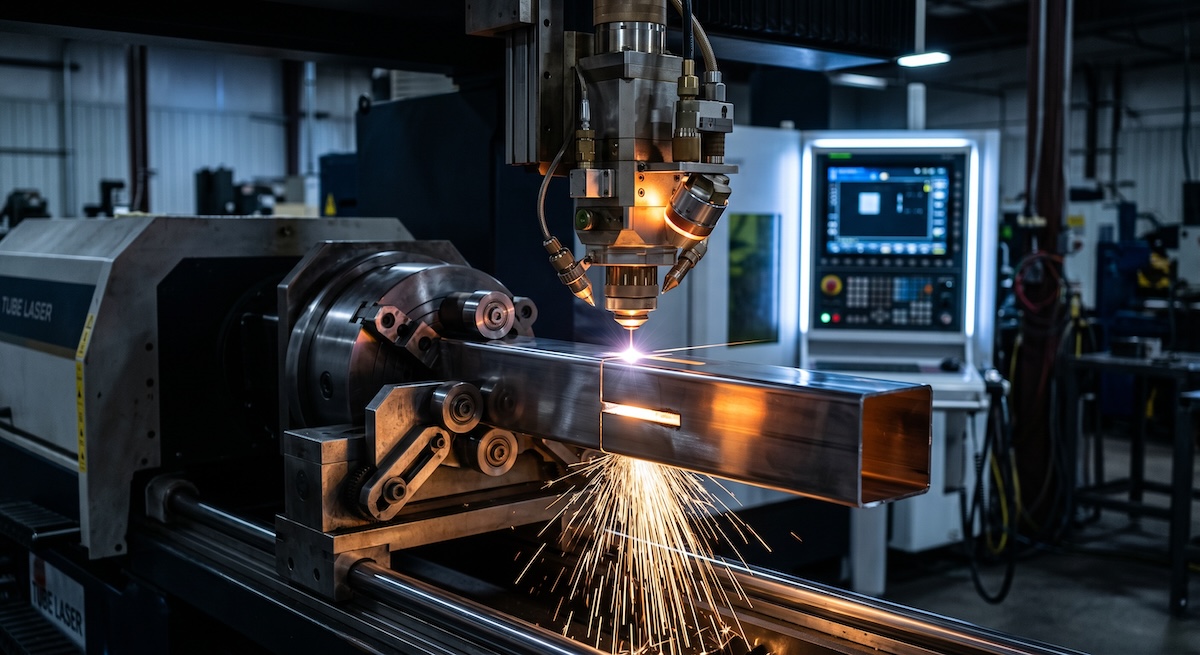
It can. Blueline states its tube lasers cut, drill, notch and tap in one machining process, which removes handoffs between saws, drills and fixtures. According to Blueline, single-operation processing reduces error rates by up to 70%. Fewer handoffs mean fewer places for a part to wait or be reworked.
Blueline runs LT7 tube lasers, which it describes as fully automatic and rated for tube up to 6 inches square or round. It also processes tube up to 13 inches in diameter with 5-axis beveling capability. You can read more on the tube laser cutting for data center and AI infrastructure page.
Single-operation processing does not replace a complete release. It only shortens the steps once the release is clear.
How should you phase deliveries against install dates?
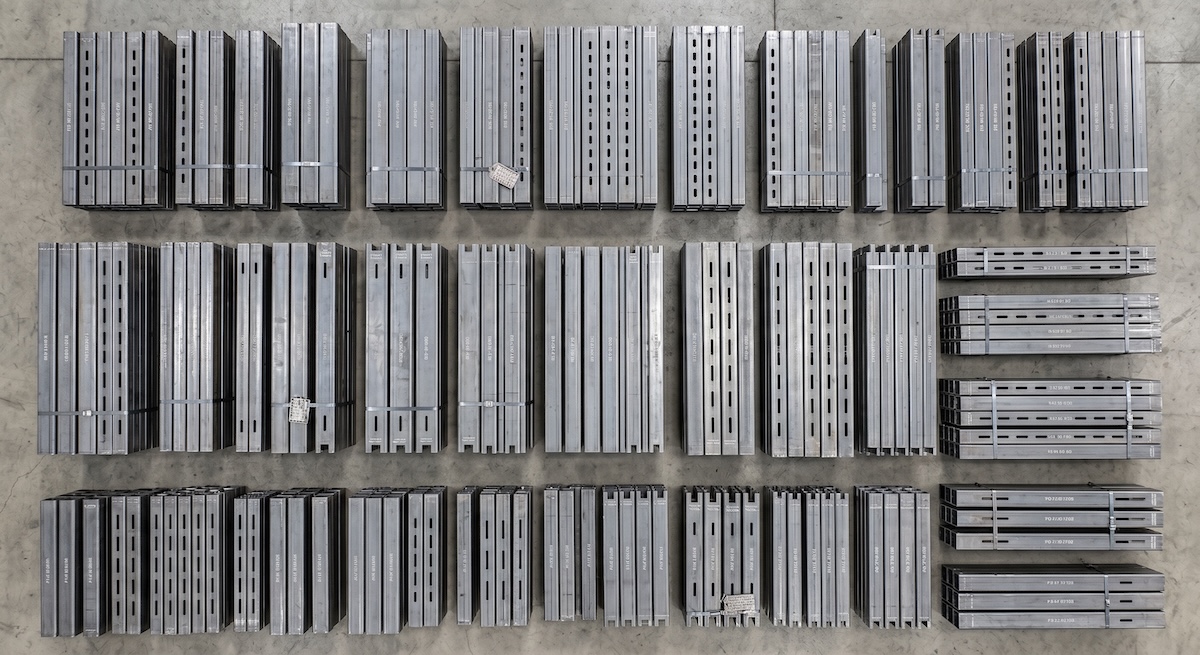
Phase deliveries by install zone and date, not by what is finished first. Parts should reach the site in the order crews need them, with a short buffer for site changes. Share the install sequence with the fabricator before the release so cutting and bundling follow the same order.
Data Center Frontier lists the checks that decide whether a site can take a delivery. Can the site receive the load? Is the haul path clear? Is the crane mobilized? Are preceding trades complete? Is the set location released? The same questions apply to steel supports and tube assemblies, even though they are smaller than a generator.
The article also warns about handling. Equipment that arrives early may be moved to a warehouse, then to a second storage location, then to staging, and the author counts four touches before installation begins. Every extra touch is a chance for damage or lost parts. For steel, labeled bundles and a delivery plan tied to install zones cut that risk.
Ask the fabricator three questions before release. Which parts ship first? How will bundles be labeled? Who confirms the site is ready to receive? Written answers keep the shop, the GC and the install crew on the same plan.
What does a large cooling job show about delivery planning?
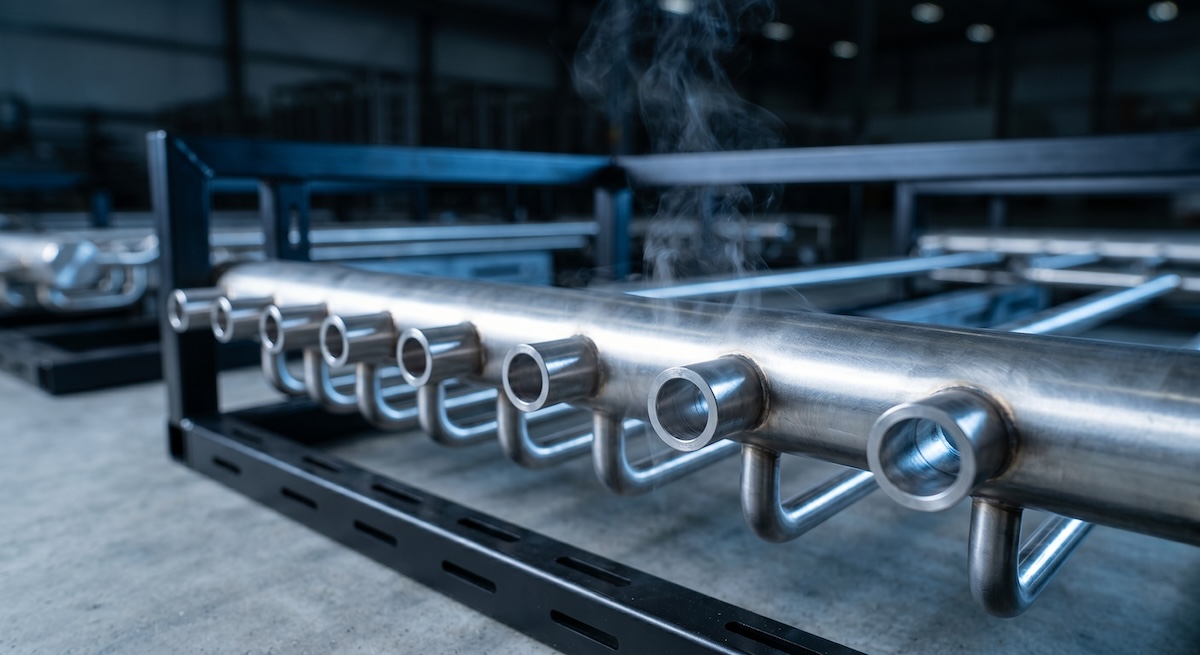
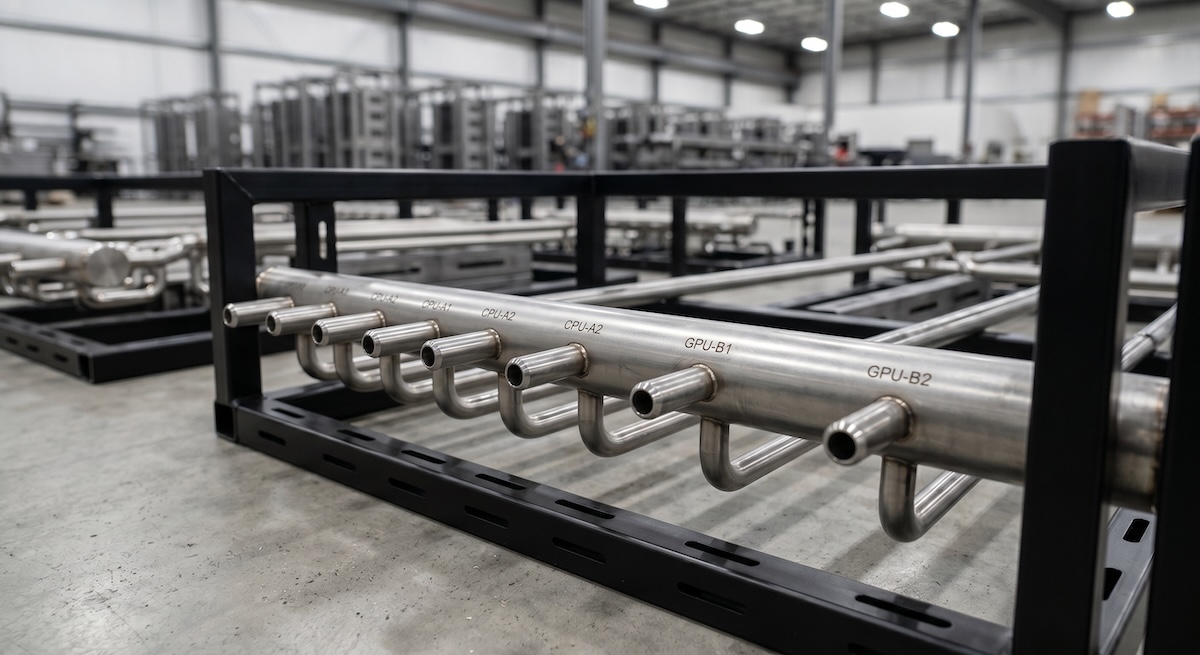
Large jobs move as many separate loads, so delivery sequencing belongs in the release plan. Blueline fabricated stainless steel for an AI data center cooling project in Sacramento in 2025. That work shipped as 16 truckloads of stainless steel.
A job that size cannot arrive as one drop. The shop, the GC and the install crew all need to agree on which parts go first. Blueline states that construction work can be delivered in phases matched to site logistics. For stainless processing details, see stainless steel tube processing.
For a related look at sequencing, read Data Center Steel Fabrication: Ship Parts in Install Order.
Frequently Asked Questions
How long does data center fabrication take?
It depends on quantity, material, drawing readiness and shop capacity. Blueline does not publish a standard lead time. For larger jobs it estimates lead time after reviewing drawings or specifications.
Does equipment or steel set the critical path?
Long-lead equipment usually does. Linesight reports generator delivery at around 110 weeks in 2026. Fabricated steel still needs a complete release so it is ready when the site is.
What should a release package include?
Include final drawings with revision, material grade, tube size and wall, quantities by part number, delivery location and dates, and any inspection or documentation needs.
Can fabricated parts ship in phases?
Yes. Blueline states that construction work can be delivered in phases matched to site logistics. Share your install sequence when you request a quote.
What materials does Blueline process for data center work?
Blueline processes stainless steel and steel tube. Its verified data center project was stainless steel tube for an AI data center cooling system.
Next Step
Lead time starts with a clear release. Send drawings or specifications, material, quantities and your needed-by dates, and Blueline will review them. Get a Quote at bluelineind.com/contact-us or call (951) 833-5597.
Sources: Linesight, Construction Market Insights, June 2026 (supply chain); Data Center Frontier, The Equipment Arrived Early.