Quick Summary
What does modular data center steel fabrication need from a tube shop? It needs identical parts, clear marking and cuts that let modules fit together without field rework. Blueline Industries is a tube laser cutting shop in Chino, CA. It cuts tube frames, supports and brackets in a single operation, so the hundredth part matches the first.
Modular builds move work from the job site into a controlled shop. Consigli, a construction firm, writes that modular components go through Factory Acceptance Testing before they leave the factory. It also says the precision of off-site engineering means components are most likely to fit with minimal on-site adjustments. Tube parts sit inside that promise. If the frames do not match, the modules will not either.

What does modular data center steel fabrication ask of tube parts?
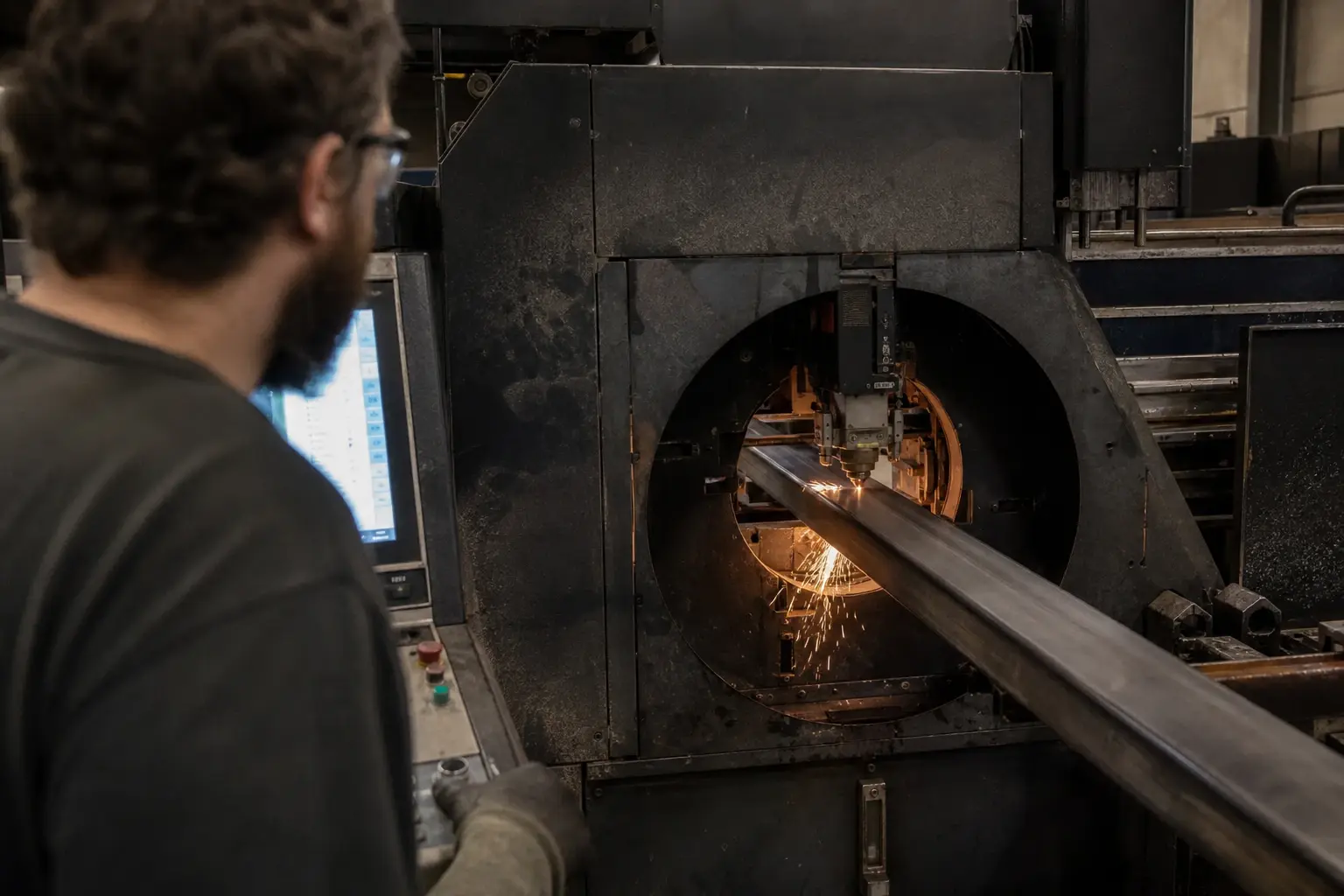
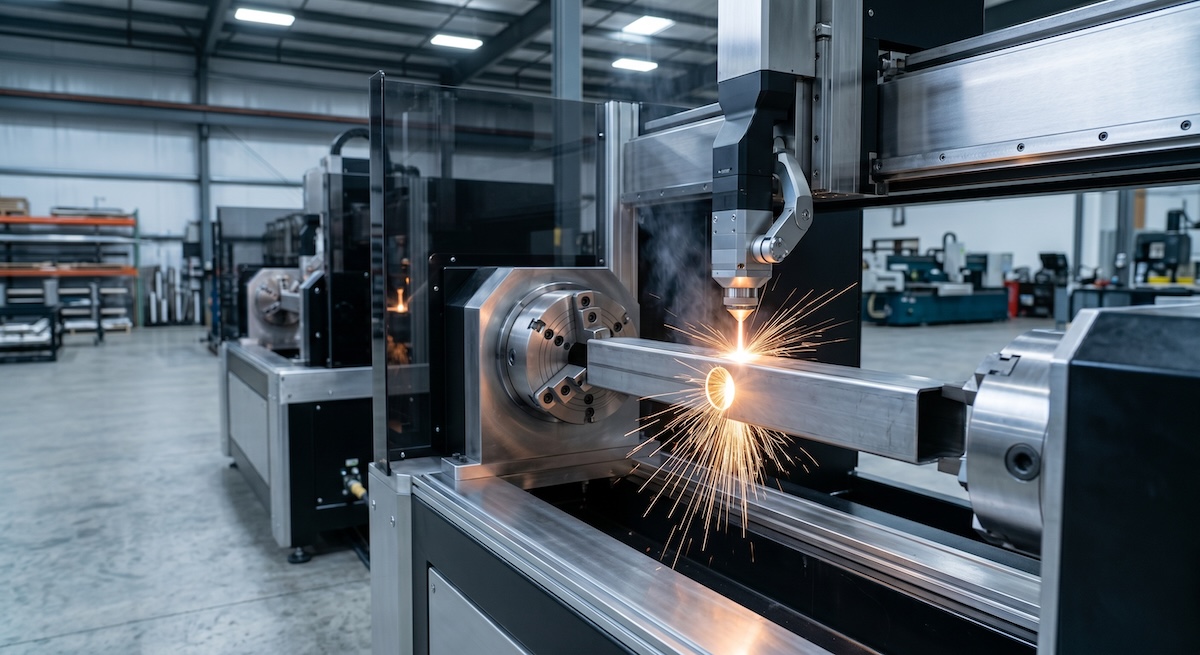
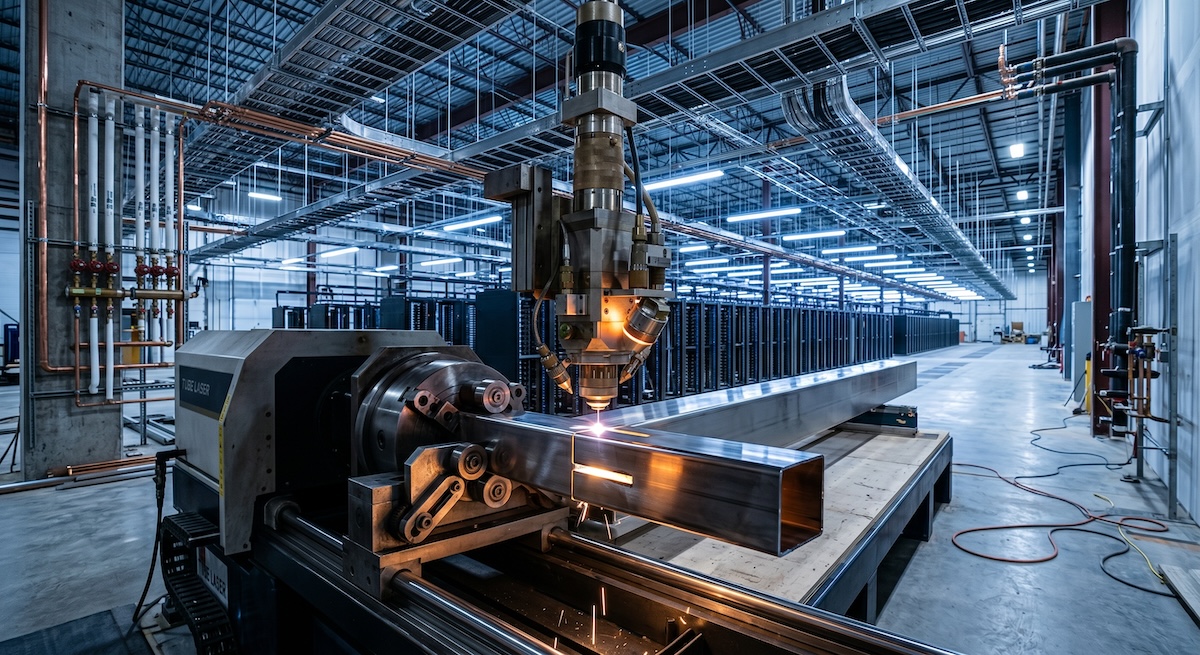
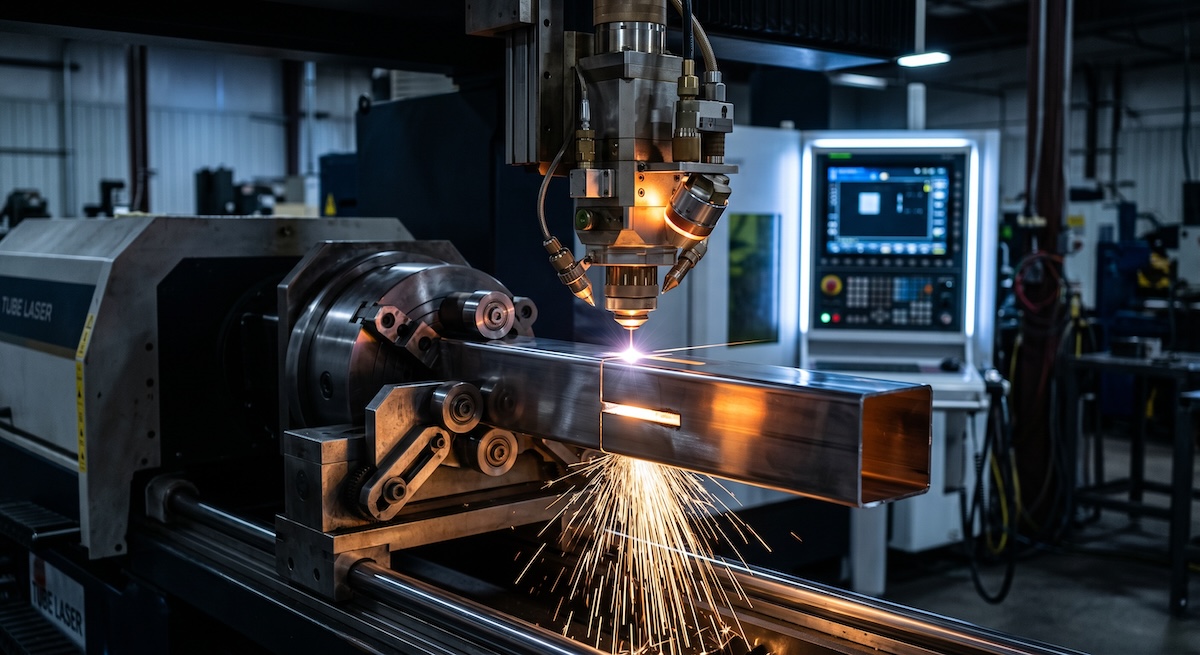
It asks for parts that are the same every time. A module design repeats across many builds, so a slot position or hole pattern that drifts shows up later as a fit problem. Tube laser cutting helps because one program cuts the slots, notches and holes in one setup instead of moving a part between a saw and a drill.
Think about what a module actually holds. One industry write-up describes power skids and chilled-water plants that "arrive on-site finished." Every one of those units sits on or inside a steel frame. The frame is where small errors add up.
That is why a modular buyer should treat each tube part as one member of a family, not a one-off cut. The same bracket, the same support and the same frame leg show up in every module. Buyers who plan for that get cleaner builds.
Why does repeatability matter more across modules than on one-off builds?
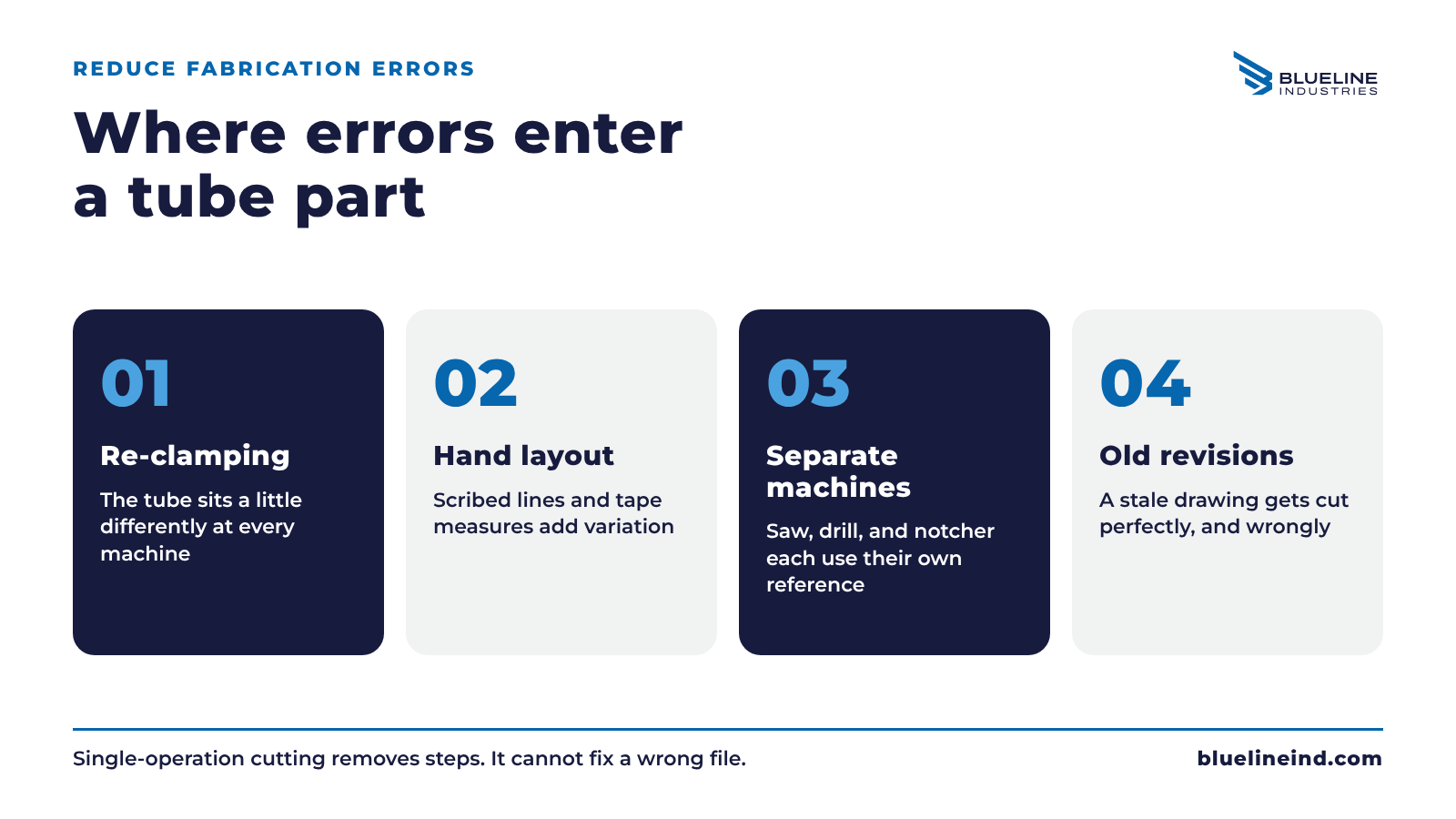
A one-off build lets a crew fix a bad fit with a grinder and a clamp. A module repeated across several sites does not. Any drift in a part gets copied into every module, and every crew has to find the same fix. Consistent parts keep that problem out of the field.
Consigli notes that modular construction brings predictability to procurement by standardizing equipment packages across multiple builds. A standard equipment package needs a standard frame under it. If the equipment is identical, the steel that carries it should be too.
According to Blueline, single-operation processing reduces error rates by up to 70%, and Blueline states tolerances of plus or minus 0.003 inch. Treat those as site-stated capabilities. The tolerance you can expect depends on the part, material and wall, so confirm it for your drawing before you release a run.
Where should module interfaces sit on a tube part?
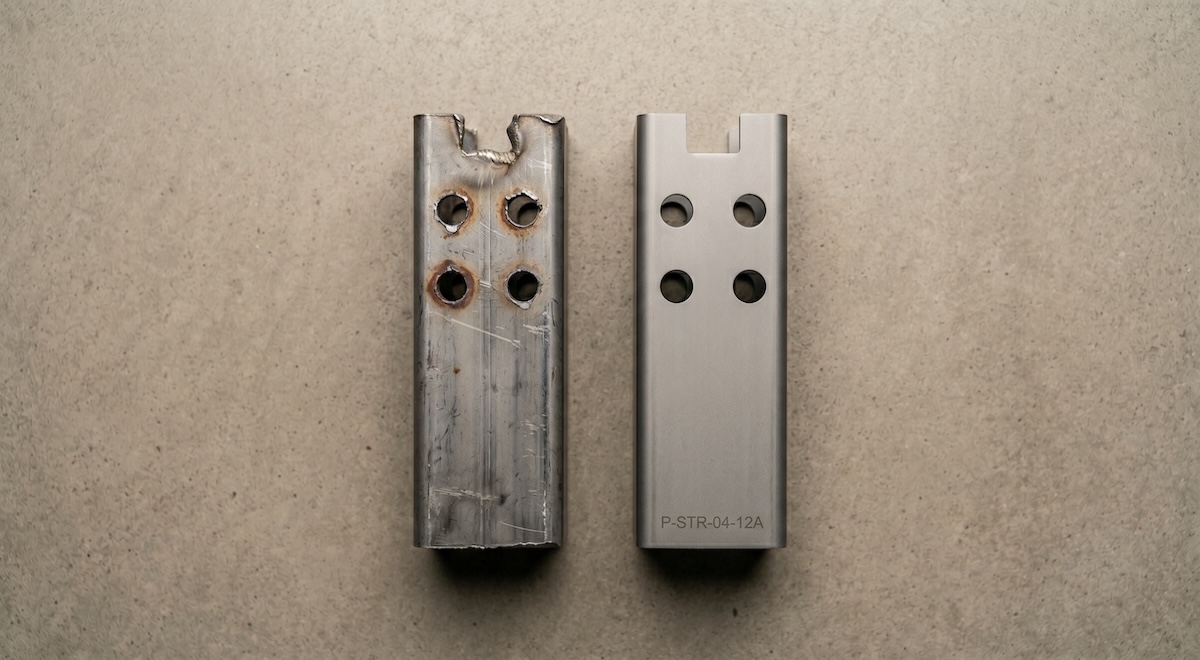
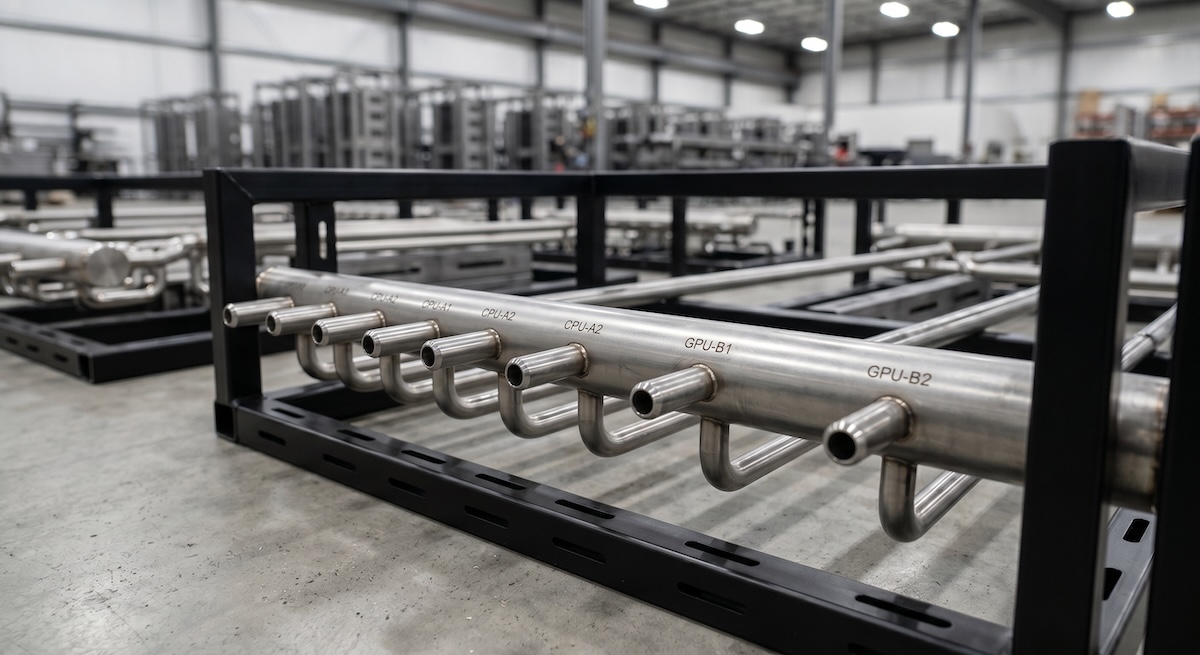
Put every interface feature on the same datum in your model. That includes bolt holes, lifting points, panel slots and mounting tabs. Features cut in one operation keep their position relative to each other. Features split across several processes pick up error at each handoff.
Interface features matter most because they meet another module. A hole that is off by a small amount on a single frame may never matter. The same hole on two frames that must bolt together can stop the install.
Blueline cuts precision slots, notches and holes directly in tube. Call out the interface features on your drawing so the shop can see which ones carry the most risk. A short note such as "mates to module B" can prevent a lot of guessing.
What should you define before you release a module part family?
Define the six items in the table below before the first order. Each one removes a question the shop would otherwise have to ask, and each one helps the second order match the first. Send them with your drawings so the quote reflects the real part family.
Item to defineWhy it mattersWhat to tell the shopPart ID and markingCrews pick parts by label, not by guessThe ID scheme and where it should appearDrawing revisionRepeat orders must match the approved versionThe current revision and who approves changesMaterial and wallStainless and carbon steel handle differentlyGrade, shape, wall and any finish needsFinish and ventingCoatings can trap liquid in closed tubeWhether parts will be coated or galvanizedInterface featuresThey set how modules fit togetherWhich holes and slots mate to another partQuantity per moduleIt drives kit size and run planningParts per module and number of modules
If parts will be hot-dip galvanized, read the post on cutting vent holes in early. It covers why venting belongs in the cut file and not in a later fix.
How should you kit tube parts for each module?
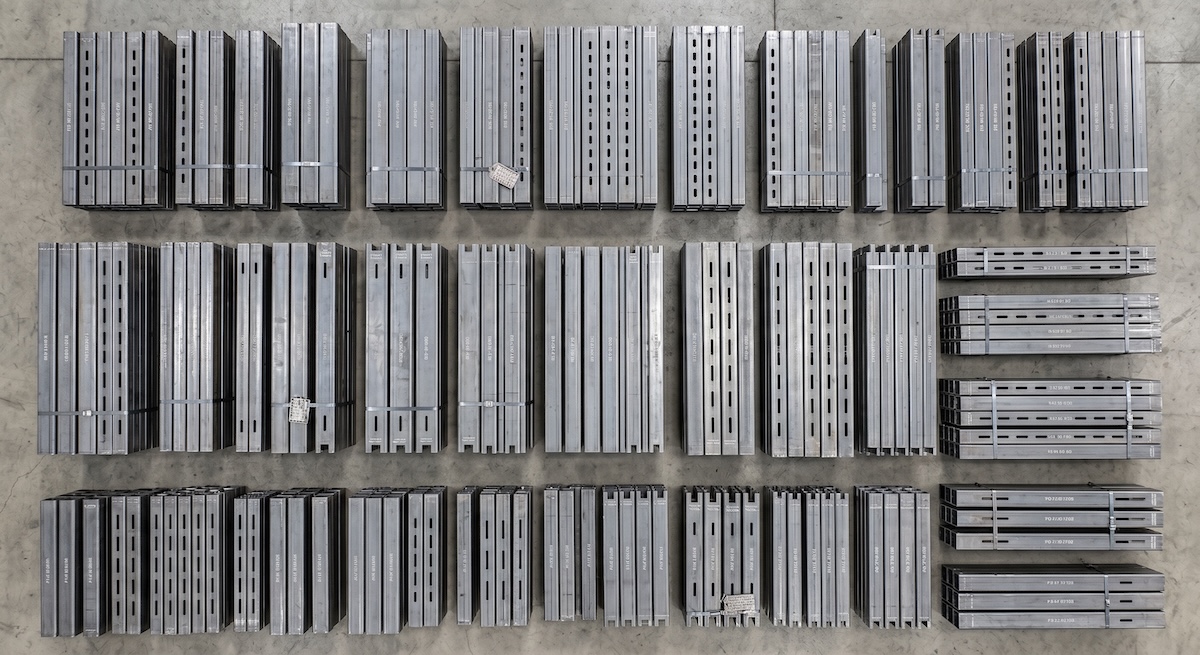
Kit by module and install order, not by part type. A crew building module one wants every part for module one together, labeled the same way as the drawing. Sorting by part type forces extra handling at the site and makes shortages harder to spot.
The same thinking applies to shipping. One prefabrication write-up notes that modules must be shipped in and connected in the right sequence. Tube kits follow the same logic on a smaller scale. Parts that install first should arrive first.
Two Blueline posts go deeper on this. See shipping parts in install order and the RFQ checklist for data center tube work. For frame design, the post on repeatable skid frames covers a related case.
What does a large data center tube order look like?
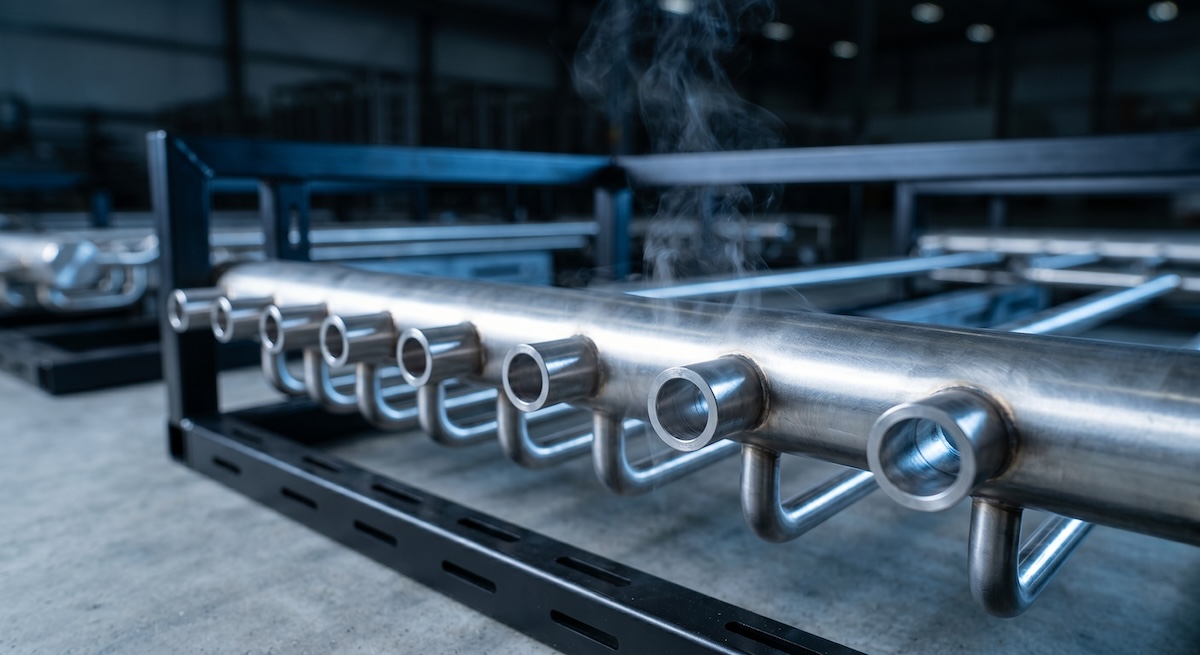
Blueline's verified AI data center cooling project in Sacramento in 2025 used 16 truckloads of stainless steel. That scale shows why part identity matters. When that many pieces move through a shop and onto trucks, a mix-up in labels costs a crew real time on site.
The lesson applies to modular work of any size. Plan the part list, the labels and the kit groups before cutting starts. Blueline processes stainless steel tube and steel tube, and the same planning habits apply to both.
For the full range of data center work, see Blueline's data center and AI infrastructure services.
How do you control changes across repeat orders?
Change one thing at a time and record it. If a revision changes a hole position and a wall thickness together, a fit problem has two possible causes. One change per revision keeps the fault easy to trace. Record each revision with its date and approver.
Ask for a first article on any new part family before the full run is released. The post on approving a first article explains the steps. A single approved sample gives every later order something to match.
Frequently Asked Questions
Can a tube laser shop cut parts for modular data centers?
Yes. Blueline cuts and processes the tube parts that go into frames, supports and brackets. Send your assembly drawings so the team can see how each part is used.
How do I keep parts identical across repeat orders?
Lock the drawing revision, material spec and part IDs. Approve a first article before the full run. Record any change as its own revision so the next order matches the last approved version.
What tube sizes can Blueline cut?
Blueline states that its LT7 tube lasers are fully automatic and cut up to 6 inch square or round tube. Blueline also states it processes tube up to 13 inch diameter with 5-axis beveling capability. Confirm your exact shape and wall when you request a quote.
Can Blueline promise a lead time?
Lead time depends on scope, material and quantity, so Blueline quotes it per project. Send your drawings and quantities for a quote and ask about timing directly.
Where does Blueline ship?
Blueline operates from its Chino, CA facility and ships to customers in Los Angeles, San Diego, San Jose, San Francisco, Las Vegas, Tucson, Salt Lake City, Portland and Seattle. See the service area page for details.
Plan the Part Family First
Modular data center work pays off when the tube parts repeat. Define the interfaces, mark the parts, kit by module and control every change. Then the shop floor and the job site both run on the same plan.
Ready to talk through your module parts? Get a Quote or call (951) 833-5597. Blueline Industries: made in America, built on integrity.
Sources: Consigli, "Prefabrication for Faster, More Flexible Data Center Construction" (March 31, 2026) and W.Media, "The prefabrication revolution in data centers" (November 26, 2025).