Quick Summary
Tab and slot tube fabrication is a design method where one tube part has a tab and another has a matching slot, so the parts click into position before anyone welds or bolts them. Blueline Industries, a tube laser cutting shop in Chino, CA, cuts the slots, tabs, and holes that make this work. For steel erectors and general contractors, the payoff is simple: less measuring, less guessing, and fewer fit-up surprises at the joint.
This post explains how the method works, where it fits on construction and infrastructure jobs, and what to send a shop so the parts arrive ready to assemble.

What is tab and slot tube fabrication?
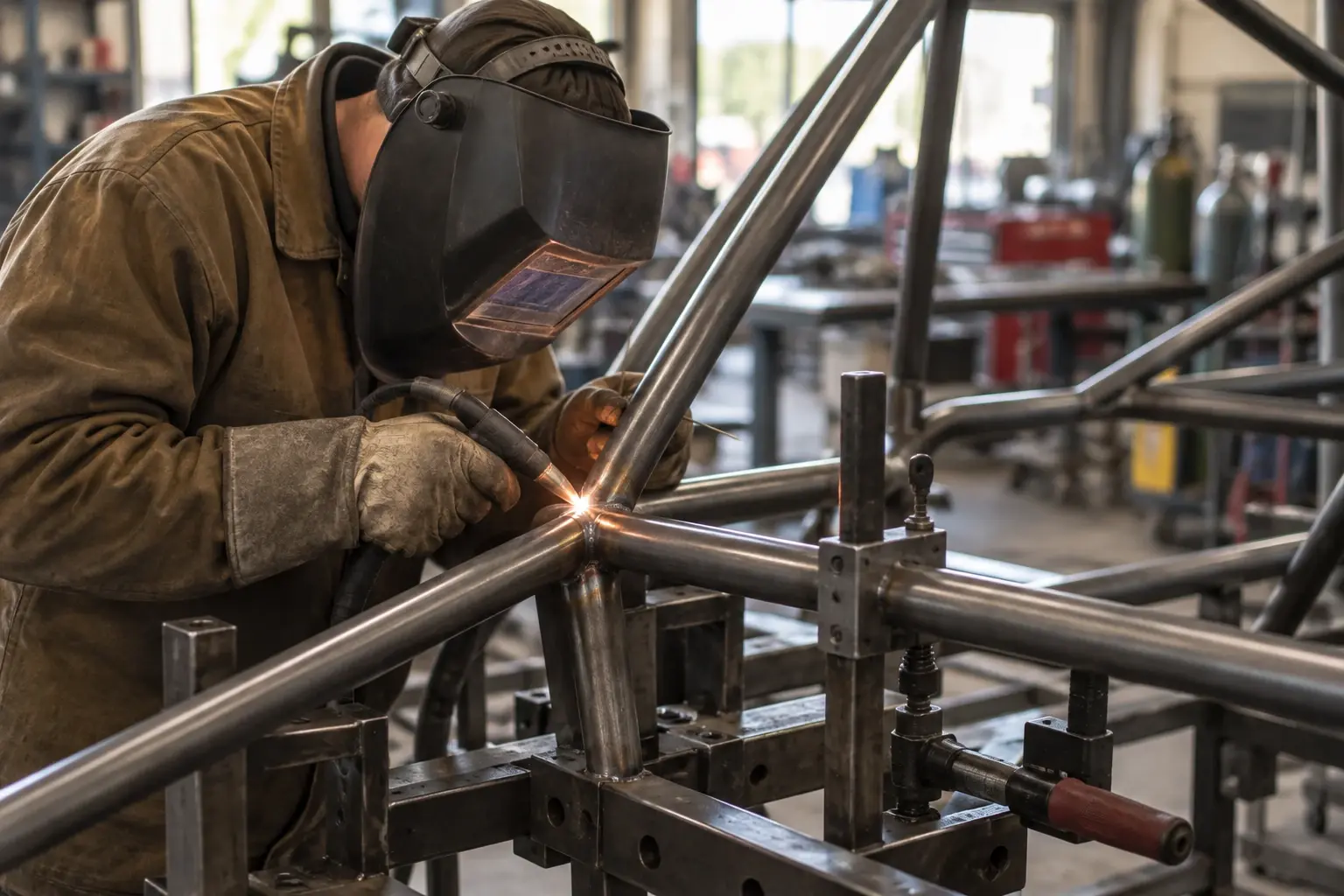
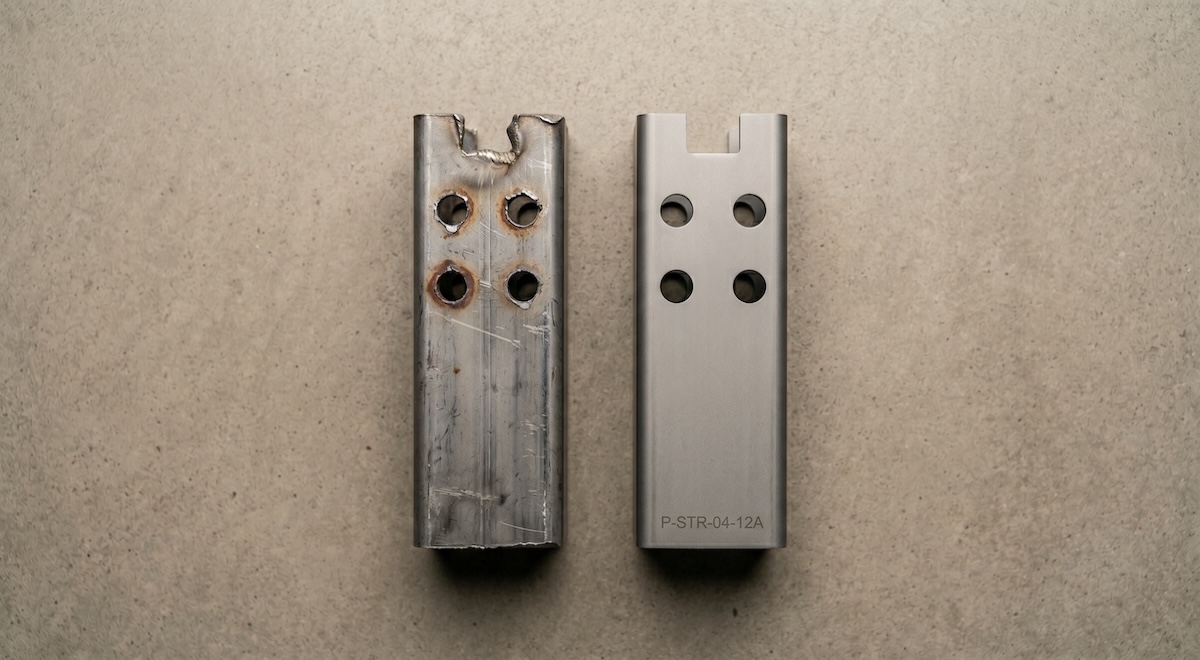
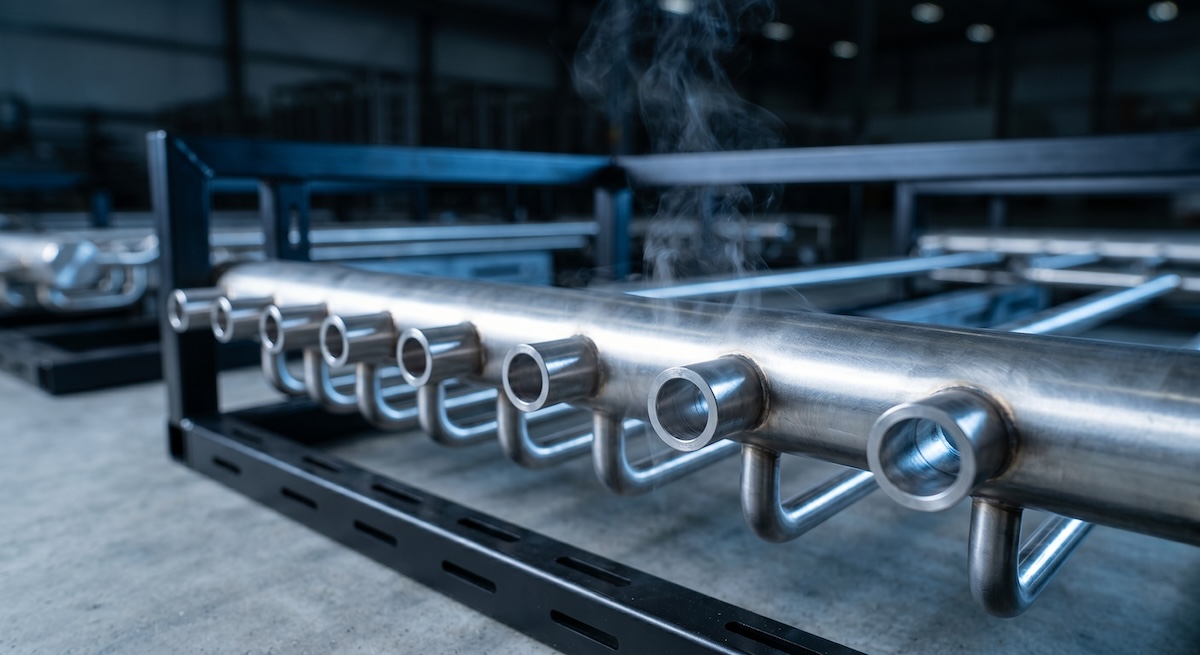
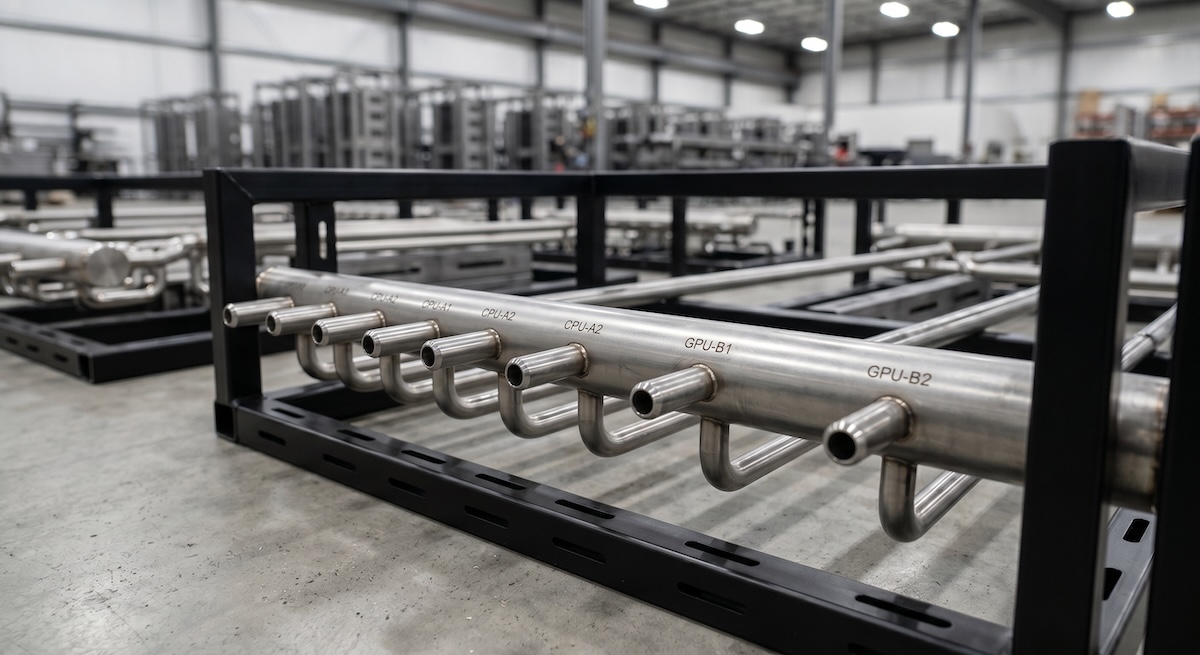
Tab and slot tube fabrication is a joint method where a laser cuts a tab on one tube part and a matching slot in another. The tab drops into the slot and holds the part in position. Welders then tack and weld from a known starting point instead of marking and measuring each joint by hand.
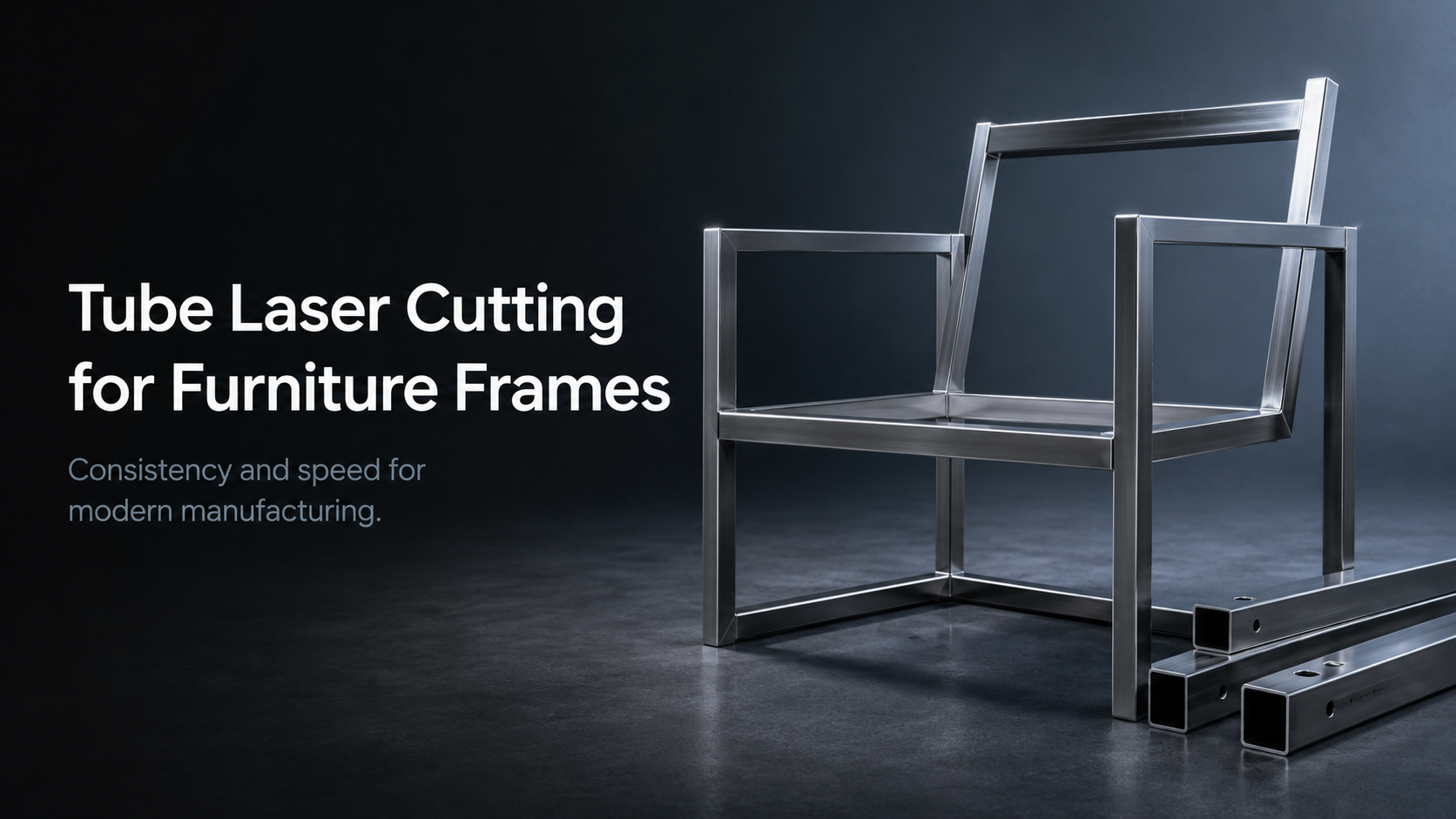
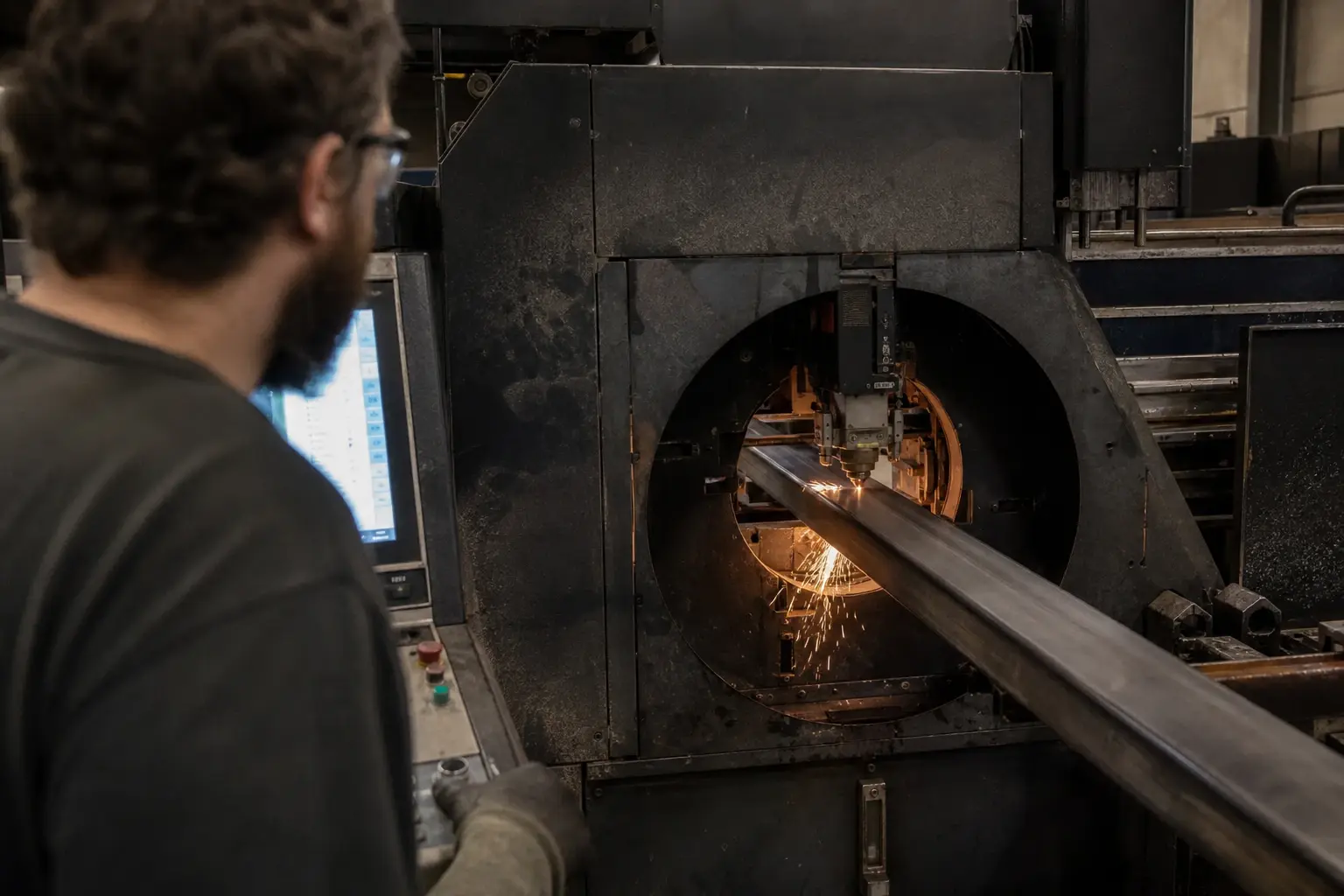
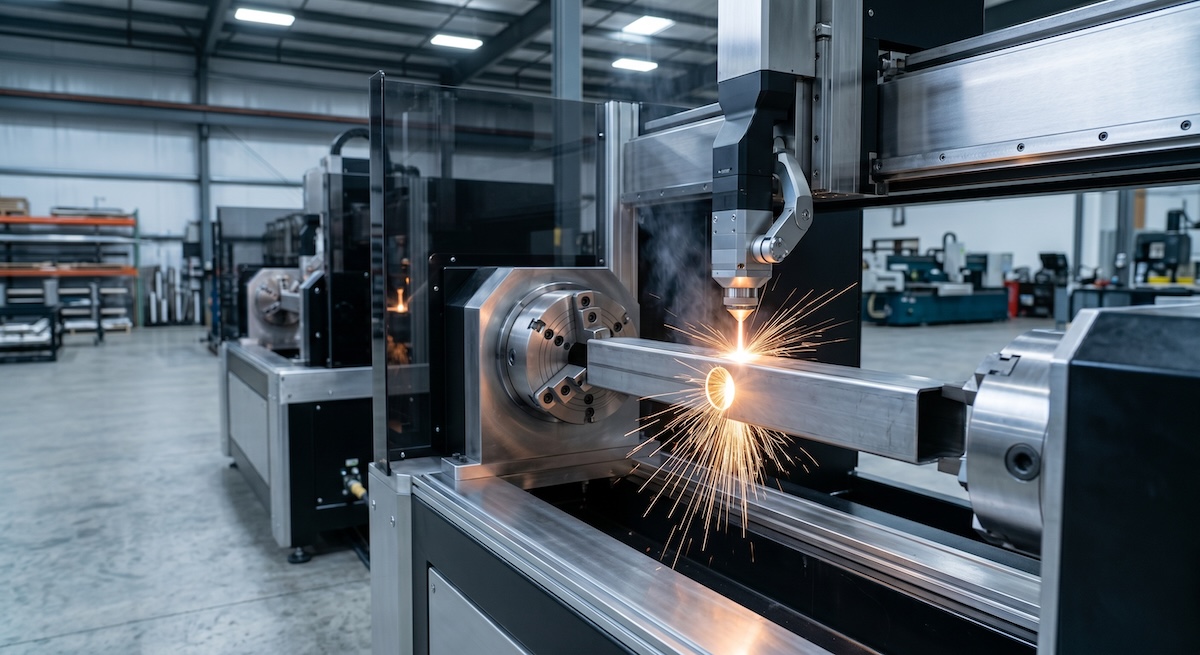
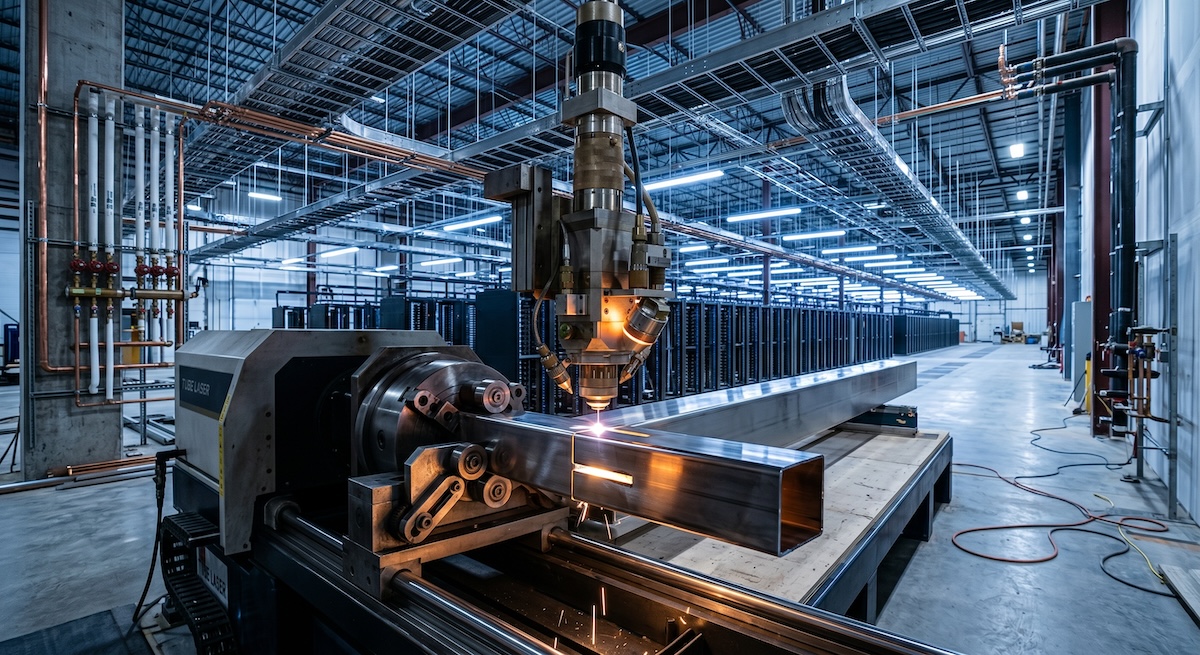
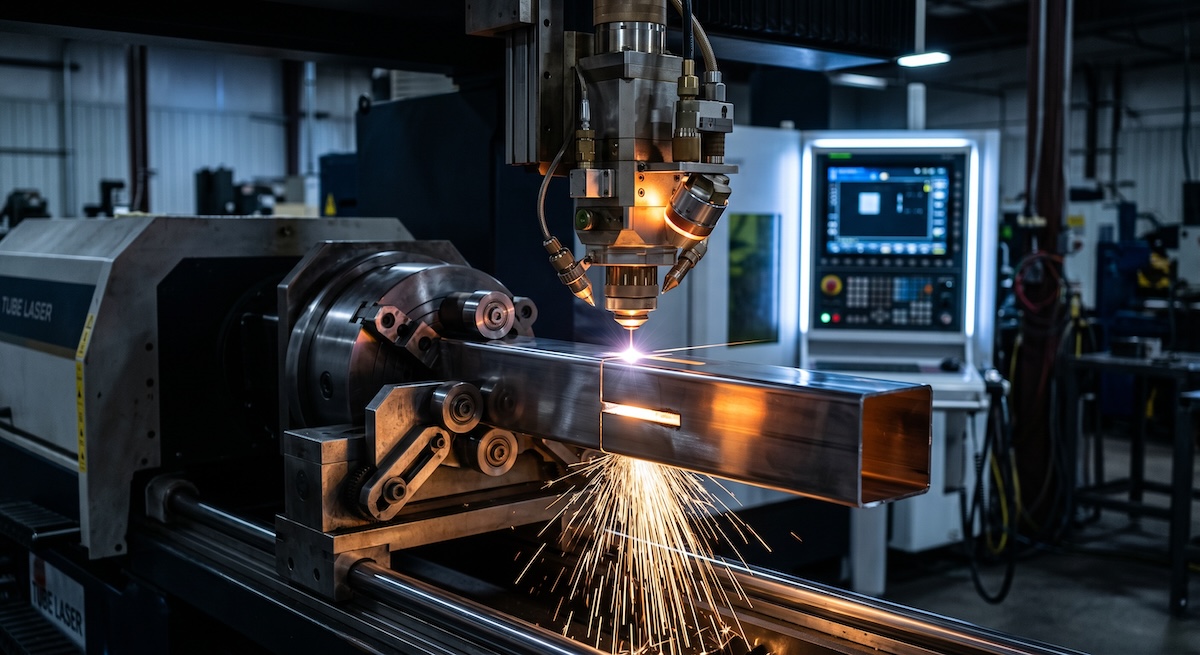
A tube laser can cut these features in the same operation that cuts the tube to length. That is why the method pairs well with precision slotting, notching, and hole cutting. The features come off the machine already located to the part, not to a tape measure.
How it differs from a notch or cope
A notch or cope shapes the end of a tube so it meets another tube. A tab and slot adds a mechanical key. If you want the full story on end shapes, read our post on tube notching and coping. The two methods work together on many assemblies.
Why do steel erectors and GCs care about self-locating tube?
Self-locating tube cuts the time spent on layout and helps keep repeat assemblies consistent. When every part has a built-in reference, a crew checks fit by looking at the joint instead of re-measuring it. That matters most where many similar joints repeat, or where access is tight.
Three pressures push builders toward this approach:
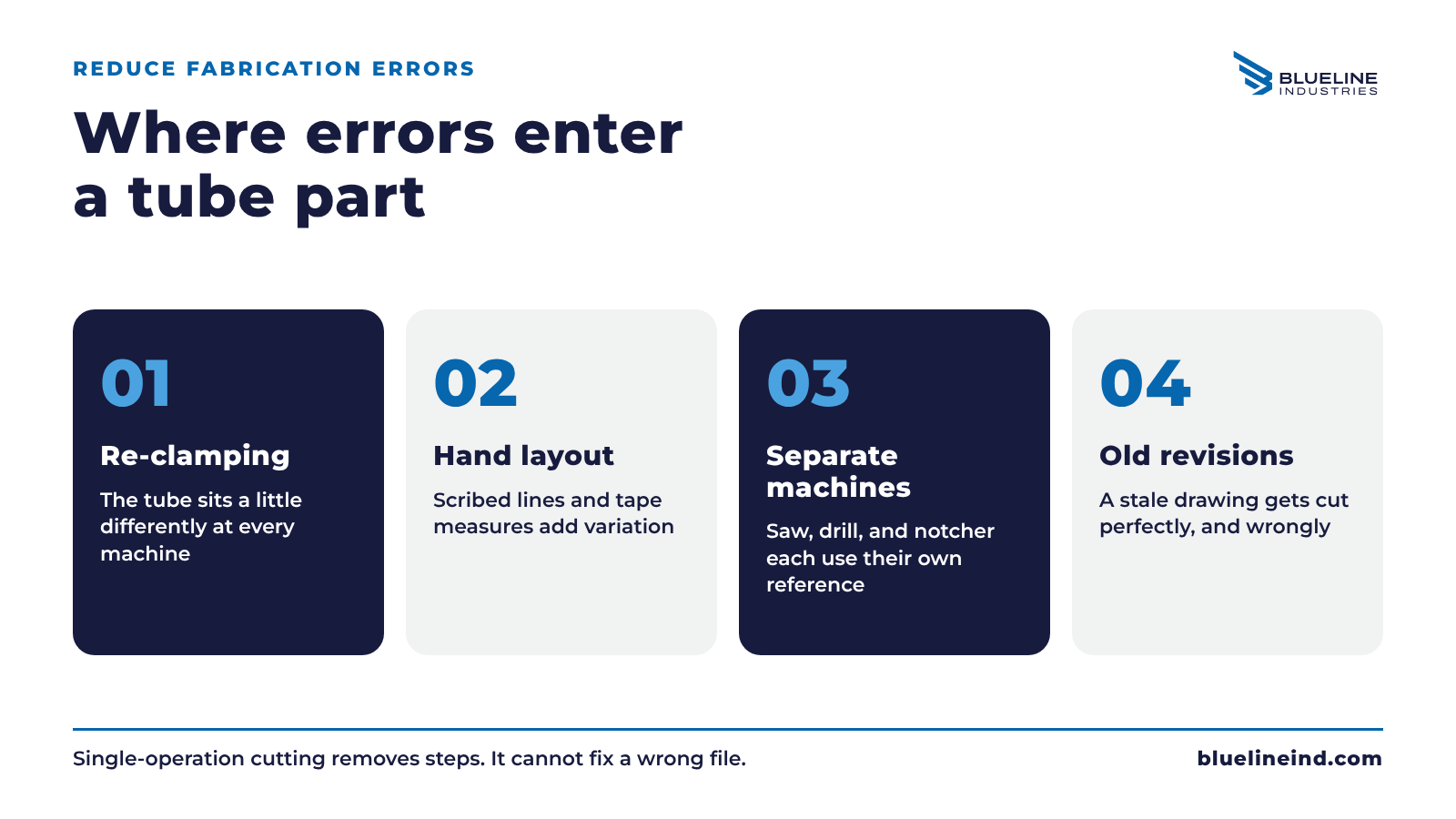
Blueline states that single-operation processing reduces error rates by up to 70%. That figure comes from Blueline, and results depend on the part and the design. Treat it as a reason to ask questions, not as a guarantee.
How do you design tab and slot joints in tube?
Start by deciding what the tab does. Then size the fit, place the features, and plan the weld. Give each tab and slot a fit allowance so parts drop in without force. Keep features clear of weld seams and tight corner radii. Then confirm the plan with your engineer.
Decide the job of the tab
Most tabs only locate parts. They hold position while the weld or bolt carries the load. If you want a tab to share load, that is an engineering decision. The engineer of record should approve the joint, not the shop and not a guess.
Size the fit on purpose
A tab that is too tight stalls assembly, especially after paint or galvanizing. A tab that is too loose gives up the location you wanted. Our post on kerf and slot fit explains why the cut width matters when you set a slot size.
Place features with the tube in mind
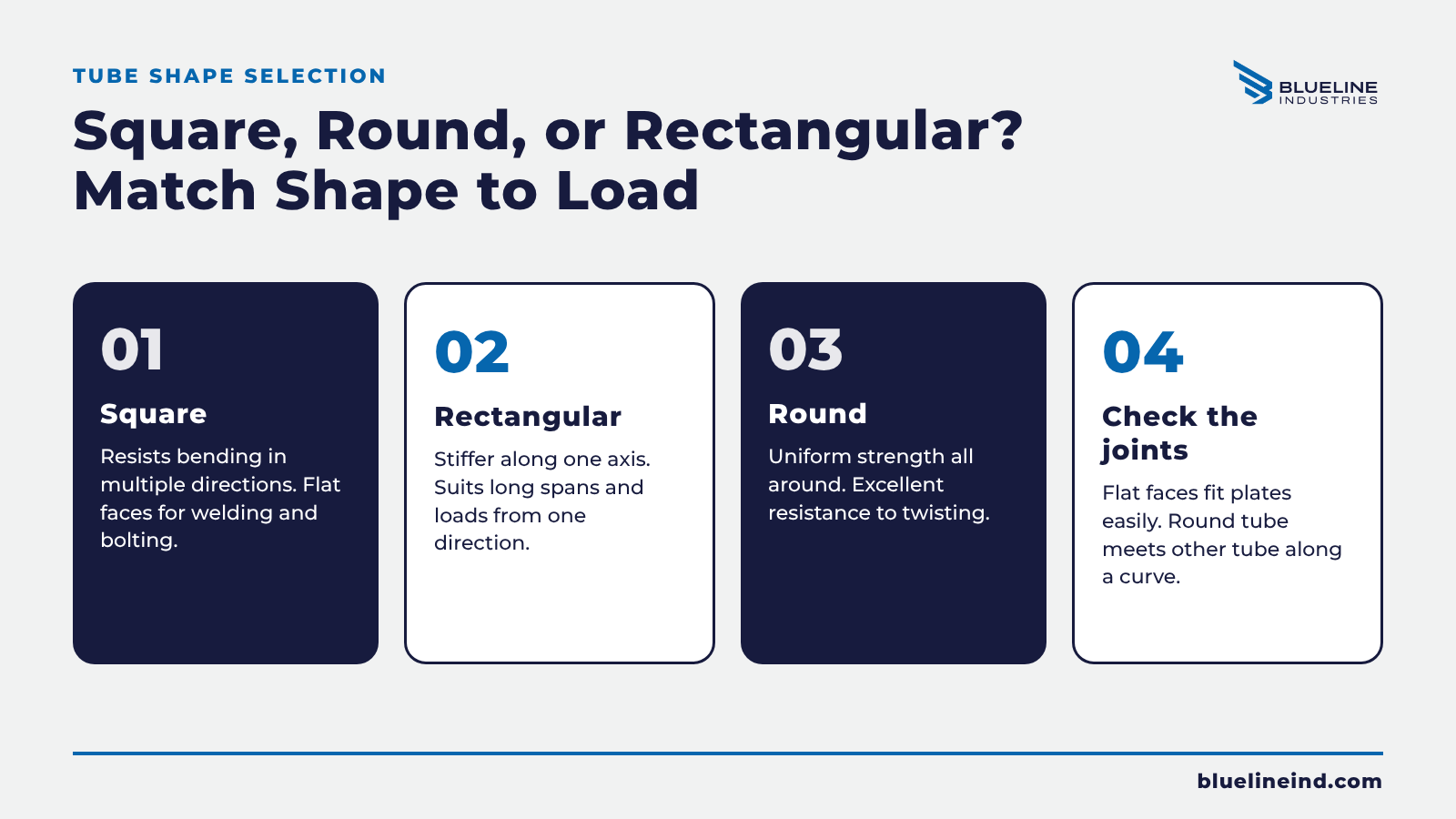
Tube is not perfect. It has bow, twist, a weld seam, and rounded corners. Put tabs and slots on flat faces, away from the seam and the corner radii where you can. Mention the tube type and wall thickness on the drawing so the shop programs the right cut.
MethodWhat sets the positionWhere error can stack upBest fitHand layoutTape, scribe, and operator judgmentEvery mark and every partOne-off partsFixture or jigThe fixtureFixture wear and setupRepeat runs in the shopTab and slotFeatures cut into the partsFit allowance and tube variationRepeat joints, field assembly, tight access
When is tab and slot not the right answer?
Tab and slot is not the right answer when the joint needs thick walls, heavy loads, or a connection type your engineer has already specified. It is also a poor fit for one-off parts where drawing the feature costs more than measuring the joint. Ask before you design around it.
Some joints are better served by a plain notch, a bolted plate, or a full-penetration weld detail. Code-governed structural connections belong to the engineer of record. A tab can help the crew find the right spot. It does not replace the connection design.
What can verified projects tell us about scale?
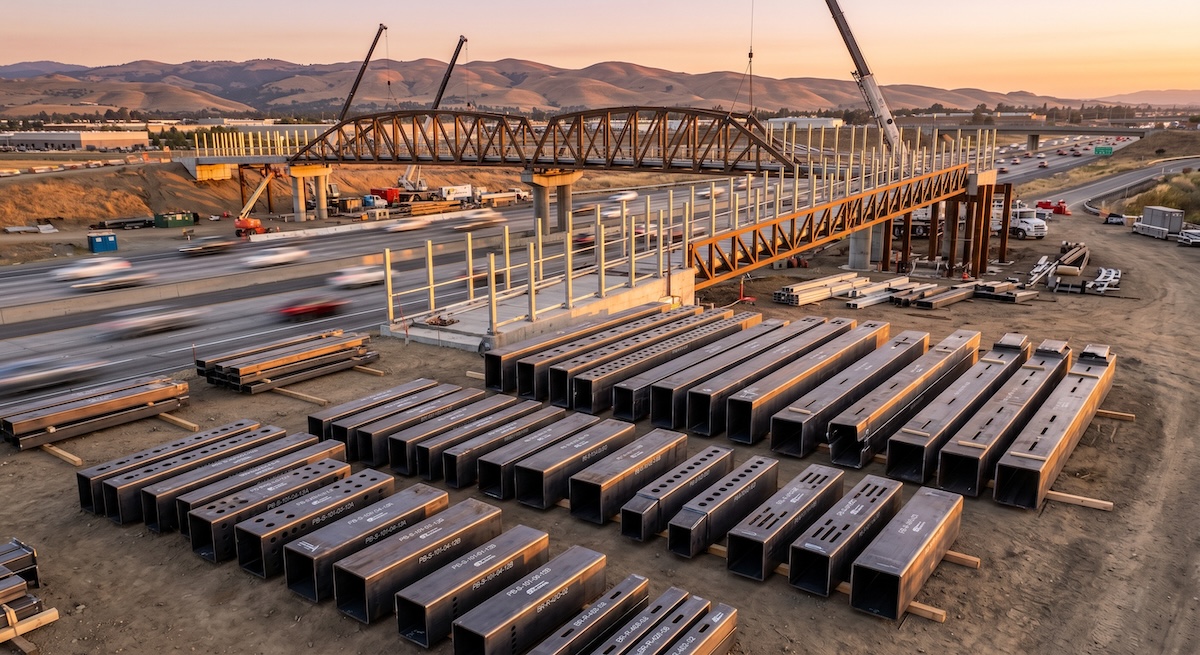
Blueline has processed steel on large jobs. In 2025 that included the Caltrans I-5 pedestrian bridge in Irvine at more than 500,000 pounds of steel, and the Coachella Sahara Stage at more than 1 million pounds of steel. Blueline does not publish joint details for those projects, so this post does not claim tabs were used on them.
What those jobs show is scale. At that tonnage, hand layout of every joint stops being practical. Repeatable cut features are one way to keep that many parts predictable. For more on how Blueline supports this work, see its tube laser cutting for construction and infrastructure services.
What should you send for a tab and slot quote?
Send a 3D model, a cut list, the tube type, the wall thickness, and the quantity. Add notes on which joints are locating only and which carry load. Also state the finish, since paint or galvanizing changes the fit allowance. Clear files mean fewer questions and fewer revisions.
Blueline ships to Portland, Tucson, San Francisco, San Diego, Seattle, Salt Lake City, Las Vegas, San Jose, and Los Angeles from its Chino facility. See the service area page for details.
FAQ
Does tab and slot replace welding?
No. Tabs and slots locate parts so the weld goes where you planned. Welds or bolts still make the connection unless your engineer designs the tab to carry load.
Can a tube laser cut tabs and slots in stainless steel tube?
Yes. Blueline processes stainless steel and carbon steel tube. The fit allowance may differ by material and wall thickness, so list both on your drawing.
How tight can the fit be?
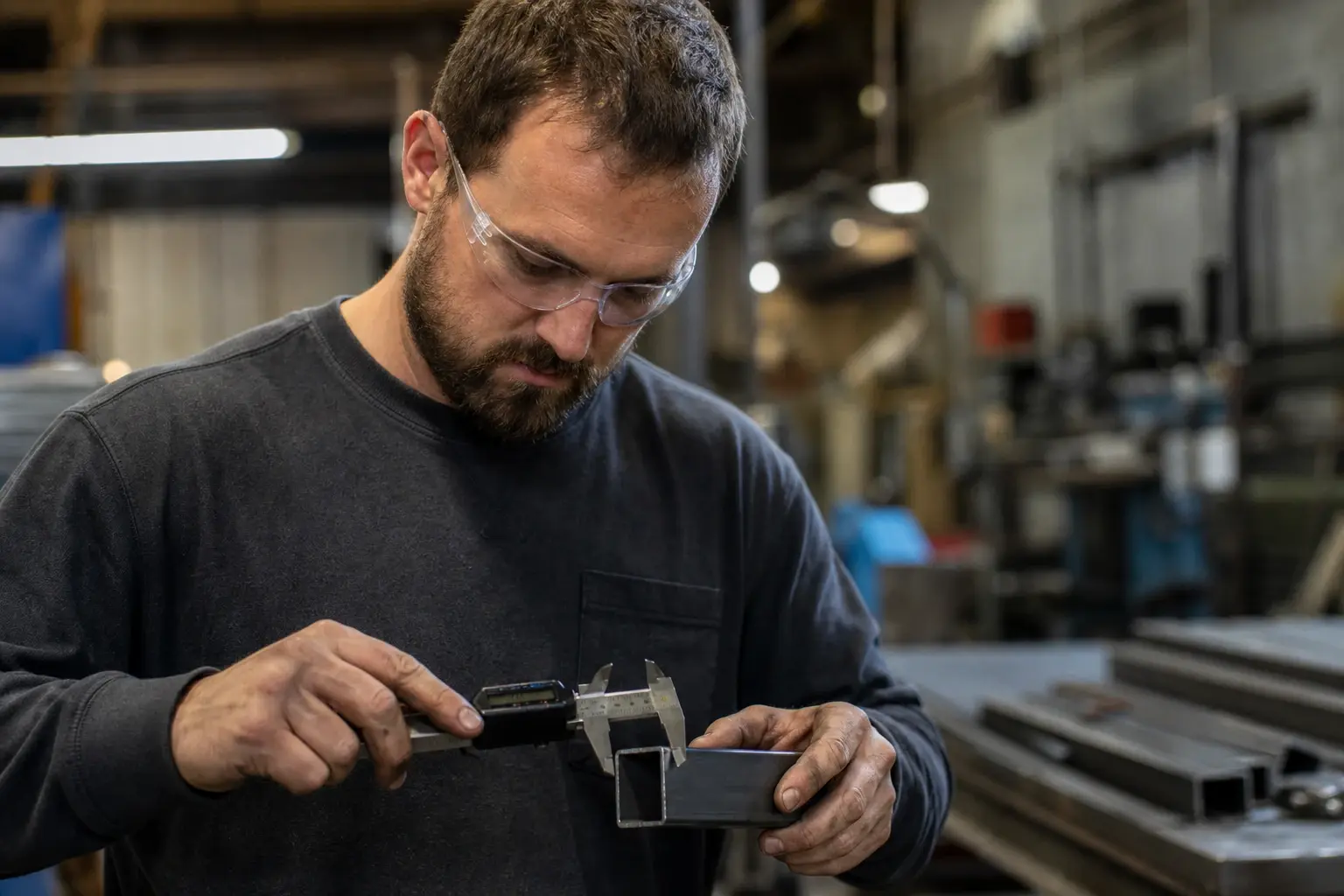
Blueline states tolerances of plus or minus 0.003 inch. Your joint should still carry a fit allowance so parts drop in without force, and so paint or galvanizing does not lock them up.
Do I need to design the tabs myself?
Your engineer or designer sets the joint. Blueline cuts the features your files call out. If you are unsure, send the model and ask the team to review it before you release the cut.
Is tab and slot worth it for a small run?
It can be. If the same joint repeats many times, the time saved on layout adds up. For a single part, a simple notch is often enough.
Get parts that find their own position
Tab and slot design takes a little planning up front. It pays back at the joint, where a crew can see the fit instead of measuring it. Send Blueline your model and cut list and the team will tell you what the tube laser can cut.
Ready to start? Get a Quote or call (951) 833-5597. Made in America, built on integrity.