Quick Summary
- A data center skid frame is a welded steel base that carries equipment and ships as one unit.
- Modular and prefabricated builds move assembly into a factory, so every frame must match the last one.
- Tube laser cutting repeats the same slots, tabs, holes, and ends from a stored program, which keeps fit-up predictable.
- Send the whole frame package, not loose parts, so cutting stays tied to the assembly.

Data center skid frame fabrication works when every frame in a run is built from the same cut tube, to the same drawing, at the same revision. Blueline Industries is a tube laser cutting and precision metal fabrication shop in Chino, CA. We cut the tube parts that make that repeat possible.
Modular data center builds depend on it. If frame number twelve does not match frame number one, the factory loses the time it was meant to save.
What is a data center skid frame?
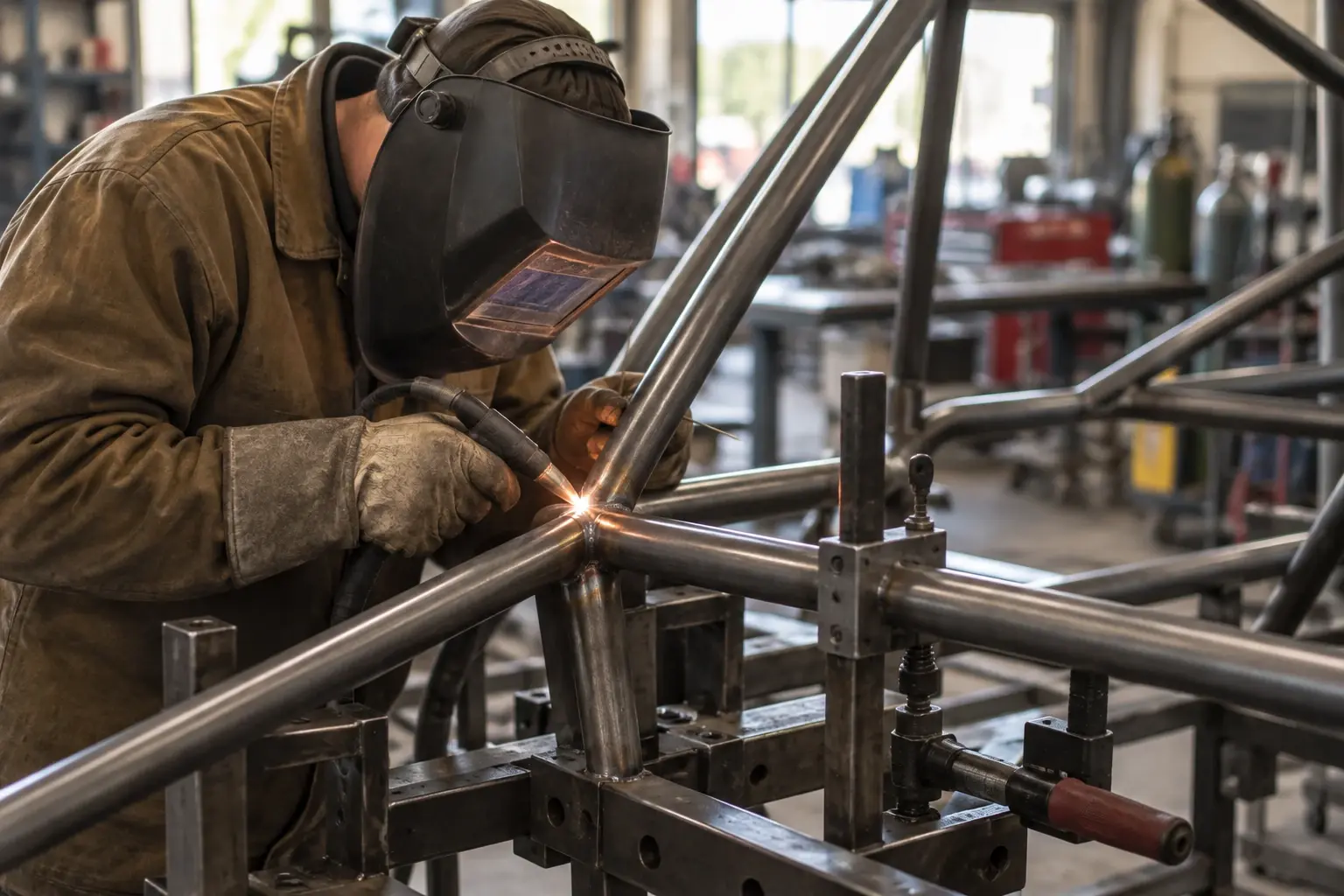
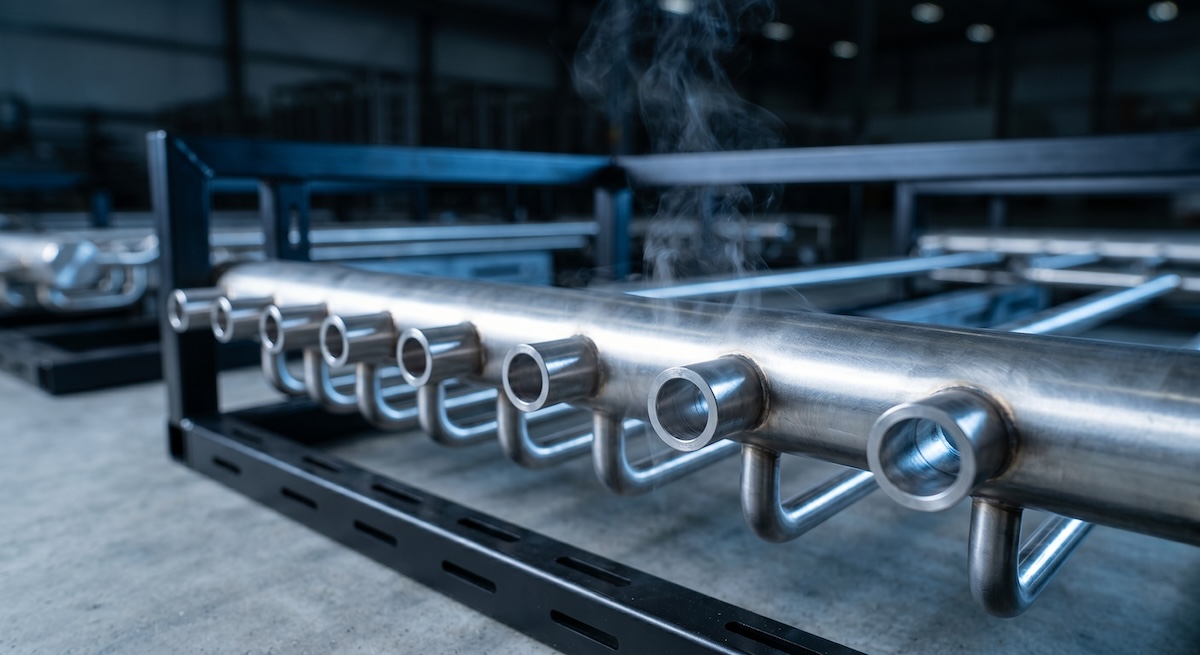
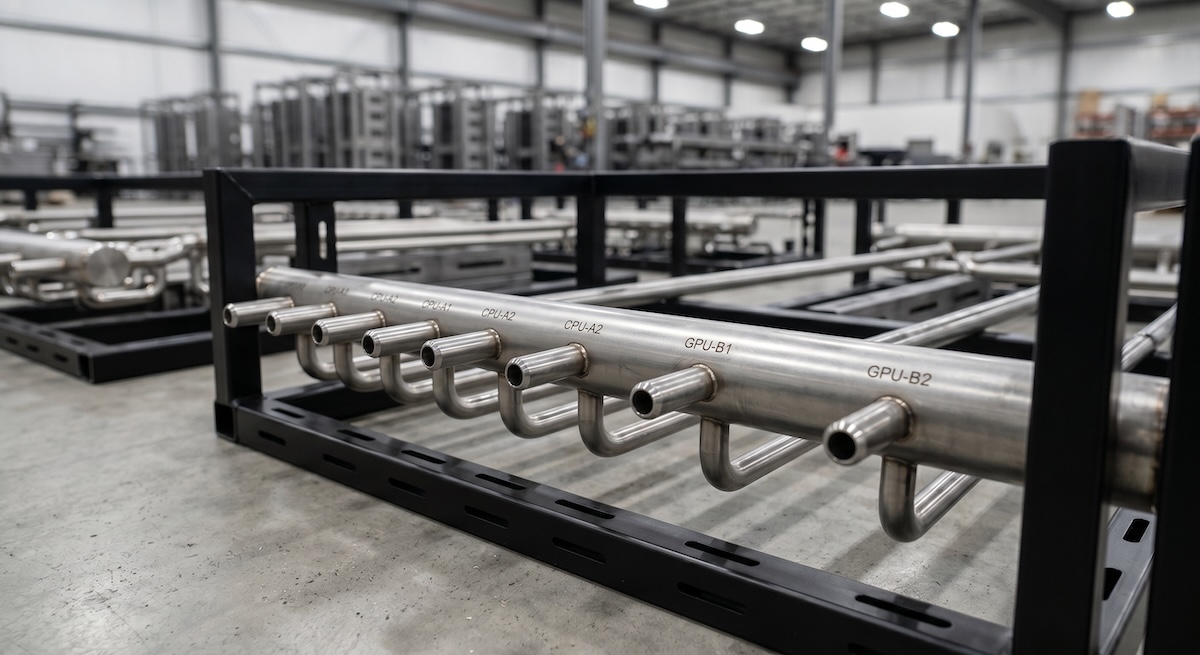
A data center skid frame is a welded steel base, often built from tube and structural shapes, that carries equipment such as pumps, piping, or electrical gear. It is assembled in a controlled shop, shipped as one unit, and set in place on site. The frame keeps everything aligned from factory to final position.
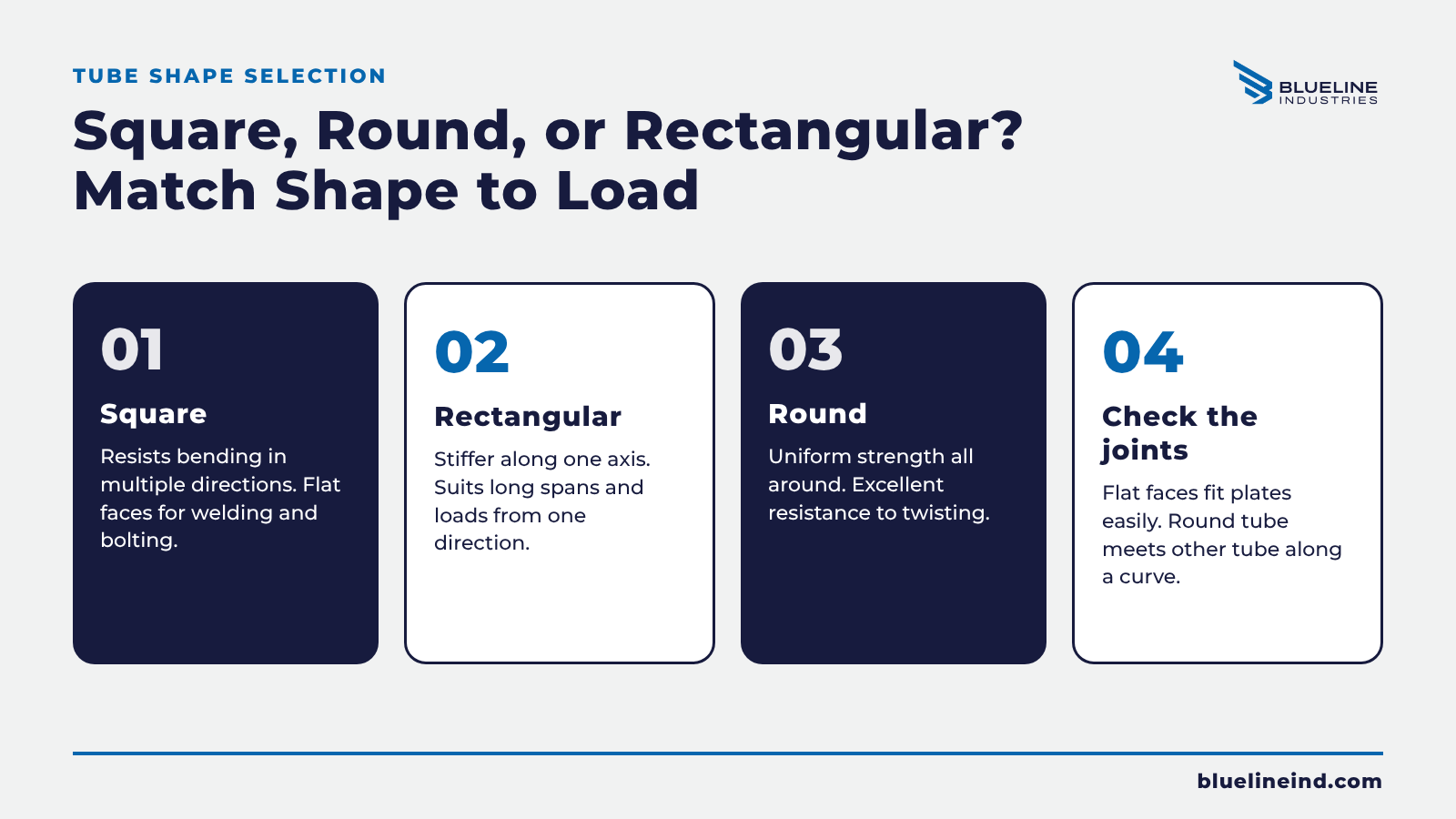
Tube is a common choice for these frames because hollow sections resist bending and twisting well for their weight. A frame also has many joints. Each joint is a place where a part either fits or does not.
That is why the cutting step matters so much. A welder can fix a loose joint, but every fix takes time, and on a repeat build those minutes multiply across every frame.
Why does modular data center construction need repeatable frames?
Prefabricated modular construction shifts assembly from the job site into a factory. That only pays off when the factory can repeat its work. Frames that vary from unit to unit bring the rework back, just in a different building.
Vendors in this space make strong claims about the payoff. These are their numbers, not Blueline's, and results vary by project.
- Vertiv's article on prefabricated modular data centers says these solutions “can shorten the timeline for bringing a new facility online by up to 30%.” It also says prefabrication happens “in a controlled environment by specialists.”
- ABB says modular solutions are “built and tested in a controlled environment, resulting in a reliable and consistent finished product.” It also says operators “could be looking at up to a 50 percent reduction in deployment time.”
- Limbach lists “improved quality and consistency” and “reduced onsite labor requirements” among the benefits of modular construction.
Notice the common thread: consistency. A factory build rewards parts that arrive the same every time.
Site-built versus skid-built: what changes for the tube parts
QuestionBuilt on siteBuilt as a skid in a shopWhere does assembly happen?In the field, around other tradesIn a controlled shop, before shippingWhat must the cut parts deliver?Parts that can be adjusted in placeParts that fit the same way on every unitWhat does a bad part cost?Field rework and waiting tradesRework repeated across the whole runWhat helps most?Clear marks and install orderLocked revisions and matched batches
How does tube laser cutting keep skid frames identical?
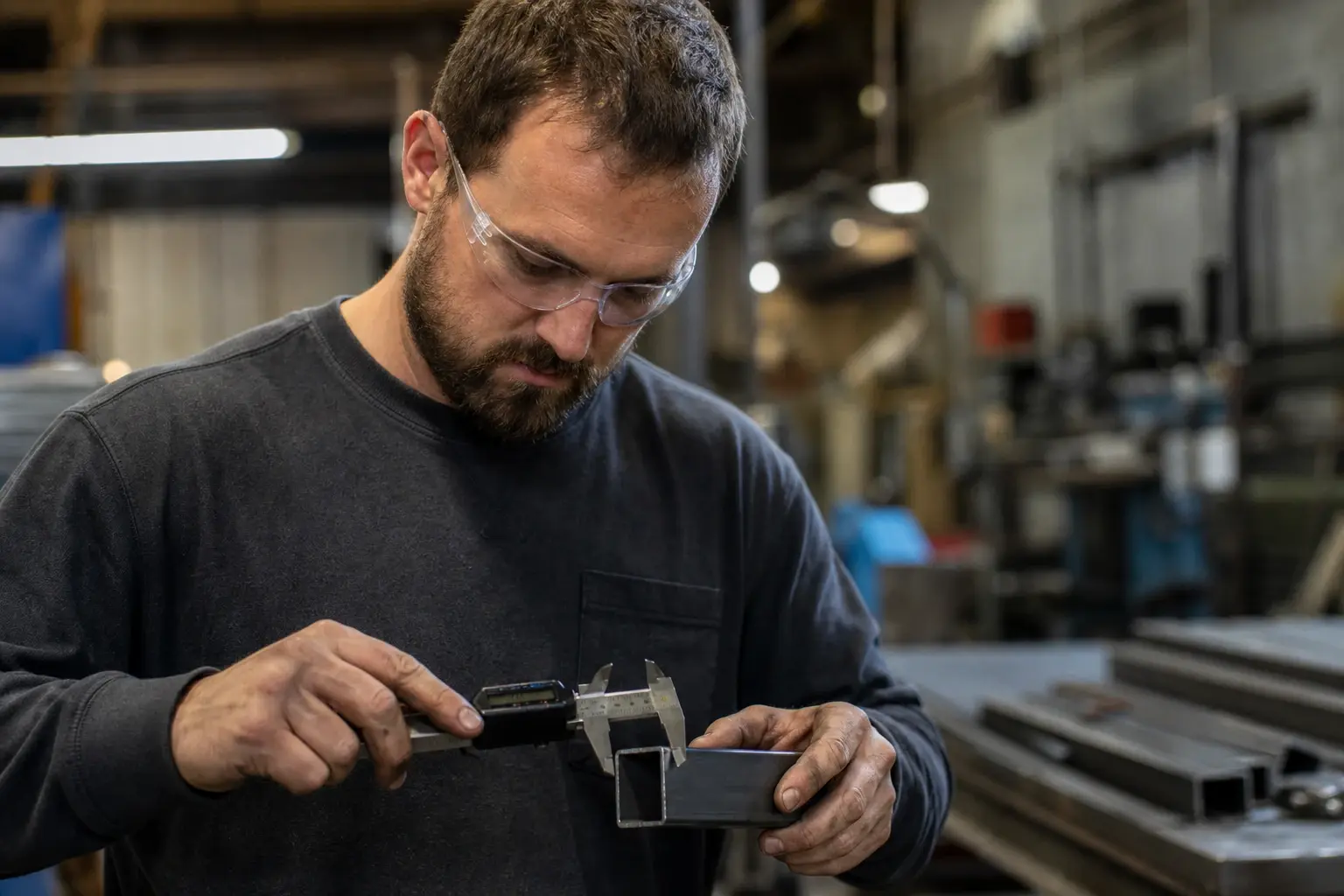
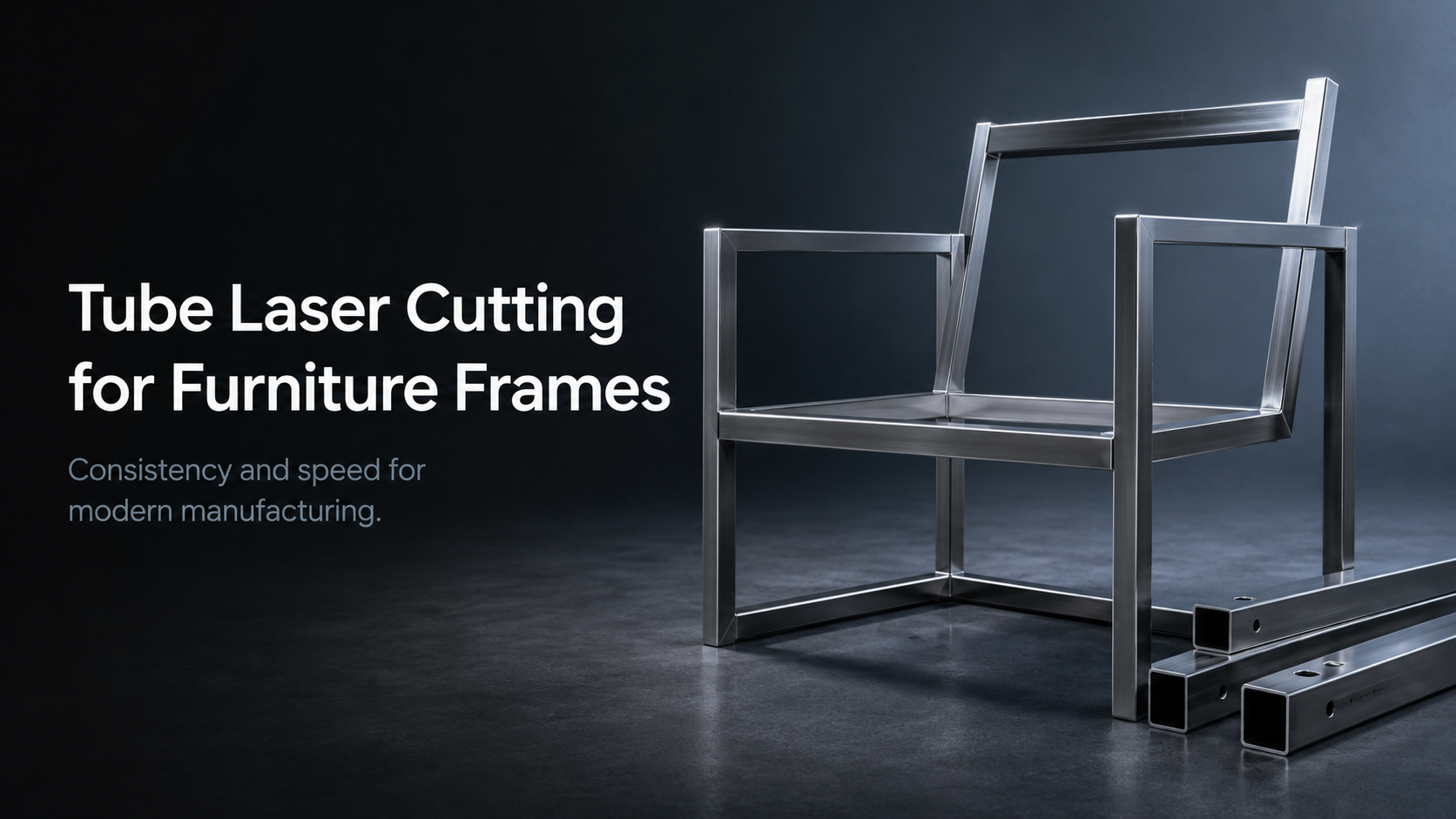
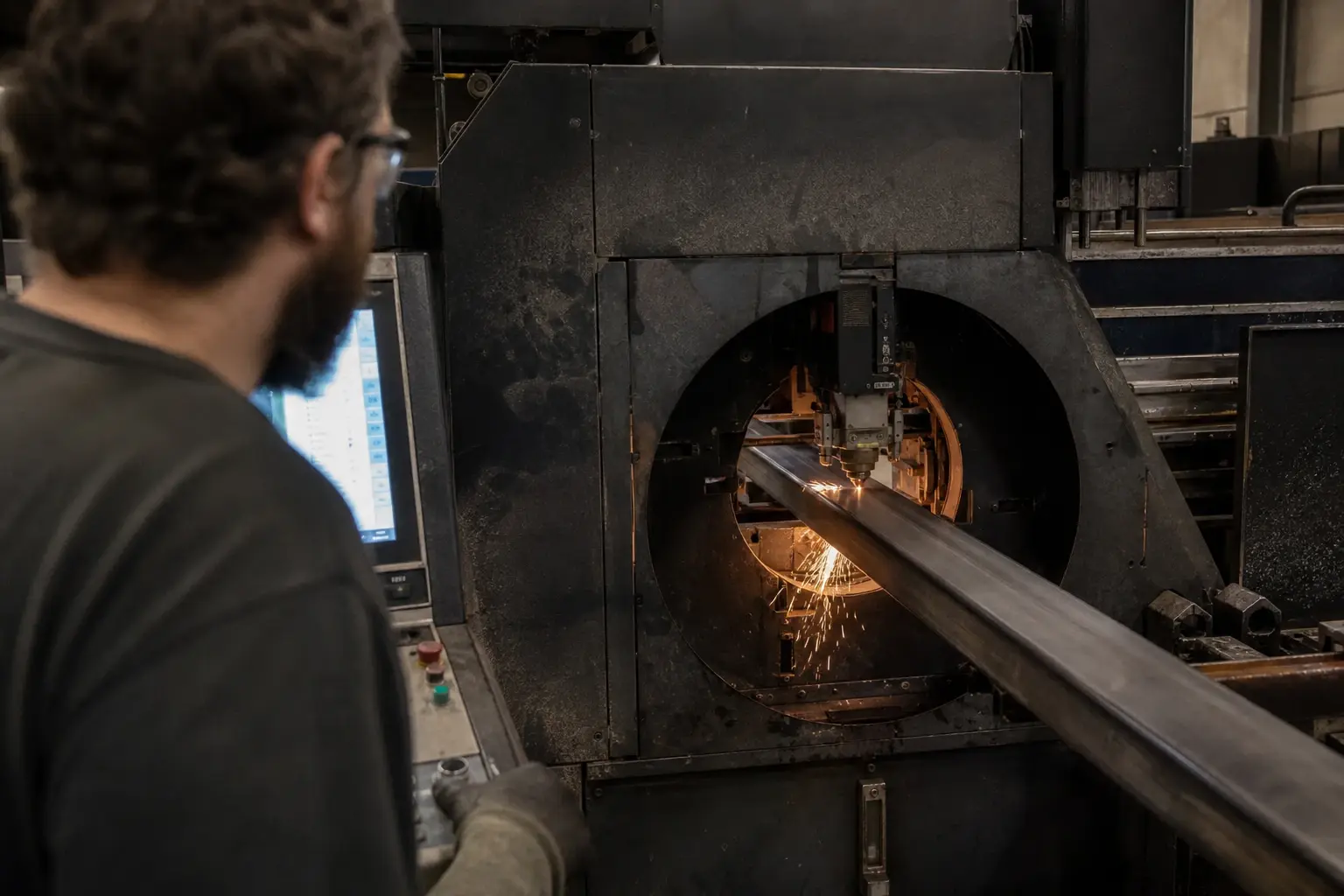
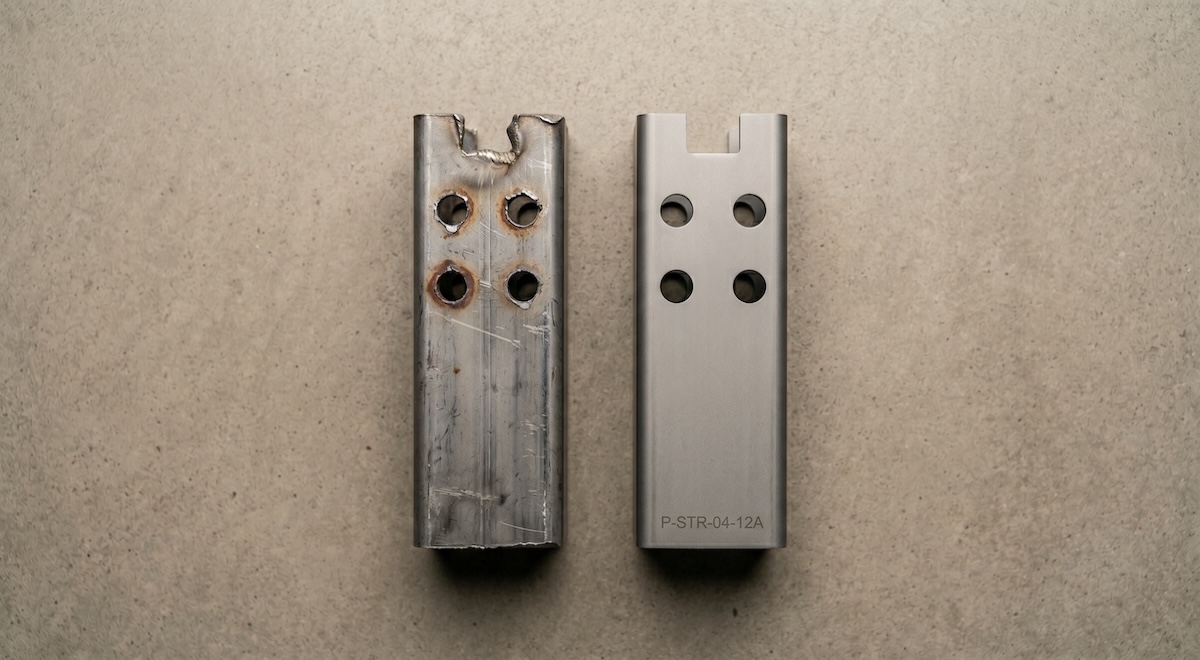
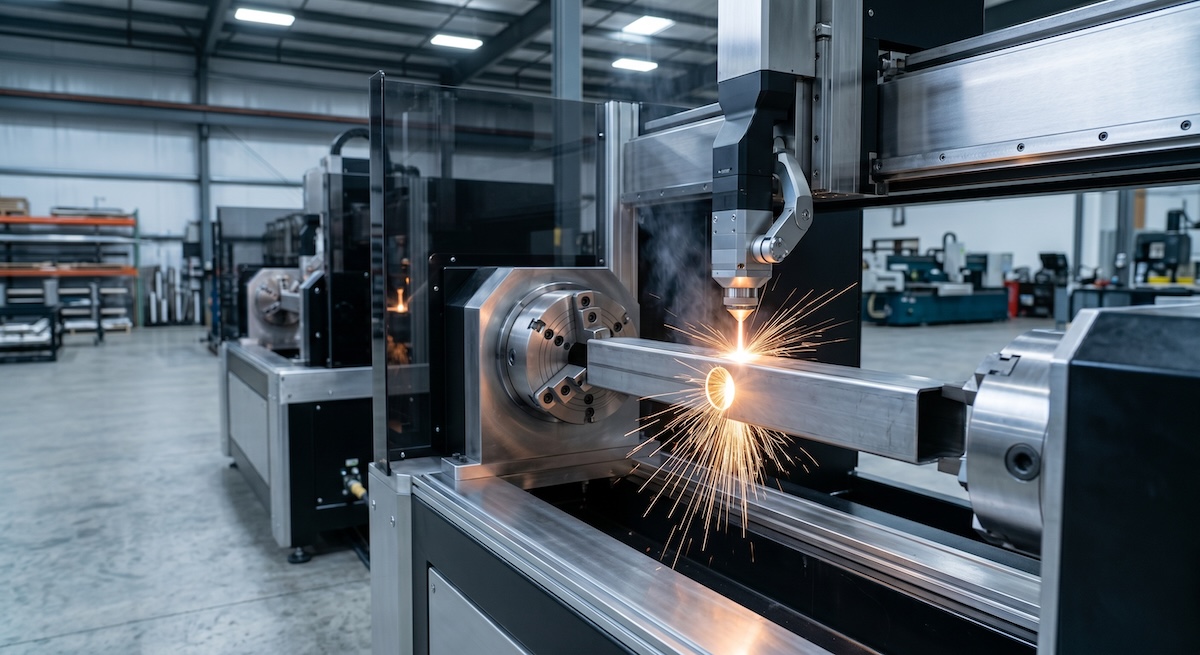
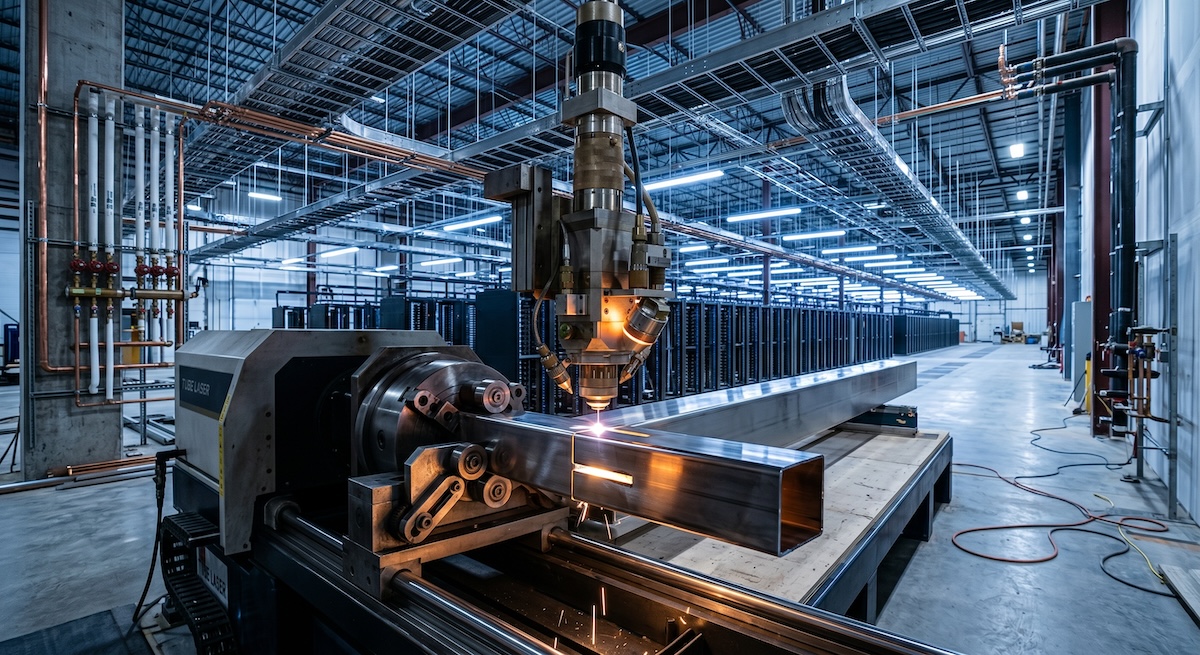
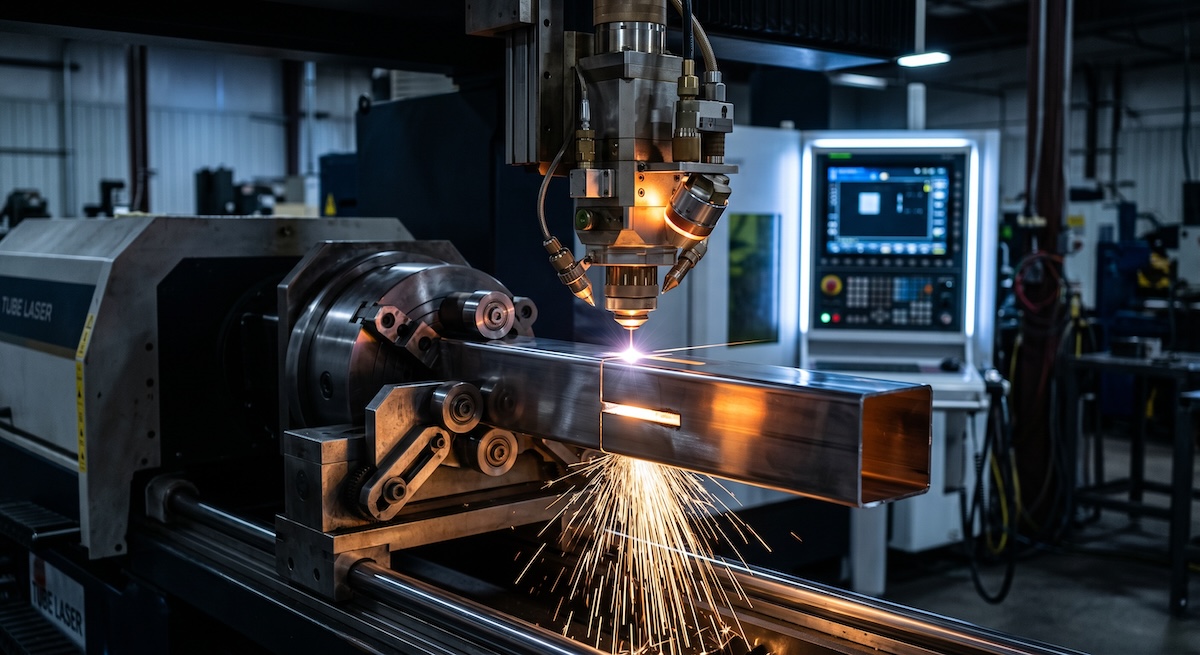
A tube laser cuts slots, tabs, holes, and ends from a stored program, so the fiftieth part matches the first. Features that locate each other, like a tab that drops into a slot, cut down the measuring a welder does. Blueline states its tolerances are plus or minus 0.003 inch.
That claim comes from Blueline's own site, so treat it as a starting point and confirm tolerances for your frame at quote time.
Blueline runs LT7 tube lasers, which are 4kW and fully automatic, for round and square tube up to 6 inches. The shop also processes tube up to 13 inches in diameter with 5-axis beveling capability.
Because the same program cuts every part, a revision change is a file change, not a new setup. That is the practical value of tube laser cutting for repeat frames. You can read more on our data center and AI infrastructure service page and our steel tube laser cutting page.
Where do repeat skid frames go wrong?
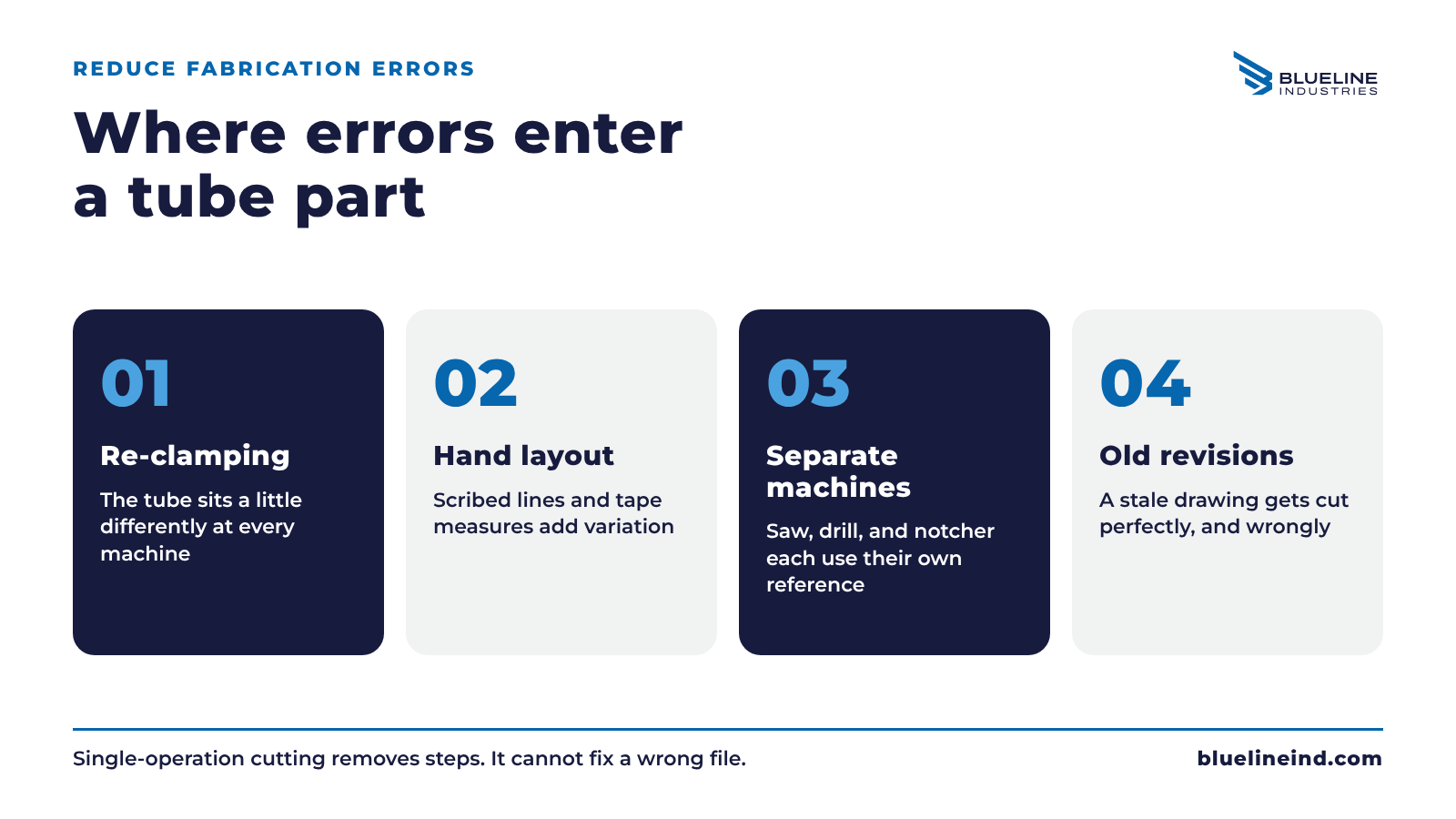
Repeat frames drift when drawings change mid-run, when parts are cut in separate batches without a shared reference, and when parts arrive unmarked and get mixed up. None of these are cutting problems. They are control problems, and they are cheap to prevent early.
Lock the revision for each batch
Pick one drawing revision per batch of frames and say so in the request. If a change must happen mid-run, name which frame number it starts on.
Keep batches tied to frames
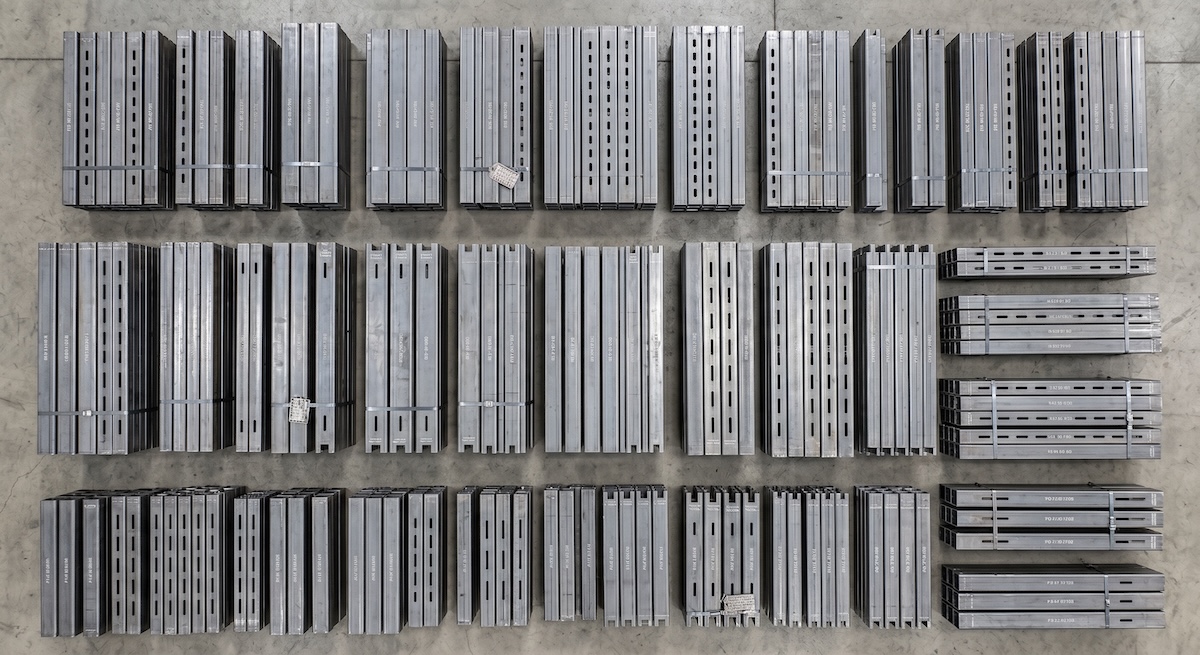
Ask for parts to be grouped and marked by frame or sub-assembly. Confirm with your shop at quote time what grouping and marking is possible.
Think about stainless early
Cooling skids often use stainless tube. Blueline processes stainless steel and carbon steel tube, and our stainless steel tube processing page covers the details. Tell us the grade and wall thickness up front.
What does a verified Blueline data center project show?
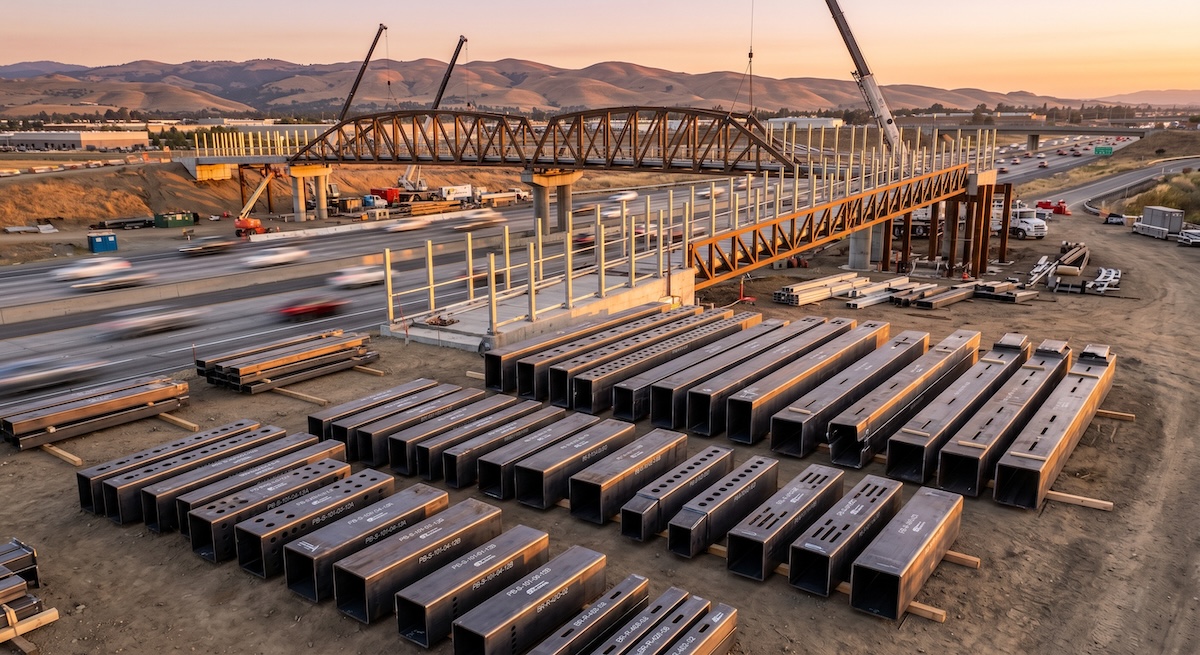
Blueline's AI data center cooling project in Sacramento in 2025 used 16 truckloads of stainless steel. That scale shows why order and repeatability matter. When material moves in truckloads, a single unclear part mark or a late revision can stall a lot of steel.
We cannot share more project details here. The point is simple: large data center scopes reward shops that keep parts organized and consistent from the first cut.
How should you start a skid frame request?
Start with the frame, not the part list. Send the assembly model or drawings, the revision, the material and wall thickness, and the number of frames. State whether you need a prototype frame first.
Our data center fabrication RFQ checklist lists what else helps. If the frame has a clear datum, our post on building machine frames from one datum shows how to carry it through the cut files.
For a first run, custom tube prototyping and short-run fabrication lets you prove one frame before you commit to the set.
Frequently asked questions
Does modular construction always save time?
Not always. Vendors such as Vertiv and ABB report faster deployment, but their figures are marketing claims and results depend on the project. Plan the frame details early so the factory can actually repeat its work.
Can Blueline build the whole skid?
Blueline's core services are tube laser cutting and precision tube fabrication. Tell the team the scope you need when you request a quote, and we will confirm what we can do for your frame.
What files should I send for a skid frame?
Send the assembly model or drawings, the revision, the tube size and wall thickness, the material grade, and the quantity. Mark any joints that locate other parts. Clear files shorten the quote conversation.
Can you cut stainless tube for cooling skids?
Yes. Stainless steel tube processing is one of Blueline's core services. Share the grade and wall thickness so we can quote it correctly.
Where is Blueline located?
Blueline's only facility is in Chino, CA 91710. We ship and serve customers in Portland, Tucson, San Francisco, San Diego, Seattle, Salt Lake City, Las Vegas, San Jose, and Los Angeles.
Repeatable frames start with repeatable cuts. If you are planning a skid frame run, send us the package and we will tell you what we see before any steel moves.
Get a Quote: use our contact page or call (951) 833-5597.