Quick Summary
- Chassis tube is usually steel tube with many notches, holes, and slots for brackets and mounts. Exhaust tube is often stainless, so grade and wall thickness drive the job.
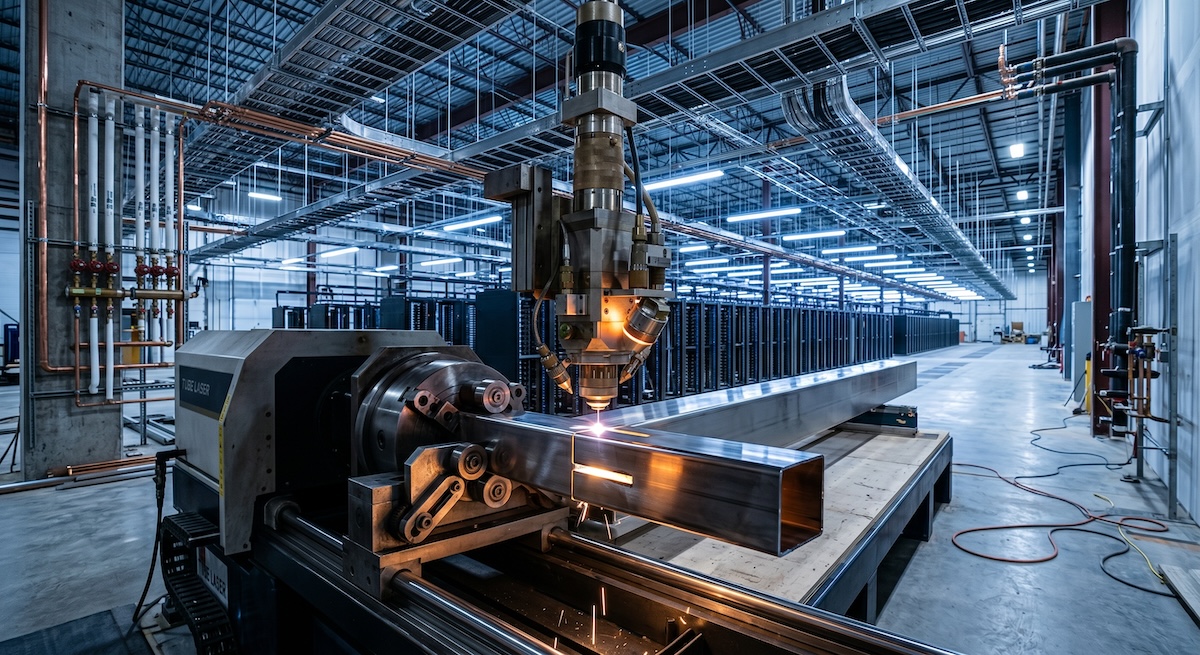
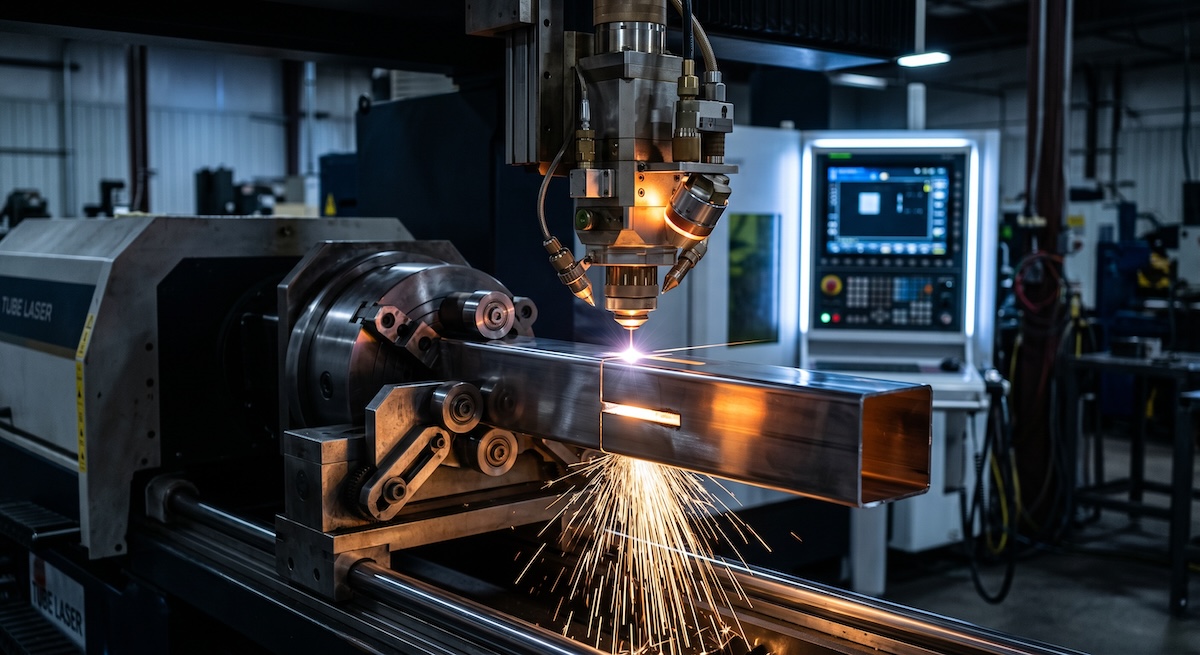
- Tube laser cutting handles holes, slots, contours, and intersections in one cycle, which cuts separate drilling and cutting steps.
- Send tube size, wall, grade, and a CAD file, and say which steps happen after cutting.
- Blueline Industries cuts steel and stainless tube in Chino, CA and ships across the West.
Chassis and exhaust tube laser cutting both start with the same step: cutting tube to length with notches, holes, and slots in the right places. The difference is the material. Chassis tube is usually steel, while exhaust tube is often stainless, and that changes what you specify.
Blueline Industries is a tube laser cutting and precision metal fabrication shop in Chino, CA. This post is for automotive aftermarket and motorsports fabricators who build frames, cages, and exhaust systems. It explains how the two jobs differ, what a tube laser can cut, and what to send for a quote.
What counts as chassis and exhaust tube work?
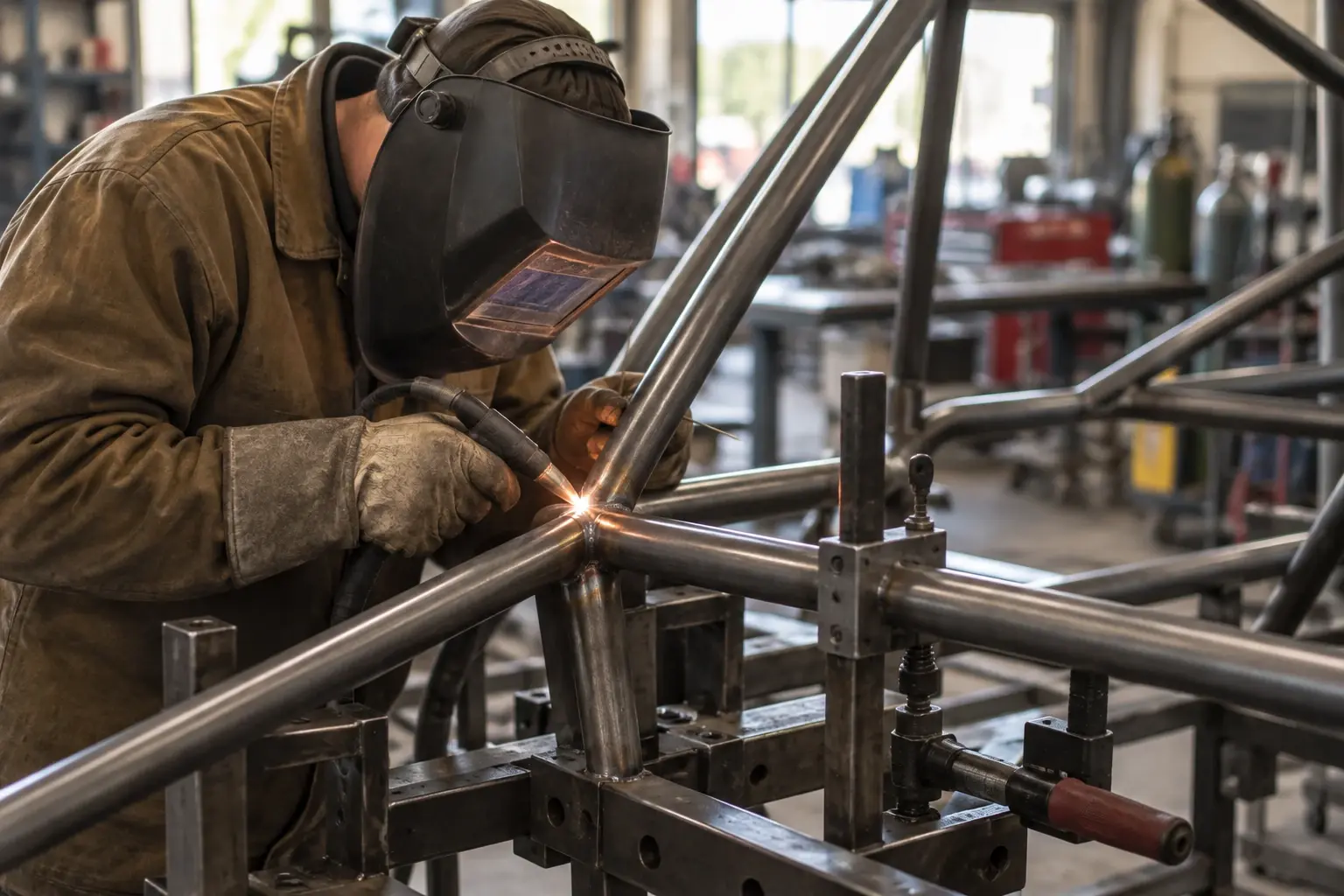
Chassis work covers frame rails, cross members, supports, and mounting structures built from tube. Exhaust work covers the tubing that carries hot gas away from an engine. Both are cut to length, then notched, drilled, or slotted before welding or bending.
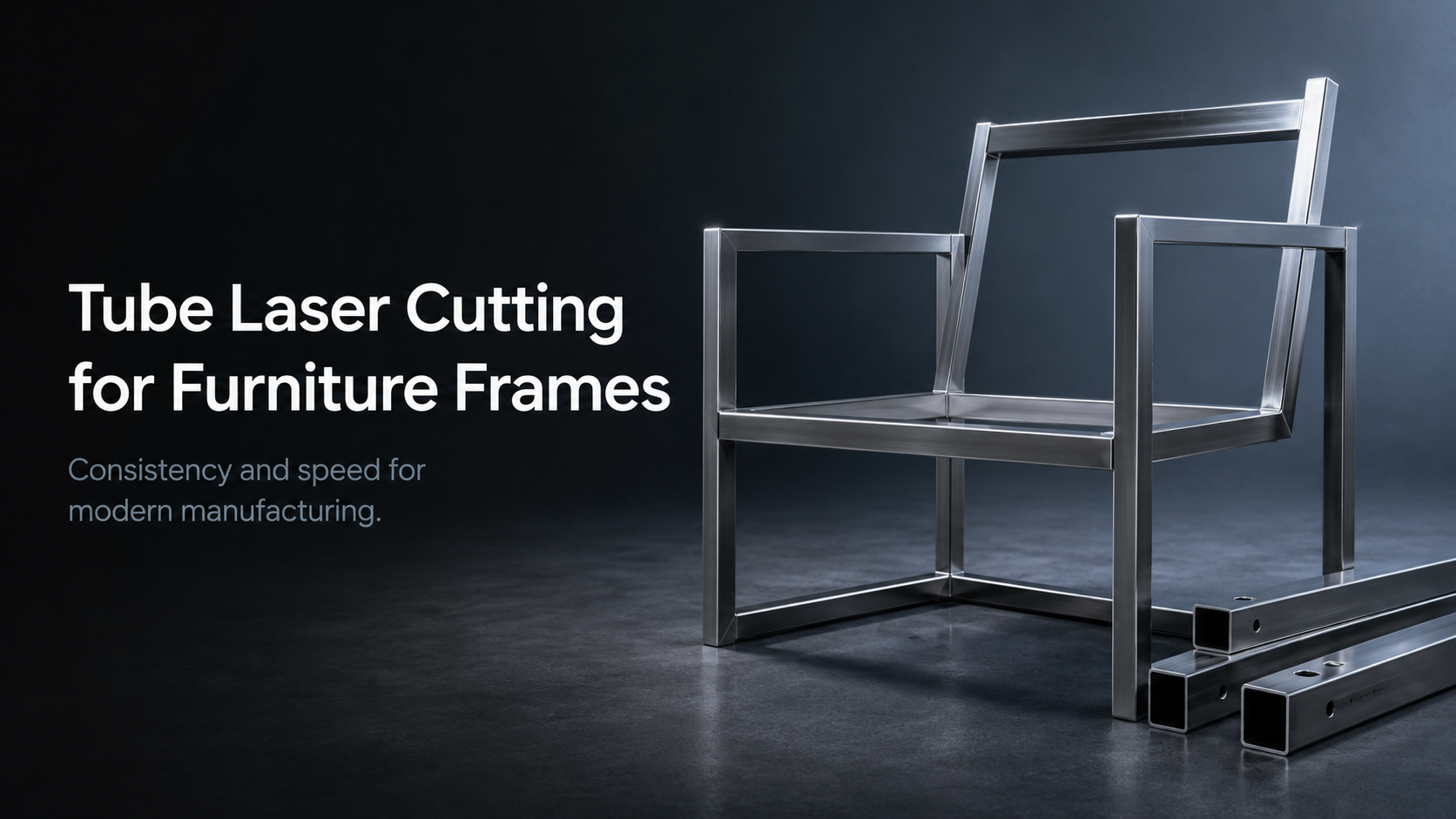
A laser equipment maker lists chassis-related fabricated components and automotive frames and supports among typical uses of tube laser cutting. It says the process is particularly useful when a part needs multiple holes, slots, contours, or intersections. That description fits both frames and exhaust hardware.
If you build cages, read our post on roll cage fabrication with tube laser cutting. This post focuses on chassis tube and exhaust tube as two separate cases.
How does tube laser cutting help chassis tube?
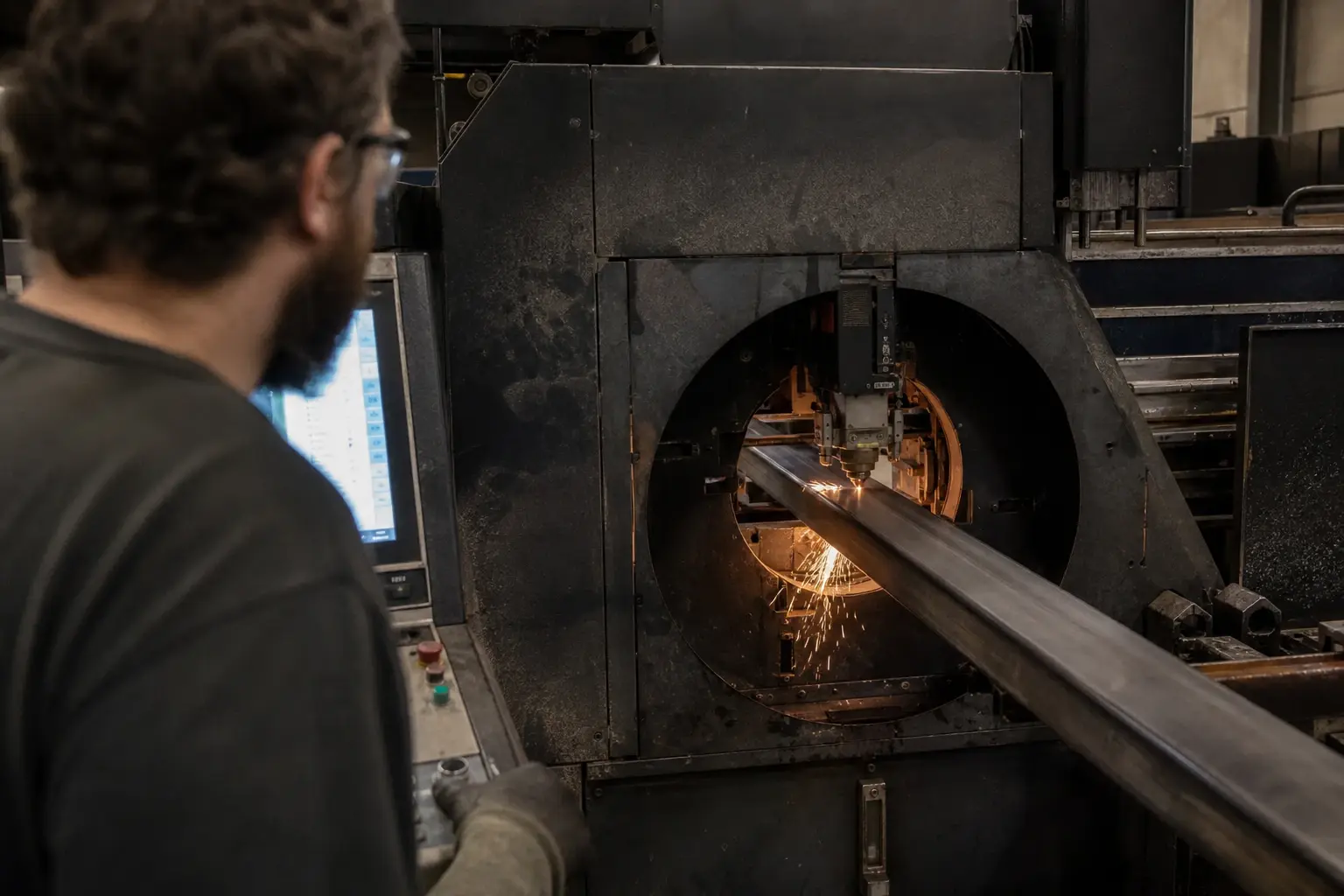
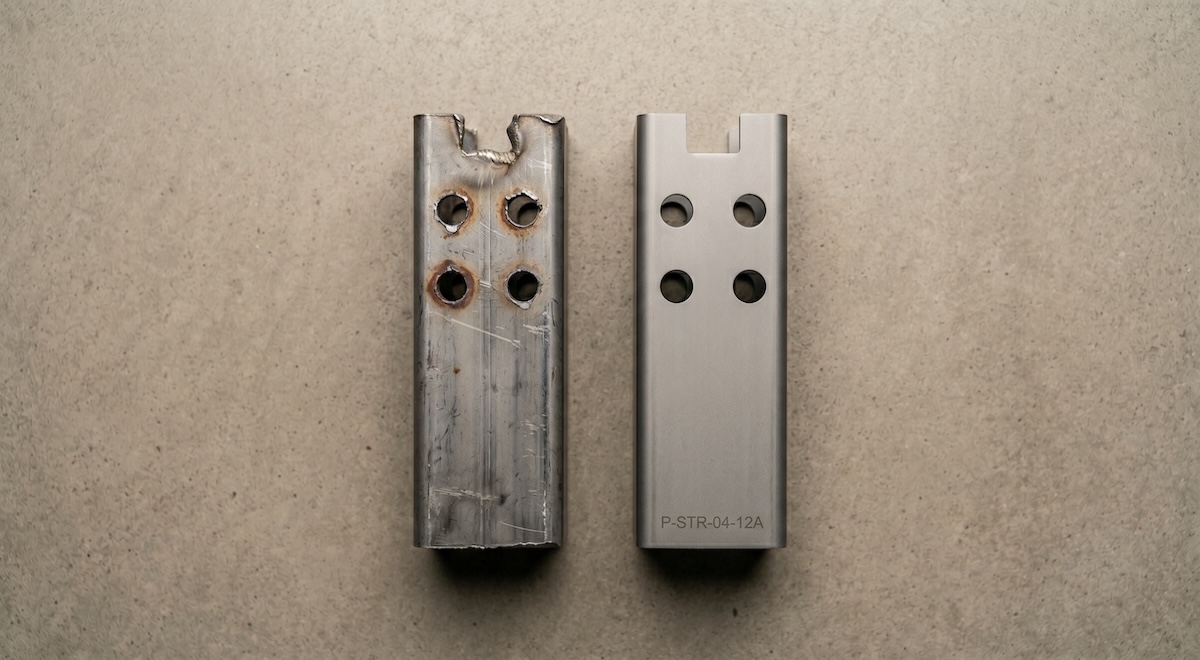
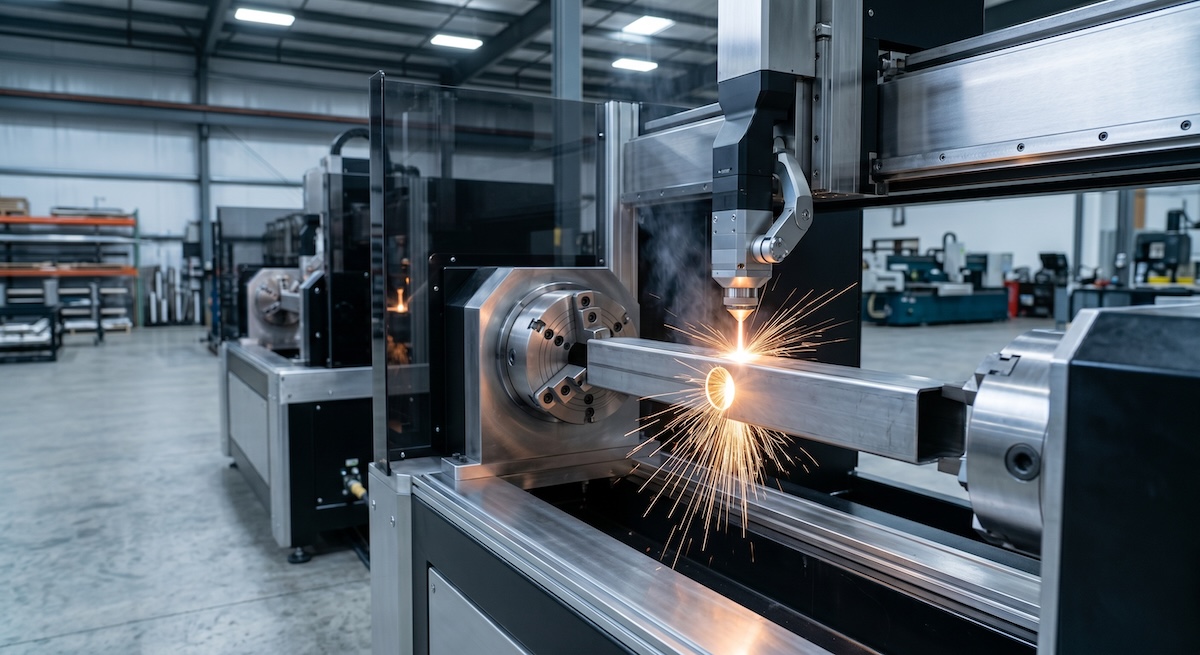
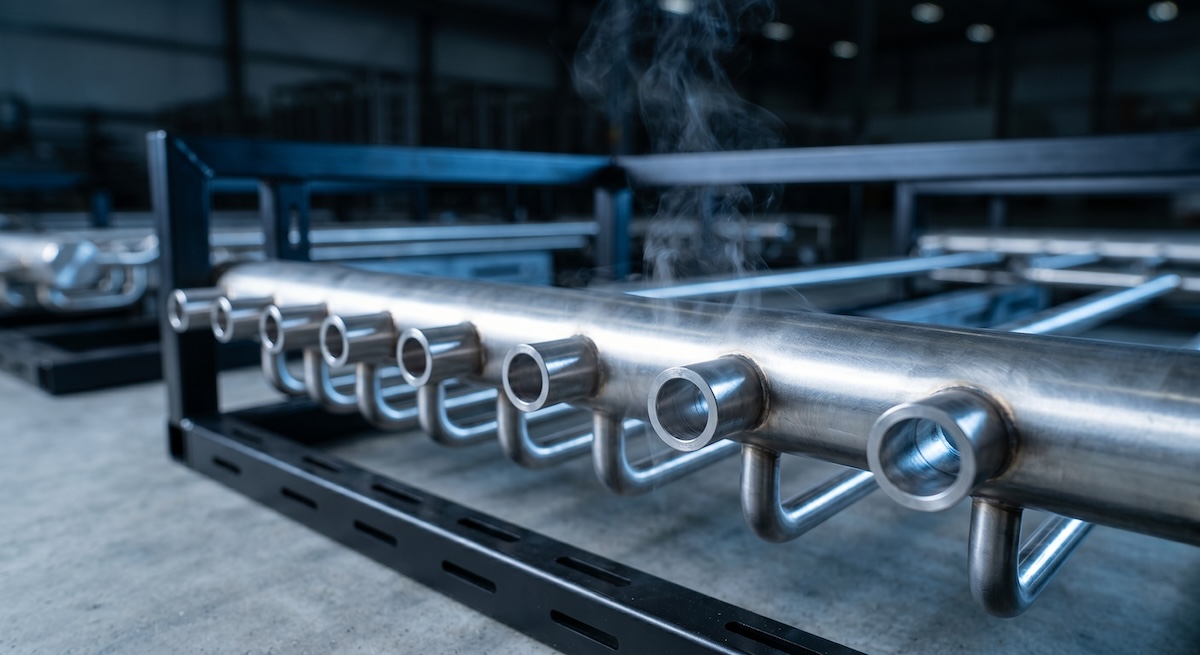
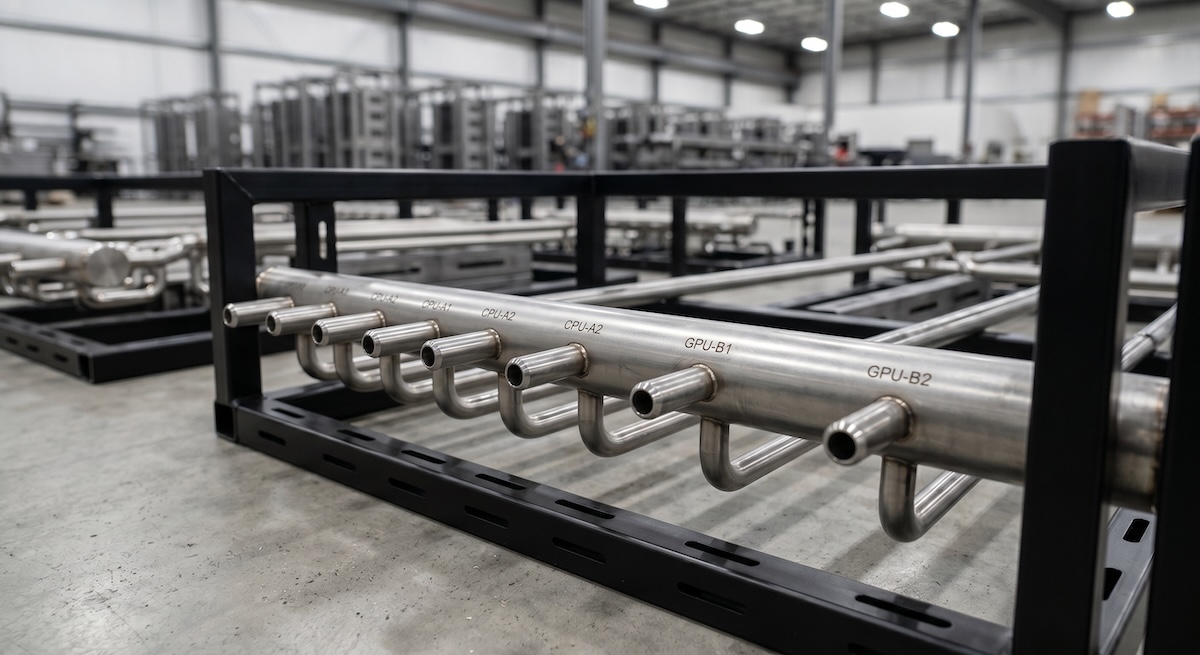
It cuts every feature on a chassis tube in one cycle: length, miters, notches, holes, and slots. You skip separate drilling and cutting steps, and the features stay in the right place relative to each other because one program cuts them.
That matters on a frame, where many tubes must meet at set angles. An equipment supplier says a laser handles notches and fish-mouth saddle joints as part of the primary cutting cycle, work that is traditionally labor-intensive by hand. It also says parts can act as their own jigs during assembly.
Our post on 5-axis tube beveling explains how an angled edge helps weld prep. For a joint-by-joint view of notches and copes, see our precision slotting, notching, and hole cutting service.

What changes for exhaust tubing?
The material and wall thickness change. Exhaust tubing is often stainless steel because it resists rust under hot gas, and walls are usually thinner than structural tube. Grade and wall thickness decide cutting settings, so state both on your drawing.
One supplier page says stainless grades such as 304 or 409 lead the pack for exhaust because of their resistance to corrosion under hot gases. It also notes that aluminized steel is used where cost matters. Treat that as a supplier's view, and confirm the grade your build needs against your own spec.
Blueline processes stainless steel and steel tube. Our guide to stainless vs carbon steel tube covers how the two behave in fabrication.
Chassis tube versus exhaust tube at a glance
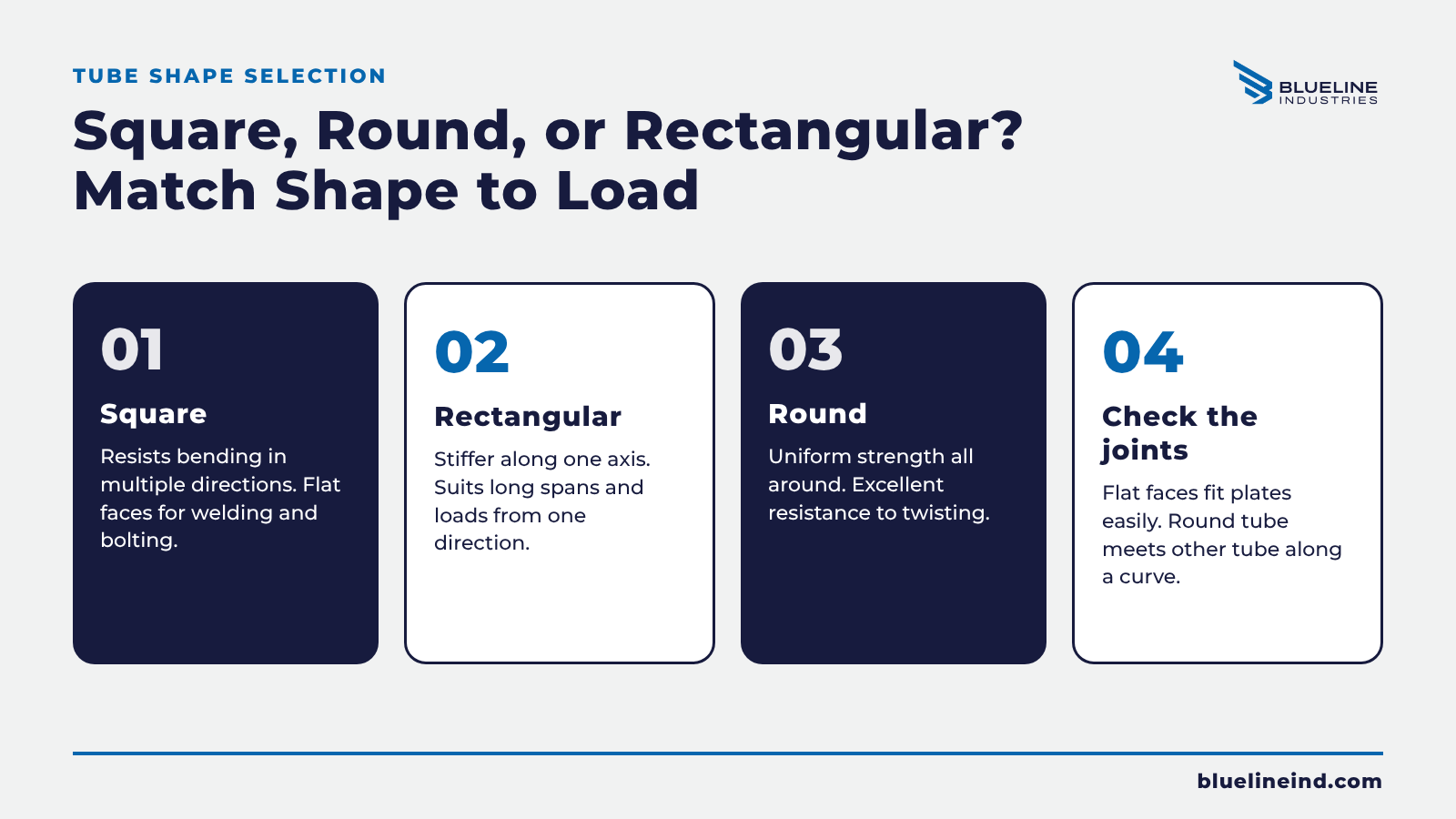
| Question | Chassis tube | Exhaust tube |
|---|---|---|
| Typical material | Steel tube | Often stainless, sometimes coated steel |
| Common features | Notches, holes, slots for brackets and mounts | Length cuts, angled ends, mounting holes |
| What to state first | Tube size, wall, grade, joint angles | Grade, wall thickness, outside diameter |
| Main risk | Joints that do not match their twins | Wrong grade or wall for the job |
The table is a starting point, not a rule. A custom build may use stainless on the chassis or steel in the exhaust, so the drawing and your own spec decide. Put the grade and wall on the print for every tube, because those two details change how the cut is set up and how the part behaves in the weld.
Which features can a tube laser cut on both?
A tube laser can cut length, miters, notches, holes, slots, and contours on both tube types. Blueline offers precision slotting, notching, and hole cutting, and states 5-axis beveling capability. These are the features that otherwise need drills, saws, and grinders.
- Length cuts and angled ends for tube that meets at an angle.
- Notches and copes so tubes nest or cross without gaps.
- Holes and slots for brackets, mounts, and tabs.
- Bevels where a joint needs weld prep.
The laser equipment maker also lists reduced secondary operations and repeatable processing as benefits, because clamping and CNC control stay stable from part to part. Repeat parts are where that pays off.
What should you send for a chassis or exhaust tube quote?
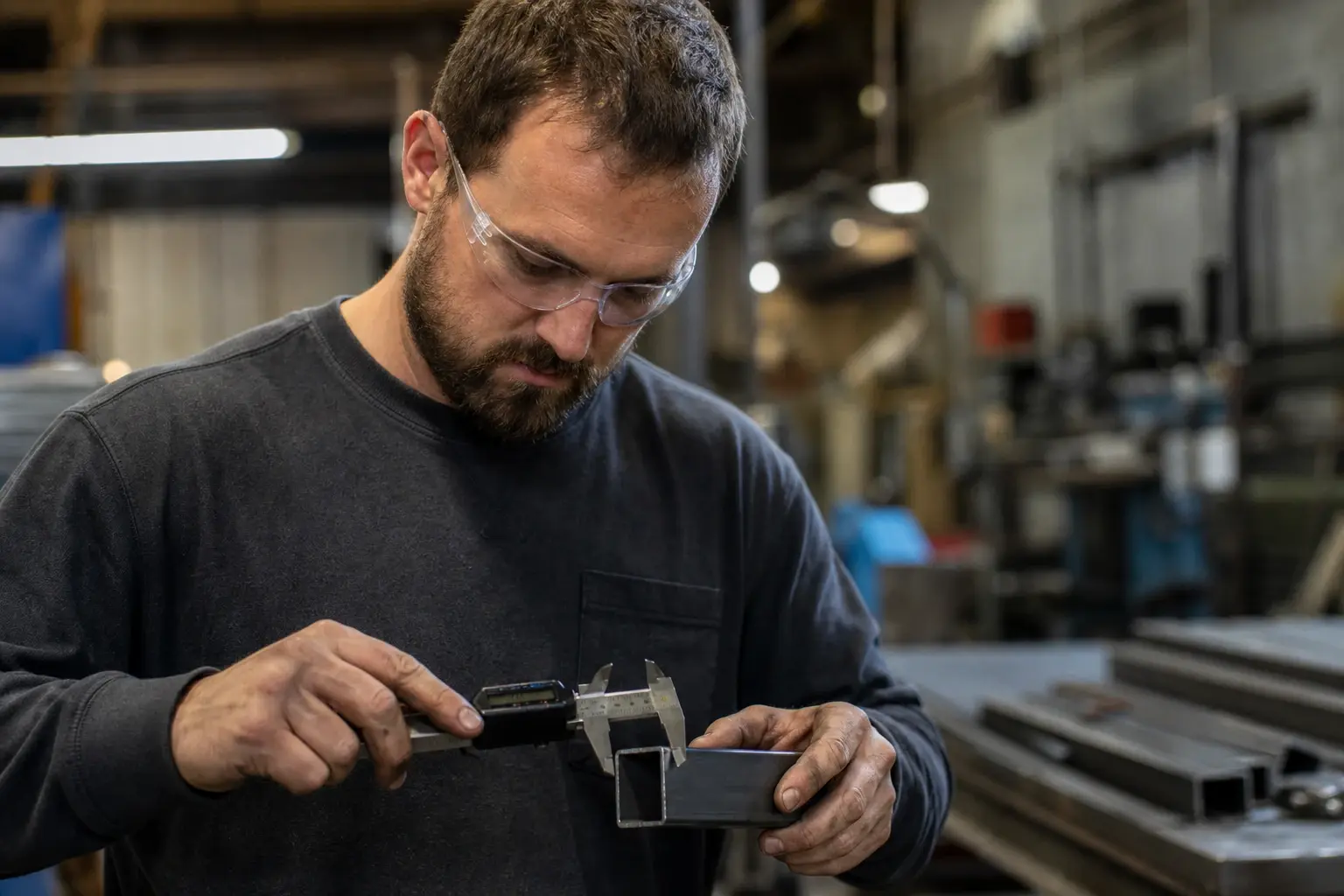
Send a CAD file with tube shape, outside size, wall thickness, and grade. Mark joint angles, hole and slot positions, and any bevels. Add the quantity, and say what happens to the tube after cutting, such as bending or welding.
That last point is worth stating early. Bending and welding are separate steps from laser cutting, and a shop may not do all of them for every part. Ask the Blueline team which downstream steps it supports for your part before you order.
Our CAD file checklist lists what a clean file includes. For capacity limits, see tube sizes a tube laser can cut.
A project where fit-up mattered
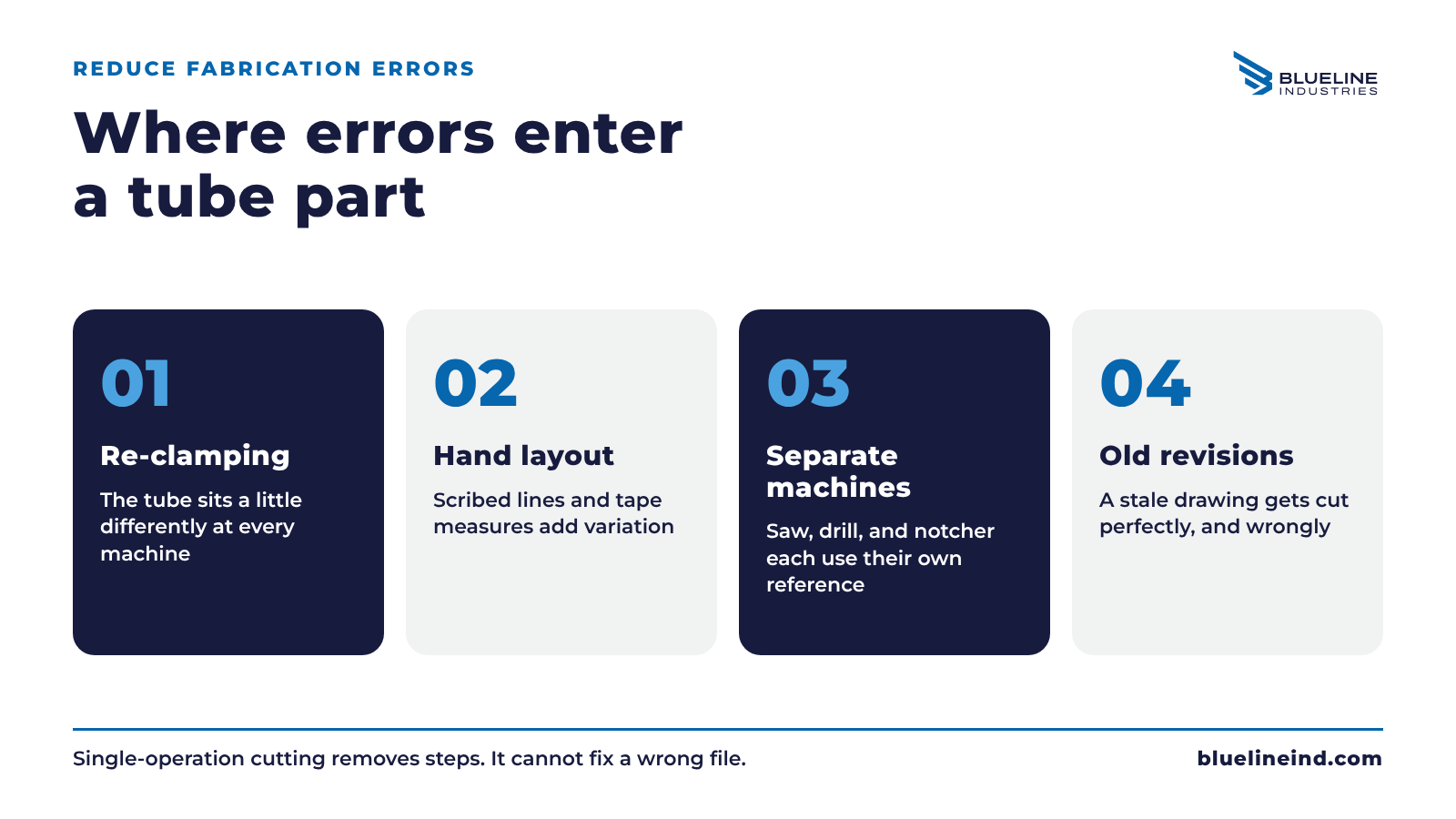
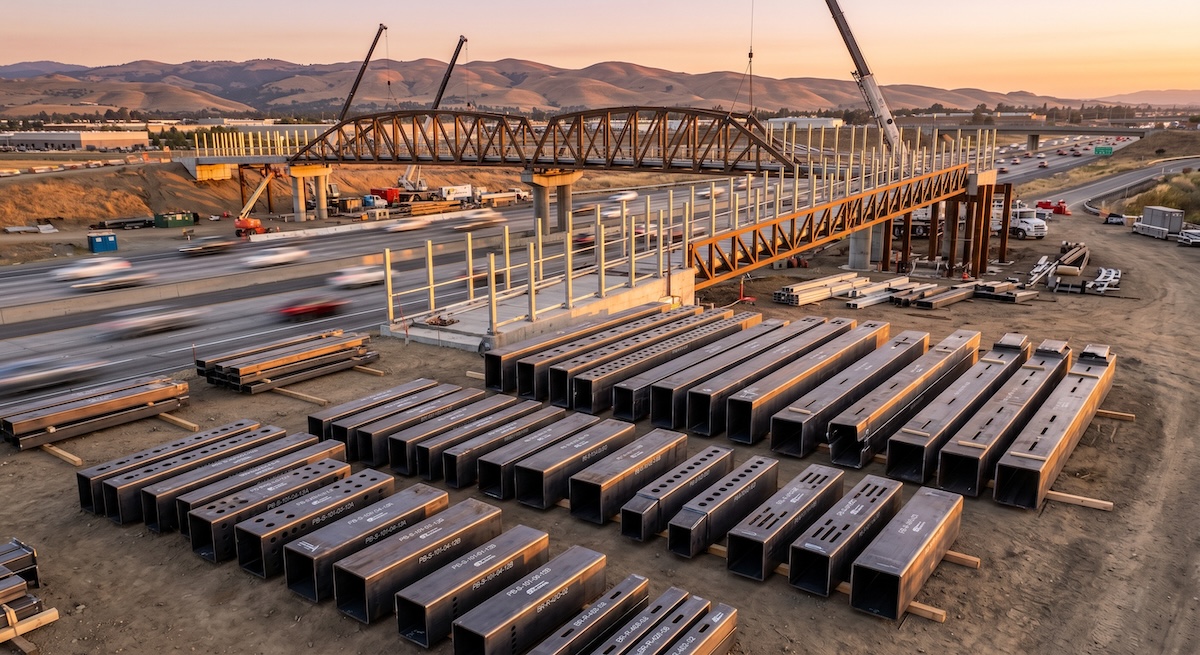
Blueline processed more than 500,000 pounds of steel for the Caltrans I-5 pedestrian bridge in Irvine in 2025. The lesson carries to a chassis: when many tubes must match, a programmed cut beats hand layout. That holds whether you build one frame or a run of them.
Frequently Asked Questions
Can a tube laser cut exhaust tubing?
Yes, a tube laser can cut stainless and steel tube, which covers most exhaust tubing. Wall thickness and grade affect the cut, so list both with your quote request. Blueline processes stainless steel and steel tube in Chino, CA.
What material is chassis tube usually made from?
Chassis tube is usually steel tube, though the grade depends on your build and your rules. Your design or sanctioning body sets the spec, not the cutting shop. Send the grade you plan to use so the team can quote it.
Does laser cutting replace tube bending?
No. Laser cutting makes the cuts, notches, and holes. Bending is a separate process. If your exhaust or frame needs bends, ask Blueline which steps it supports and plan the order of operations with your bender.
What tube sizes can Blueline cut?
Blueline states that its LT7 tube lasers cut square and round tube up to 6 inches and that it processes tube up to 13 inches in diameter. Send your tube size with your quote request to confirm it fits.
How do I get chassis or exhaust tube parts quoted?
Send your CAD file, tube size, wall thickness, grade, and quantity through the contact page or call the shop. The team in Chino, CA will review the file and reply with a quote.
Cut your chassis and exhaust tube once
Whether you build frames, exhaust systems, or both, a clean file and a clear spec get the best result. Send your drawing to the team in Chino, CA.
Ready to start? Get a Quote or call (951) 833-5597. You can also read about steel tube laser cutting and stainless steel tube processing.